

Home / Journal

Studio Journal

Our journal shares general knowledge about stone lithography, collecting and print care.

Studio Journal
What Is Stone Lithography

What Is Stone Lithography

A clear introduction to the principles and appeal of stone lithography.

How Limestone Is Used

How Limestone Is Used

Why limestone remains central to traditional lithographic image making.

Drawing Materials Explained

Drawing Materials Explained

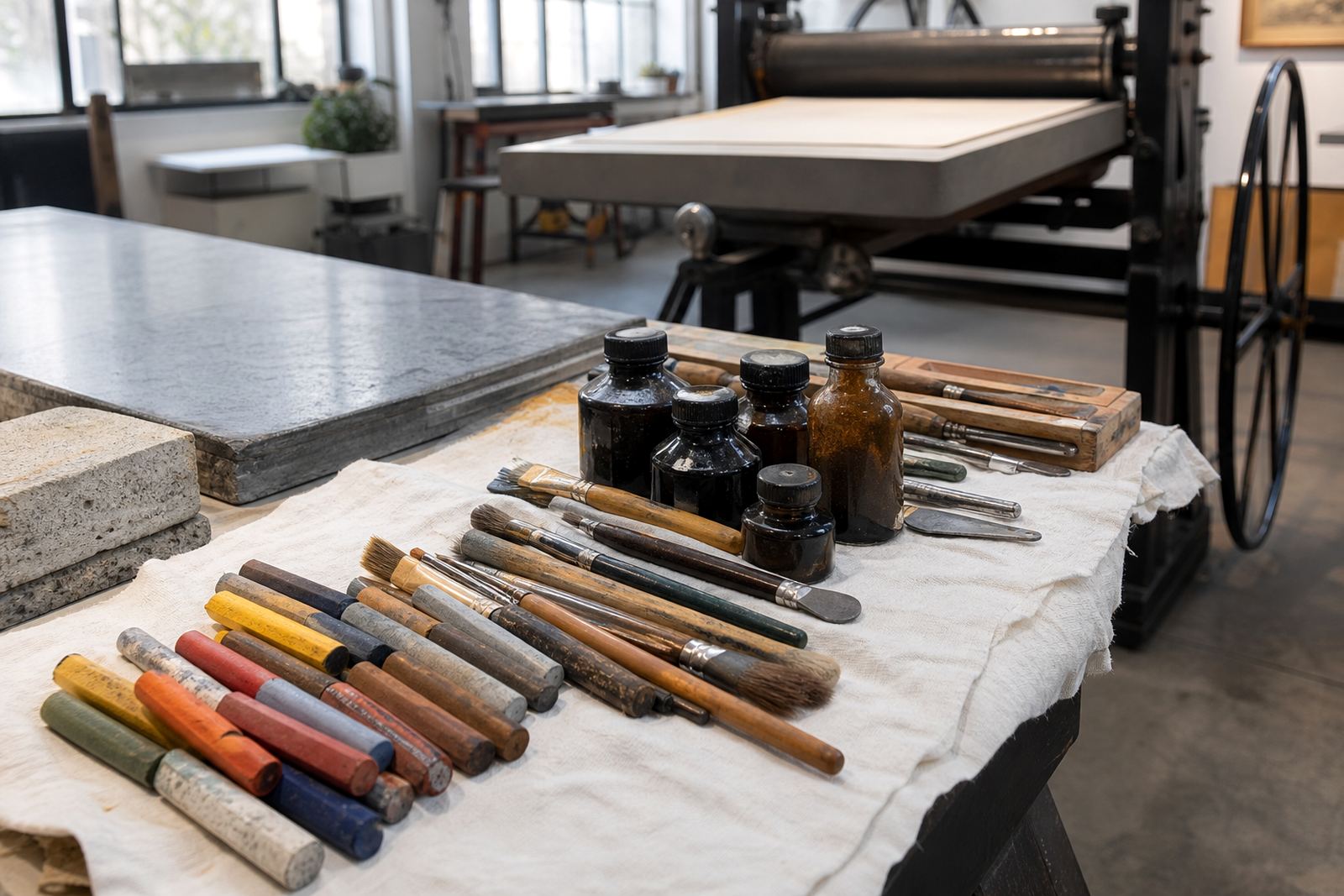
An overview of crayons, tusche and other grease-based lithography materials.

Grease And Water Principle

Grease And Water Principle

The basic chemical relationship that makes lithographic printing possible.

Proofs Versus Editions

Proofs Versus Editions

The difference between test prints, artist proofs and final edition sheets.

Understanding Edition Numbers

Understanding Edition Numbers

How numbering helps collectors understand limited print runs.

Why Artists Sign Prints

Why Artists Sign Prints

What signatures mean within fine-art print practice and collecting.

Reading Print Margins

Reading Print Margins

A guide to typical information found in the lower margins of prints.

How Colour Lithographs Work

How Colour Lithographs Work

A simple explanation of layered colour printing from multiple stones.

Registering Multiple Stones

Registering Multiple Stones

Why accurate registration matters in multi-colour lithography.

Paper For Lithographs

Paper For Lithographs

What collectors and artists should know about fine-art print paper.

Surface Texture In Prints

Surface Texture In Prints

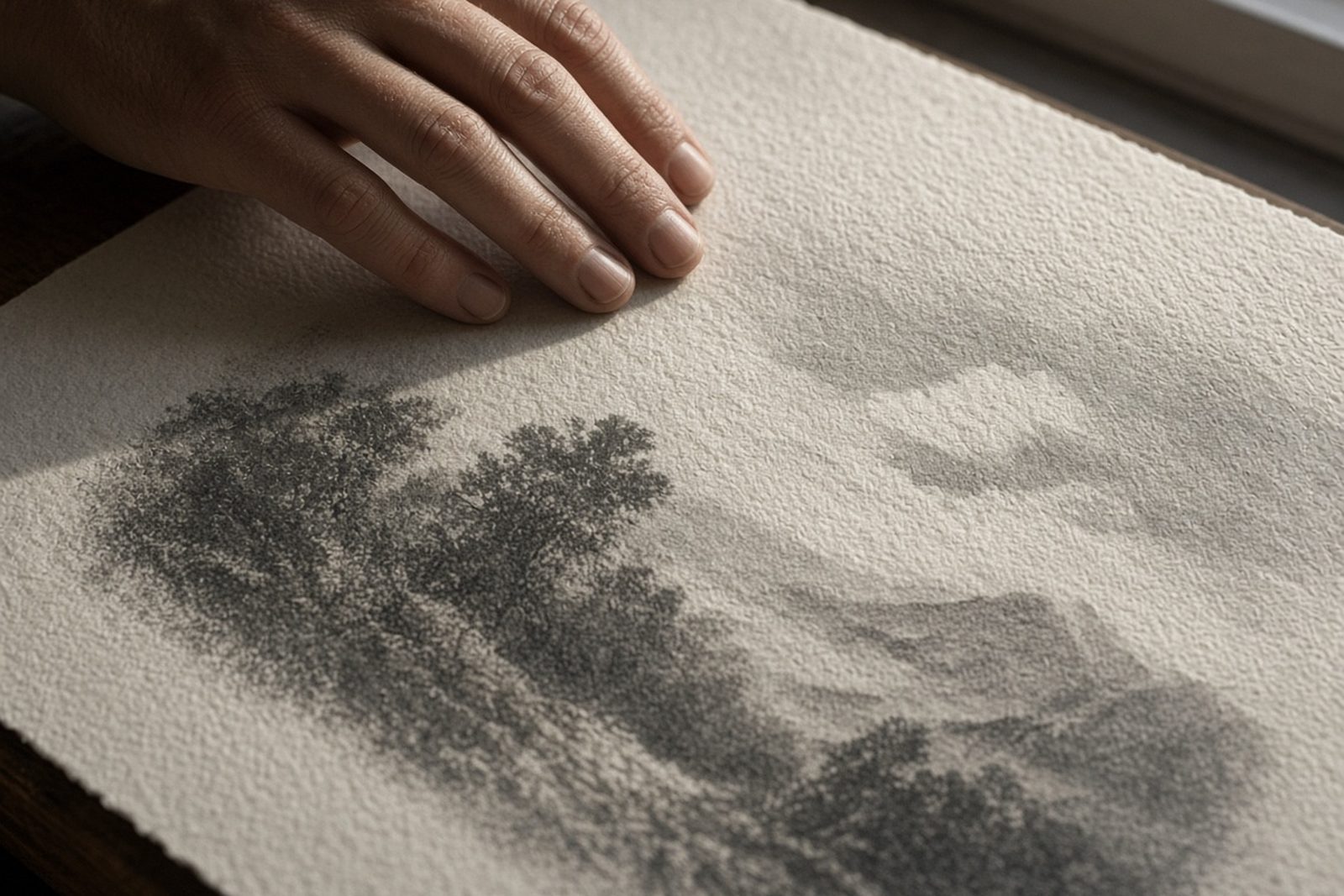
How drawing method and paper affect the look of a lithograph.

Black And White Lithographs

Black And White Lithographs

Why monochrome lithographs remain compelling for artists and collectors.

Collecting Limited Editions

Collecting Limited Editions

Practical considerations when choosing limited-edition fine-art prints.

Choosing Your First Print

Choosing Your First Print

Helpful pointers for first-time buyers of fine-art lithographs.

Buying Unframed Prints

Buying Unframed Prints

What to expect when purchasing lithographs without framing.

Buying Framed Prints

Buying Framed Prints

Questions to ask about framing quality and display readiness.

Caring For Paper Art

Caring For Paper Art

General paper care principles that help preserve fine-art prints.

Light And Print Fading

Light And Print Fading

How sunlight and strong artificial light can affect print longevity.

Humidity And Paper

Humidity And Paper

Why stable humidity matters for preserving paper-based artworks.

Safe Handling Basics

Safe Handling Basics

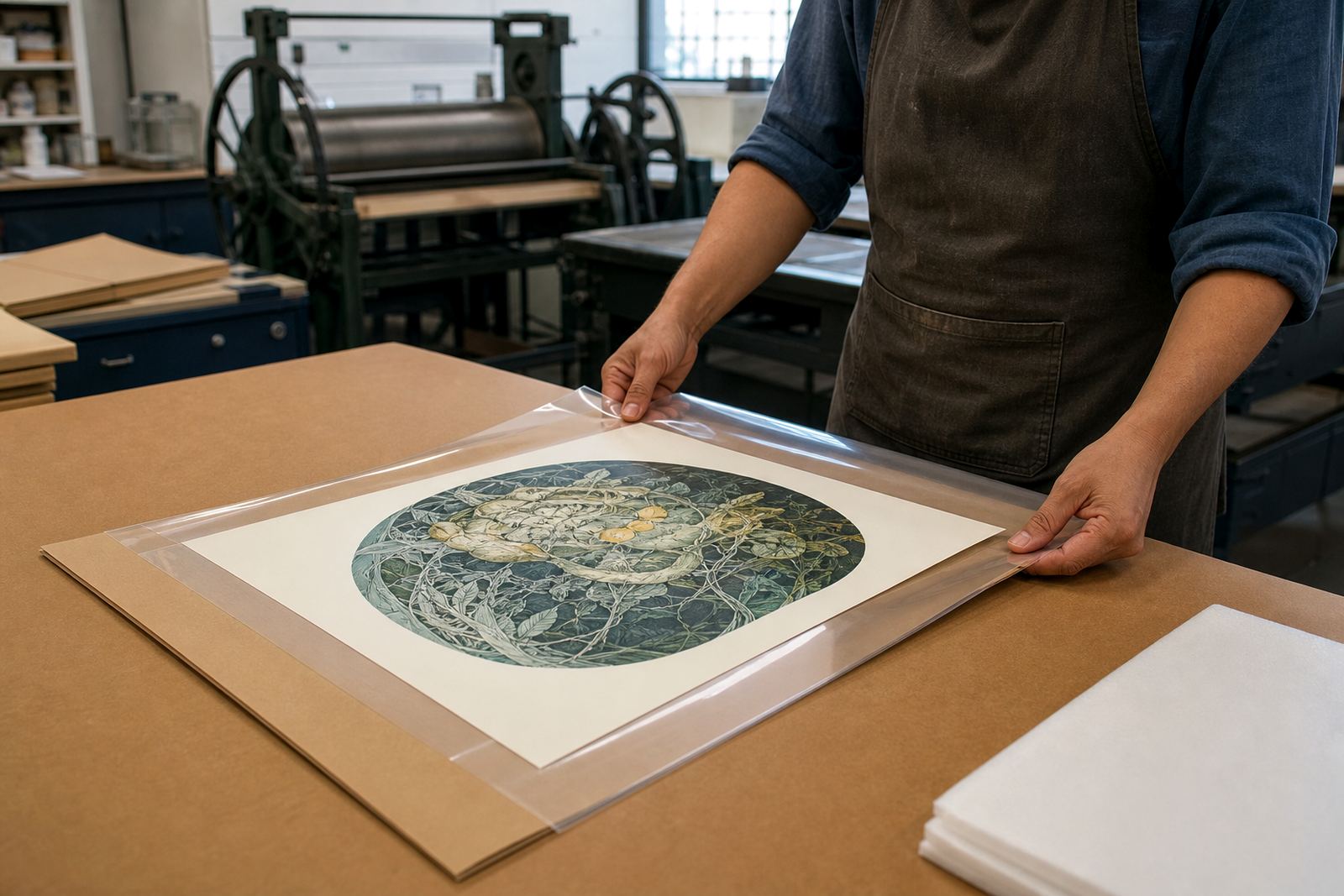
Simple handling habits to reduce creases, smudges and edge damage.

Storage For Unframed Prints

Storage For Unframed Prints

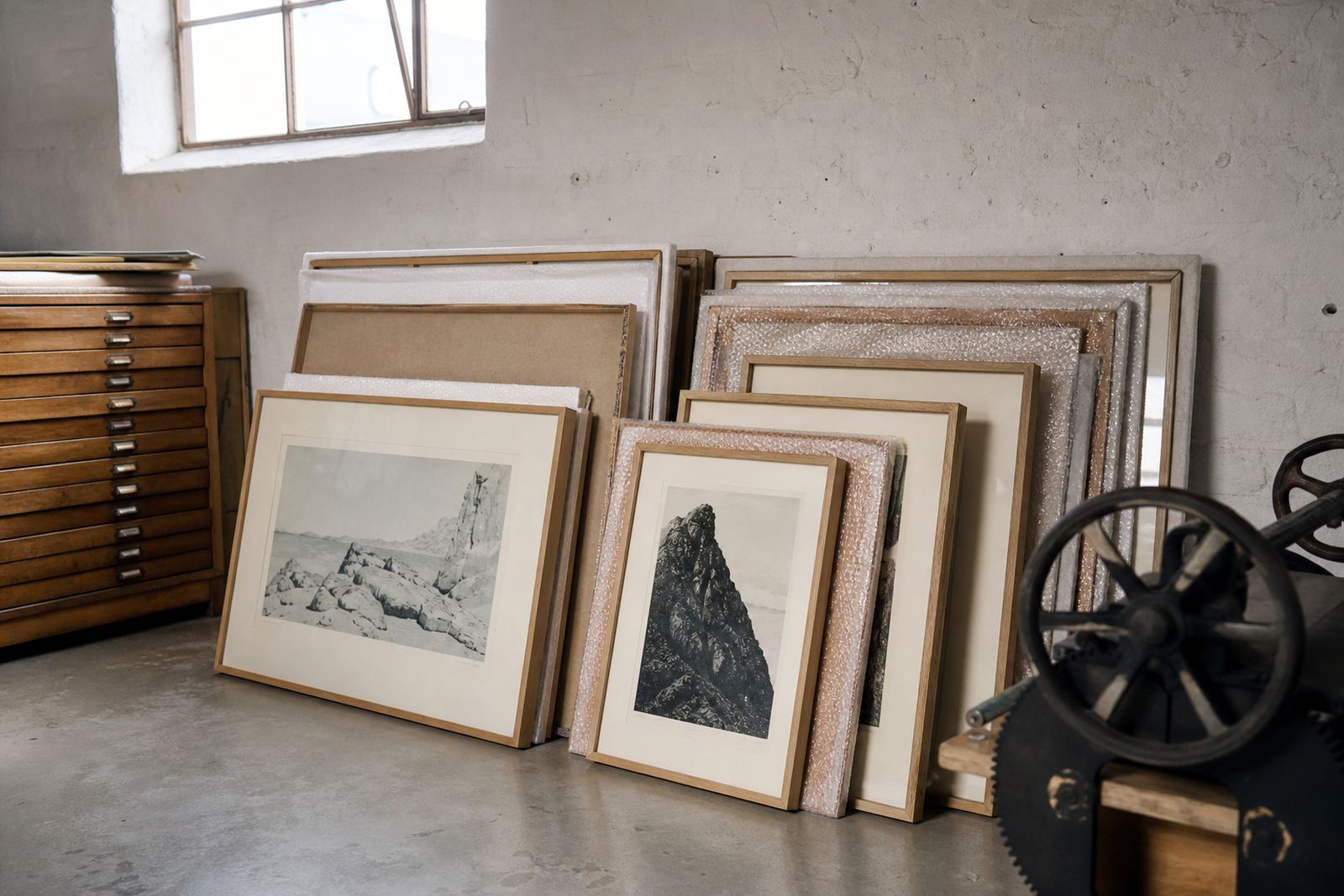
How to store unframed lithographs flat and safely between viewings.

Mounting And Matting

Mounting And Matting

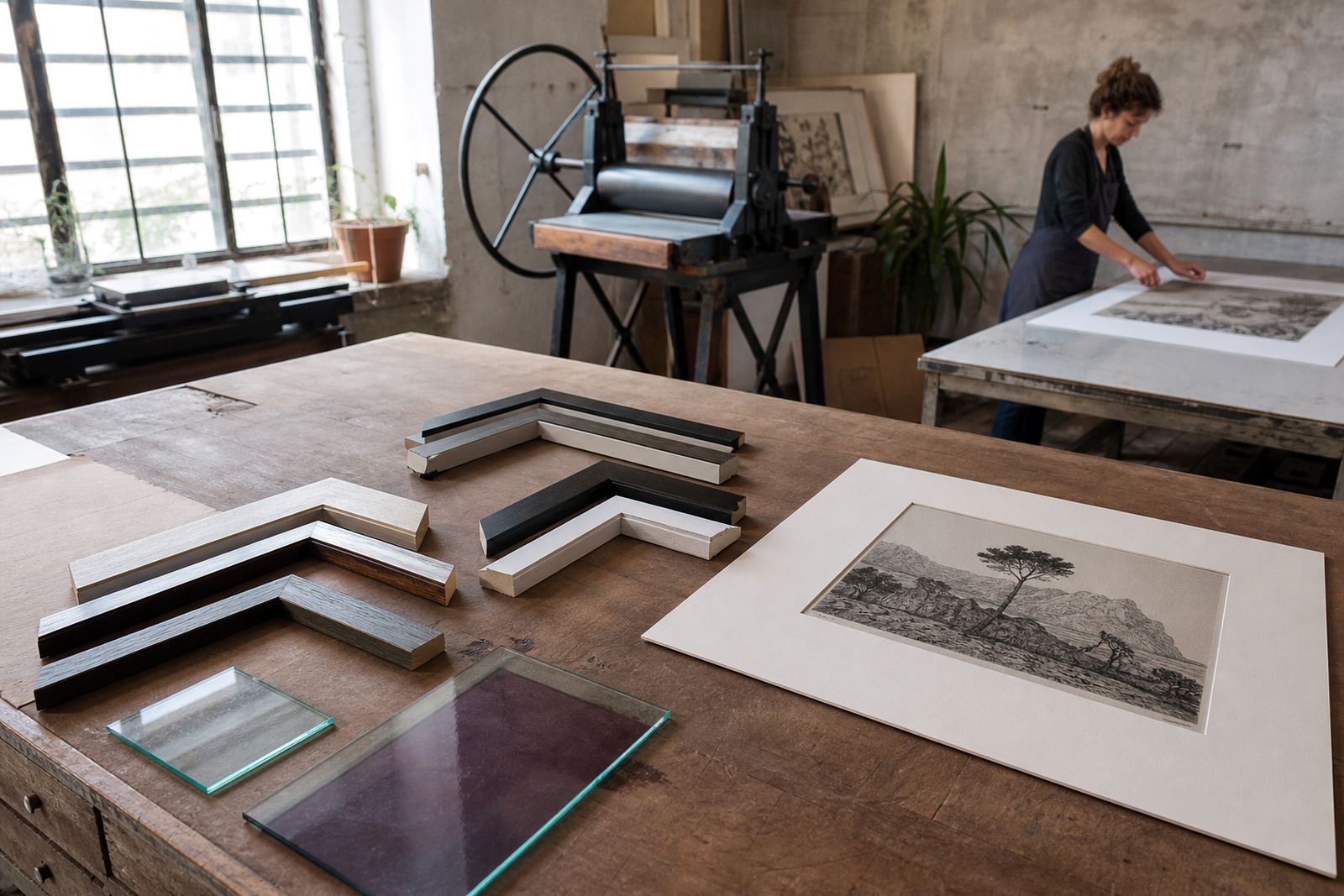
Why acid-free mounting and suitable window mats are important.

Framing For Preservation

Framing For Preservation

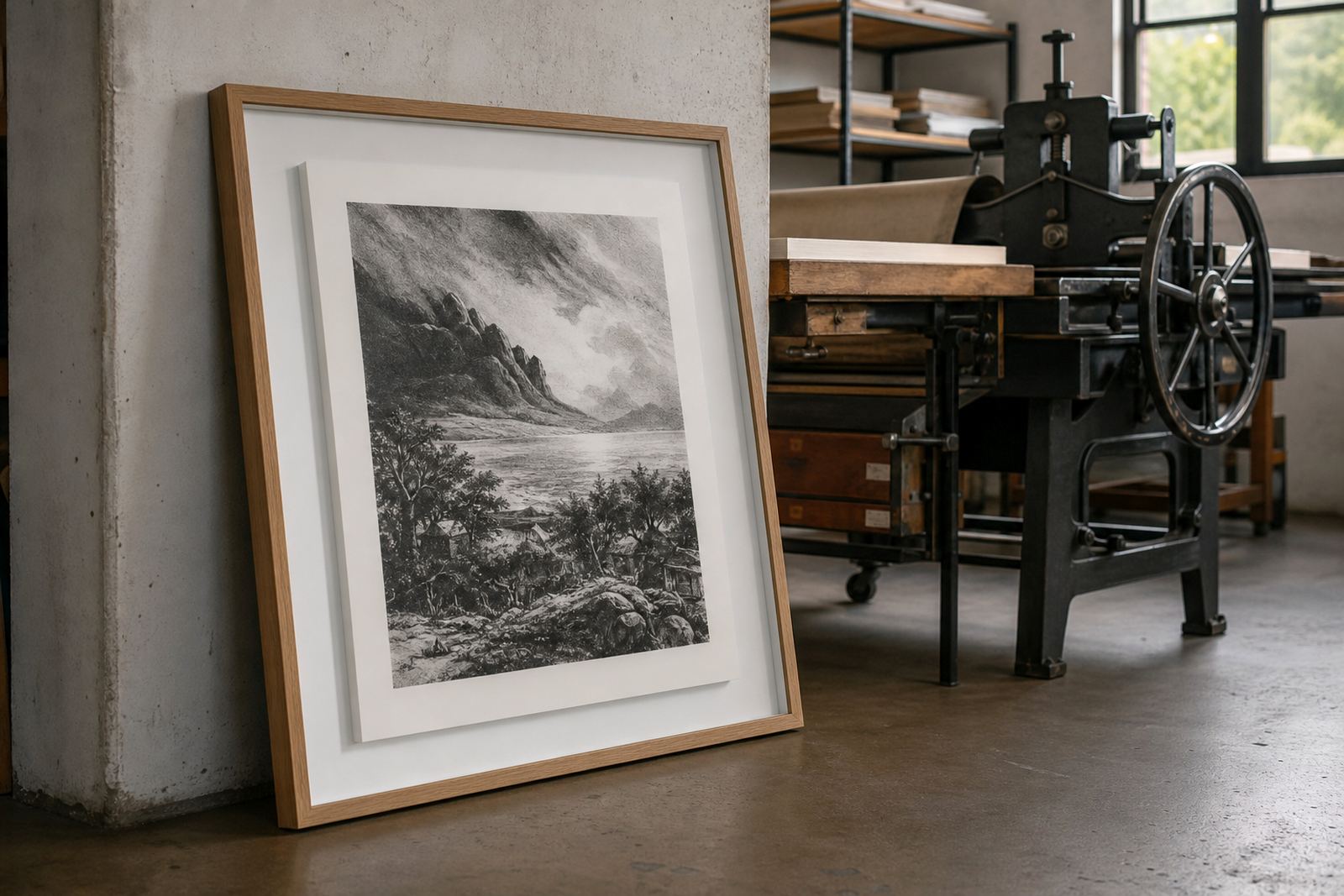
General framing choices that support the long-term care of prints.

Cleaning Glazing Safely

Cleaning Glazing Safely

How to clean frame glazing without risking the print inside.

When To Reframe

When To Reframe

Signs that an older frame or mount may need updating.

Understanding Proof Stages

Understanding Proof Stages

The role of trial proofs, state proofs and final approval.

Tusche Versus Crayon

Tusche Versus Crayon

How two classic drawing approaches create different visual qualities.

Why Registration Matters

Why Registration Matters

A practical look at alignment in layered colour printmaking.

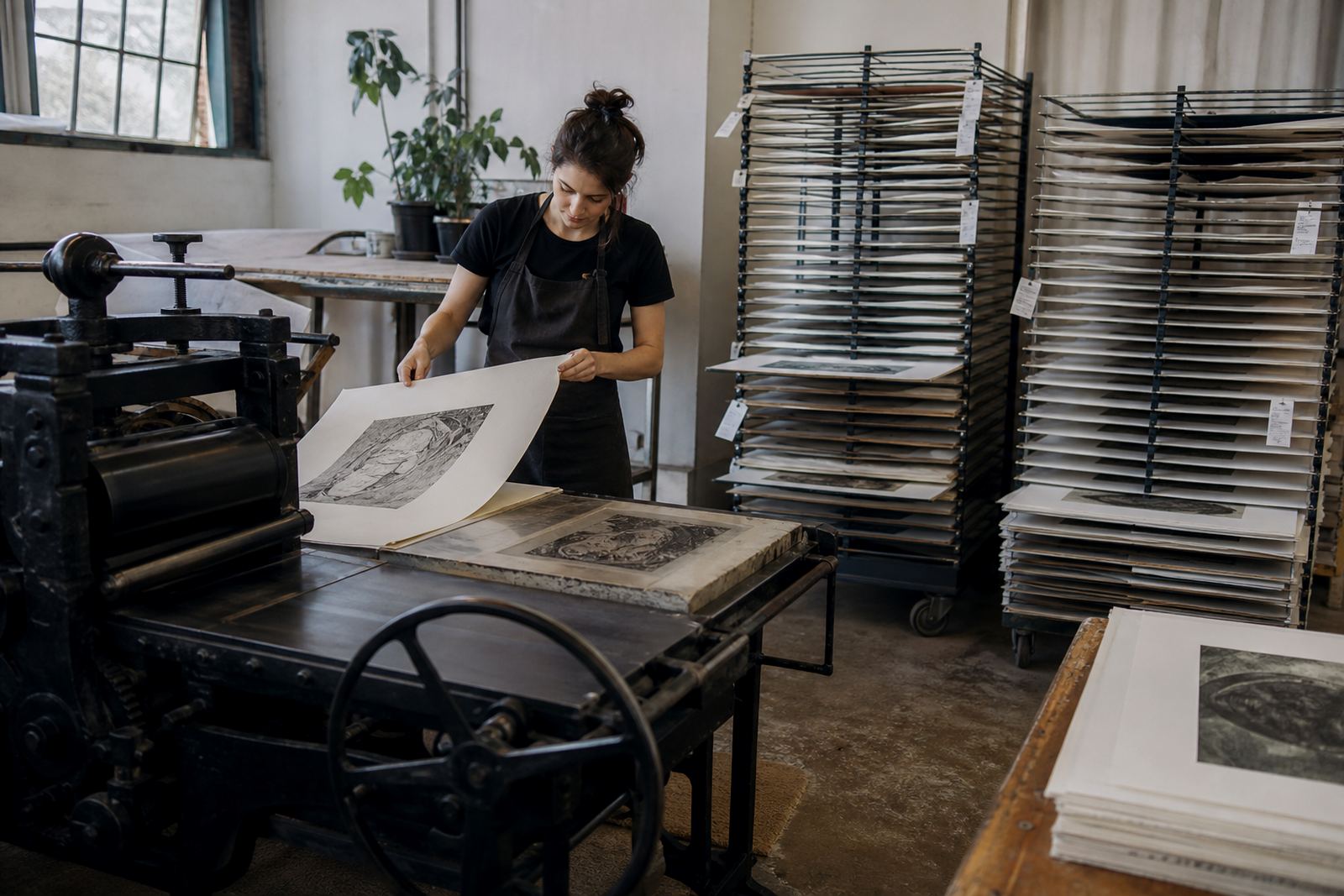
Inside A Print Run

Inside A Print Run

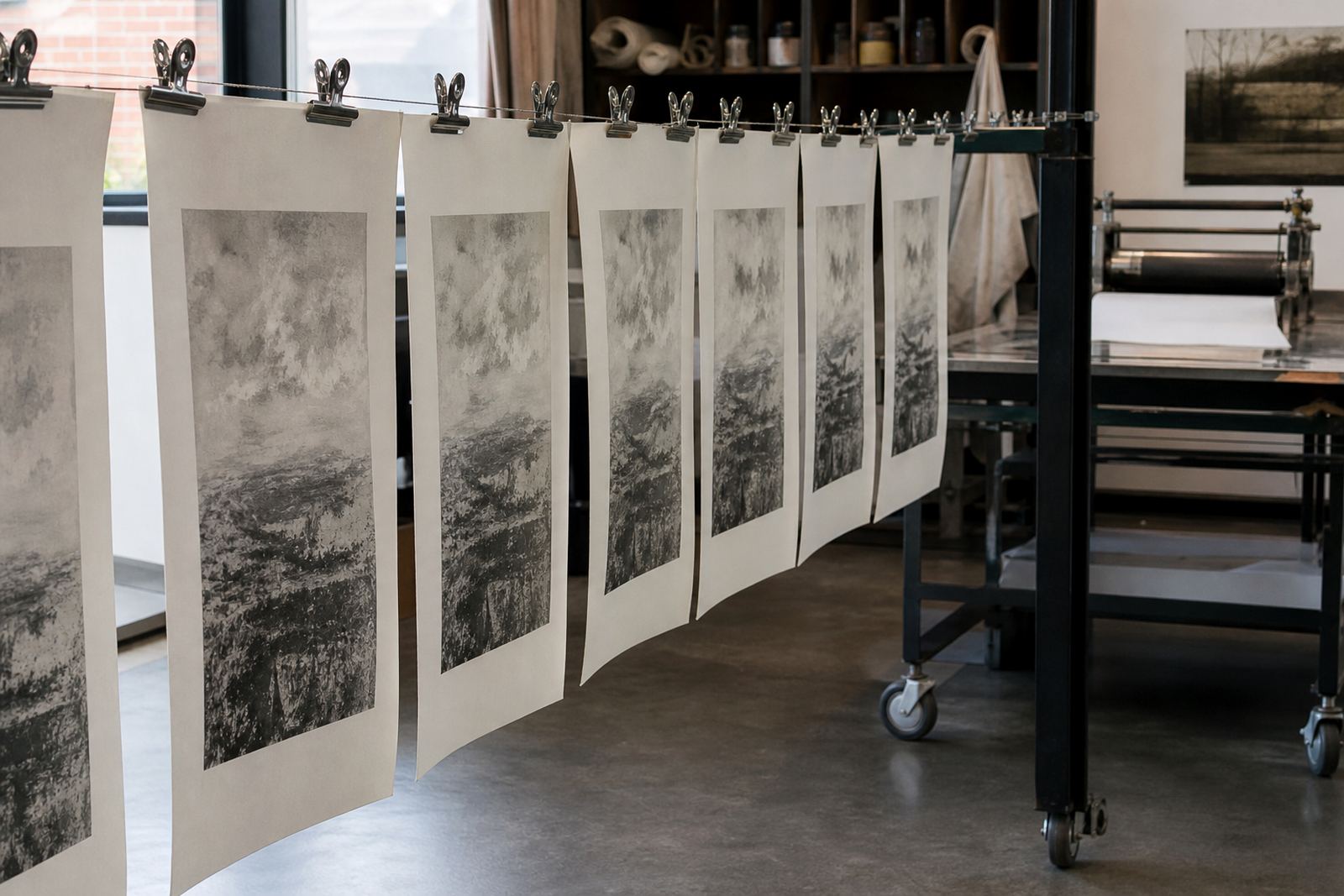
What happens from approved proof to completed limited edition.

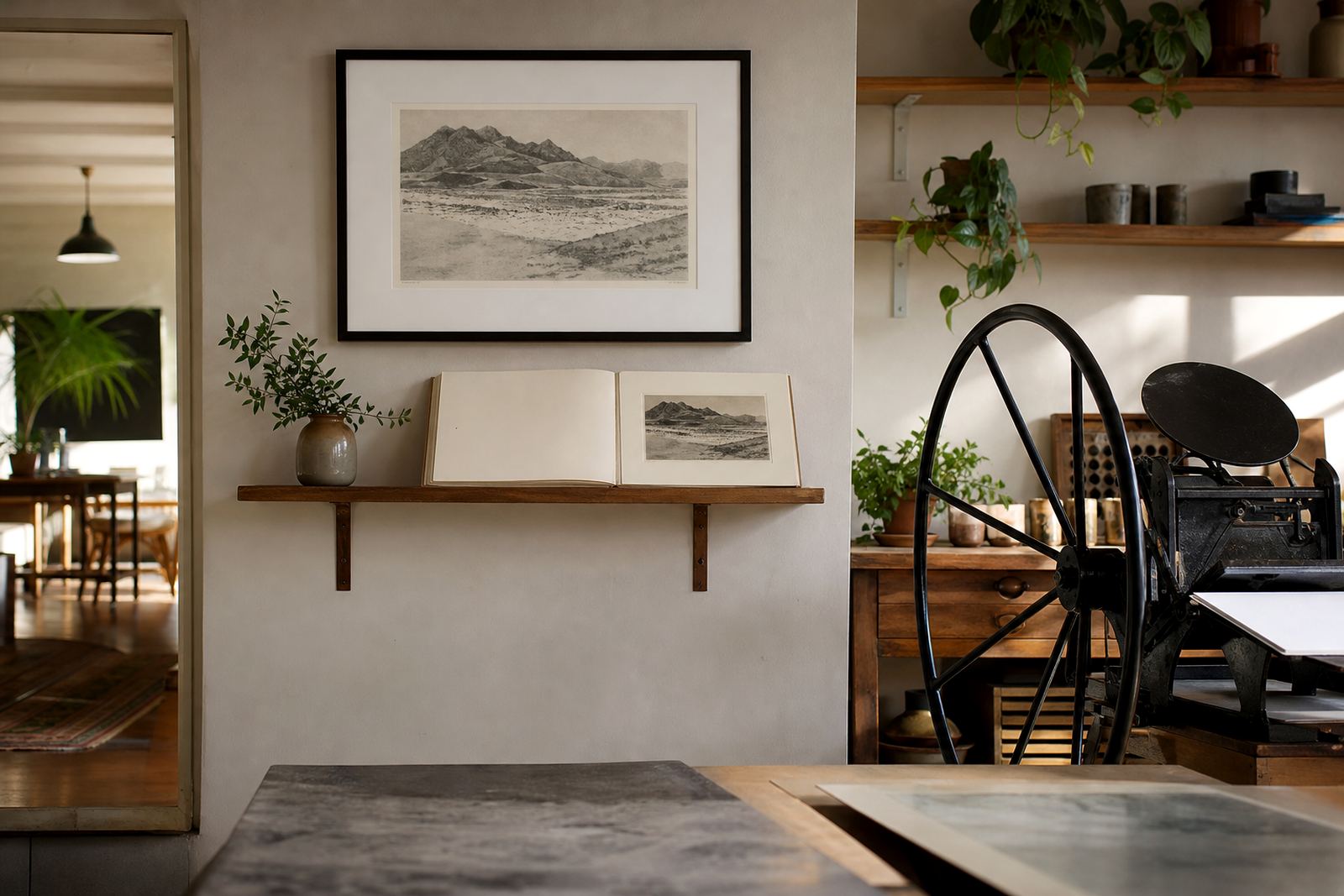
Studio Etiquette For Visits

Studio Etiquette For Visits

What visitors can expect in a working fine-art print studio.

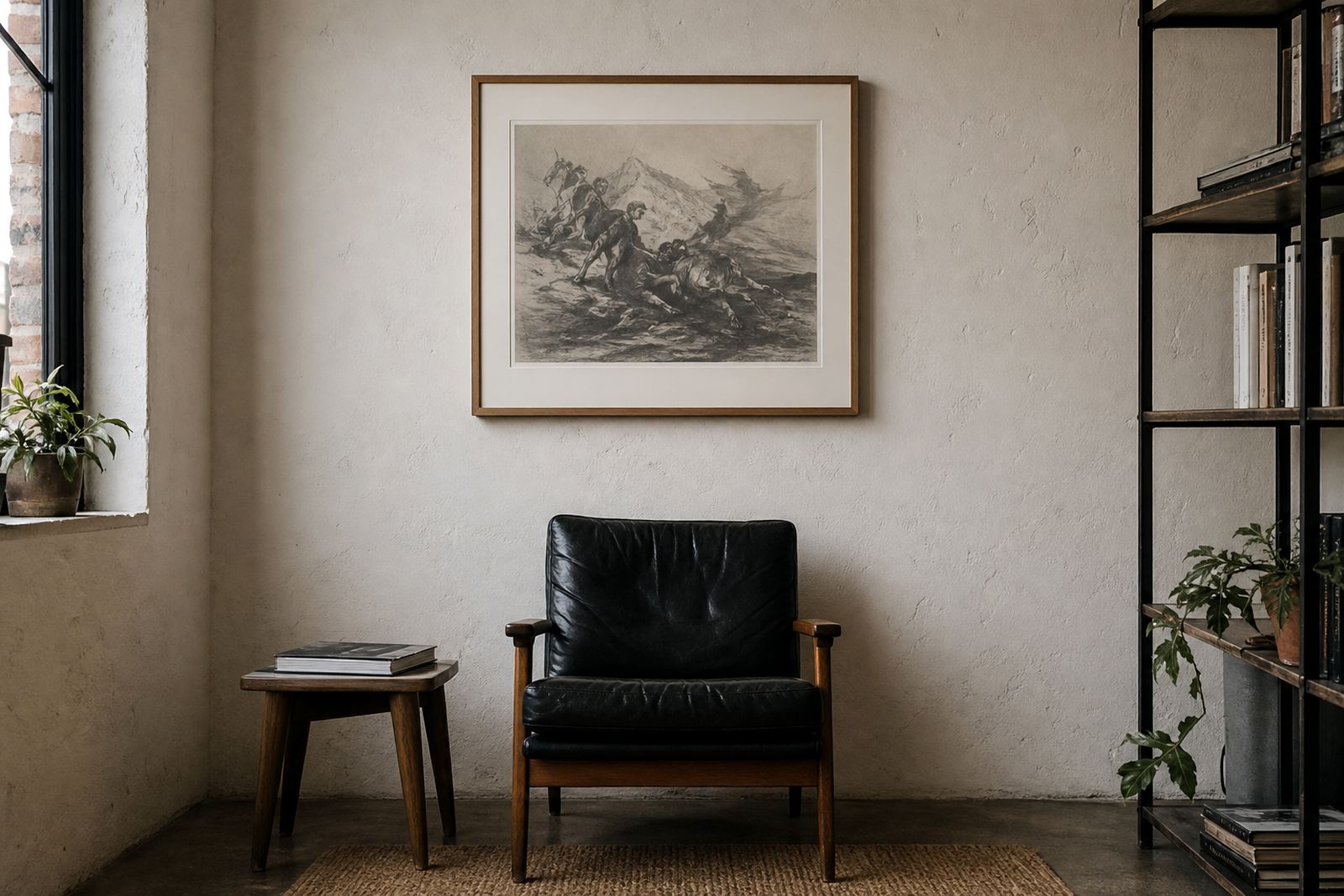
Choosing Wall Placement

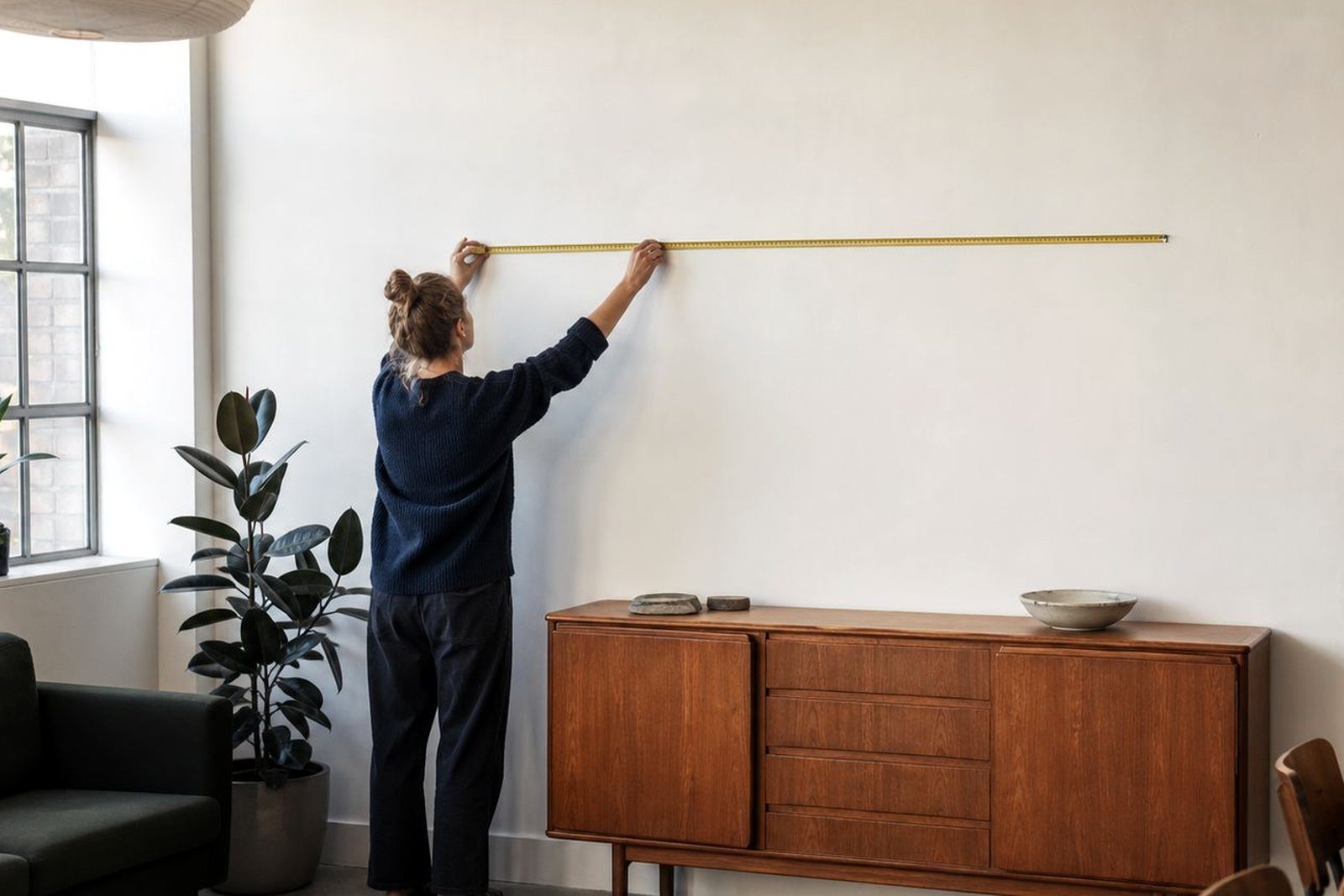
Choosing Wall Placement

Tips for selecting suitable rooms and hanging positions for paper art.

Grouping Prints At Home

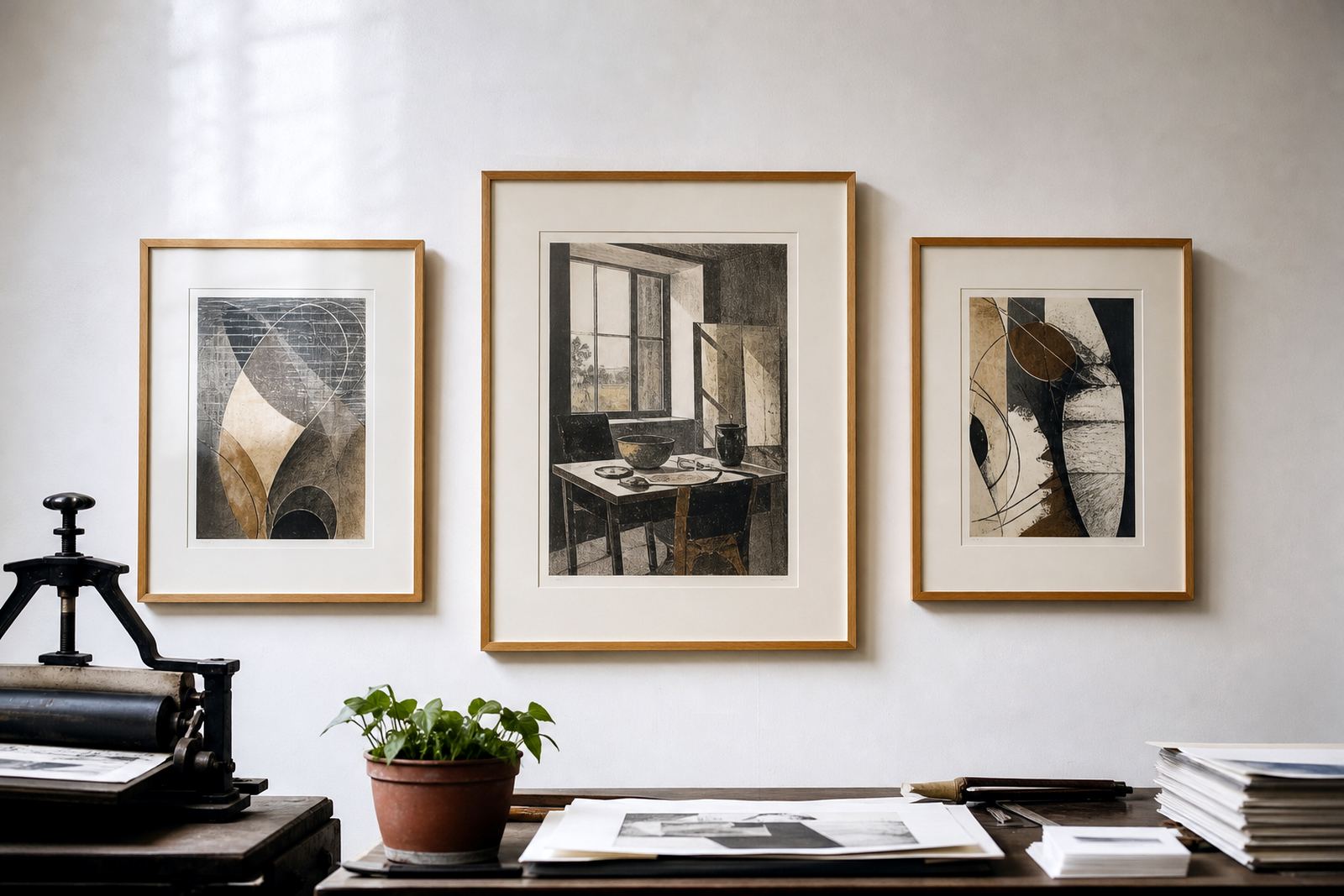
Grouping Prints At Home

Ways to arrange multiple lithographs harmoniously in one space.

Rotating Your Collection

Rotating Your Collection

Why rotating displayed works can help with enjoyment and care.

Documenting Your Prints

Documenting Your Prints

Keeping records of titles, editions, dates and framing details.

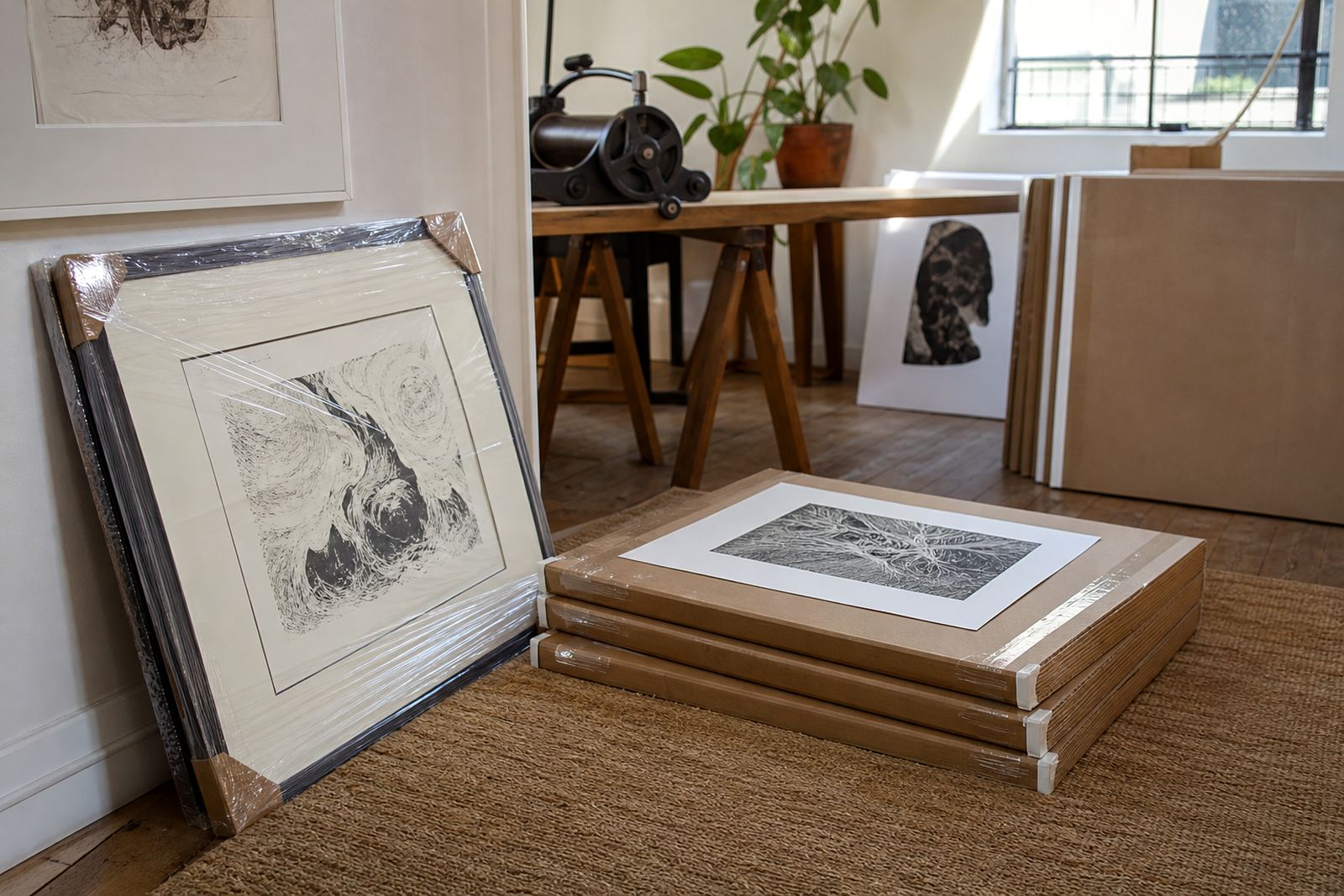
Packing Prints For Moving

Packing Prints For Moving

General care steps for relocating framed and unframed lithographs.

Why Craftsmanship Matters

Why Craftsmanship Matters

How careful studio practice shapes the quality of a finished lithograph.

Stone Lithography In South Africa

Stone Lithography In South Africa

A broad look at interest in fine-art lithography among South African audiences.

Collecting For Small Spaces

Collecting For Small Spaces

How to choose and display lithographs in compact homes and flats.

What stone lithography means in practice

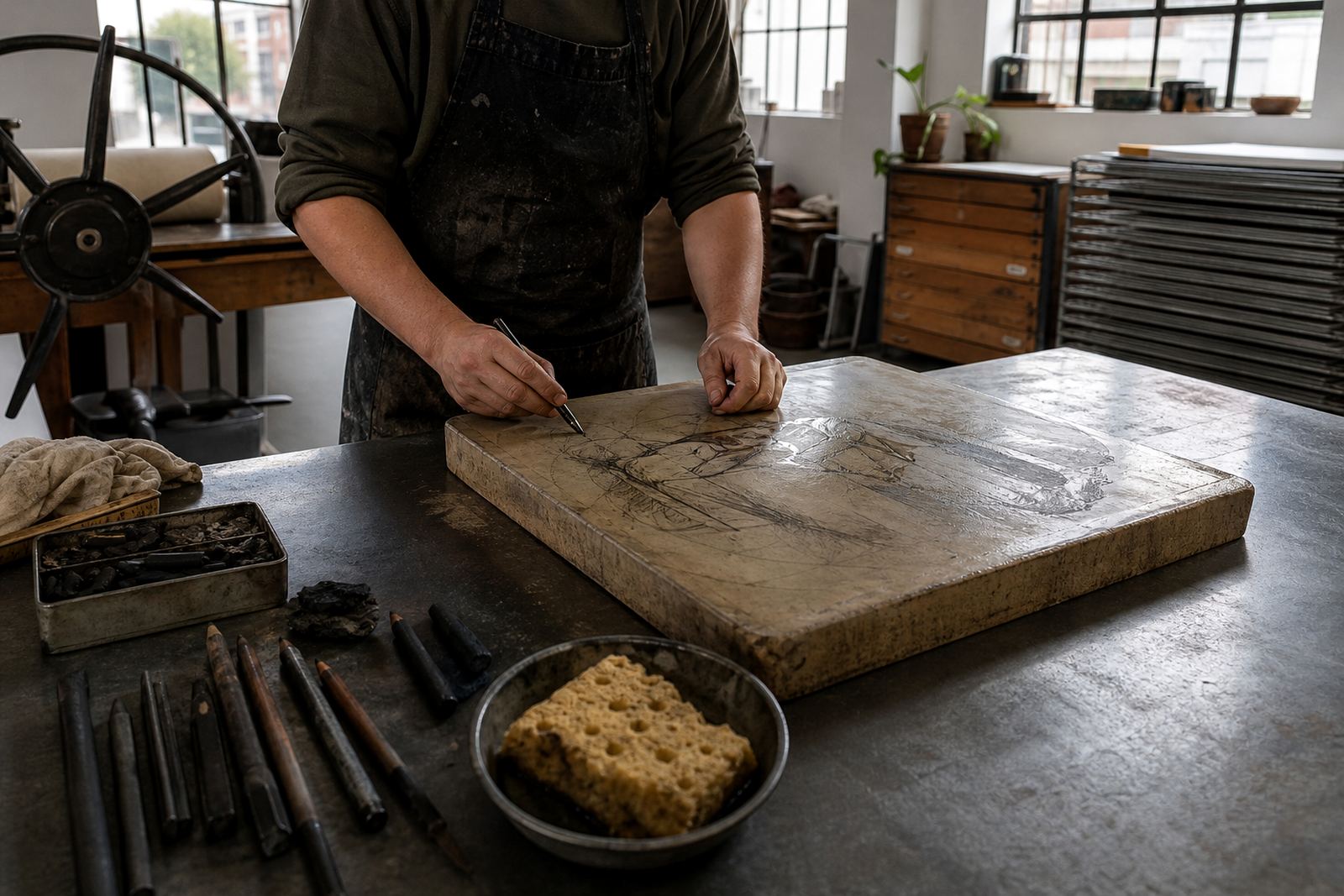
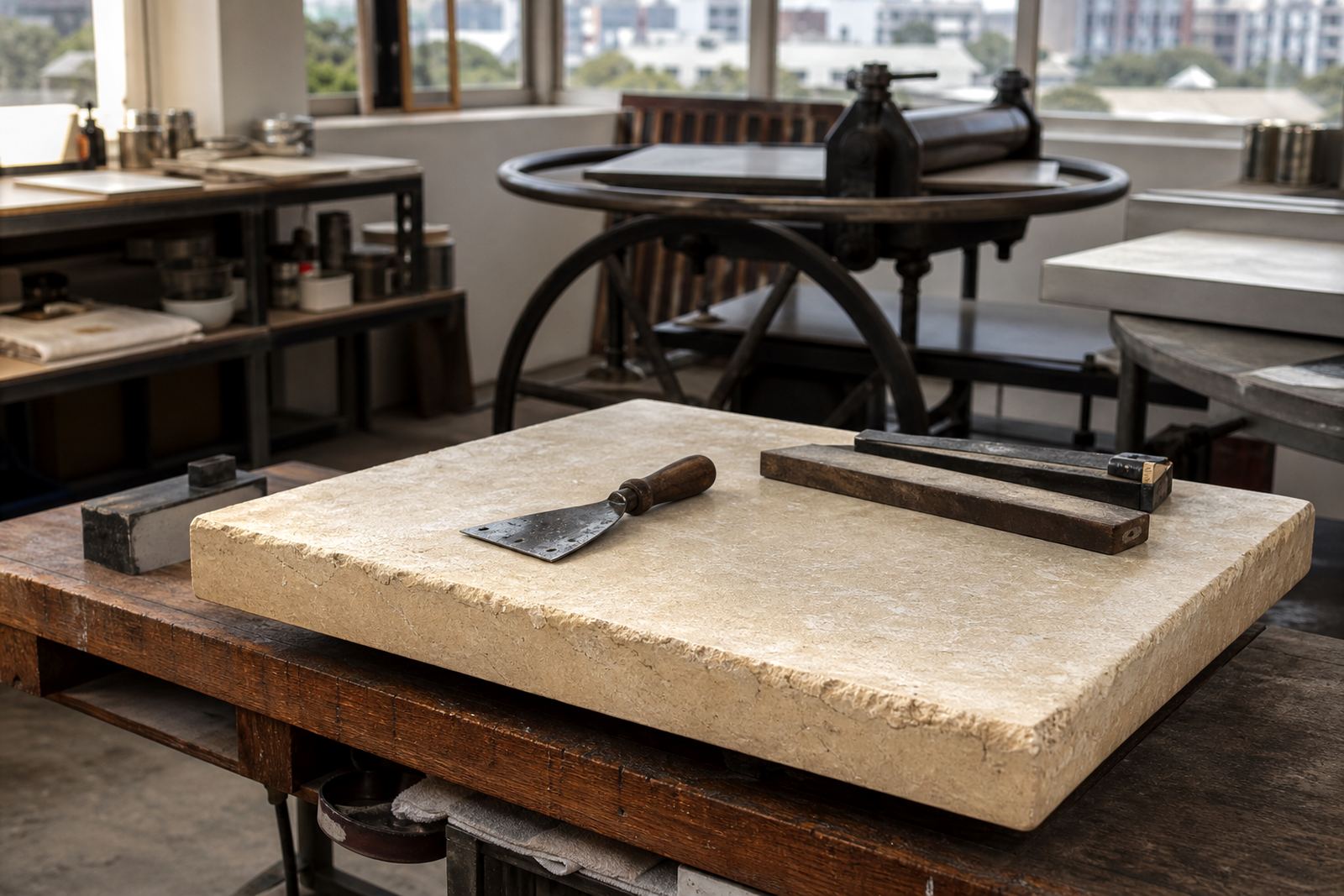
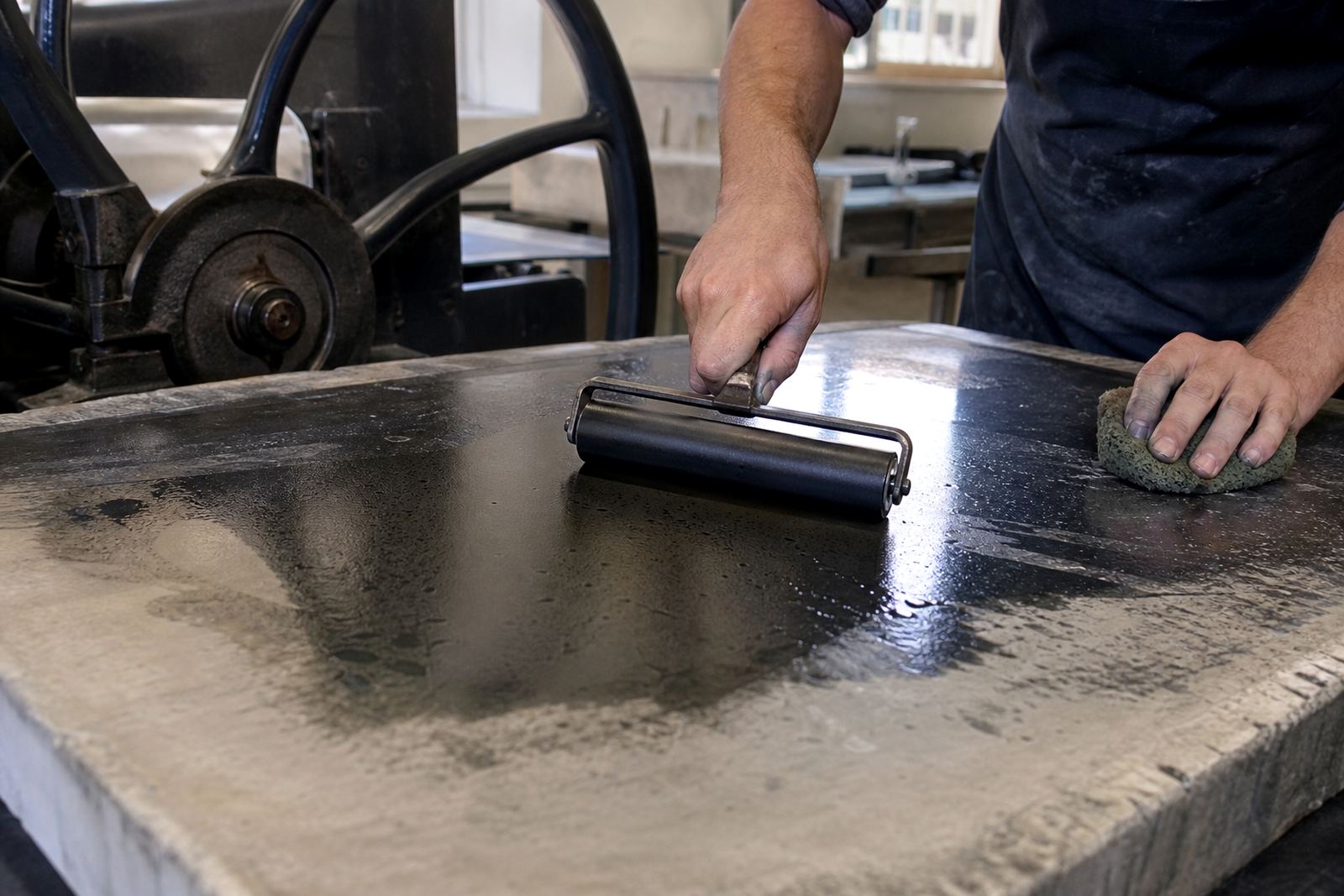
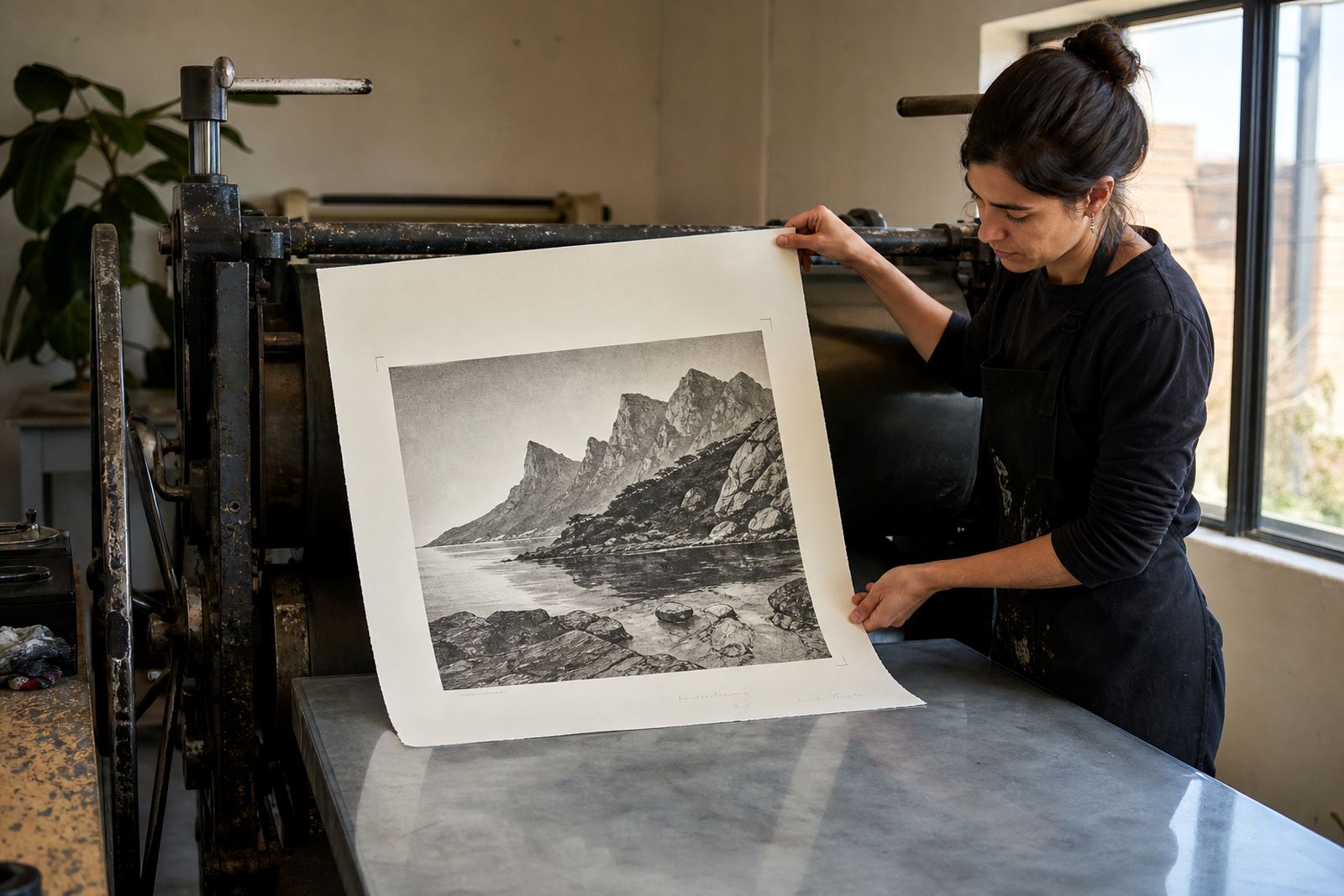
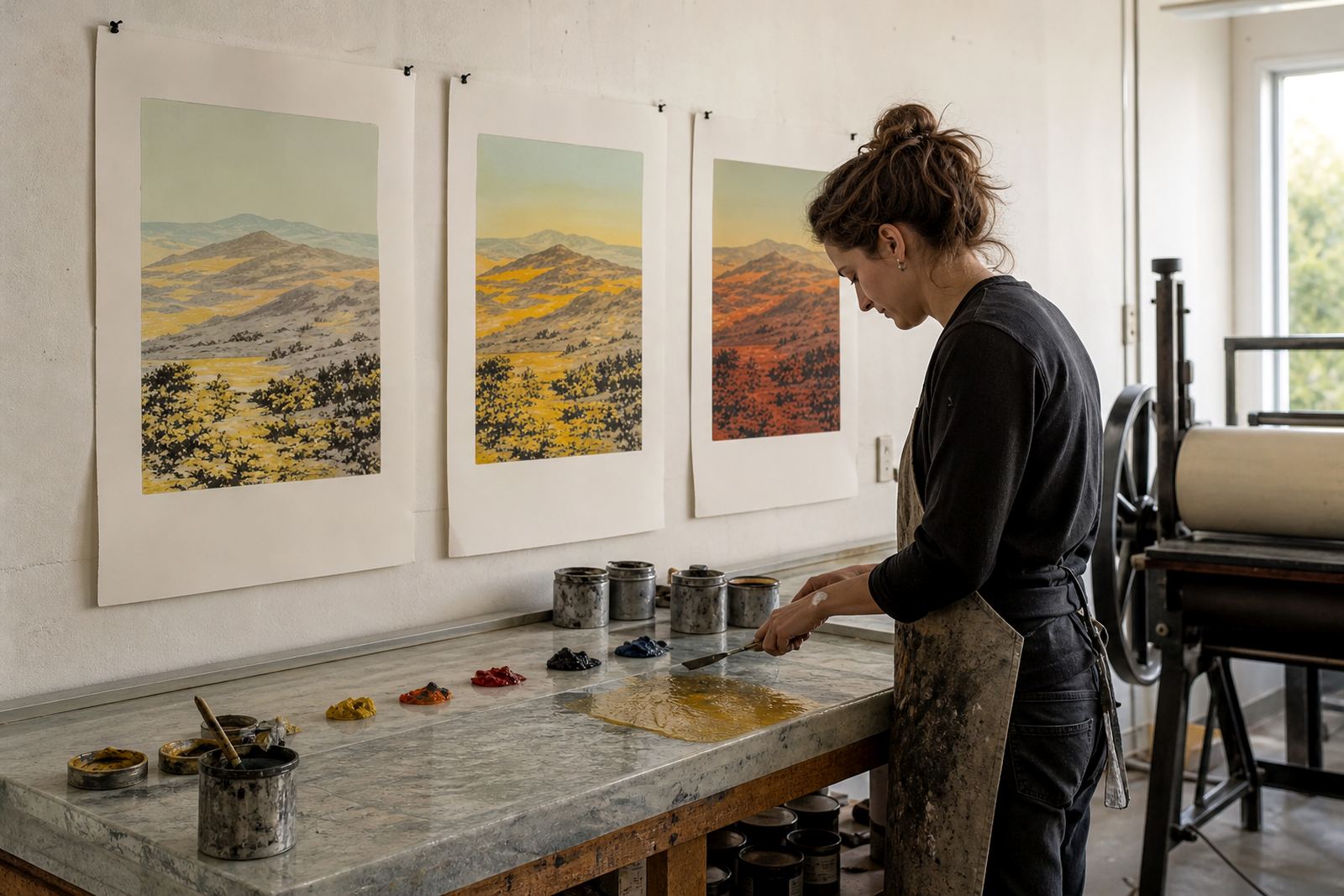
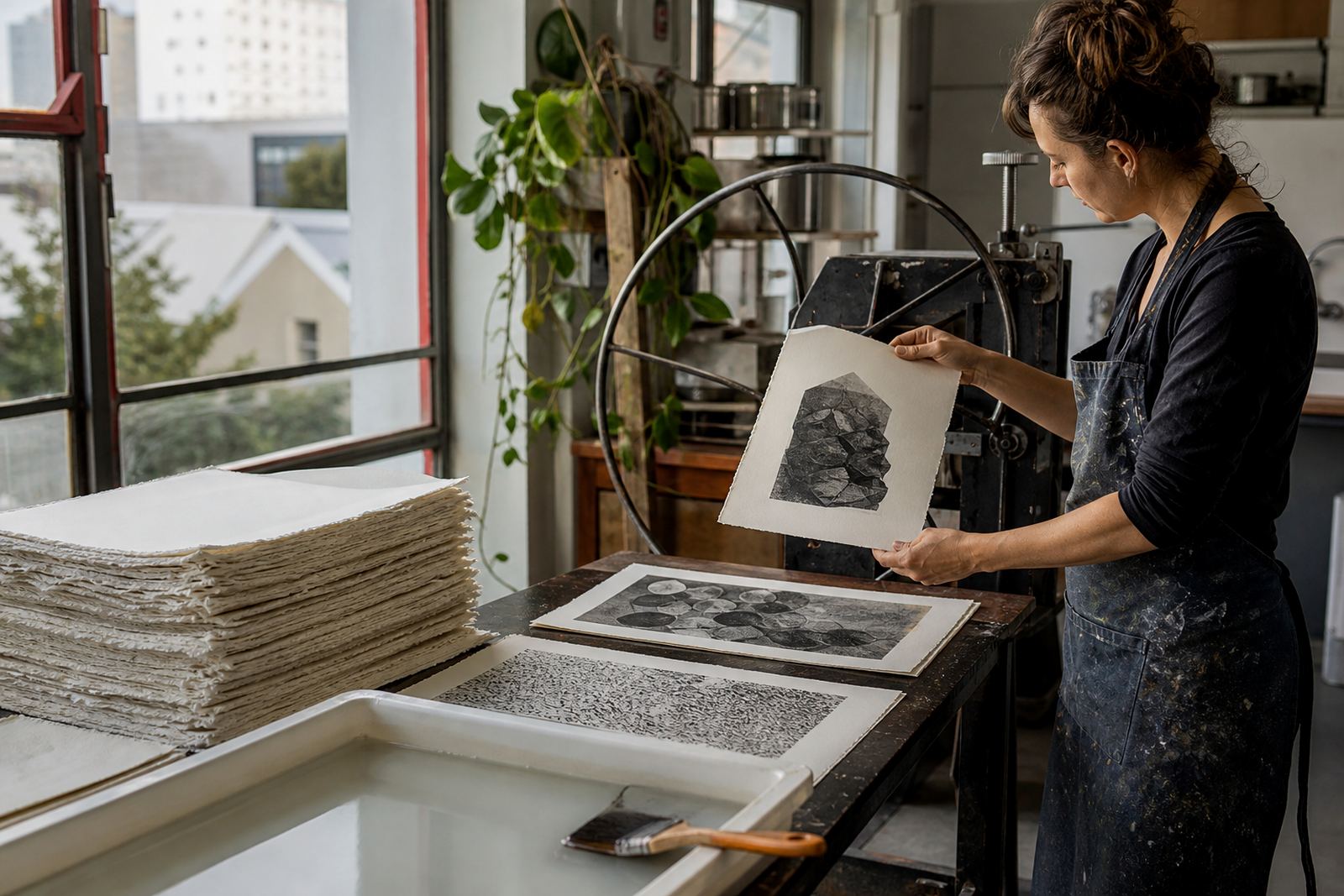
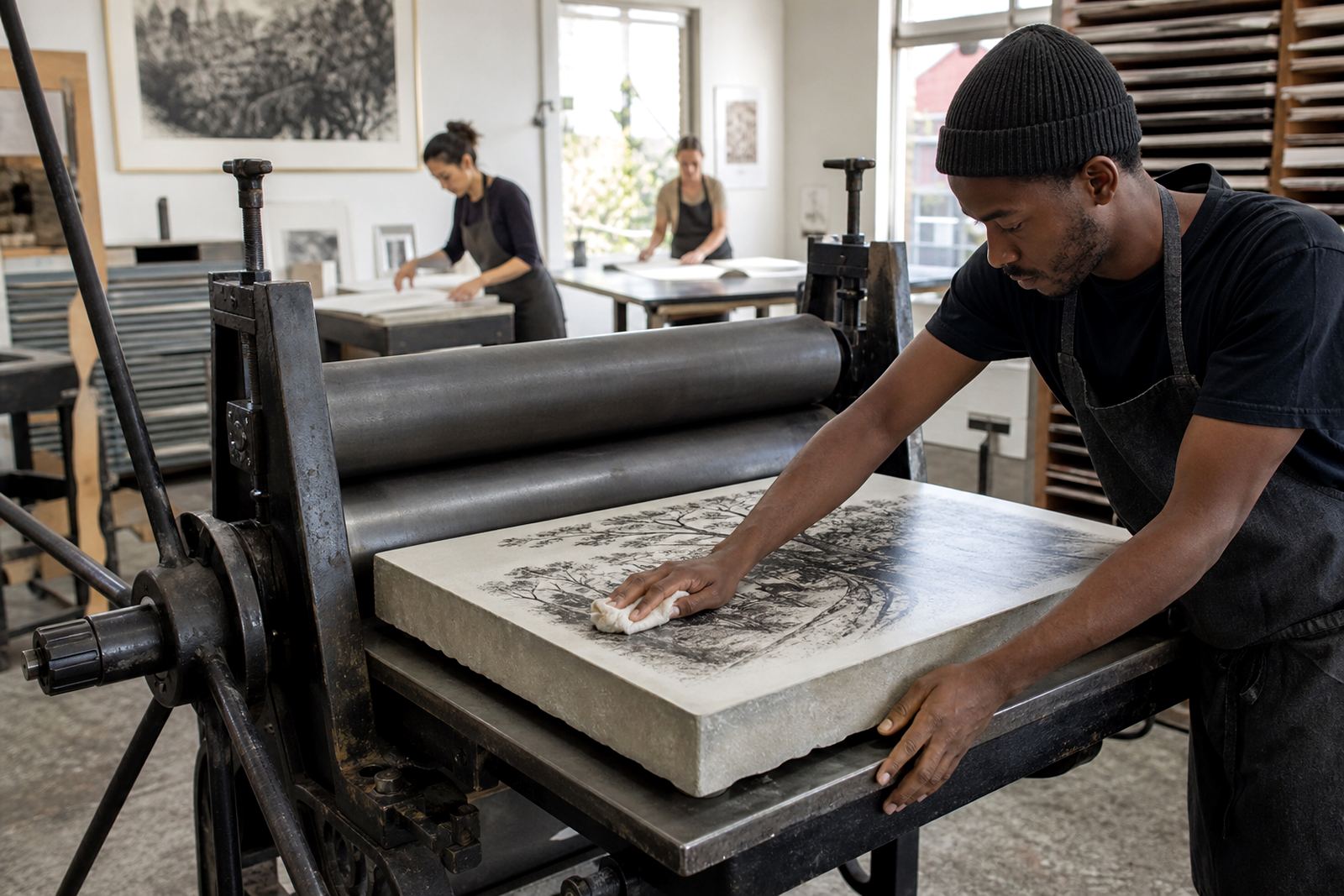
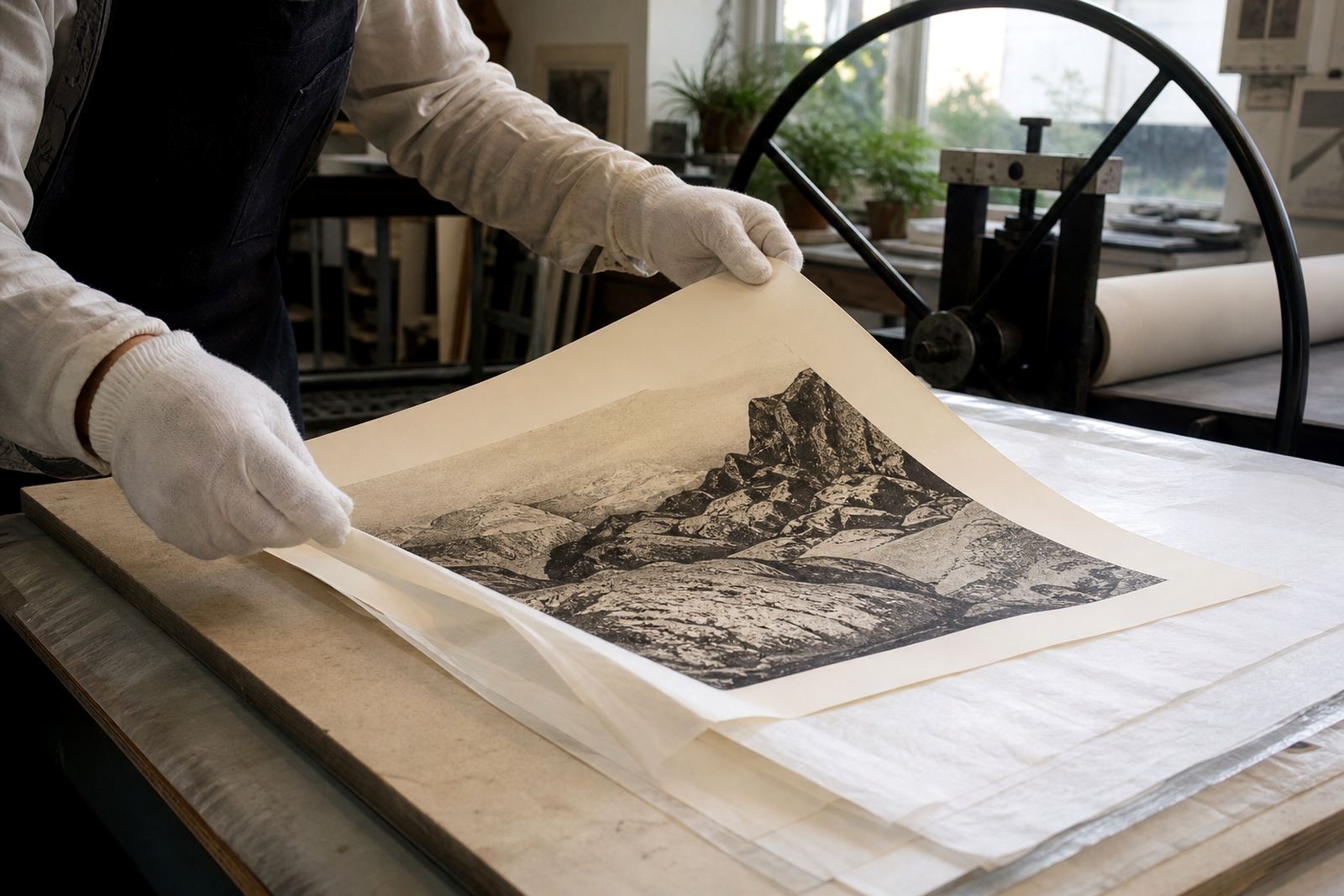
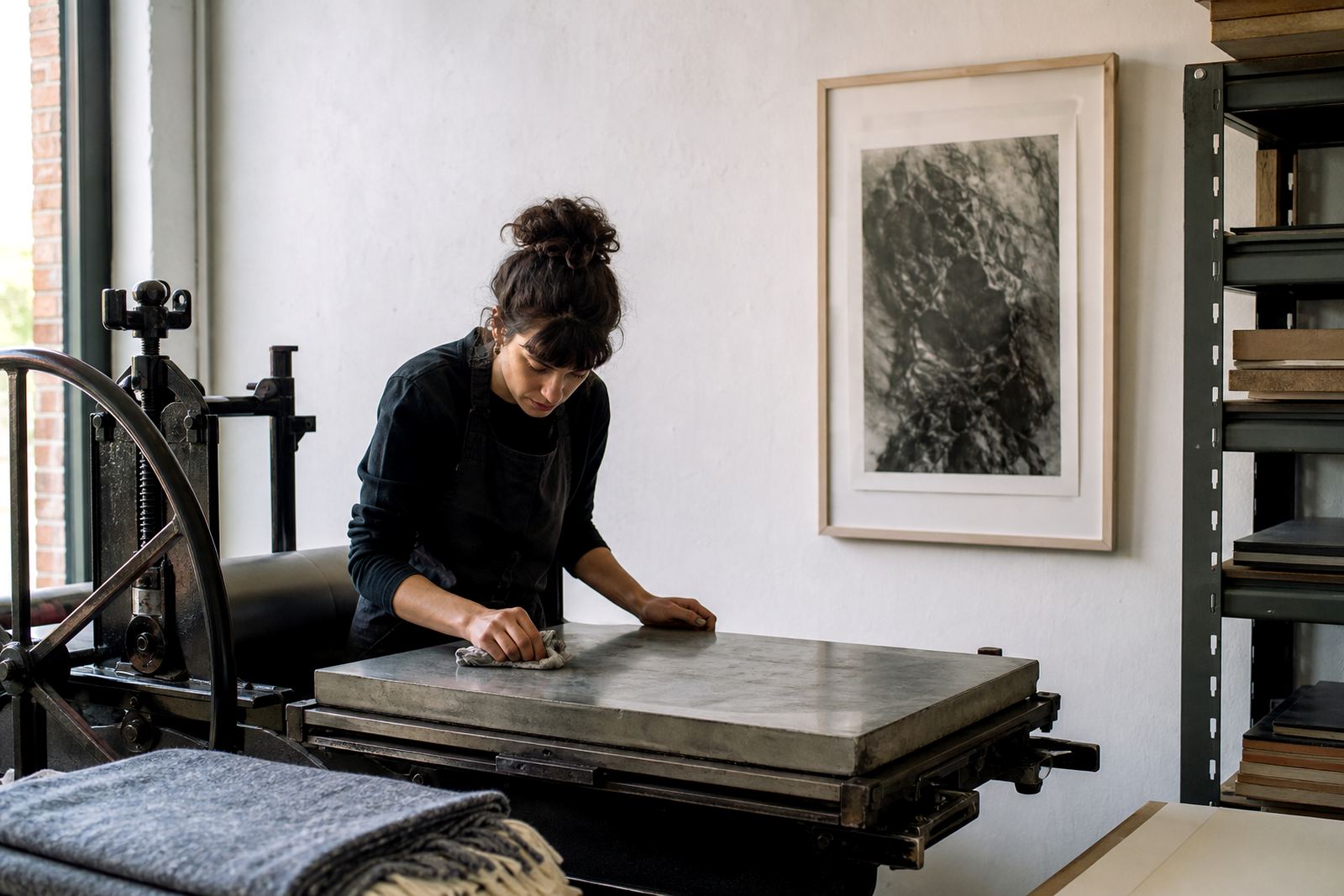
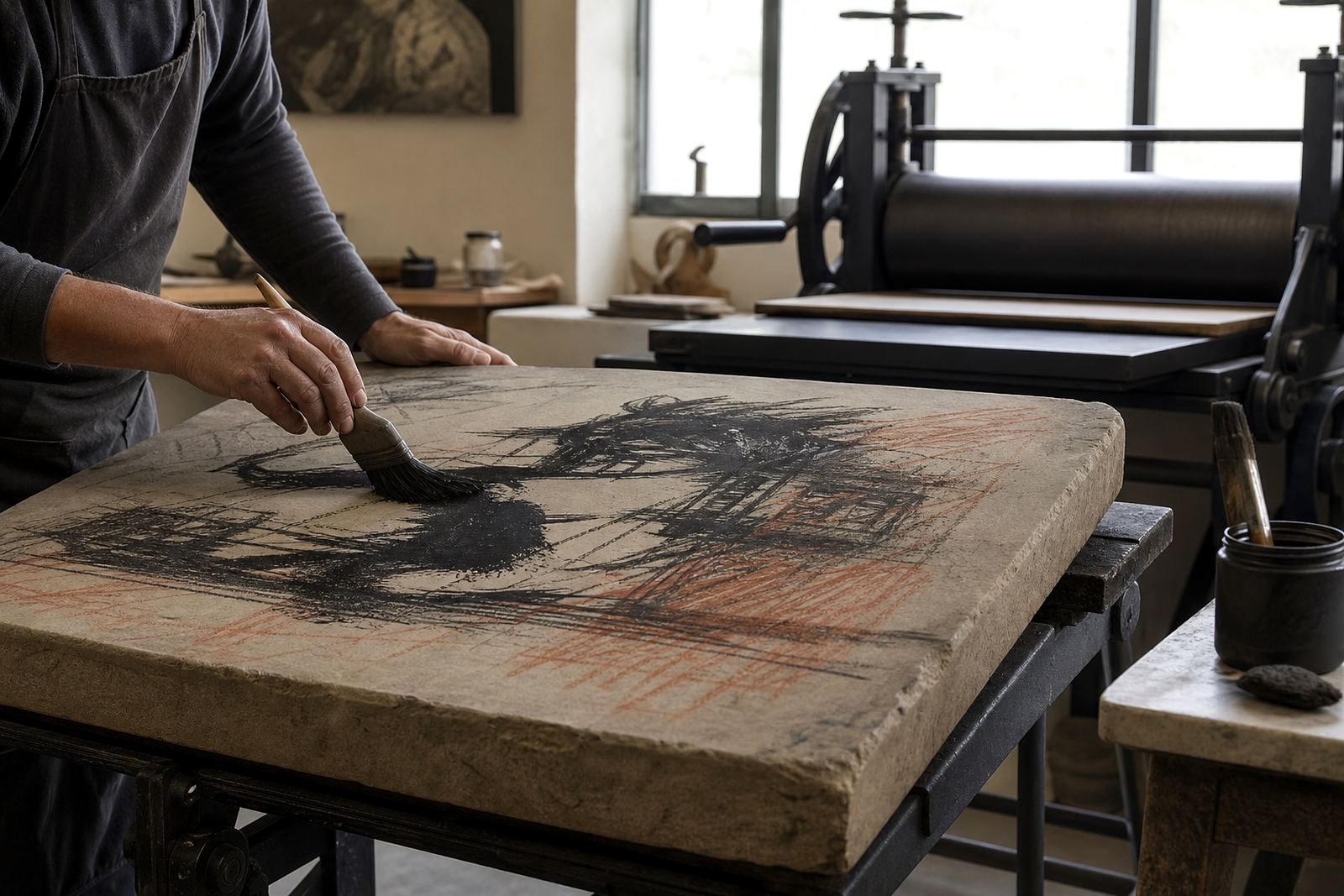
The process starts with a smooth limestone surface, quarried and prepared for drawing as part of this planographic printmaking method. The artist works directly on the stone with greasy materials, then the image is treated so that ink accepts the drawn marks and water holds back the non-image areas. Each colour is printed separately, so a finished work may pass through the press many times before it is complete.

For South African collectors, this matters because stone lithographs often show a particular softness in line and a depth of colour that is hard to confuse with digital reproduction.

How to read a limited edition print

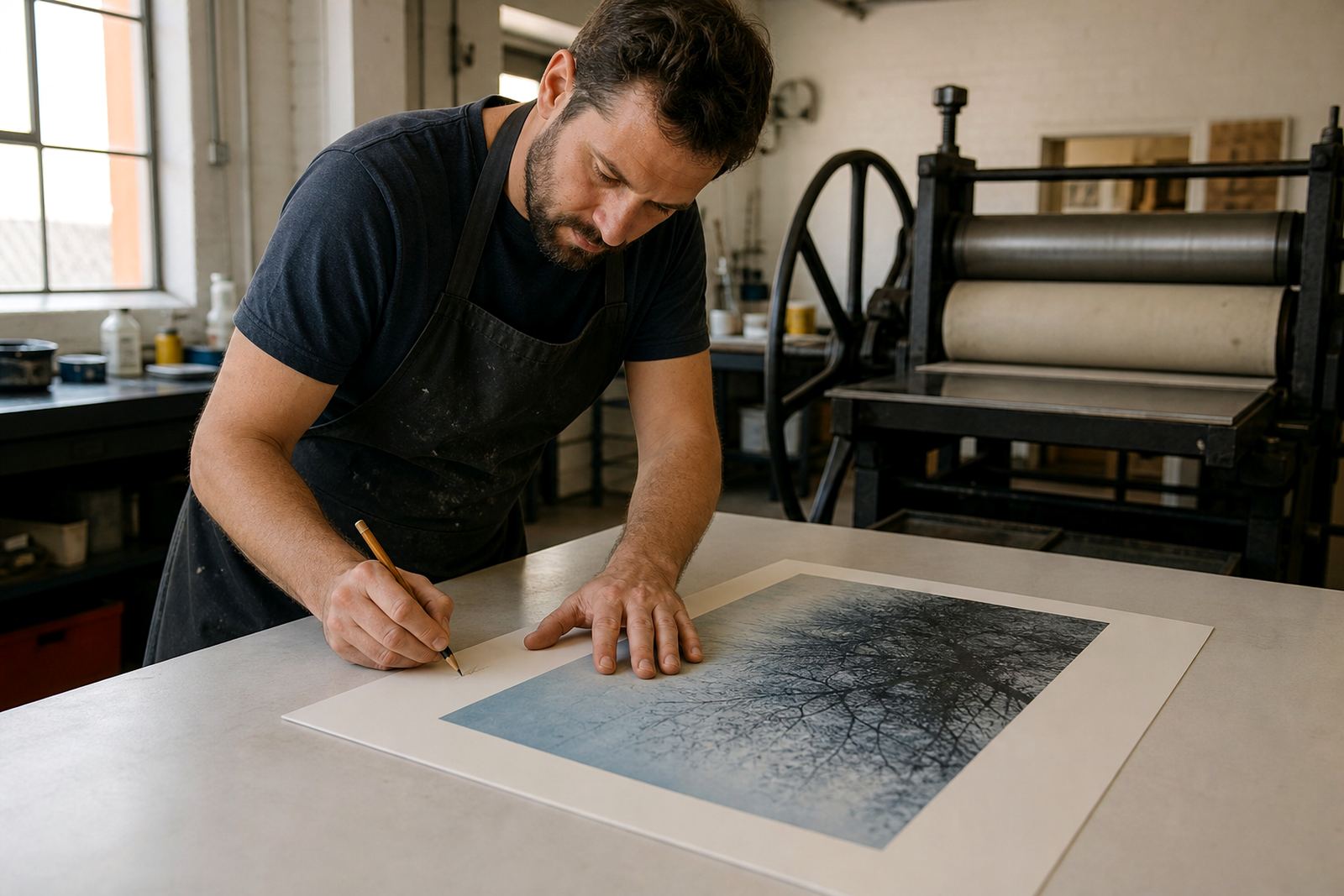
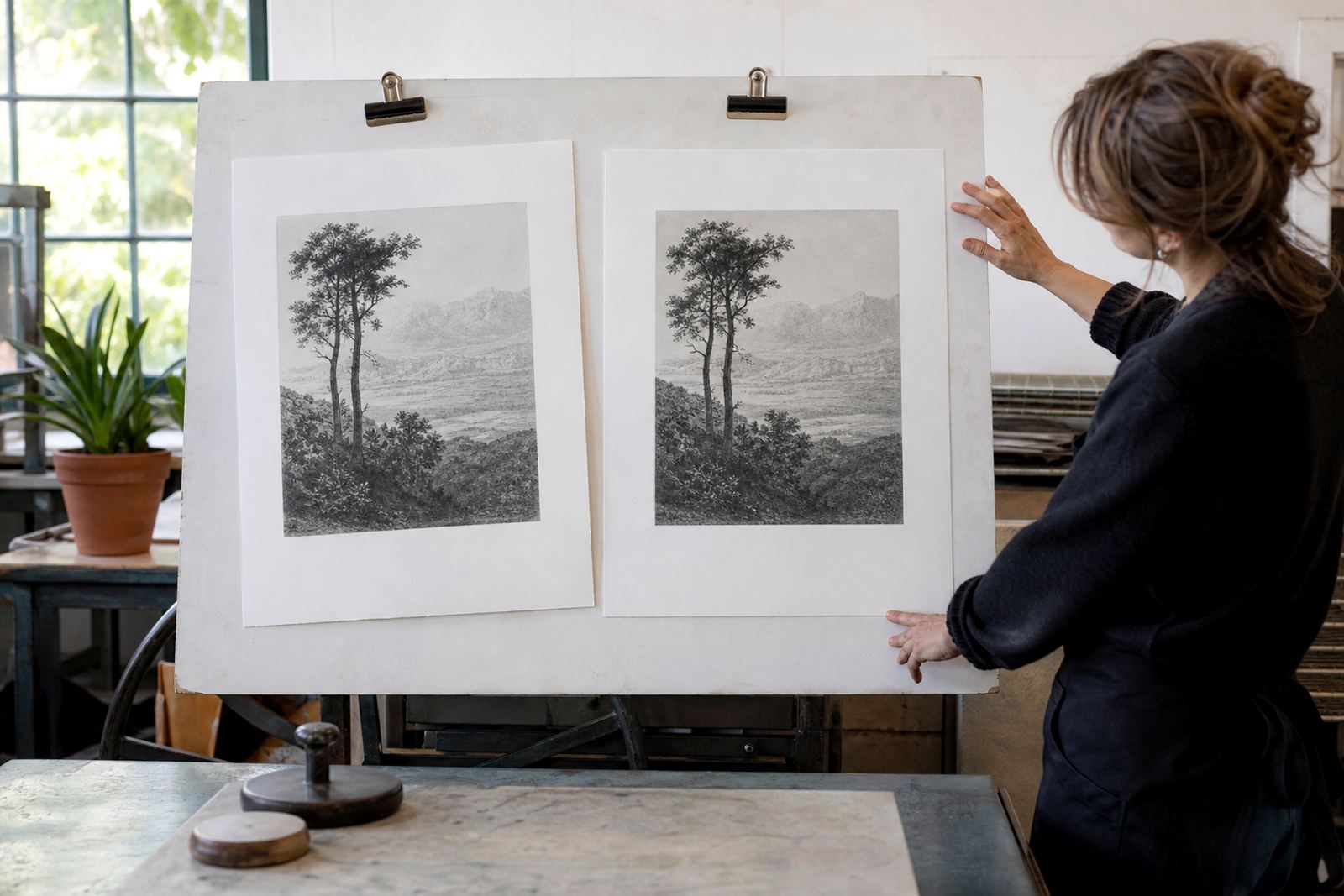
Editioning tells you how many impressions were planned and what stage a print represents within that group. A limited edition is not just about scarcity. It is about a clearly controlled run, consistent materials and proper signing and numbering so each impression can be traced back to the edition.

  • Check the edition number and whether the print is part of the main edition, an artist proof or a trial proof.
  • Look at the paper deckle, margins and any blind embossing if present.
  • Ask how the colours were separated and whether the print was pulled from one stone or several.
  • Request notes on paper type, ink, and any later framing or conservation advice.

If you are comparing works, the most important question is not only what you like visually, but whether the edition details are clear and consistent.

Choosing a print for your home or collection

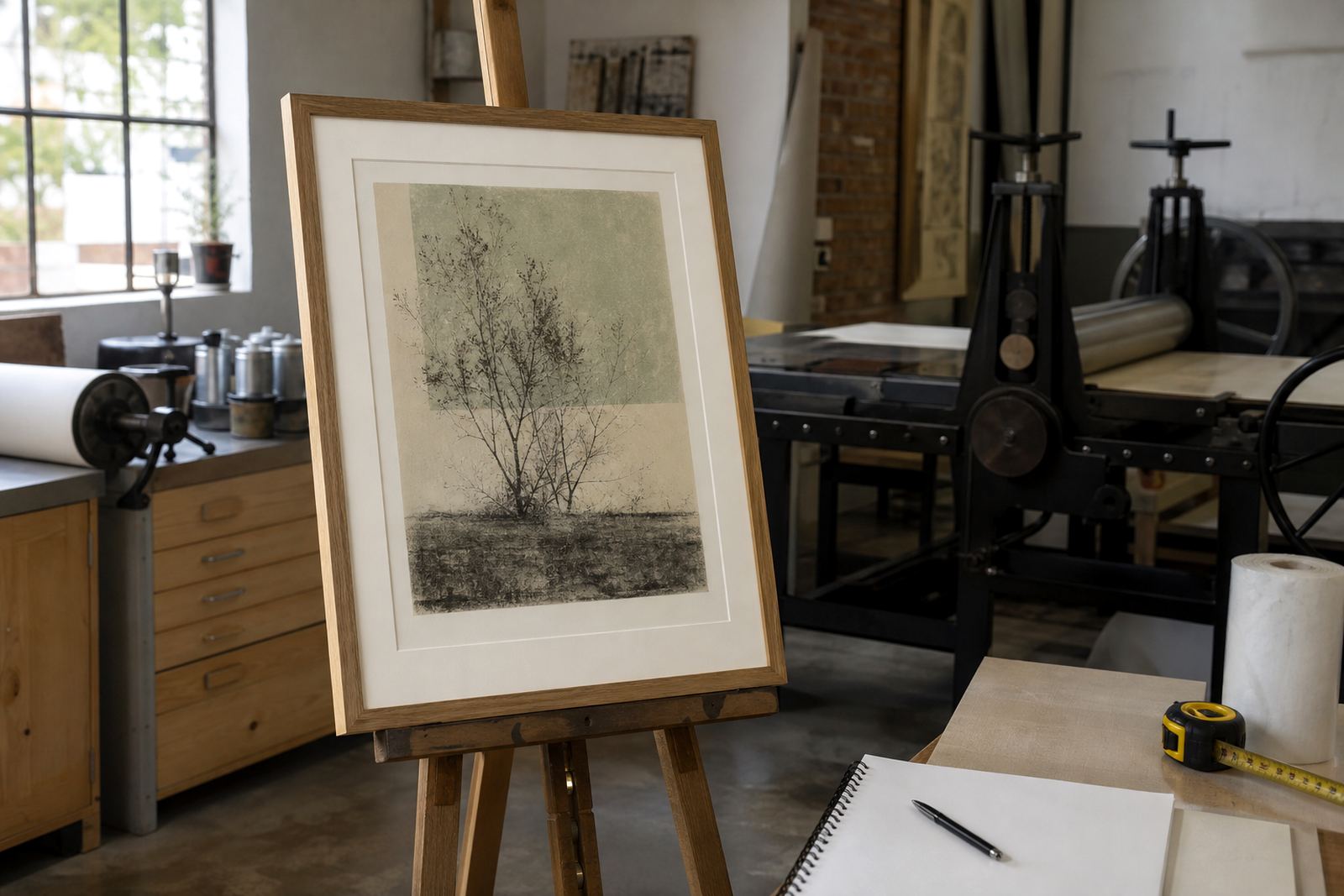
Different buyers look for different things. A first-time collector may want a smaller print that is easy to frame and place in a flat or townhouse, while a seasoned collector may focus on subject matter, edition size and the hand of the artist. In Johannesburg, Pretoria or Durban, the light and wall space in a room can change how a print reads so it helps to think about placement before you buy.

When choosing, it is useful to ask a few simple questions:

  • Does the print suit a living area, passage, study or bedroom?
  • Will the paper size fit standard framing or need a custom mount?
  • Is the colour palette strong enough for your wall light and interior finishes?
  • Do you want a single statement work or a piece that sits with others over time?

Collectors in Stellenbosch, Sea Point and Newlands often come back to the same point: the best choice is the one you will live with well, not the one that simply looks impressive on first sight.

Caring for prints in South African conditions

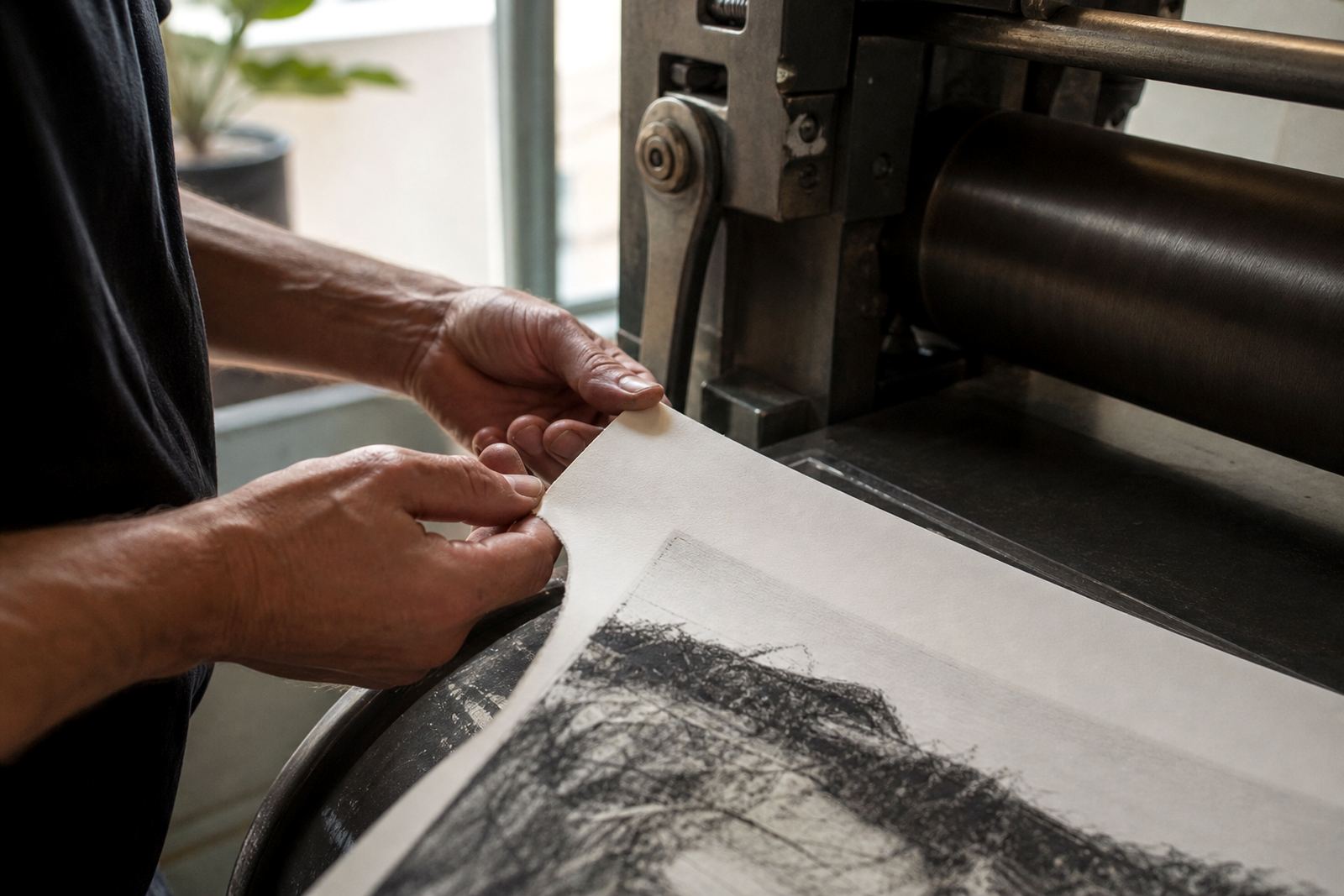
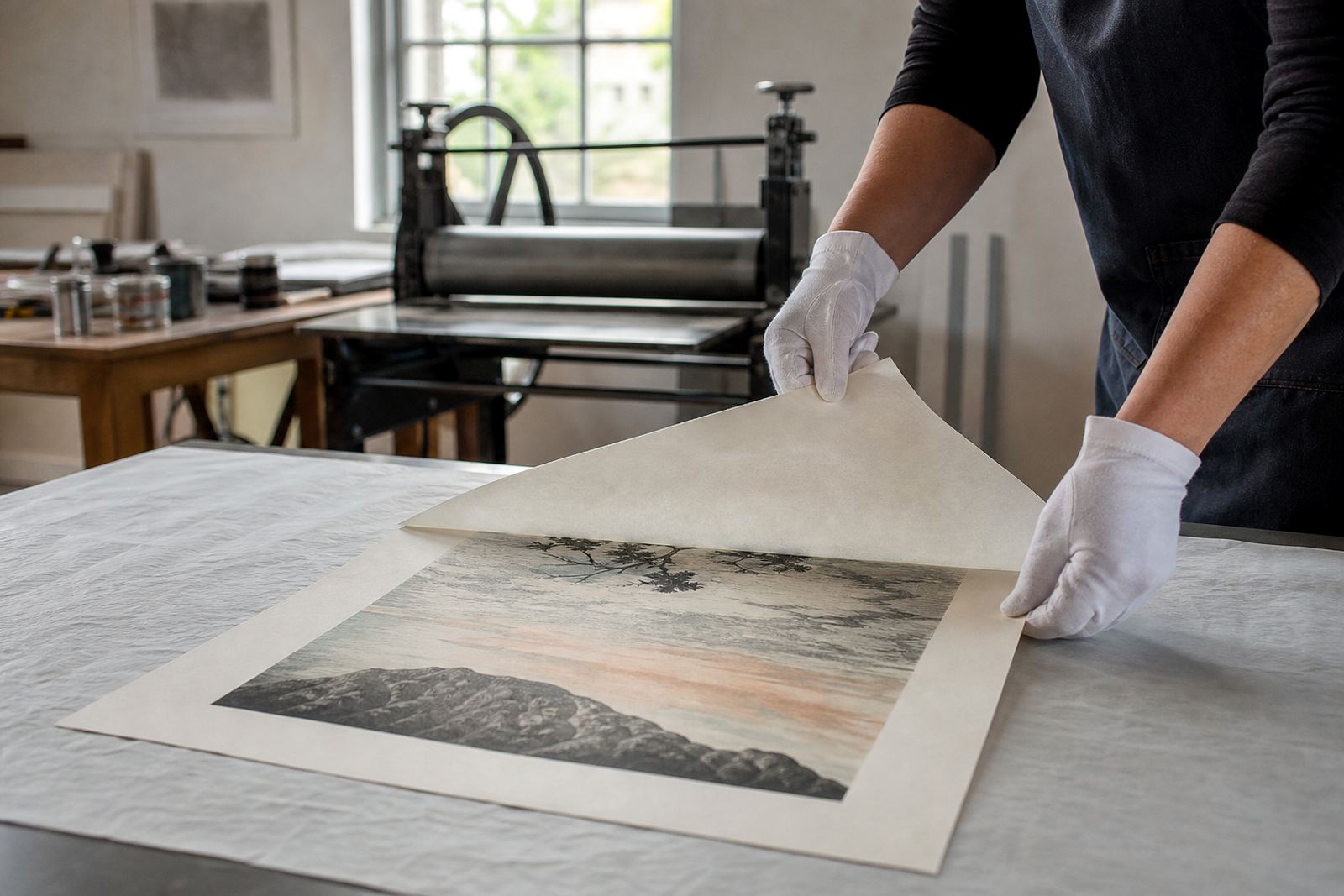
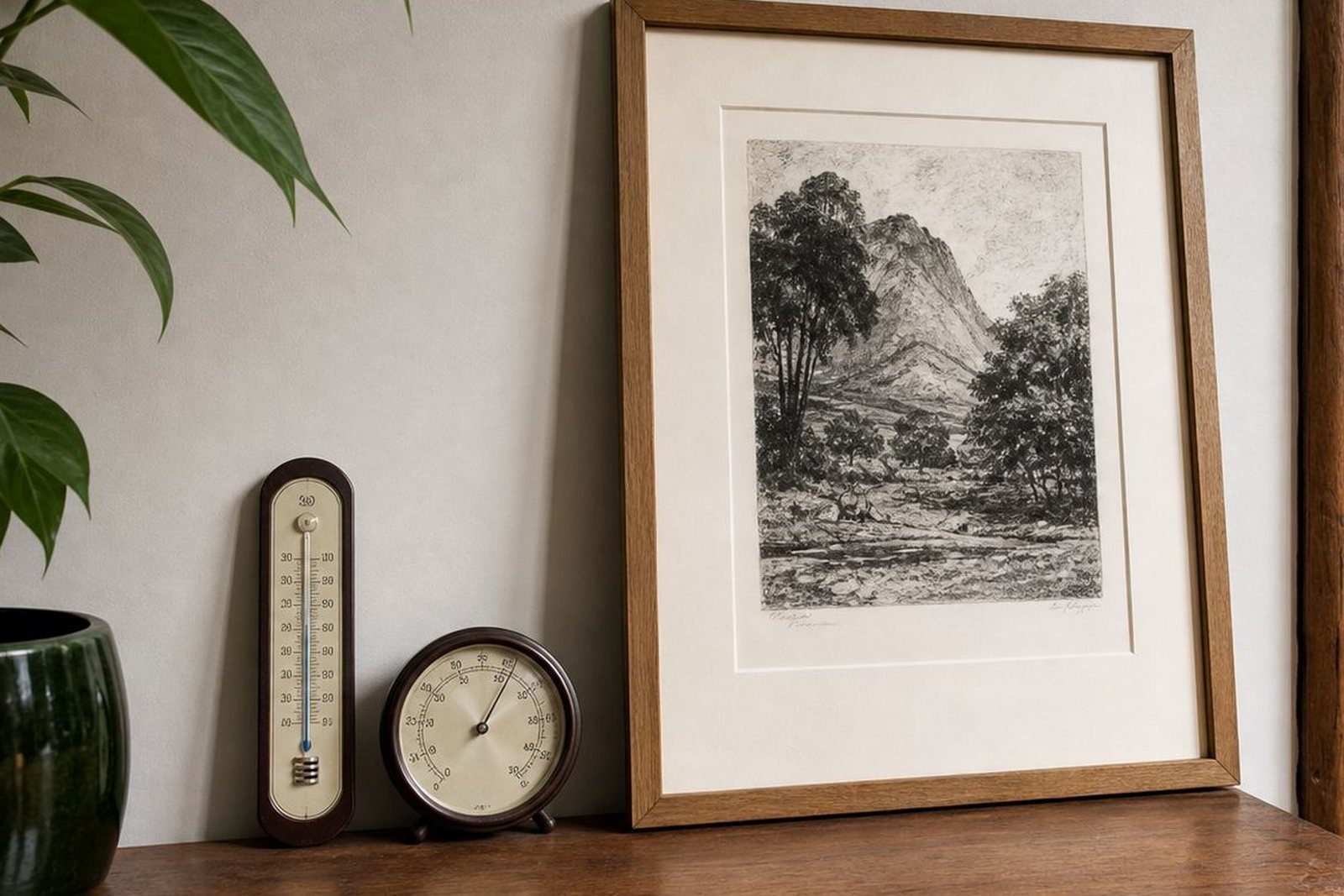
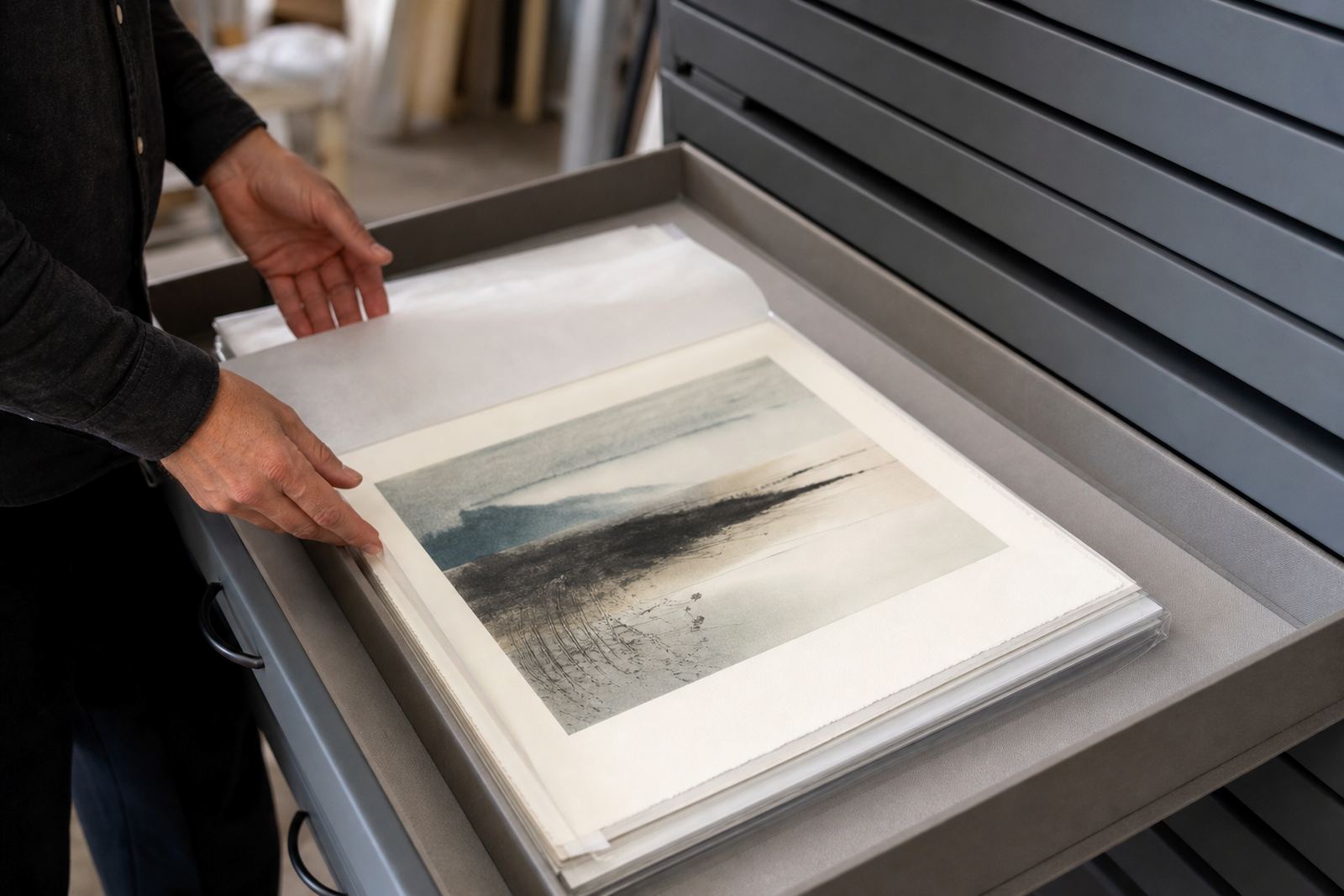
Print care starts with handling. Hold a print by the edges and keep it flat on a clean surface, away from food, moisture and direct sun. In coastal areas, humidity can creep into paper and framing, while inland dust and heat can make unframed storage a problem. A print should never be stored in a damp room, near a geyser or against a wall that gets morning condensation.

  • Use acid-free mounts, backing and sleeves for storage.
  • Avoid direct sunlight, especially on coloured work.
  • Keep framed prints out of steamy bathrooms and kitchens.
  • If a print is rolled, unroll it slowly and do not force the paper flat.

If you are uncertain, speak to a framer or studio before cleaning anything yourself. Small marks are often better left alone than worsened by an attemp to wipe them off.

What studio visits and proofing can teach you

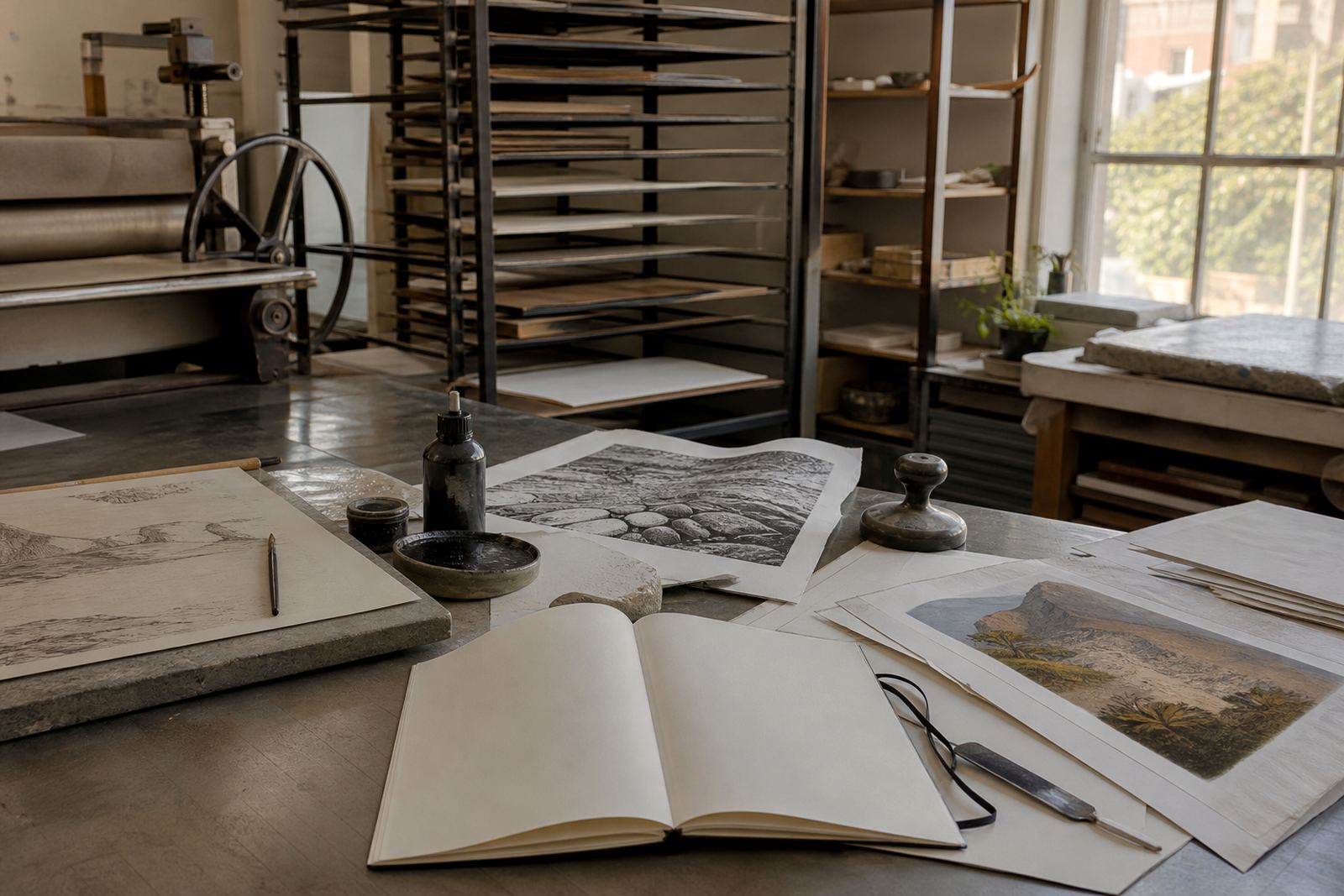
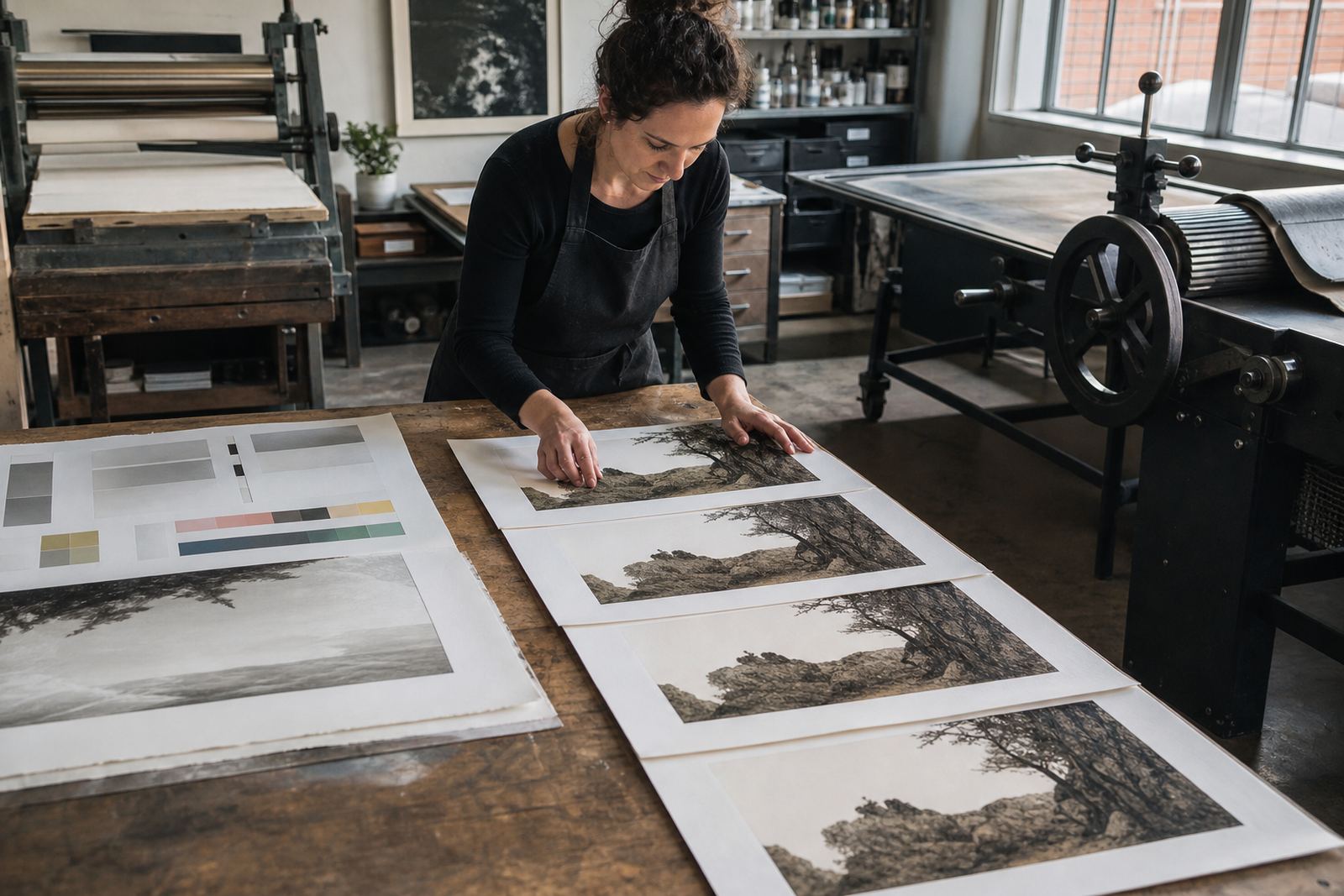
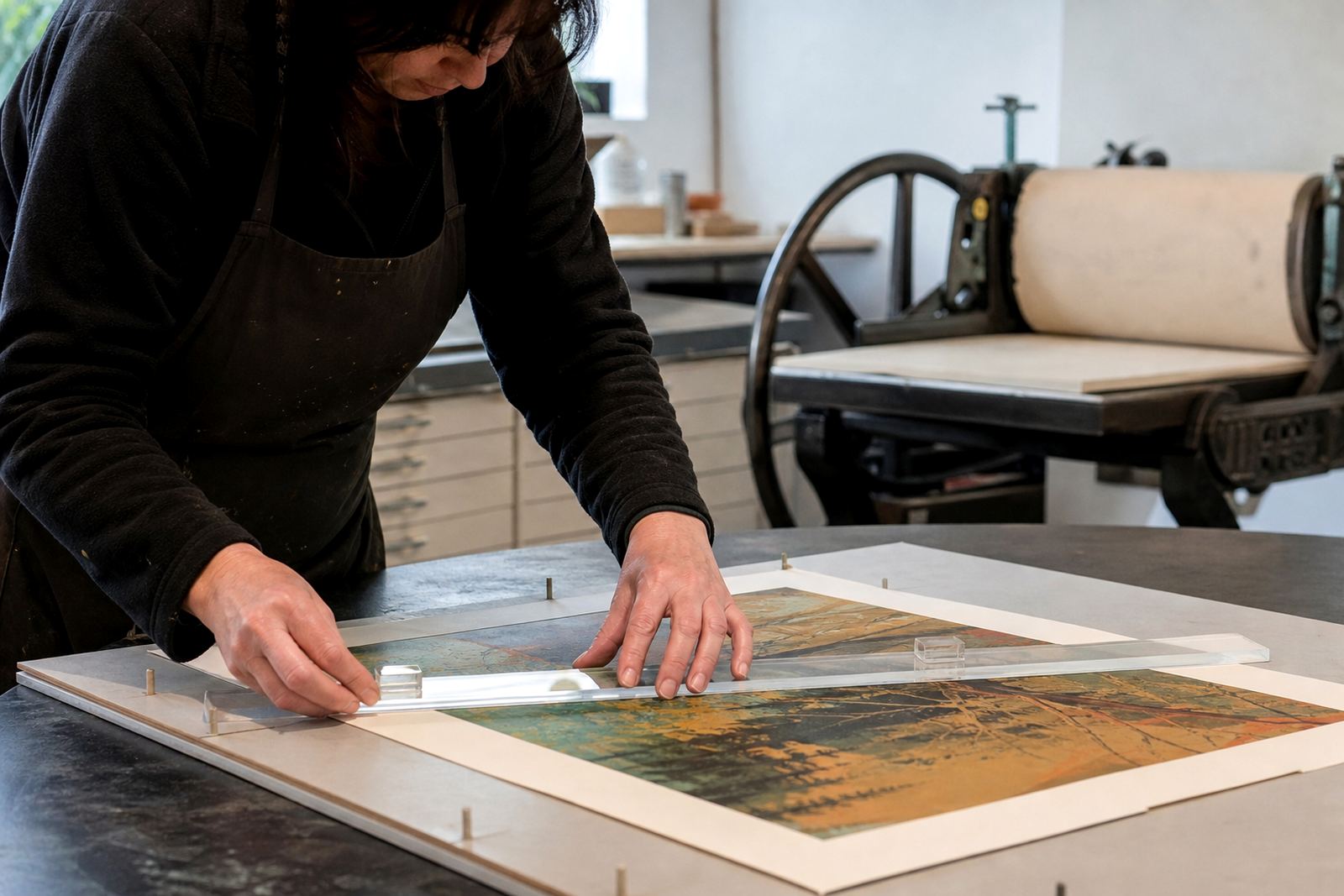
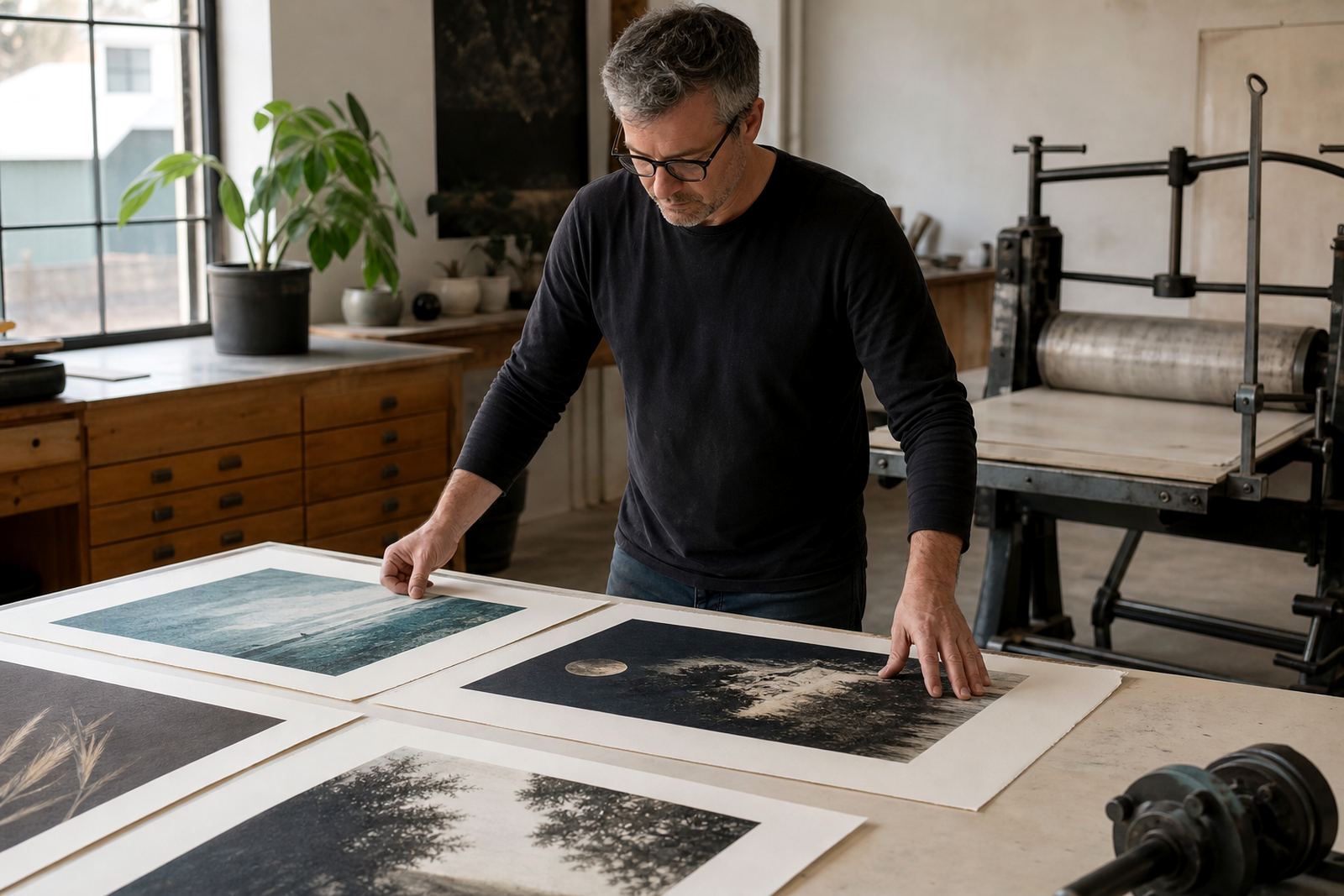
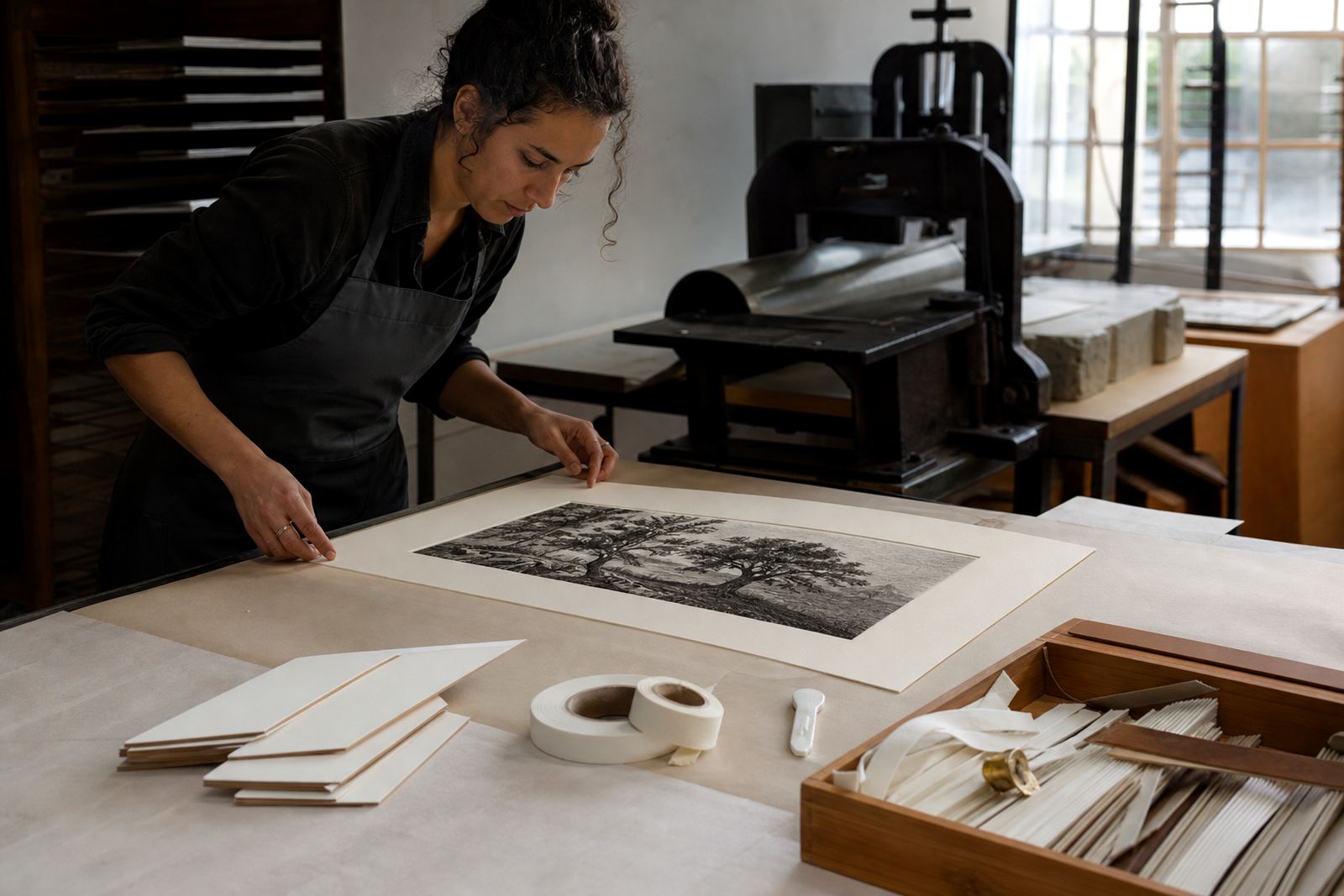
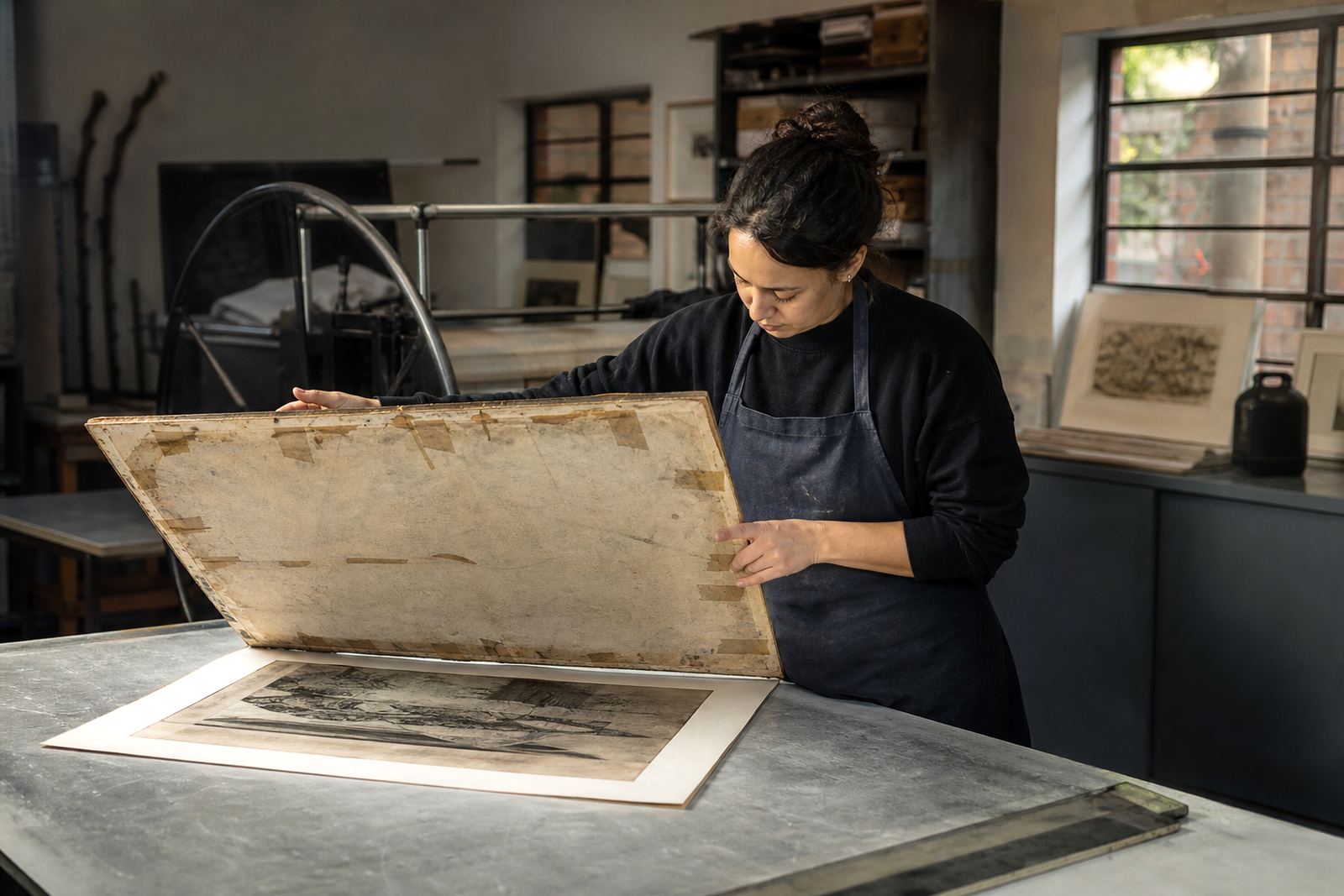
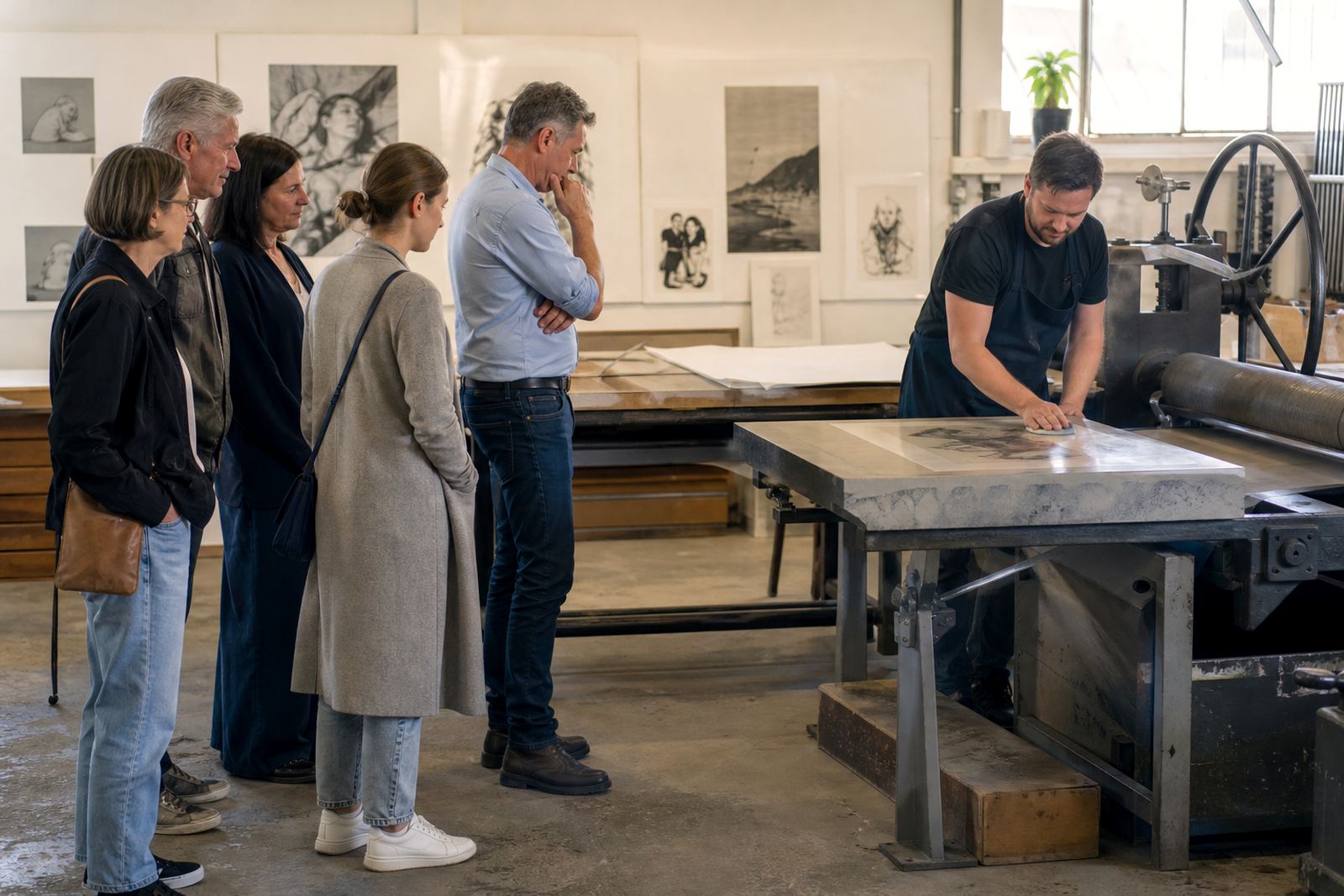
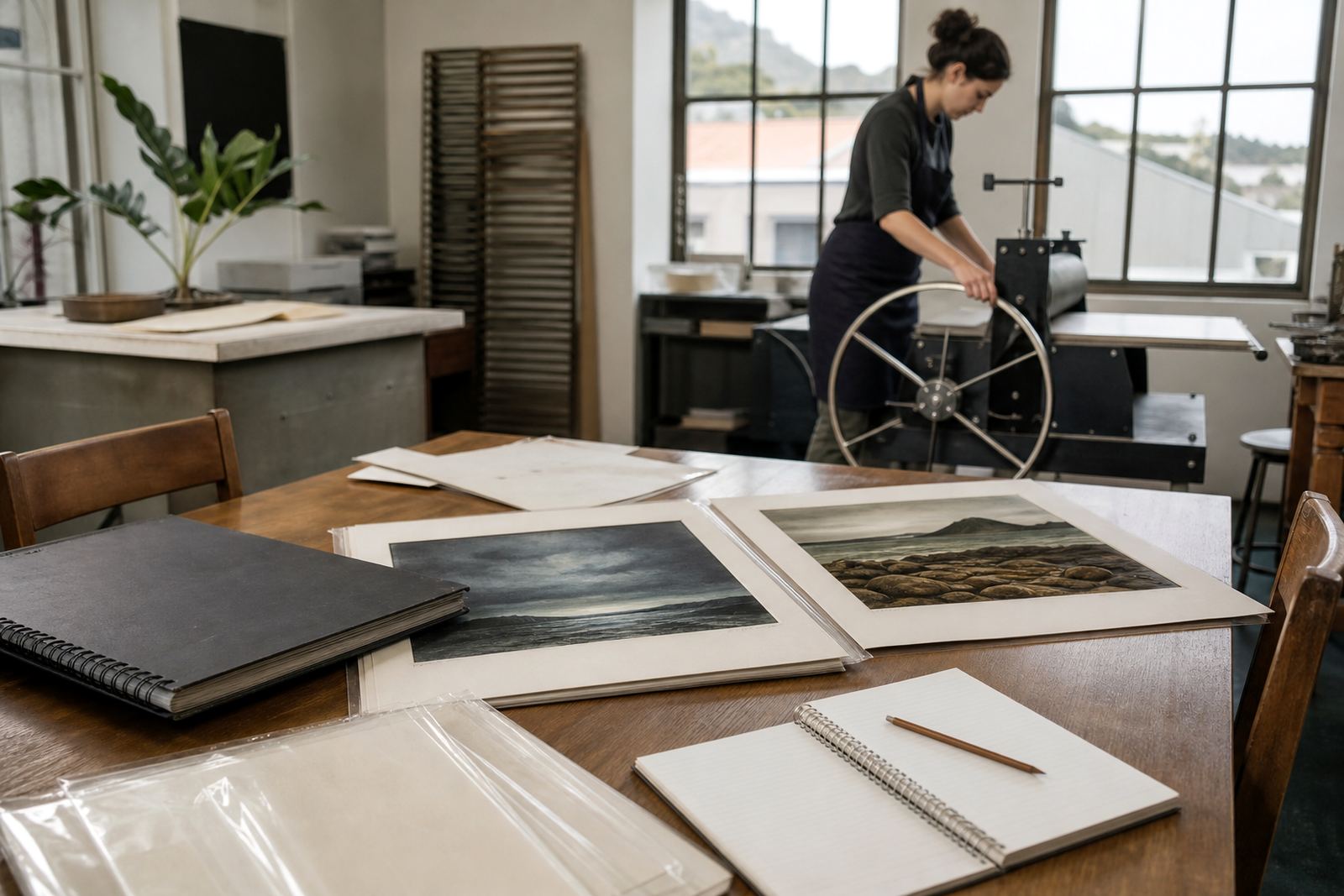
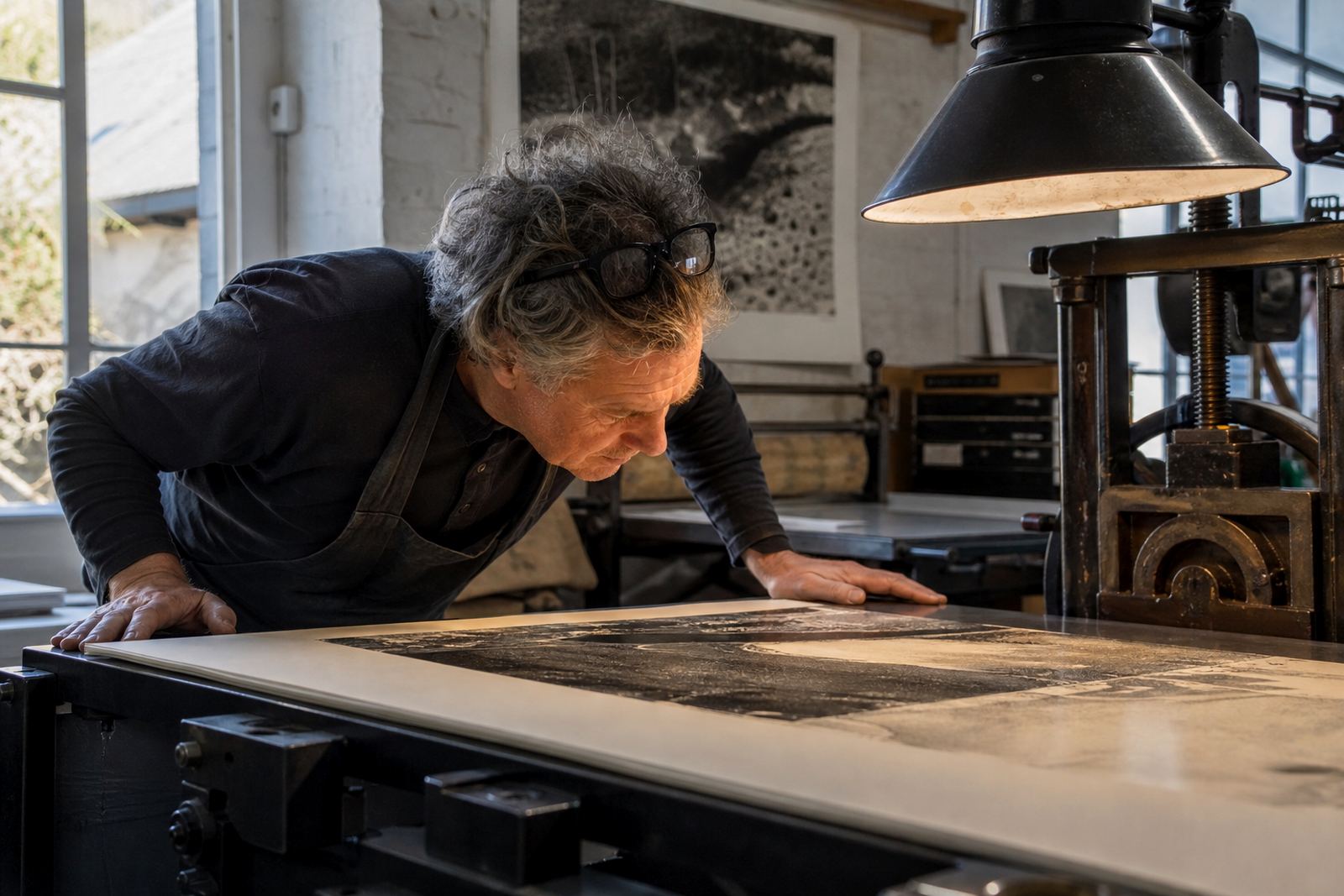
Seeing a lithography studio at work gives you a better sense of how much planning sits behind each print. During proofing sessions, artists and printers check line, tone, registration and colour balance before an edition is approved. That is where small changes can make a real difference, especially when several stones or multiple colours are involved.

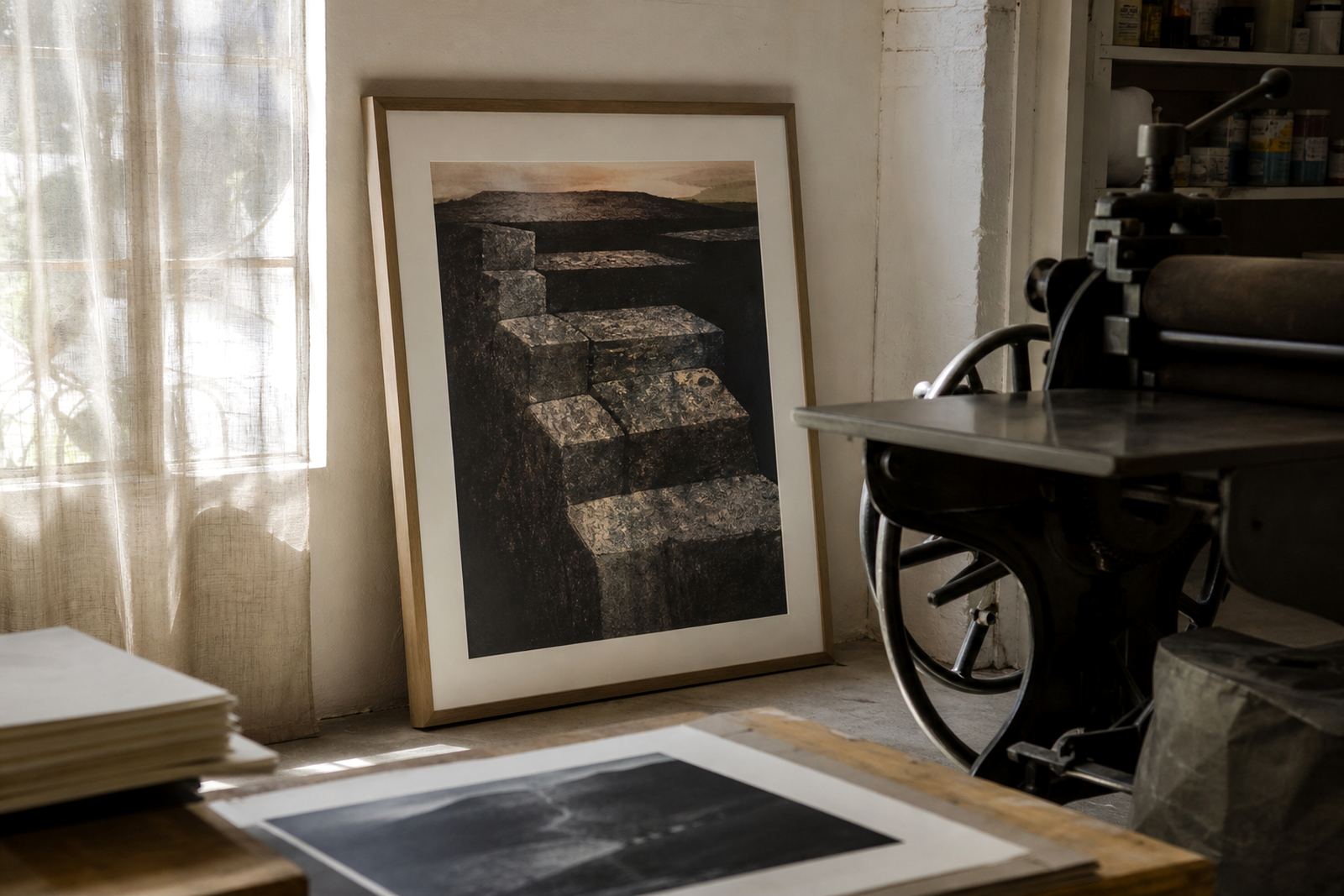
For artists and collectors alike, a visit can show how paper is chosen, how the image develops and why a finished print is never a casual object. The stone itself also tells a story through its surface, marks and the sequence of impressions pulled from it.

Studio visits are especially useful if you want to understand edition planning, signing and numbering, or the difference between a proof and the final edition.

How to use this journal as a buying guide

Start with the article that matches your question, then move outward. If you are new to the medium, begin with the process. If you already collect, look for pieces on editioning, framing and long term care. If you are an artist, the journal can help you prepare for a studio conversation with clearer expectations about proofs, paper and colour separation.

Our aim is to make stone lithography easier to understand without flattening what makes it special. The more you know about the process, the easier it becomes to choose with confidence and to care for a print once it is in your home.

Questions about prints and editions

What is the difference between a stone lithograph and a reproduction?

A stone lithograph is printed from a drawn stone using the lithographic process. A reproduction is usually a photographic or digital copy of an existing image, not a print pulled from the artist’s stone.

How should I store an unframed print?

Keep it flat in an acid-free sleeve or folder, in a dry room away from direct sun, moisture and heavy pressure. Do not store it in a damp garage, on a floor, or in a room that gets strong temperature changes.

Why do edition numbers matter?

Edition numbers help show where a print sits in the planned run and whether it belongs to the main edition or a proof group. They help collectors track the work and understand how it was produced.

Looking for an edition, or ready to print one? Write to the studio.

Contact form