Why a studio visit is different from a gallery appointment
When you step into a fine-art lithography studio, you are entering a workspace where each print moves through a series of careful stages. There may be stones on the press bed, damp paper waiting to be pulled, drying racks in use and proof sheets marked for the next pass. That is part of the appeal, but it also means visitors need to be mindful of the process and the pace of the room.
A good studio visit is less about looking quickly and more about paying attention. In stone lithography, image making begins on a prepared limestone surface. The artist draws or works directly on the stone with greasy materials, the stone is then processed, and the printer builds the image through careful balance of water and ink. Because each colour pass needs clean handling, even a small interruption can affect the work. Visitors who understand that tend to have a better experience and ask better questions.
At Lithography Art, we welcome artists, collectors and art enthusiasts from Woodstock, Cape Town and further afield, including Stellenbosch, Johannesburg, Pretoria and Durban. A visit is often most useful when it is arranged with a clear purpose, such as a proofing session, edition review or a conversation about framing and packing. It is a working studio first, so the most helpful guests are the ones who treat the room with the same care the team brings to the print.
Finding the press room on Albert Road
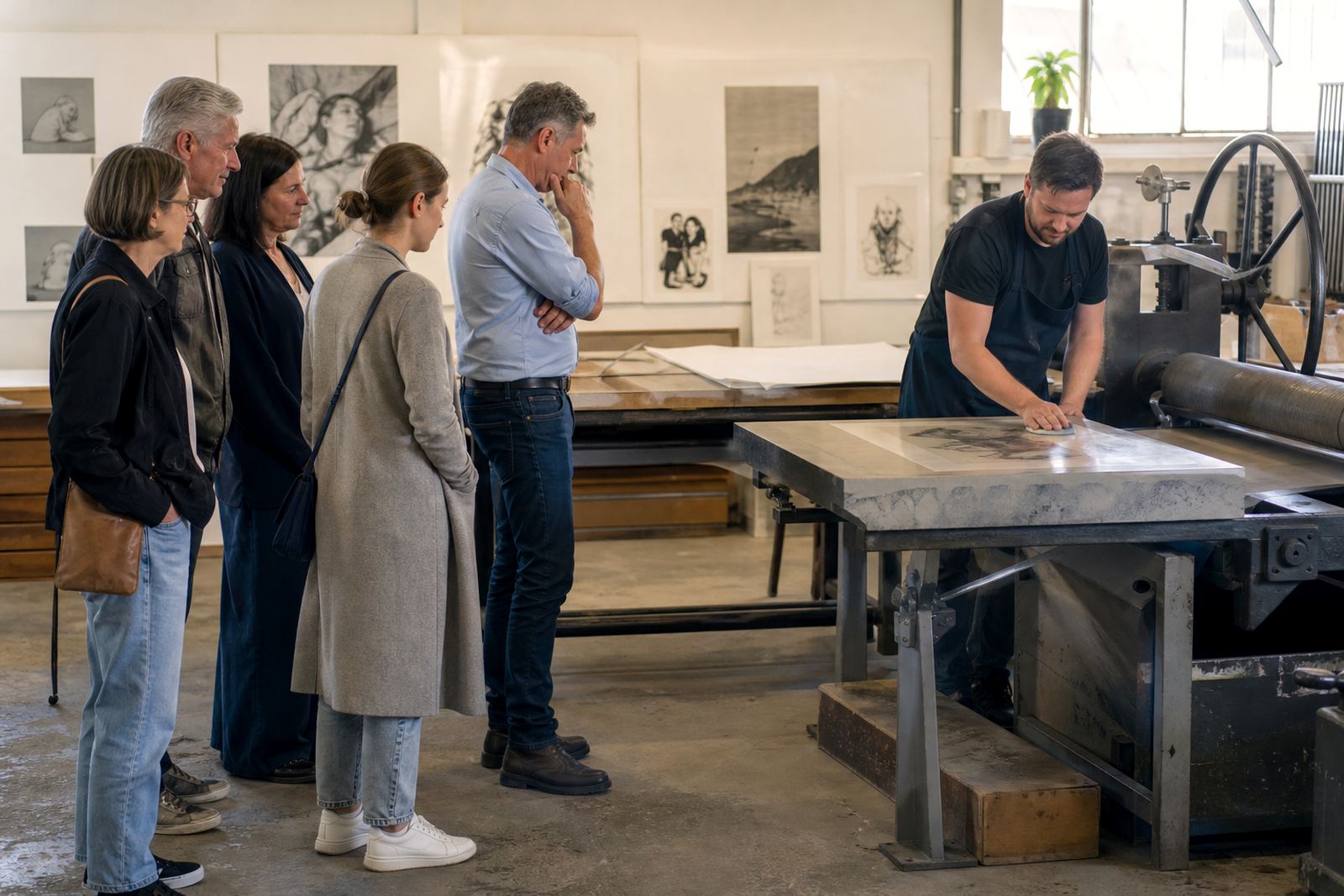
Most visits start with a brief welcome and a walk through the active areas of the studio. You may see editioned prints drying, stones being cleaned, paper stacked for a later run, or a proof under review. The team will usually explain what stage a particular project is at and where visitors may stand without getting in the way.
Woodstock is busy and the studio sits in a practical inner-city setting, so allow enough time for parking, security checks and the chance of delays from traffic or roadworks. If you are coming from Sea Point or Newlands, plan for peak-hour congestion. Visitors from further out, including the northern suburbs or the N2 side, should leave a little early. The best visits are never rushed.
- Arrive on time so the printer can keep the edition moving.
- Wear closed shoes and clothes you do not mind getting a small mark on.
- Keep bags, water bottles and coat sleeves clear of stones, inks and wet paper.
- Follow any instructions about where to stand or when to touch a print.
It is also sensible to remember that a print studio is not climate controlled like a museum gallery. In Cape Town, coastal humidity can affect drying times and paper behaviour, so the team may open a visit with a quick note about conditions on the day. That is normal and it helps everyone understand why timing matters.
How to behave around stones, paper and press work
The simplest rule is to move slowly and speak quietly. A lithography stone can weigh a great deal, and a press bed with a prepared stone, paper and blankets is not a place for casual leaning or sudden movement. Do not touch a proof unless invited to do so, and never rest a drink, phone or keys on a work surface. One spill can affect hours of labour, sometimes more.
Visitors often want to know how a stone lithograph differs from a digital print or a reproduction. A stone lithograph is printed from a matrix that carries the artist’s drawn image, and each colour is usually printed in a separate pass. That means the image develops over time, not all at once. If you are shown a proof, it may look unfinished compared with the final edition, and that is expected. The printer is checking colour balance, alignment and pressure before the edition is completed.
Questions are welcome, but it helps to ask at the right moment. If the printer is in the middle of a pull, wait until the sheet is safely moved and the stone is cleared. If you are unsure whether something can be handled, ask first. Polite caution is better than overfamiliarity, and in a studio that sort of respect goes a long way.
Proofing sessions and edition planning etiquette
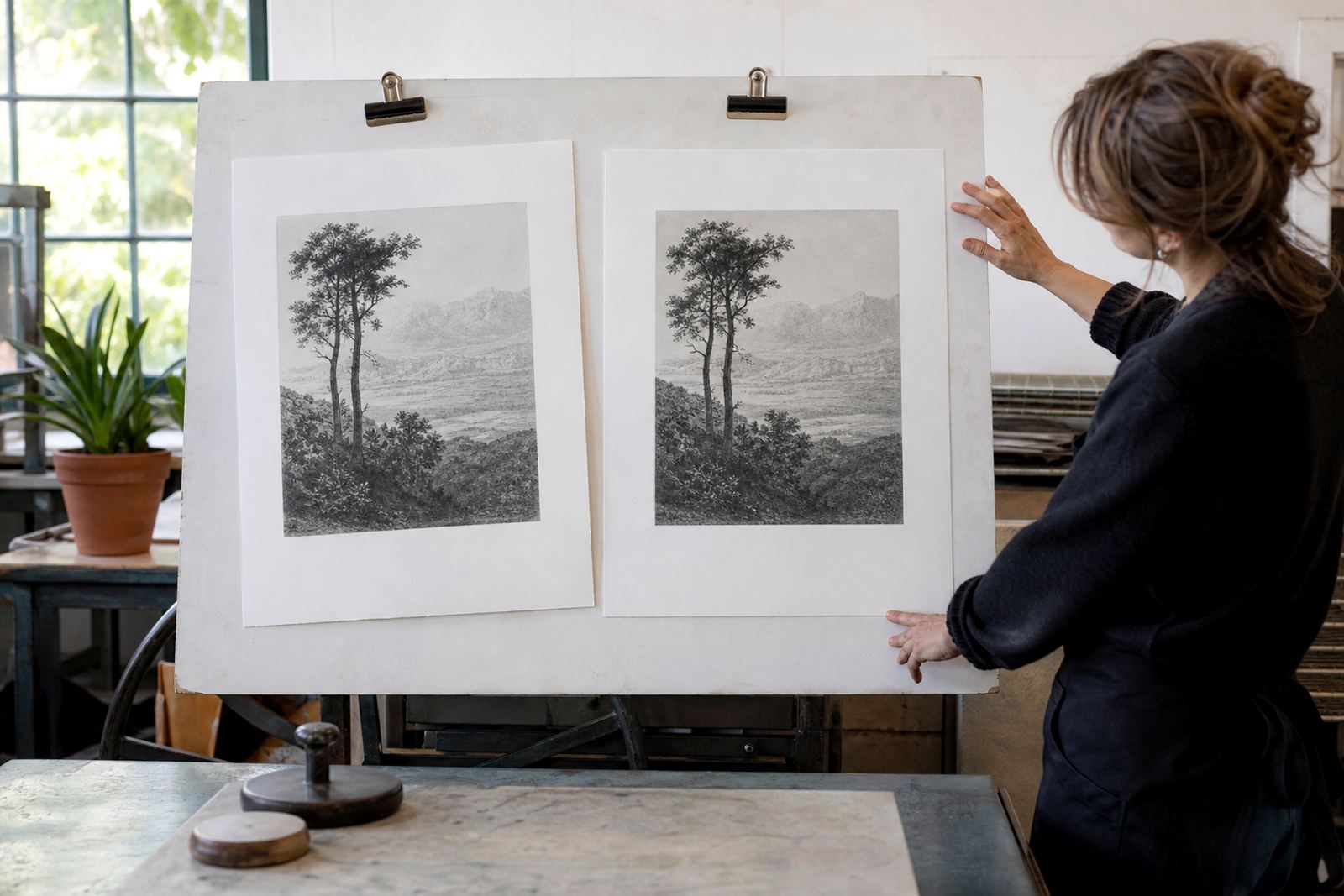
Artists and collectors who attend proofing sessions should come prepared to look closely and make clear decisions. Proofs are part of the editioning process, not extra samples for casual browsing. They are used to test colour, registration, paper choice and printing order, and the notes made in a session may determine the final direction of the work.
Good feedback is specific. Saying a colour feels too cool, or that a line has lost clarity against the background, is more useful than saying something simply looks off. If you are an artist working with the studio, bring reference notes, paper preferences and any earlier decisions so the session can move forward efficiently. If you are a collector invited to see a proofing stage, remember that the work may still change before signing and numbering.
- Bring reading glasses if you use them, because fine detail matters in edition review.
- Leave young children at home unless the visit was specifically arranged for them.
- Keep comments honest and practical rather than broad or dramatic.
- Respect the studio’s sequence of work, especially if another project is drying or being prepared.
For edition planning, the studio may discuss sheet size, margins, numbering, artist’s proofs and how many impressions can be printed before the stone begins to lose the sharpness needed for the edition. These are technical decisions, but they are also part of responsible printmaking. A well planned edition is easier to handle, easier to archive and more satisfying for collectors over time.
Packing, framing and transport after the visit
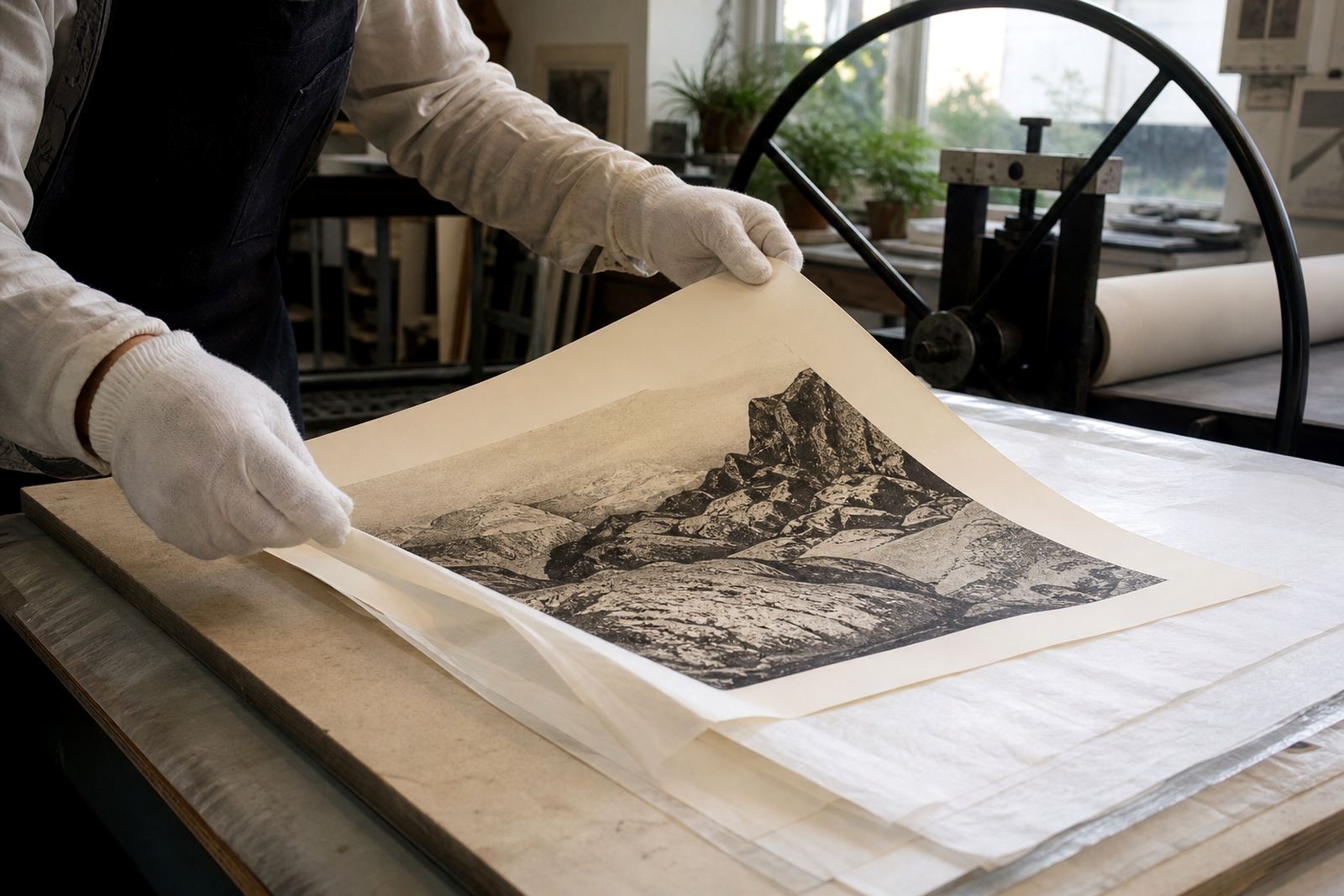
Many visitors leave with a print, a signing update or a clear plan for framing and collection. Once a lithograph is signed and numbered, it should be handled carefully from that point onwards. Archival packing protects the paper from bends, dust and moisture, which matters if the work is travelling to Stellenbosch, Pretoria or Durban.
If a print is going to a framers shop or directly to a home, it should stay flat and clean. Do not roll a lithograph unless the studio has said it is safe to do so, and never place the sheet face down on a rough surface. In coastal areas such as Sea Point, humidity can be higher, so it is wise to keep the print in its sleeve or folder until framing takes place. If you are collecting on a windy day, ask for an outer wrap so the print is protected from sudden movement and dust.
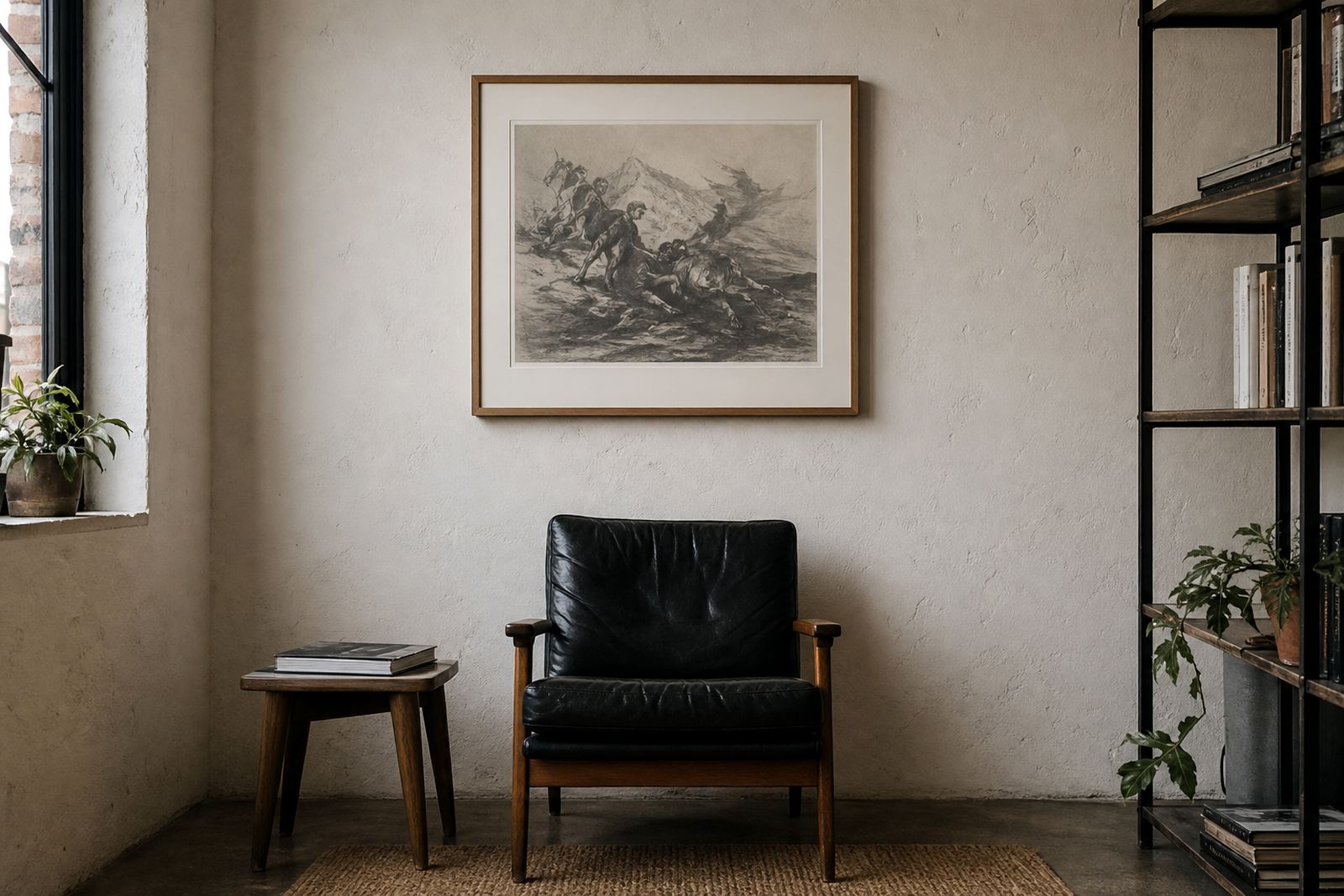
Framing coordination is often more useful than people expect. A good frame helps control light exposure and supports the sheet properly, especially if the edition uses heavier paper or a wide margin. If you are not sure what glass, mount or backing board to choose, the studio can advise on practical options that suit the print and the room where it will hang.
A local example of a respectful studio visit
Imagine a collector coming through from Newlands for a proof review on a Friday morning. They arrive on time, check in at reception and keep their phone on silent before entering the print area. The printer explains that the day’s work is at a colour adjustment stage, so the visitor is shown the proofs first, then given a short look at the stone and the press once the sheet is safely lifted. The discussion stays focused on colour, paper and numbering, and the visit ends with clear next steps for signing and collection.
That kind of visit works well because everyone understands the purpose of the room. The studio team can keep working, the visitor gets a proper view of the process, and the print stays protected. It is a simple rhythm, but it is one that keeps a fine-art lithography studio running properly from week to week.
At Lithography Art, studio visits are part of the service we offer across Cape Town and beyond. Whether you are an artist planning an edition, or a collector wanting to understand how a stone lithograph is made, a careful visit will always be more rewarding than a rushed one.