Why a print record matters from the first impression
A lithograph is more than an image on paper. It is part of a process that may include proofing, colour adjustments, hand signing and numbering, and the details around those steps help define the work for future buyers and custodians. When records are complete, it is easier to confirm what was printed, when it was editioned and how it should be handled later.
For collectors, a good record supports confidence when a print changes hands. For artists, it preserves the story of the edition and helps avoid confusion years later if a print is reframed, inherited or insured. In a studio setting, clear documentation also helps when several people have handled the work, especially during packing, transport and signing.
What to write down for each lithograph
Start with the basics and keep the wording consistent. A simple written record can be stored with the artwork and copied into a digital file for backup. If you are buying directly from a studio in Woodstock or collecting from a viewing in Cape Town, ask for these details before the print leaves the premises.
- Full title of the print exactly as it appears on the sheet
- Artist name, plus the printer or studio if relevant
- Date of printing and date of signing if different
- Edition size and the individual number, for example 7/25
- Paper type, sheet size and image size
- Ink colours used, including any hand colouring
- Whether it is a proof, artist proof or final edition print
- Any visible marks, deckle edges, embossing or special paper notes
If the print was framed, note the frame material, glazing type and whether the mount was acid-free. Those small details help later when it is time to move the work, store it or replace a damaged frame after years of sunlight and humidity.
Edition notes that prevent confusion later
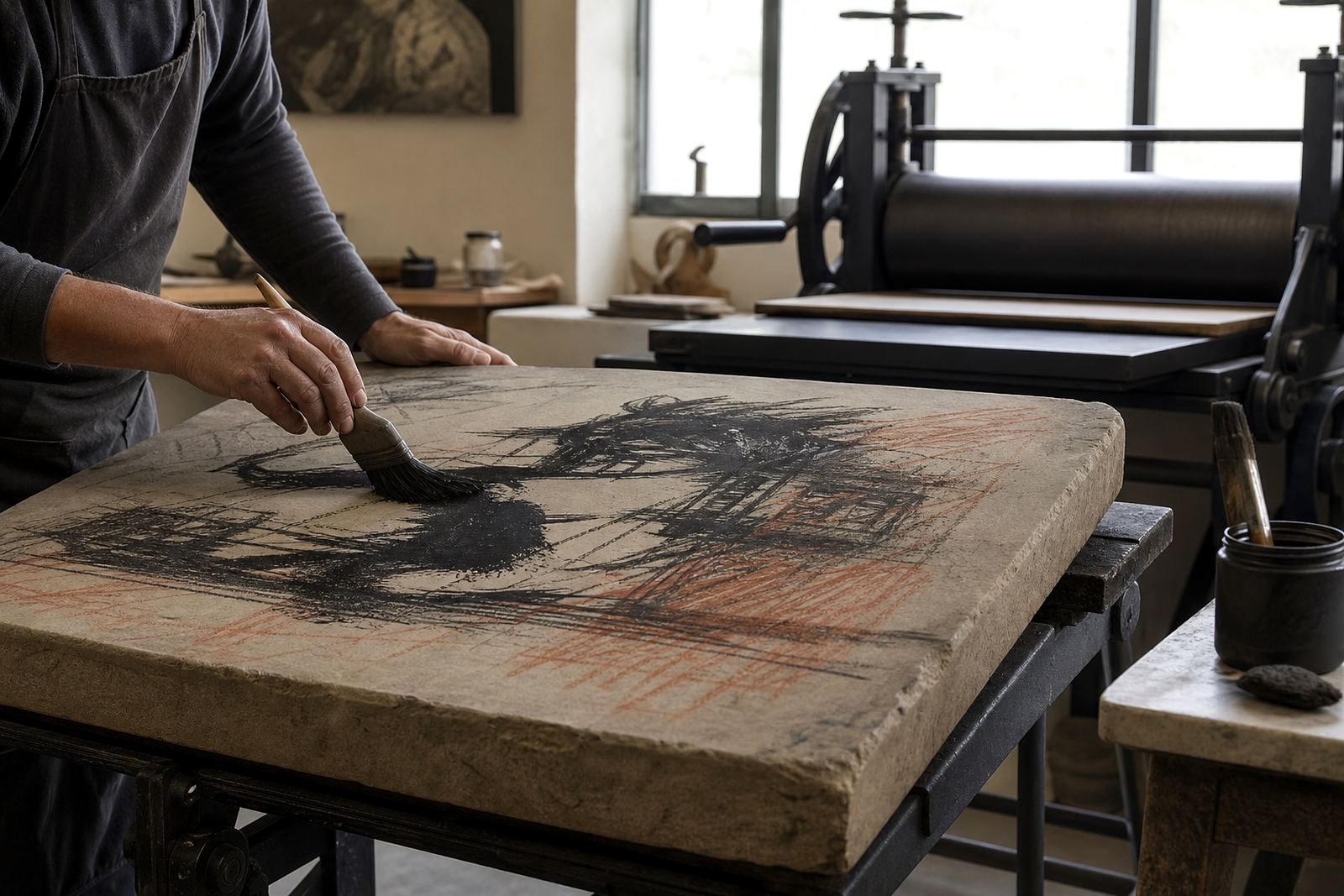
Editioning is one of the main reasons stone lithography needs proper documentation. A limited edition should be recorded carefully, with proof states separated from the final numbered edition. If a colour change was made during the run, or if one stone pulled slightly differently from another, that should be noted too. These are not faults, they are part of the work’s making.
Good edition records usually show how many prints were intended, how many were printed, and whether any were destroyed after completion. Keep the language plain. If a print is marked AP, PP or HC, record the meaning exactly as agreed by the artist and studio. That way a collector in Pretoria, Durban or Stellenbosch can understand the sheet without guessing.
When a collector receives a print from a studio visit, the edition note should sit beside the certificate or invoice, not tucked away somewhere separate. A missing link between sheet and paperwork can cause trouble later, especially if the work is resold or insured.
A simple system for collectors and artists
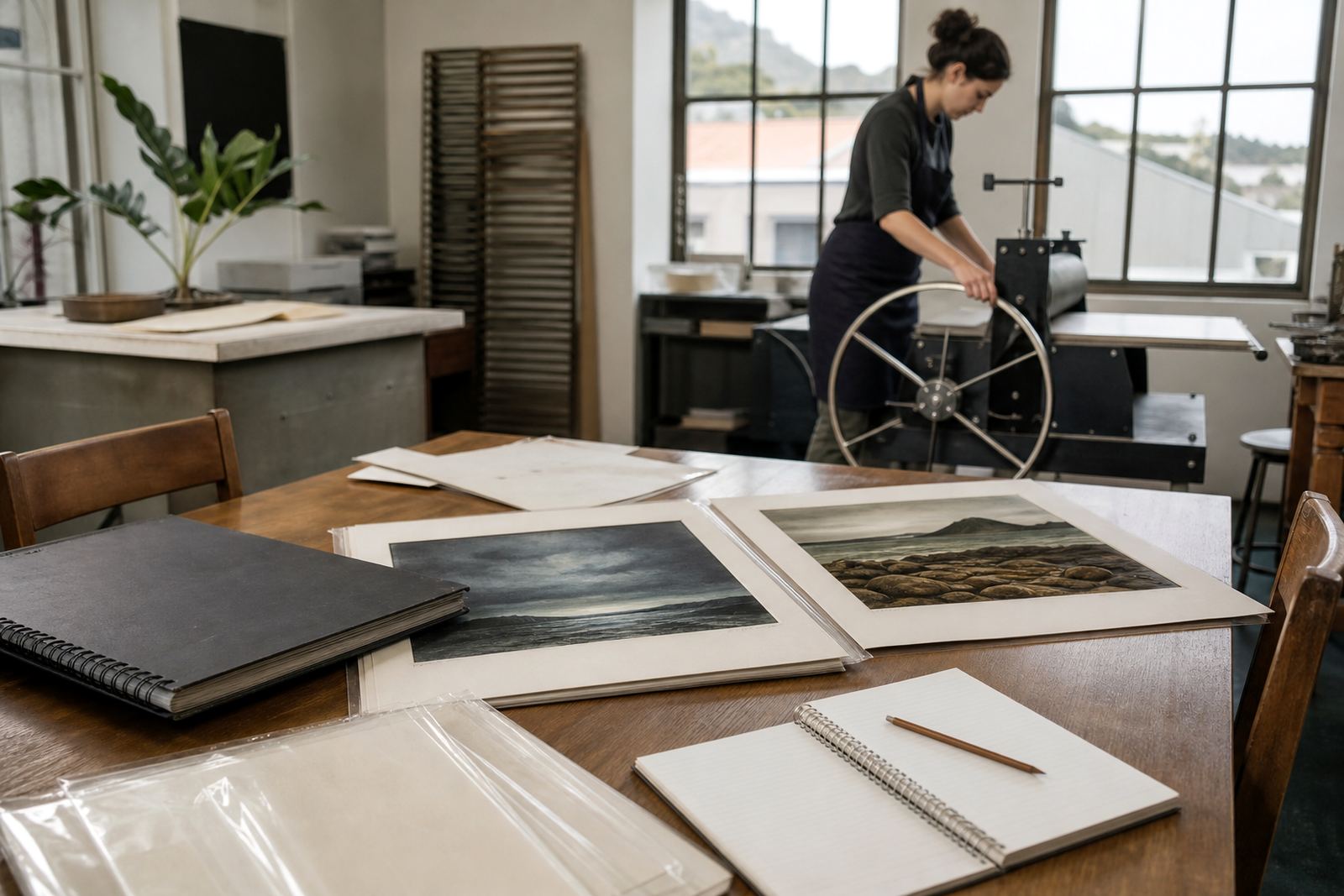
There is no need for complicated filing. A strong system is usually the one that gets used. Keep one page per artwork and store a photo of the front, back and signature area. For artists, add the stone notes, proofing remarks and any paper changes. For collectors, add the purchase source, framing date and where the work is displayed.
- Use a folder or archive box with a clear label
- Keep one digital copy and one printed copy
- Name files consistently, for example title edition year
- Update the record after reframing or conservation work
- Keep purchase documents together with the artwork file
In coastal areas like Sea Point, framed prints can be affected by moisture and salt air, so the record should include any conservation board or protective glazing used. In newer buildings with strong sun exposure, a note about where the print hangs can be just as useful as the edition number.
How to record framing and care details properly
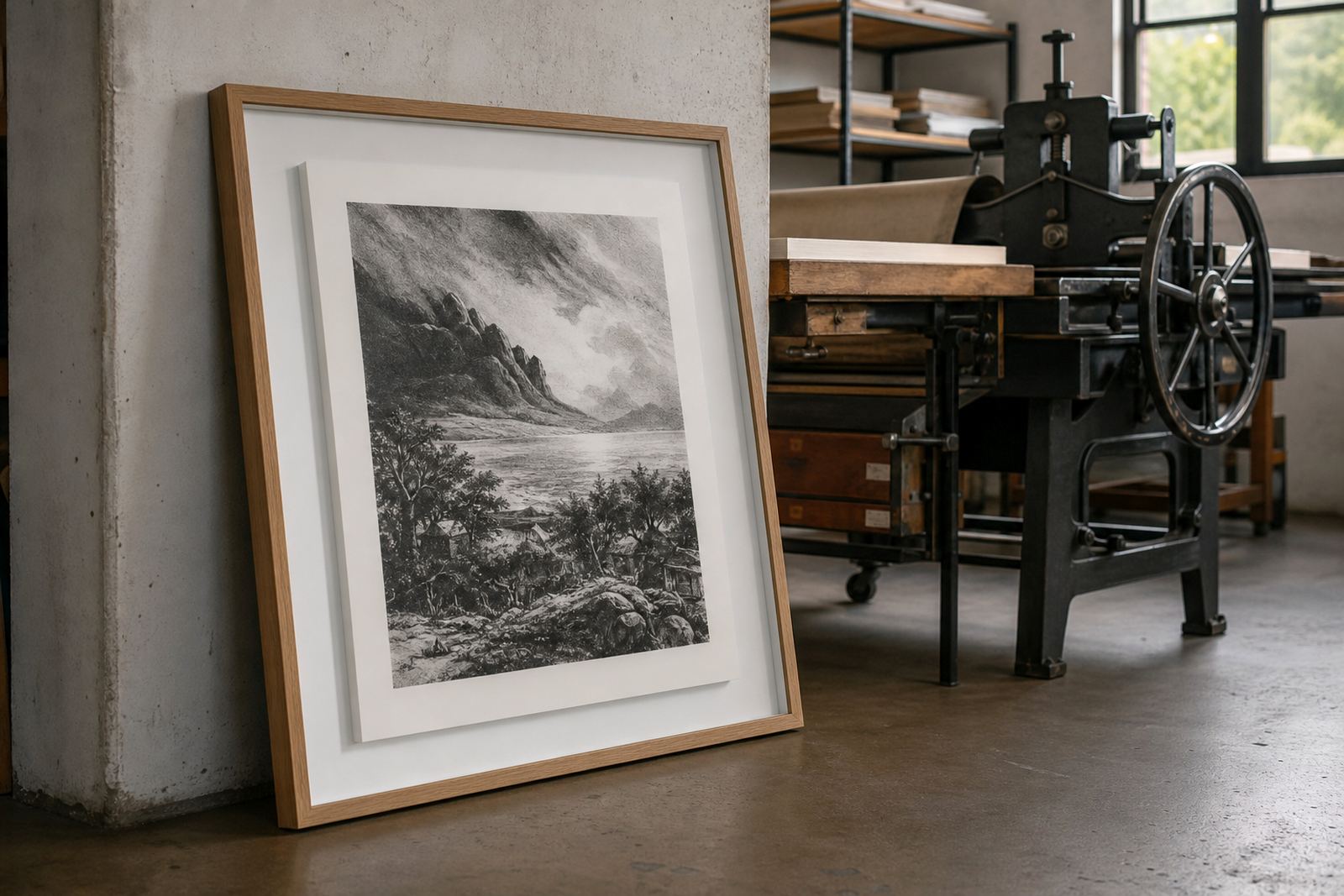
Framing is part of the print’s long-term condition, not just the presentation. A proper record should note whether the work was dry mounted, floated or hinged, because each method affects the paper differently. If the print is framed behind UV-filtering glazing, mention that too. It helps when someone later wants to assess fading risk or transport the work safely.
For care, note the basics in writing: keep out of direct sun, avoid damp rooms, do not lean the work against a wall for long periods, and never use household cleaners on the glass or frame edge. If a print is unframed, store it flat in an archival sleeve or box, away from heat and pests. In Cape Town summers, garages and storerooms can become too hot, so a bedroom cupboard or climate-stable storage area is usually safer.
A clear care note is especially useful when the print is loaned to family or moved between homes in Johannesburg and Cape Town. People often mean well but handle works differently, so written instructions remove the guesswork.
A Woodstock example: from studio table to collector file
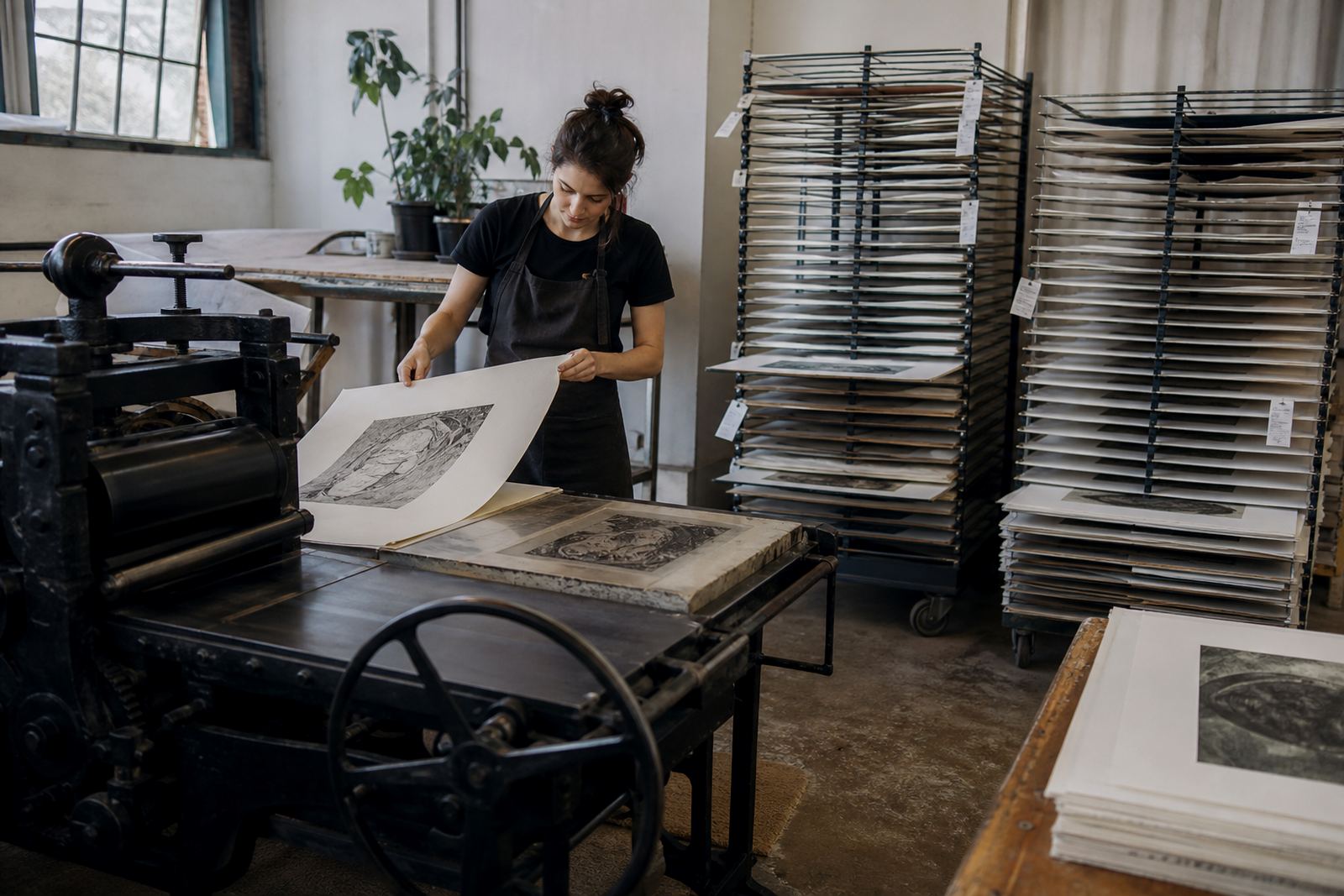
Imagine a limited edition lithograph printed in Woodstock for a collector in Newlands. The artist signs the sheet after the final proof is approved, the studio notes the edition number, paper size and ink colours, and the print is packed flat in archival material for handover. The collector then records the title, date, edition number, framing details and the room where it will hang.
That same record becomes useful years later if the print is reframed, moved to Stellenbosch, or passed on to another owner. A simple file can answer practical questions fast: Is this one of the final prints? Was the paper chosen for a specific tone? Was the frame fitted with protective glazing? These are the details that save time and reduce mistakes.
For anyone working with stone lithography, the habit is straightforward: write it down while the information is fresh. A good record is part of the artwork’s life, and it keeps the story accurate long after the ink has dried.
Keep the paper trail with the print
Prints last better when their history is clear. Titles, edition numbers, dates, paper notes and framing details all help preserve the value and meaning of a lithograph, whether it stays in a private collection or moves between cities.
If you are building an archive, start with one complete record and use the same format for each new work. Over time, that habit becomes a useful reference for artists, collectors and families who want to keep the work in good order. In fine-art printing, careful documentation is part of careful ownership.