

Stone Lithography Editions Made by Hand in Woodstock
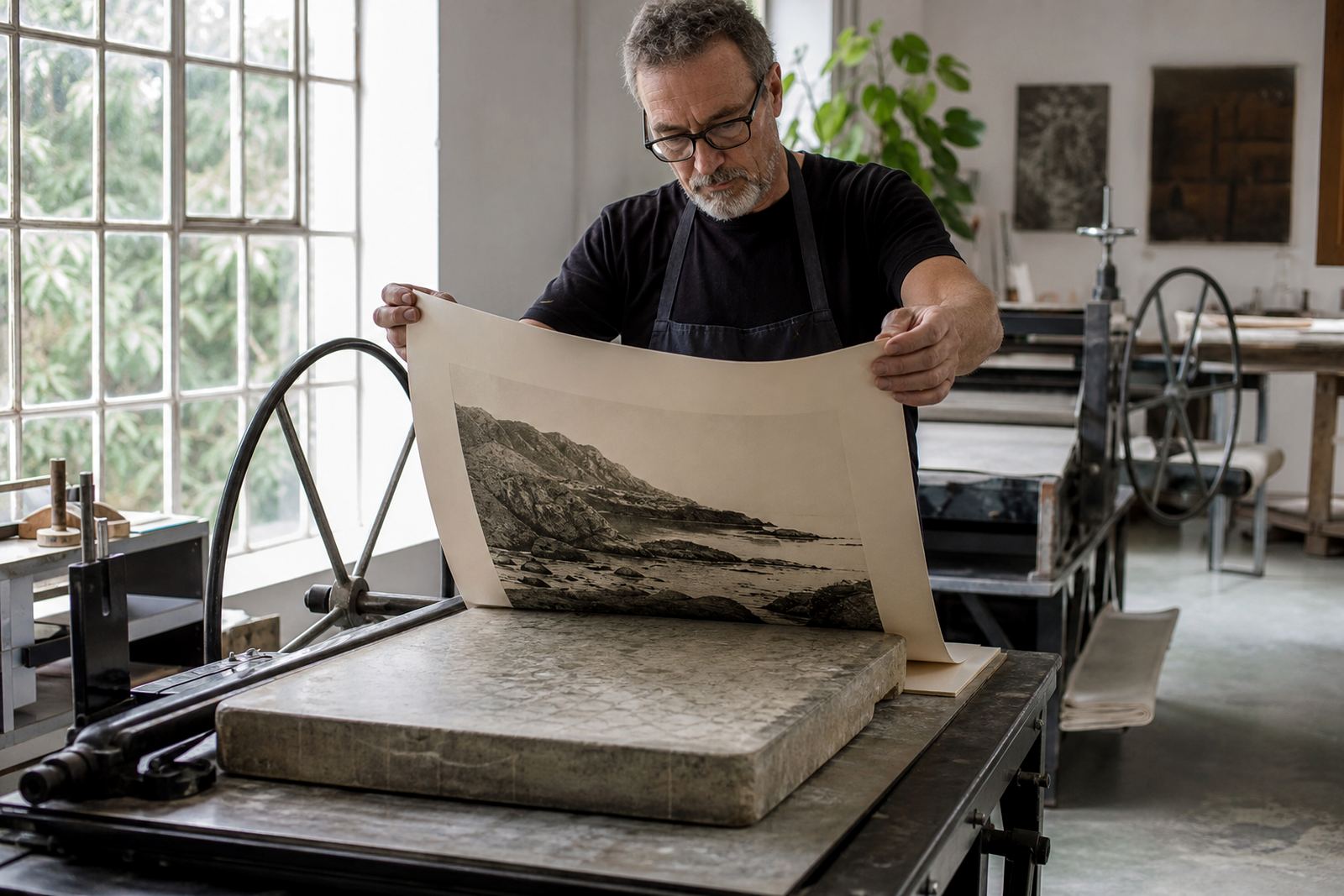
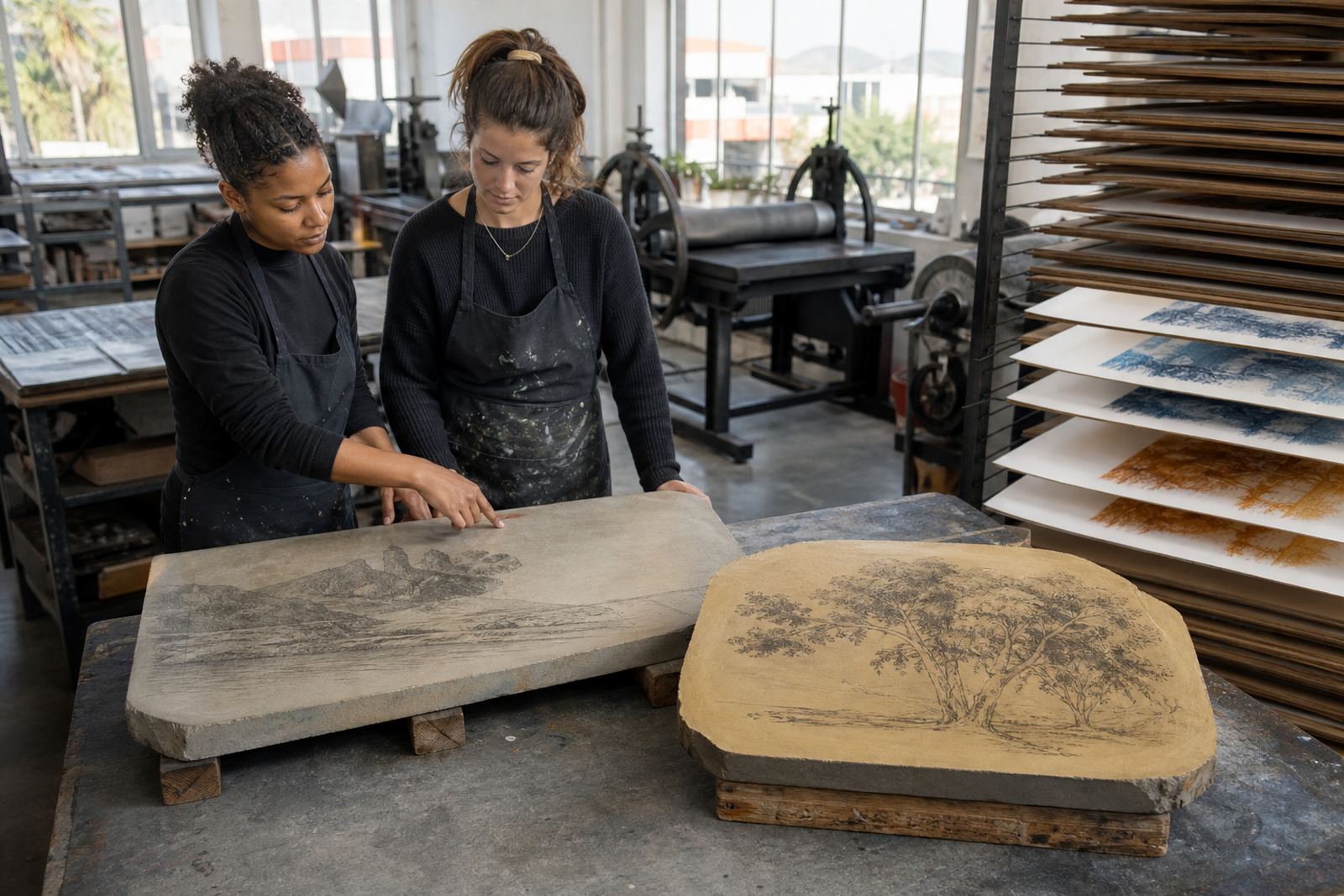
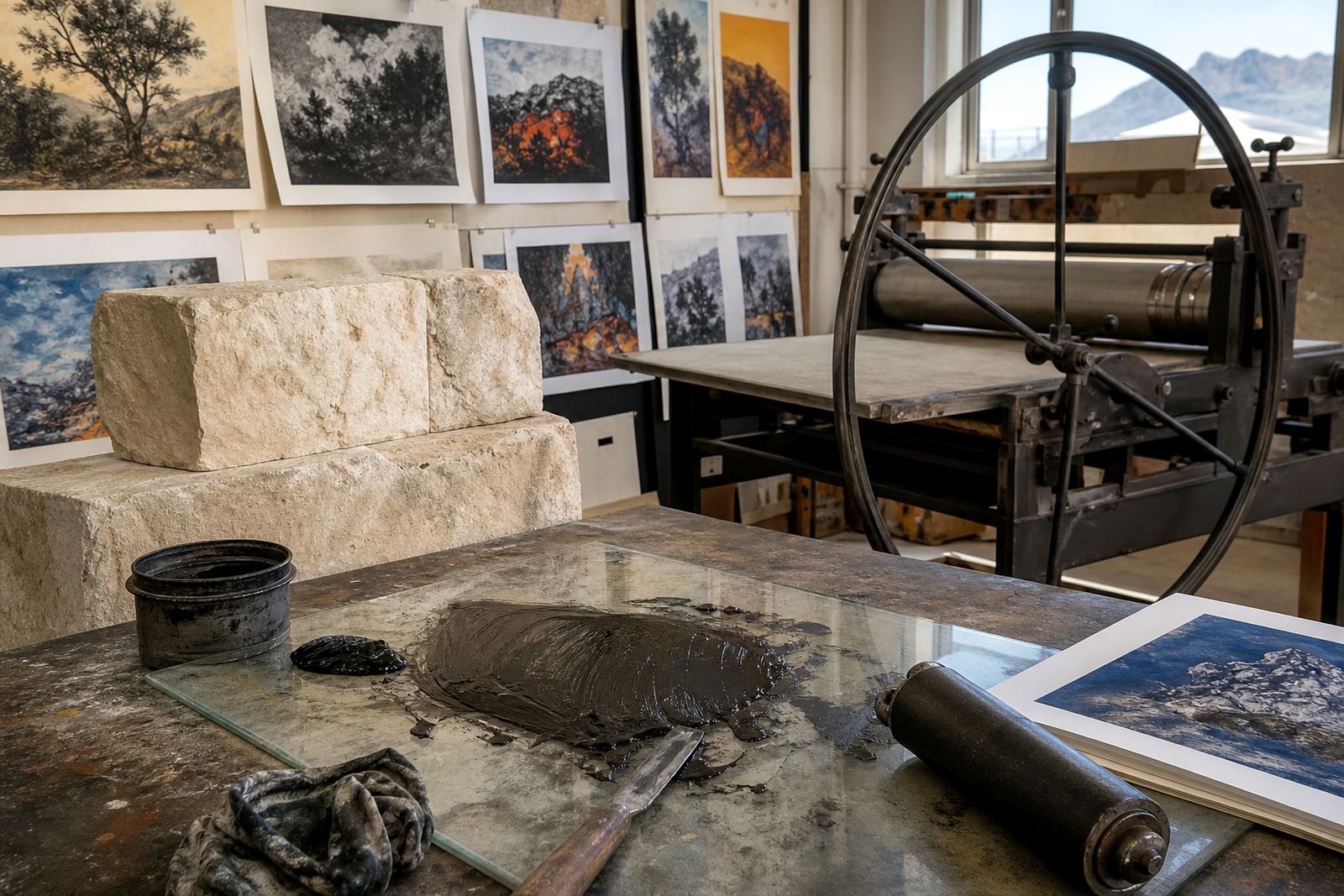
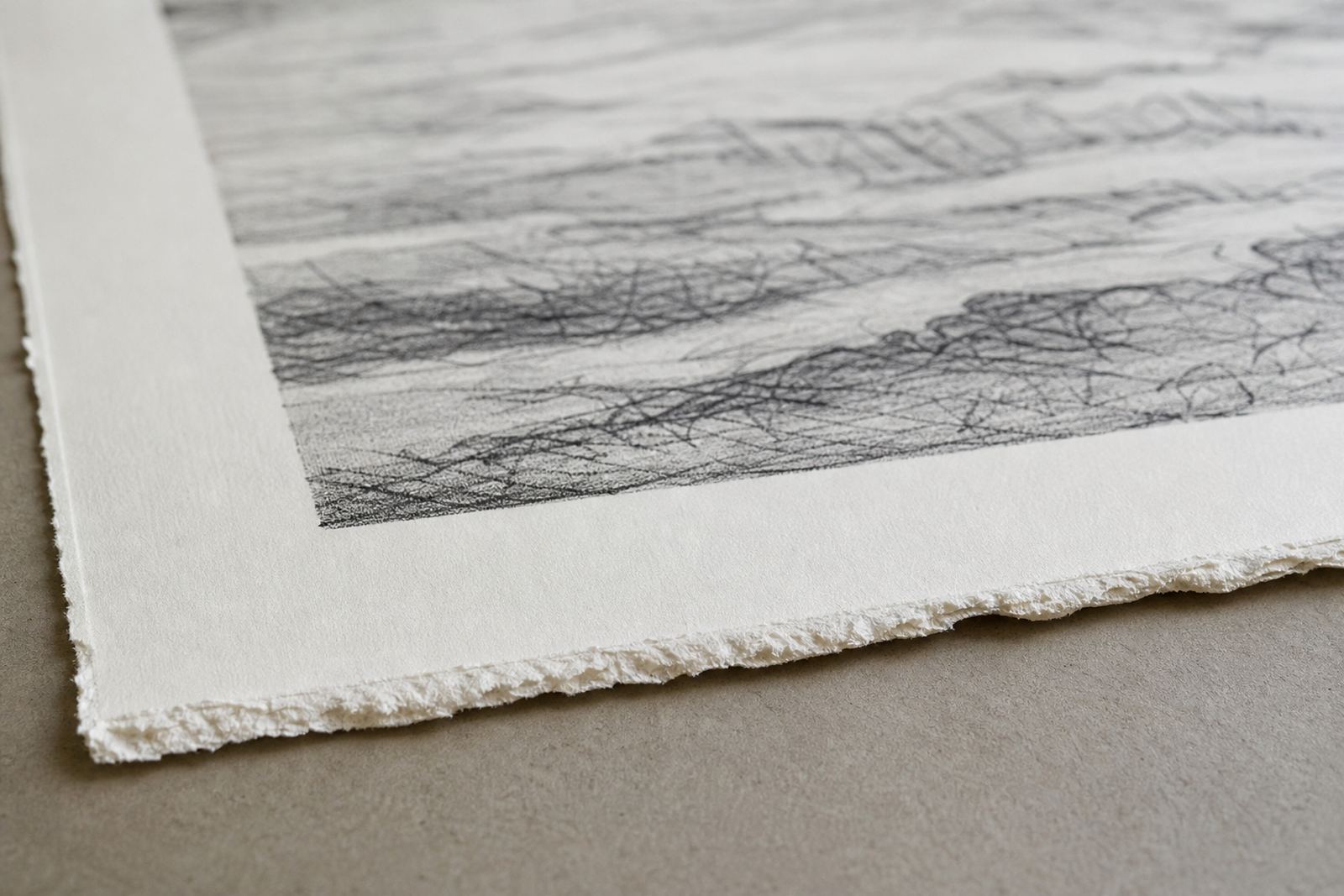
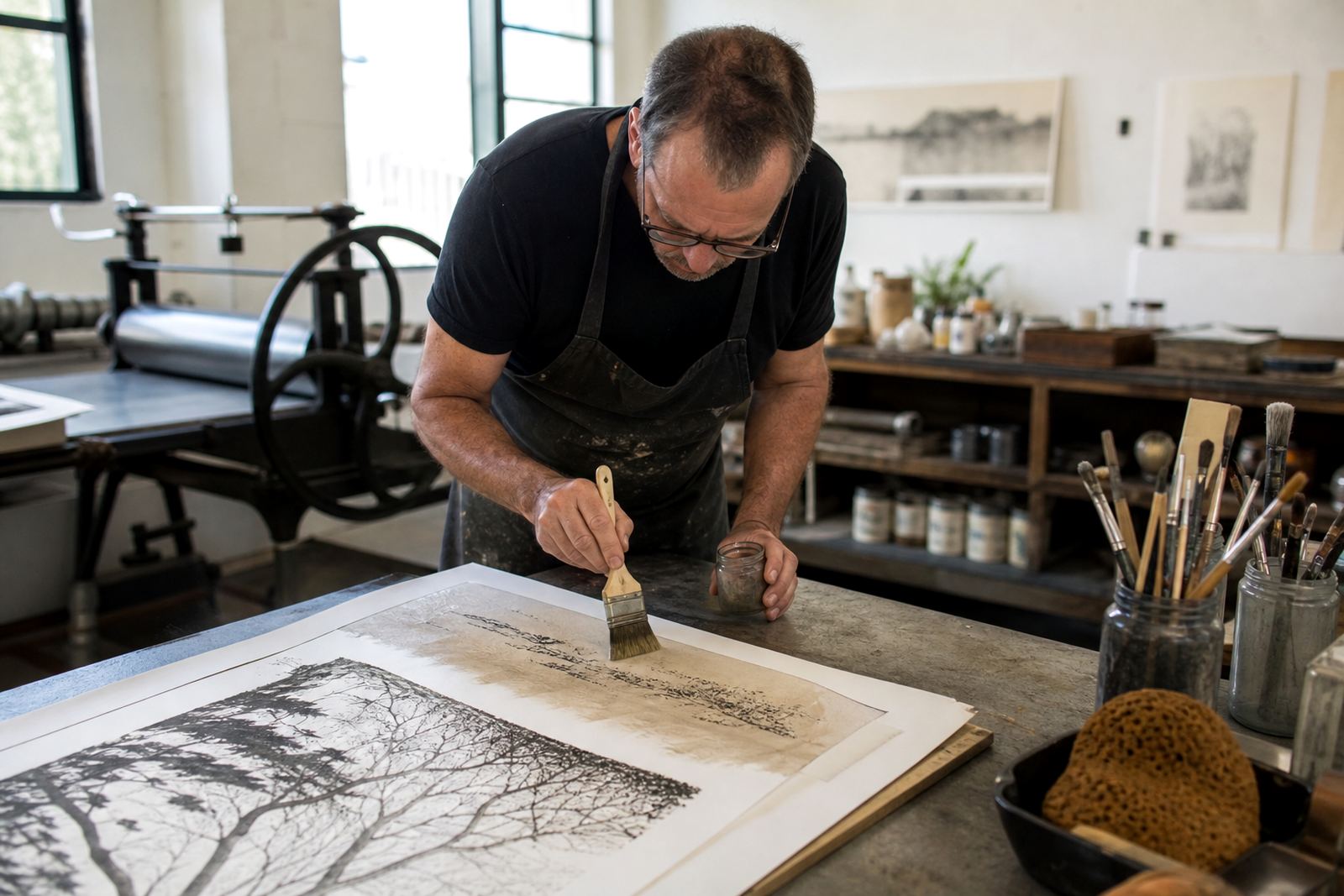
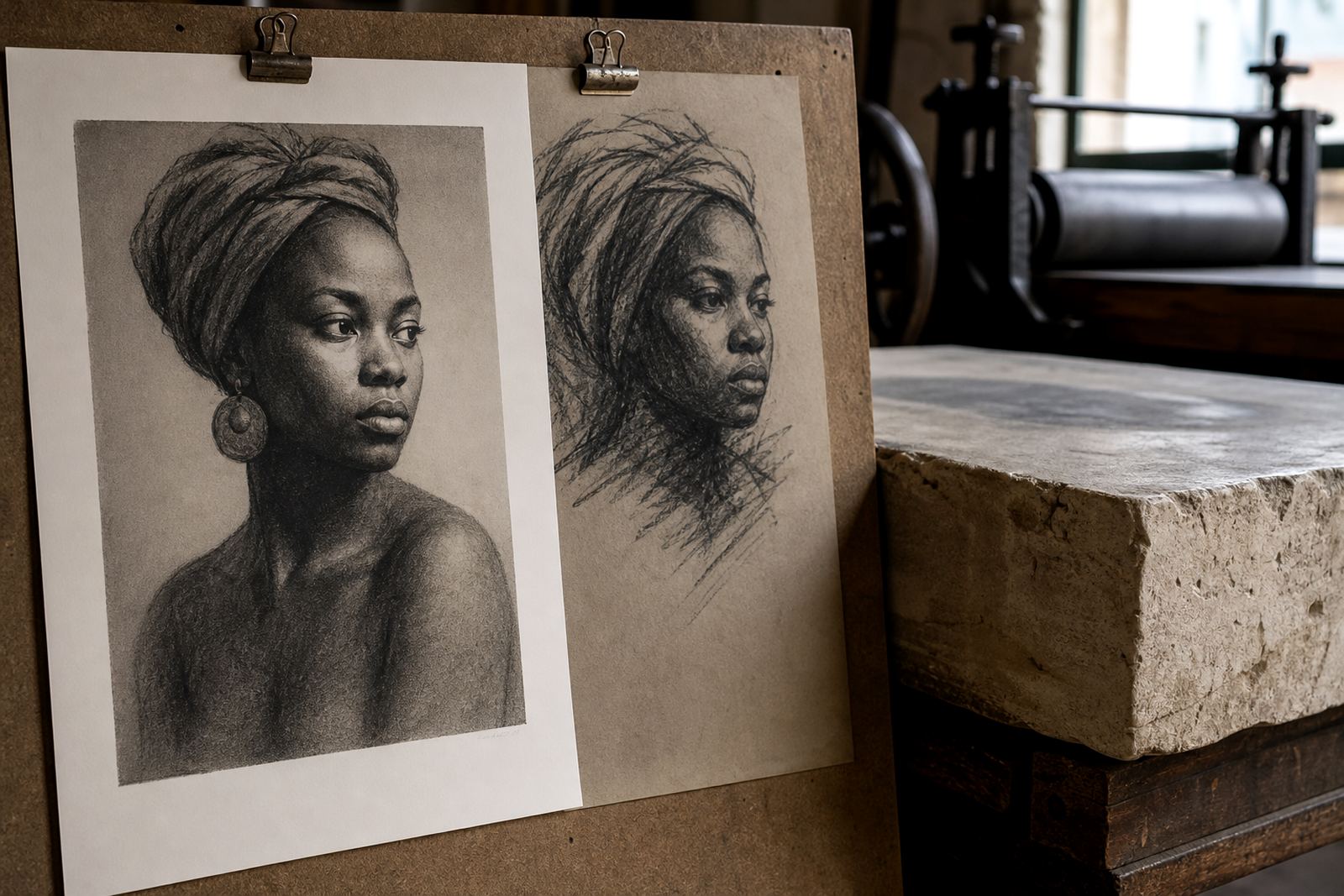
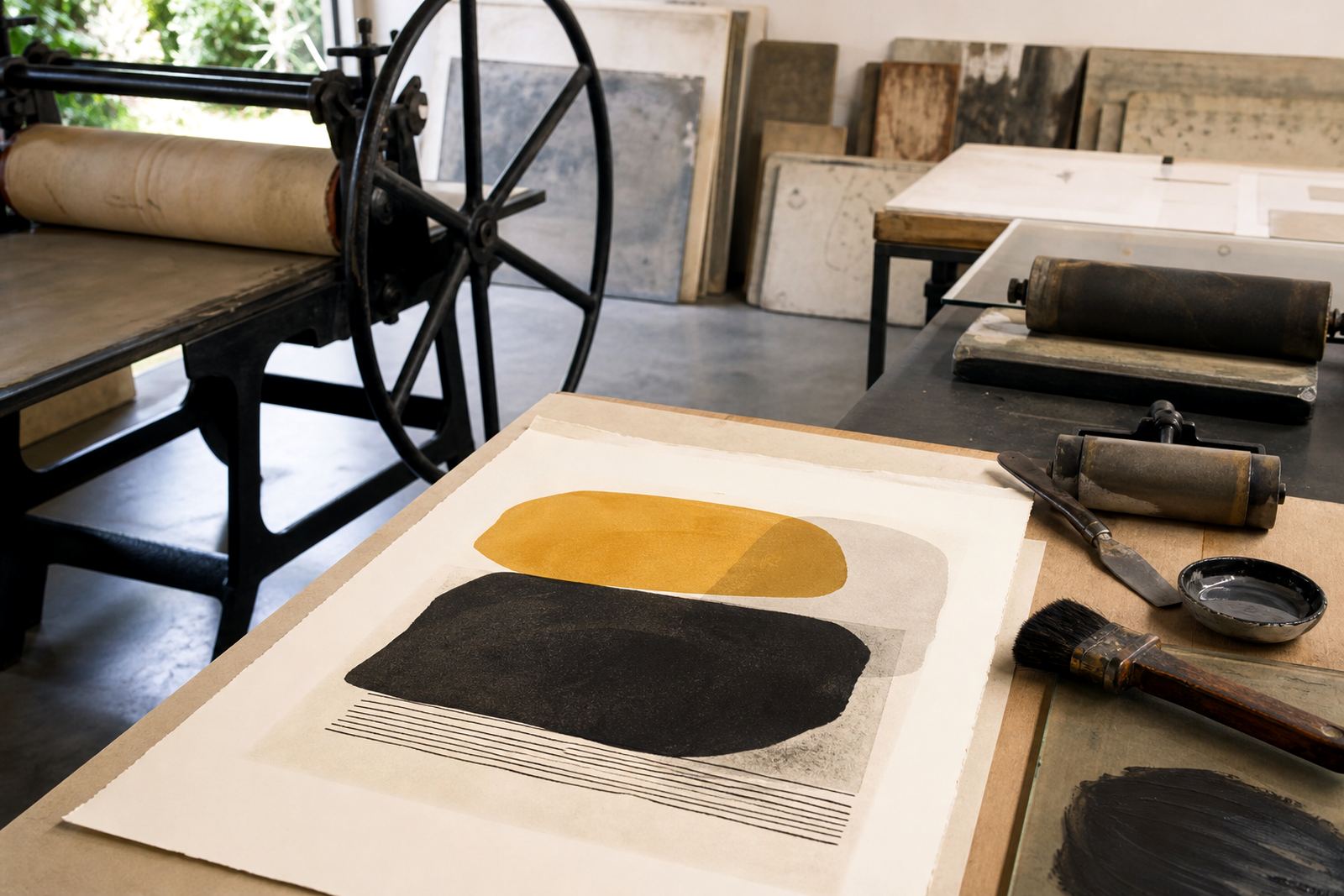
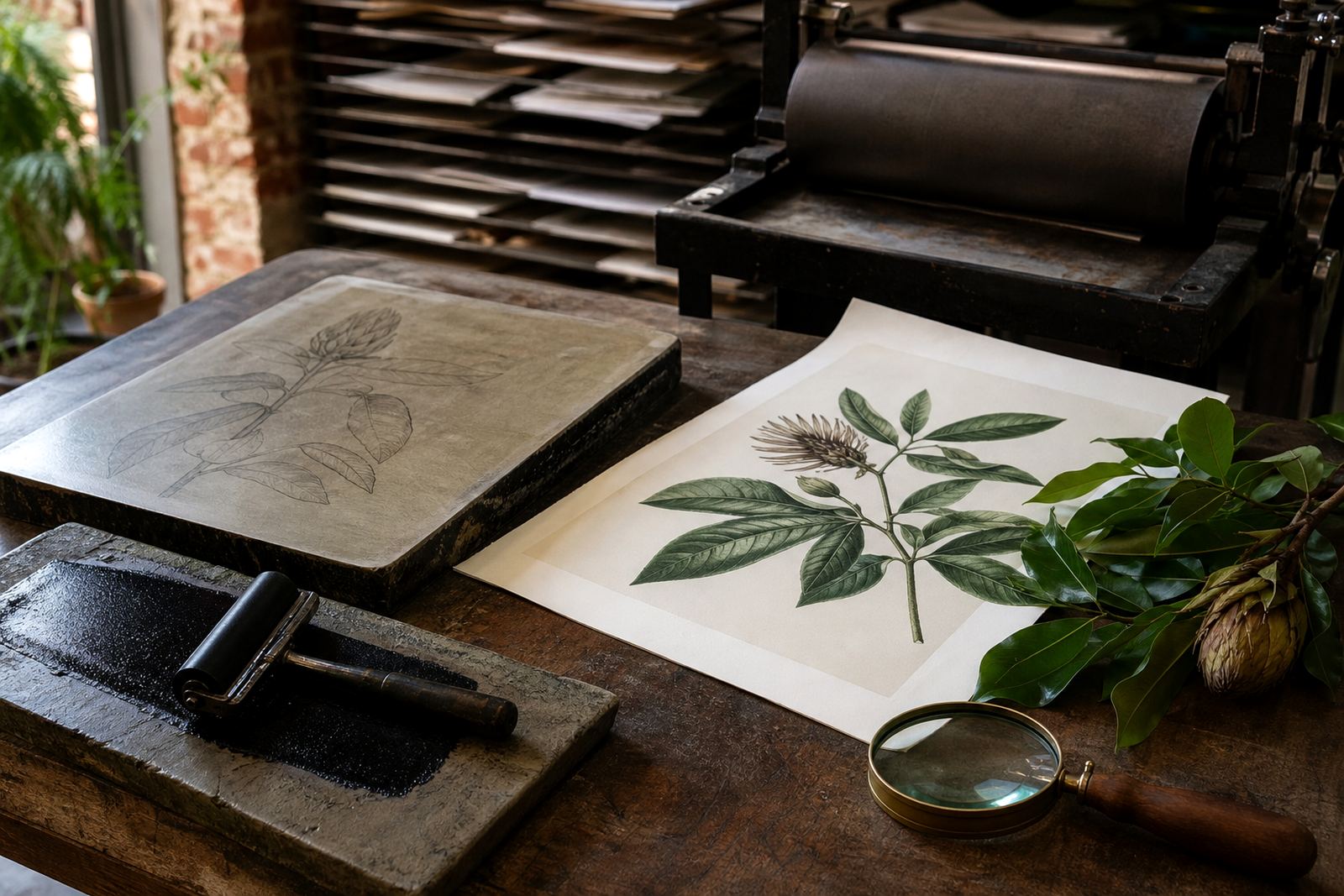
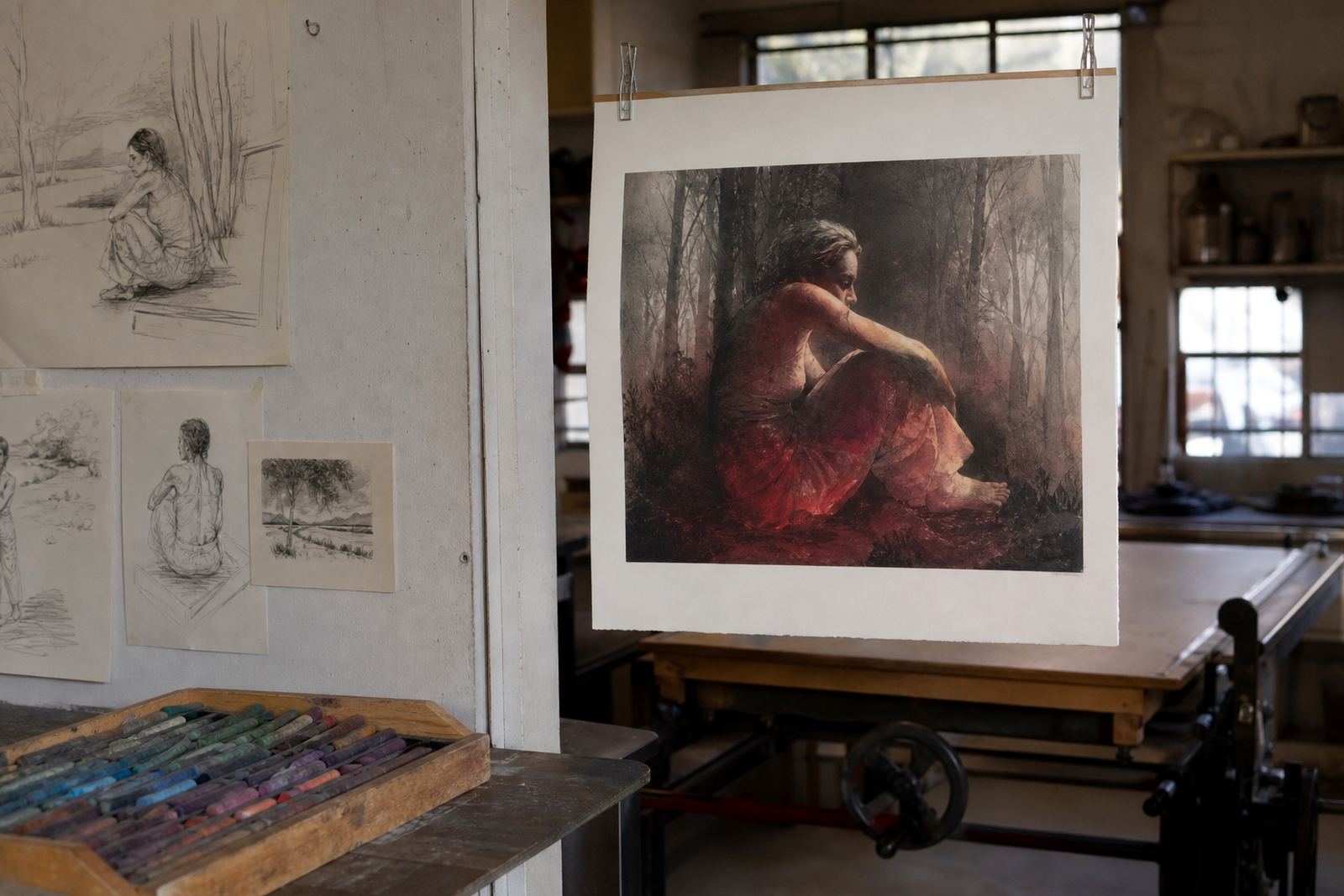
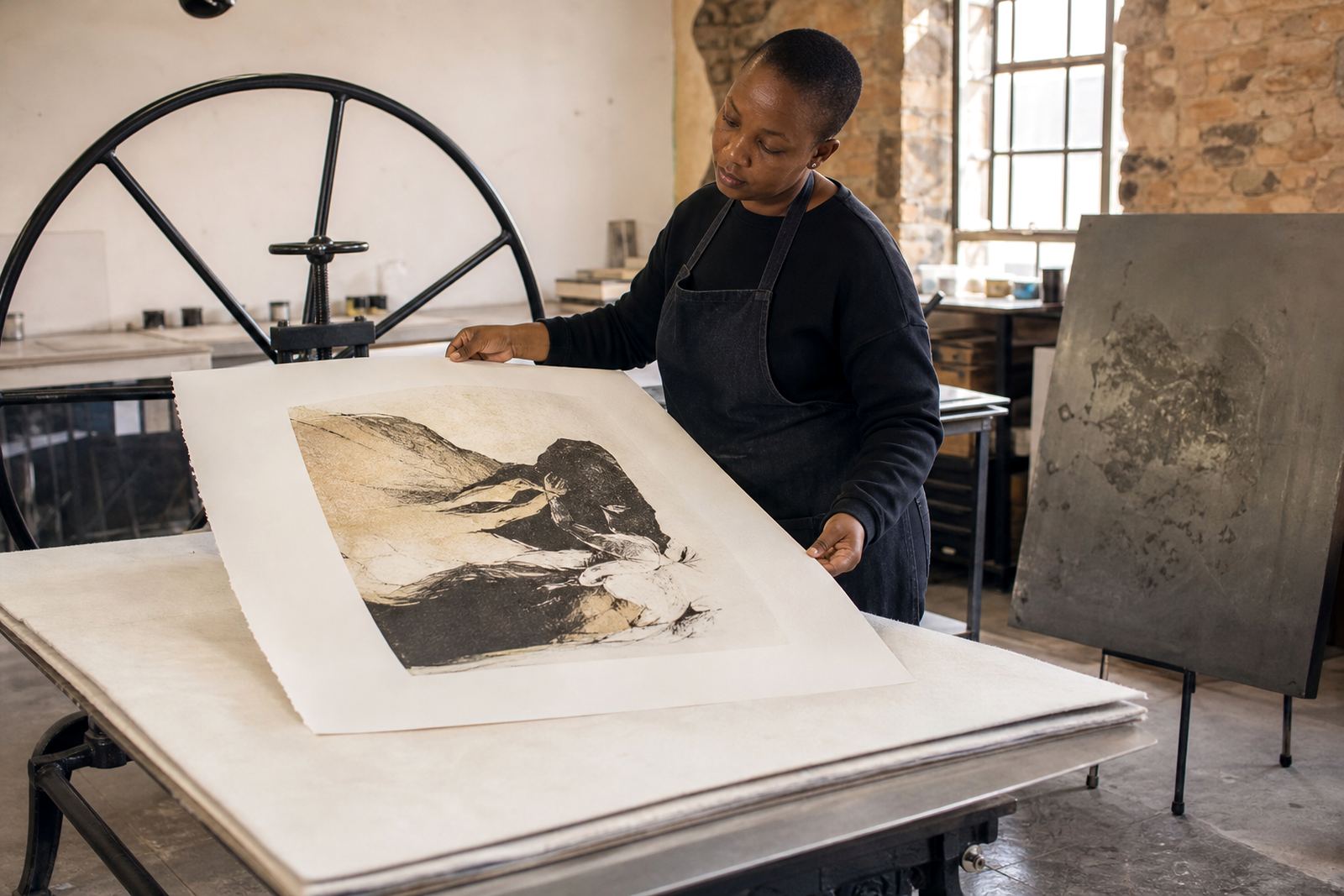
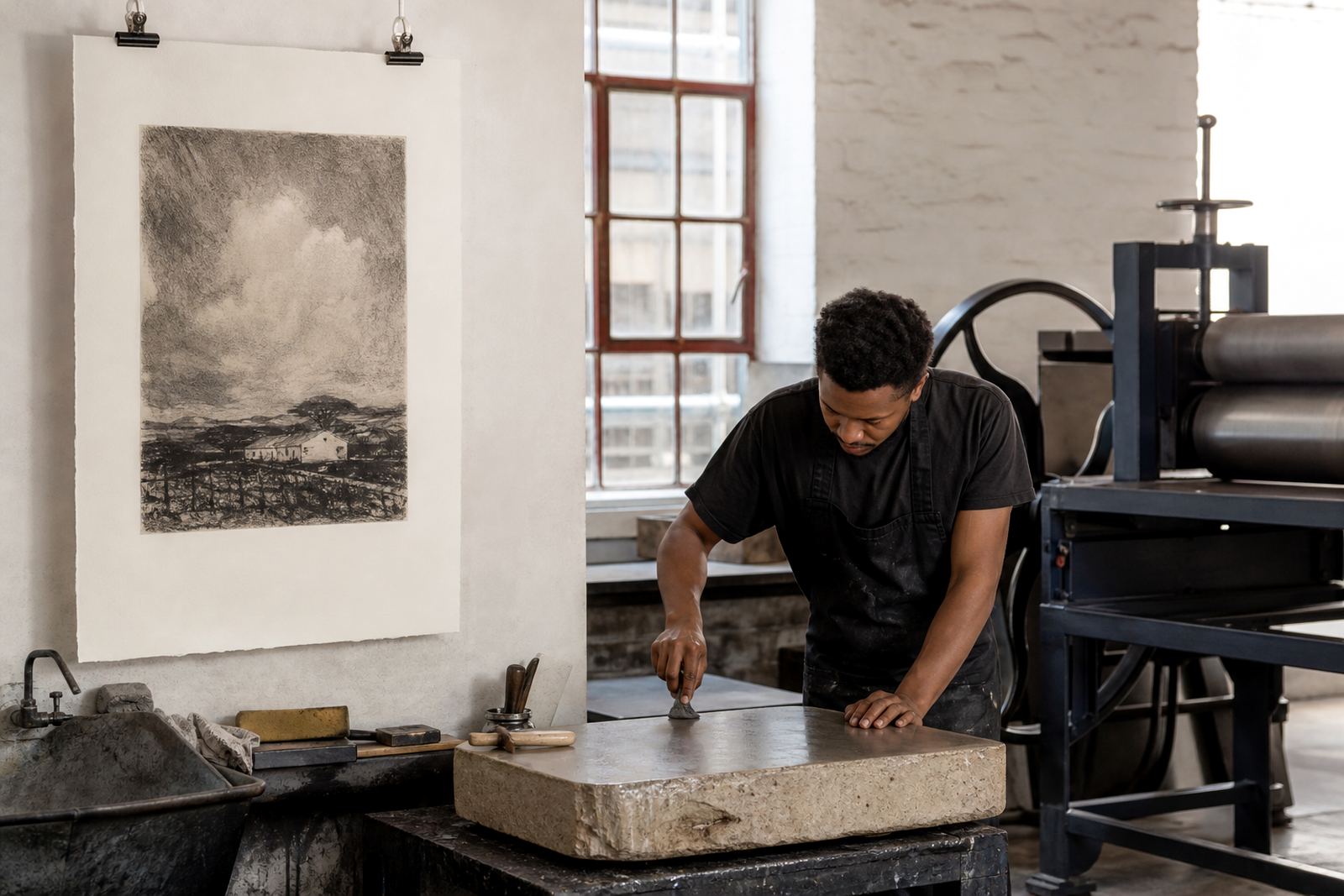
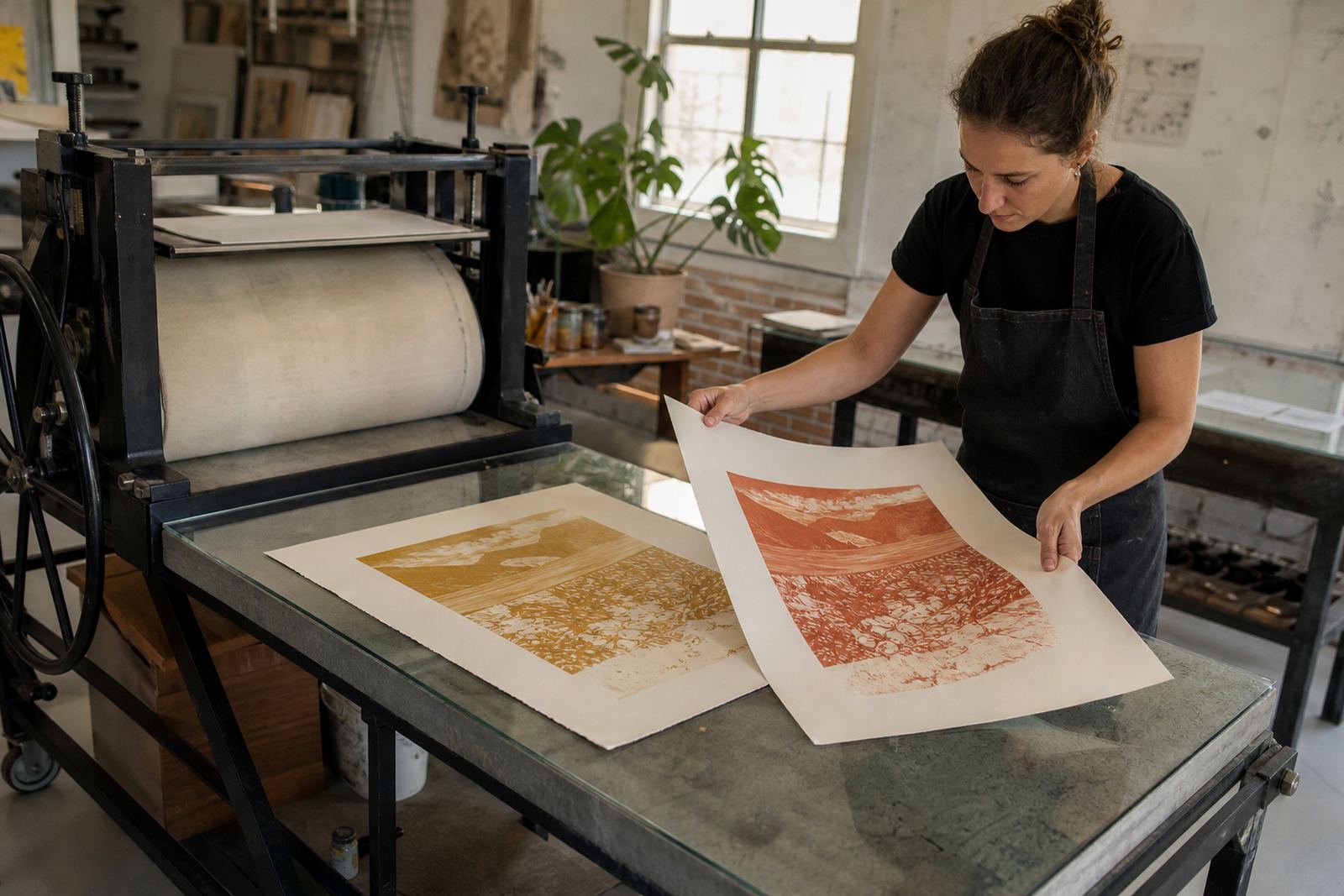
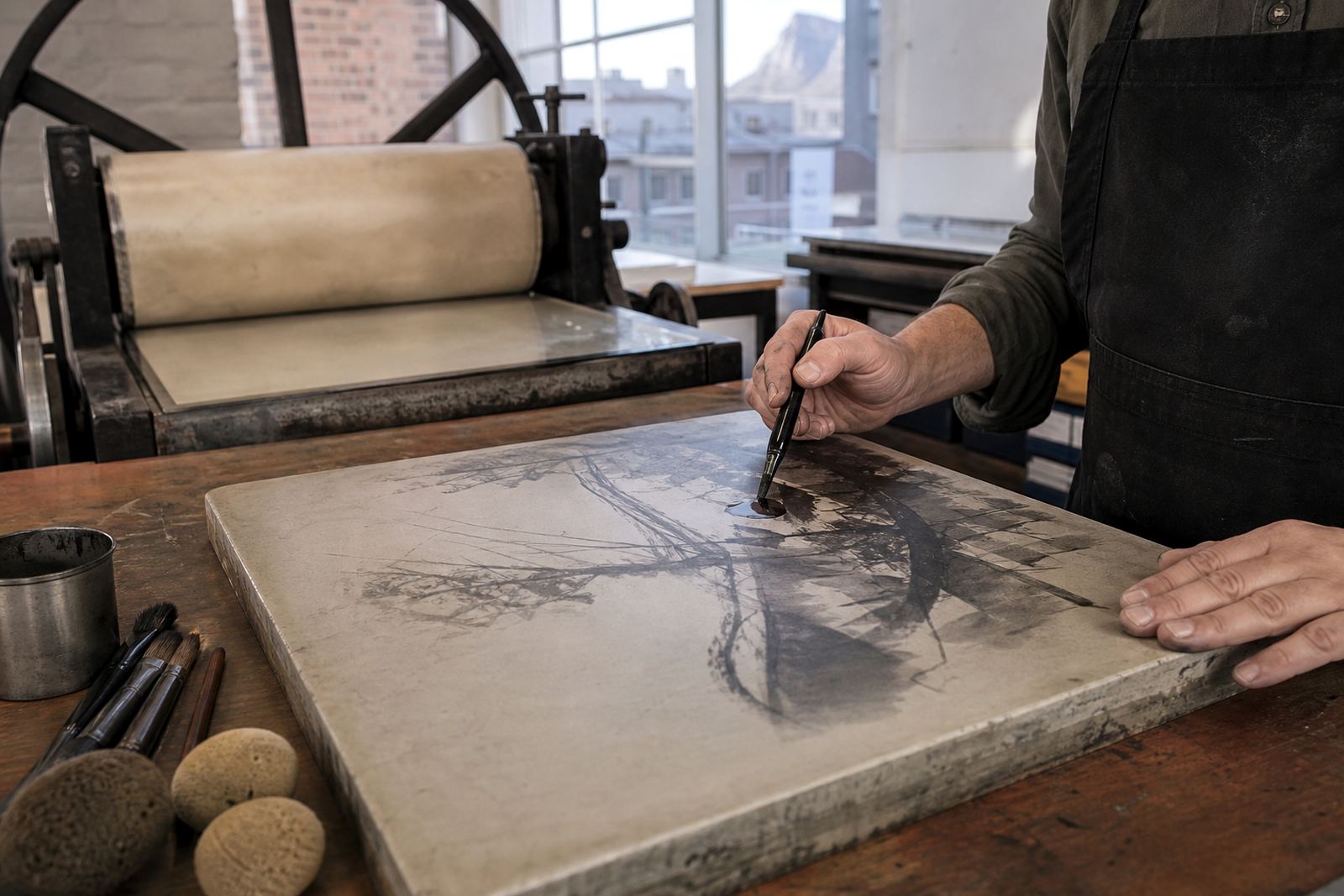
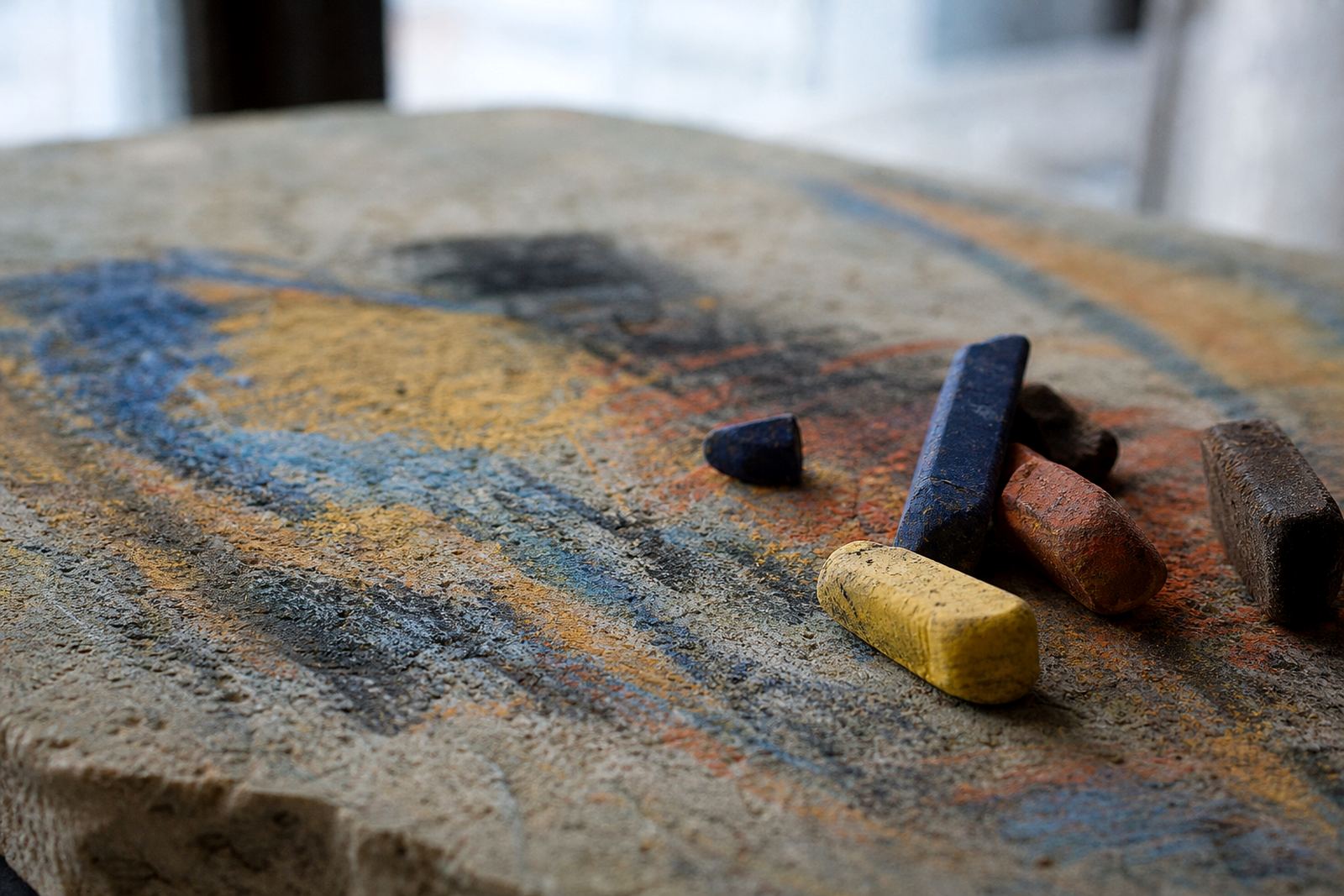
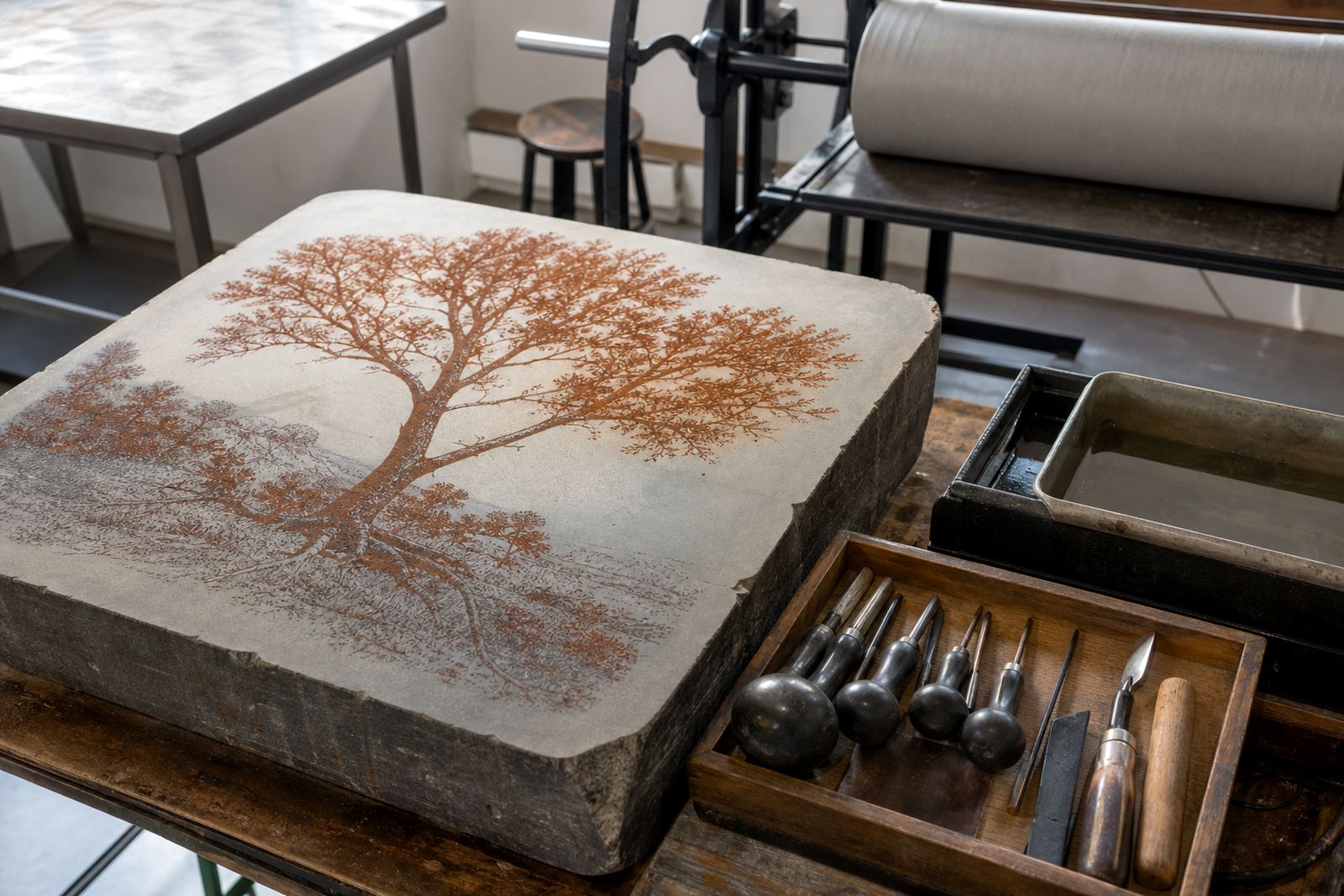
The process starts on a smooth limestone surface, where stone lithography takes shape as a printmaking method. The artist draws directly onto the stone with grease based materials, then the image is fixed, dampened and inked so the drawing accepts ink while the non-image areas reject it. The stone is then printed on paper under pressure, producing a print with subtle tone, fine line and a very direct hand-drawn character.
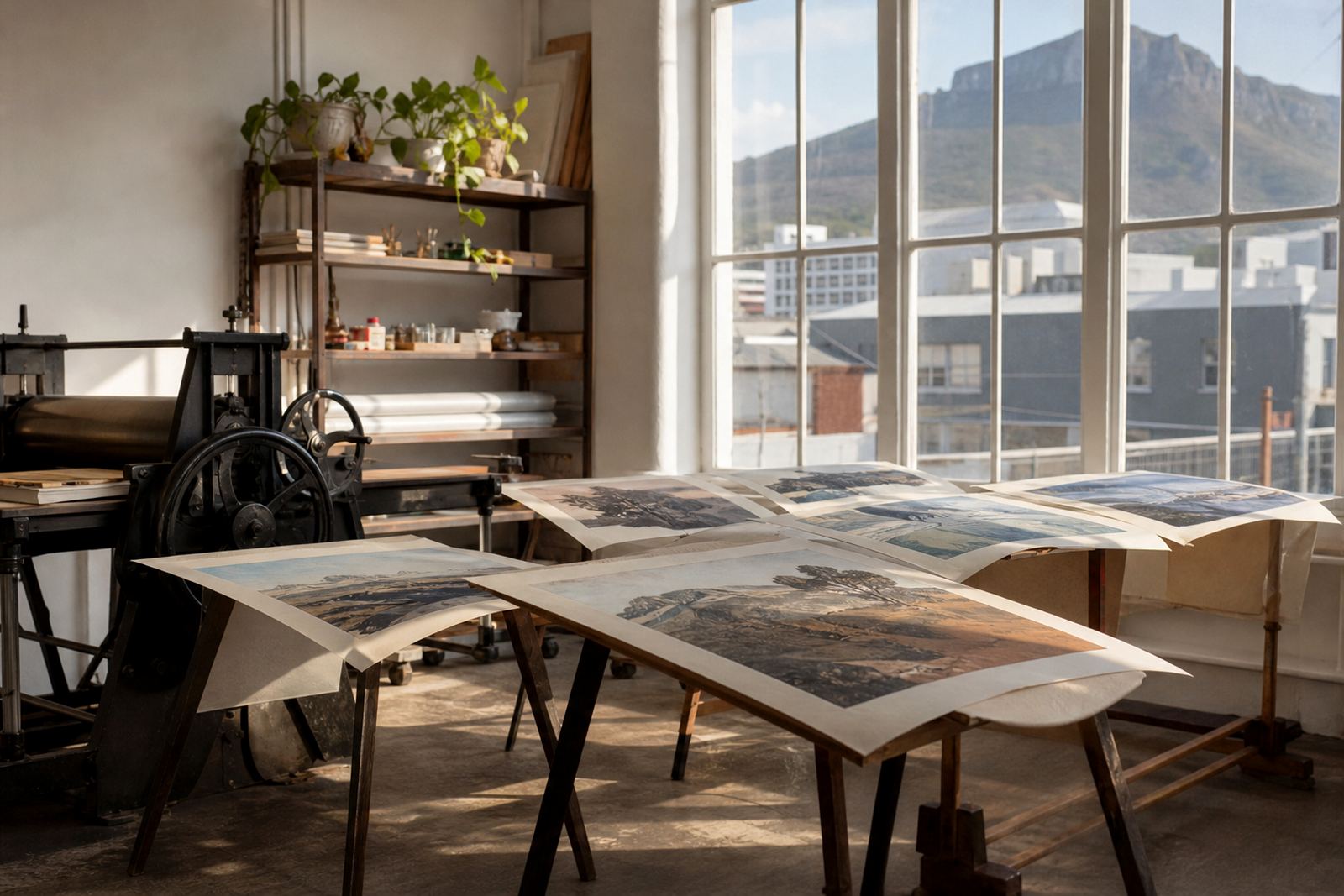
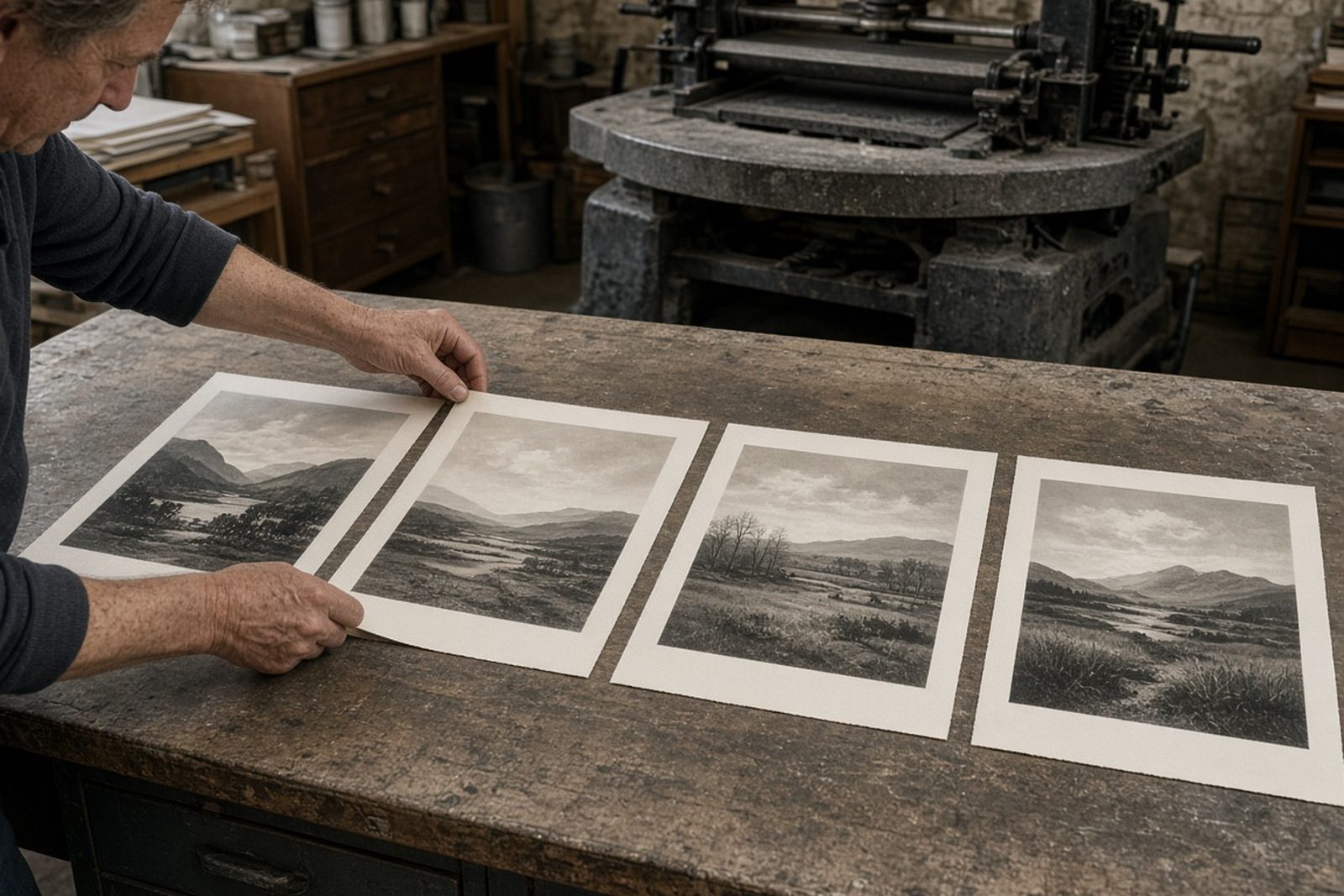
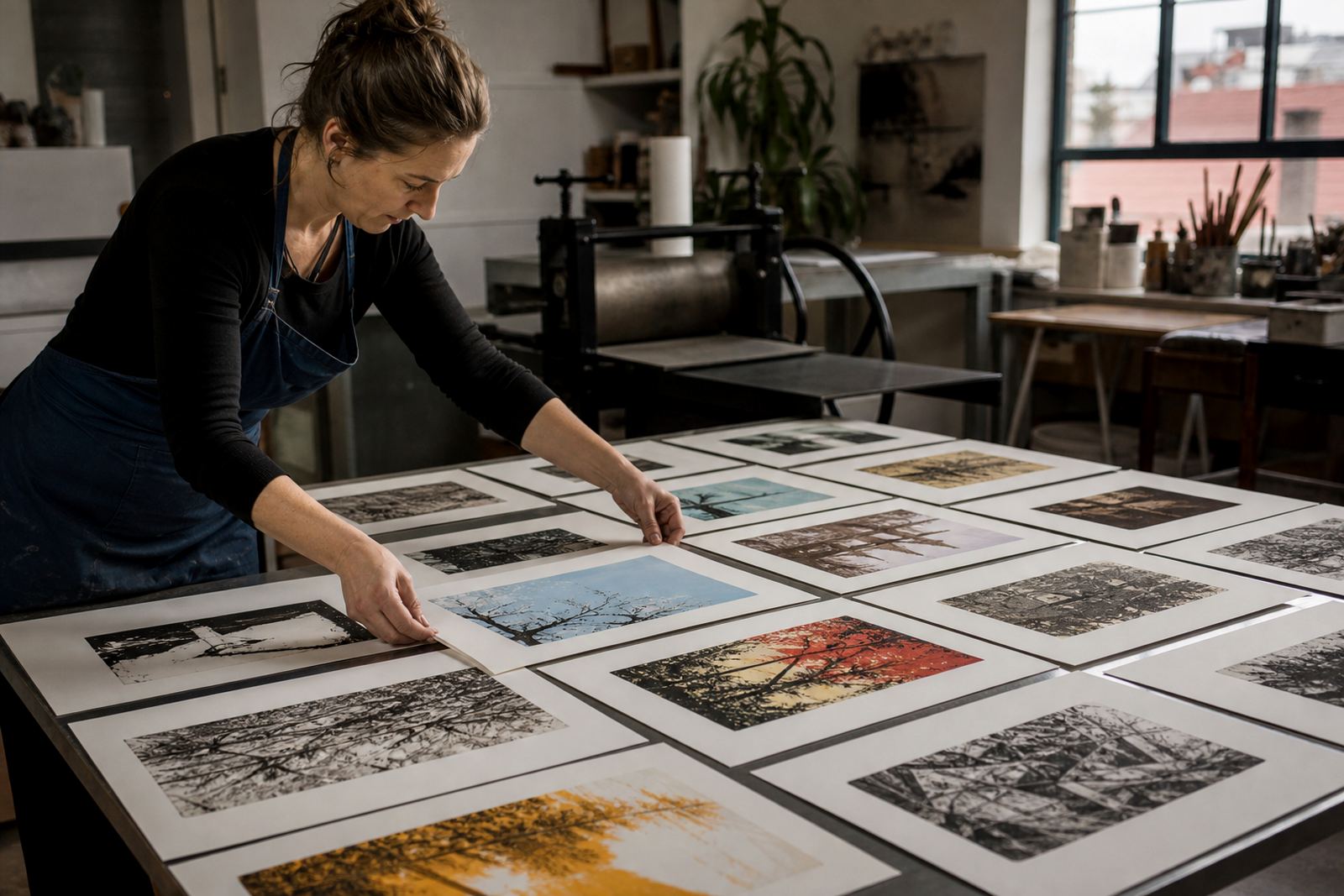
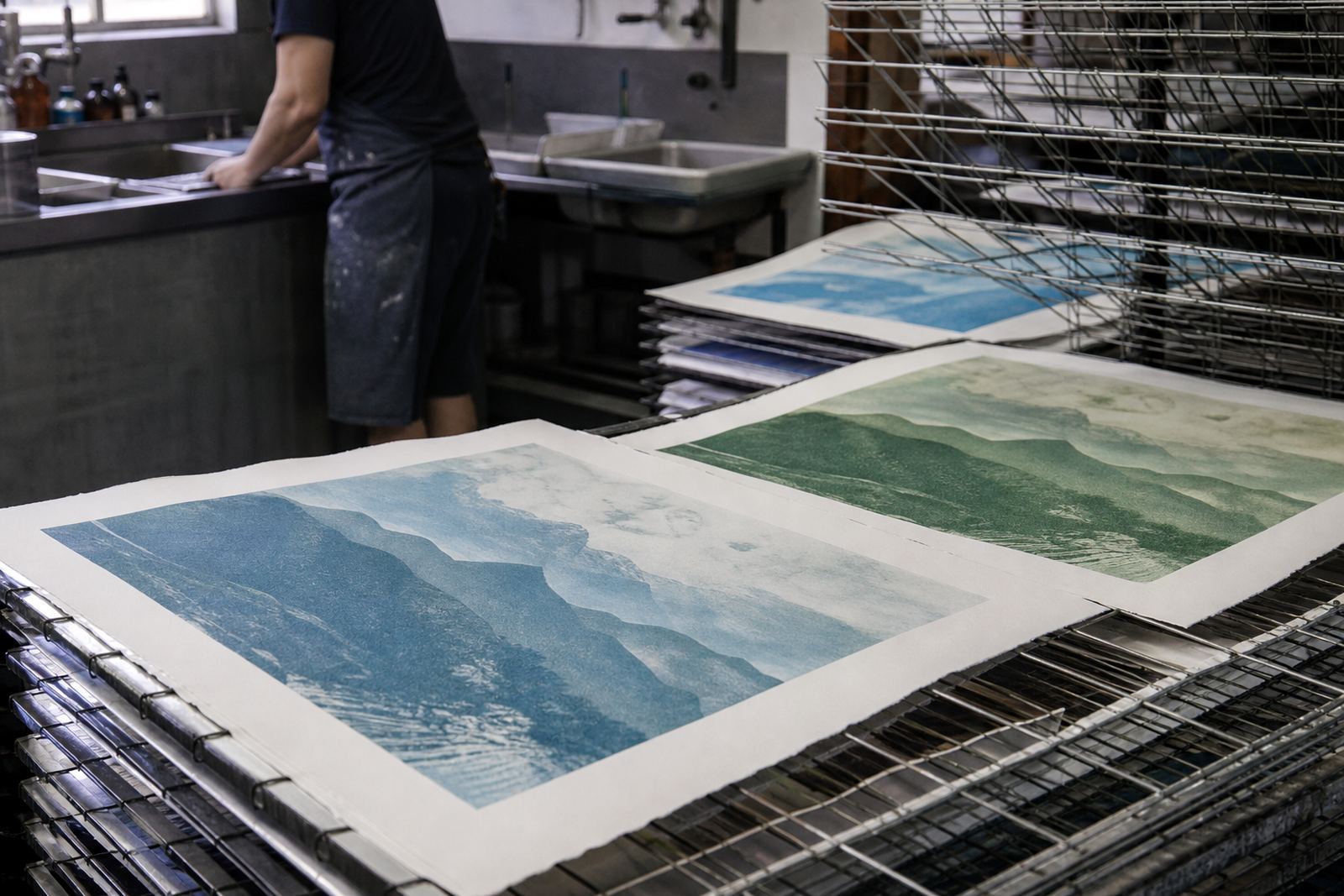
At our Woodstock studio, each limited edition is printed with close attention to drawing, paper and ink balance. That means the final set is not just a run of copies, but a planned body of works with a defined number, consistent colour and proper editioning from start to finish.
How to Choose a Limited Edition Print
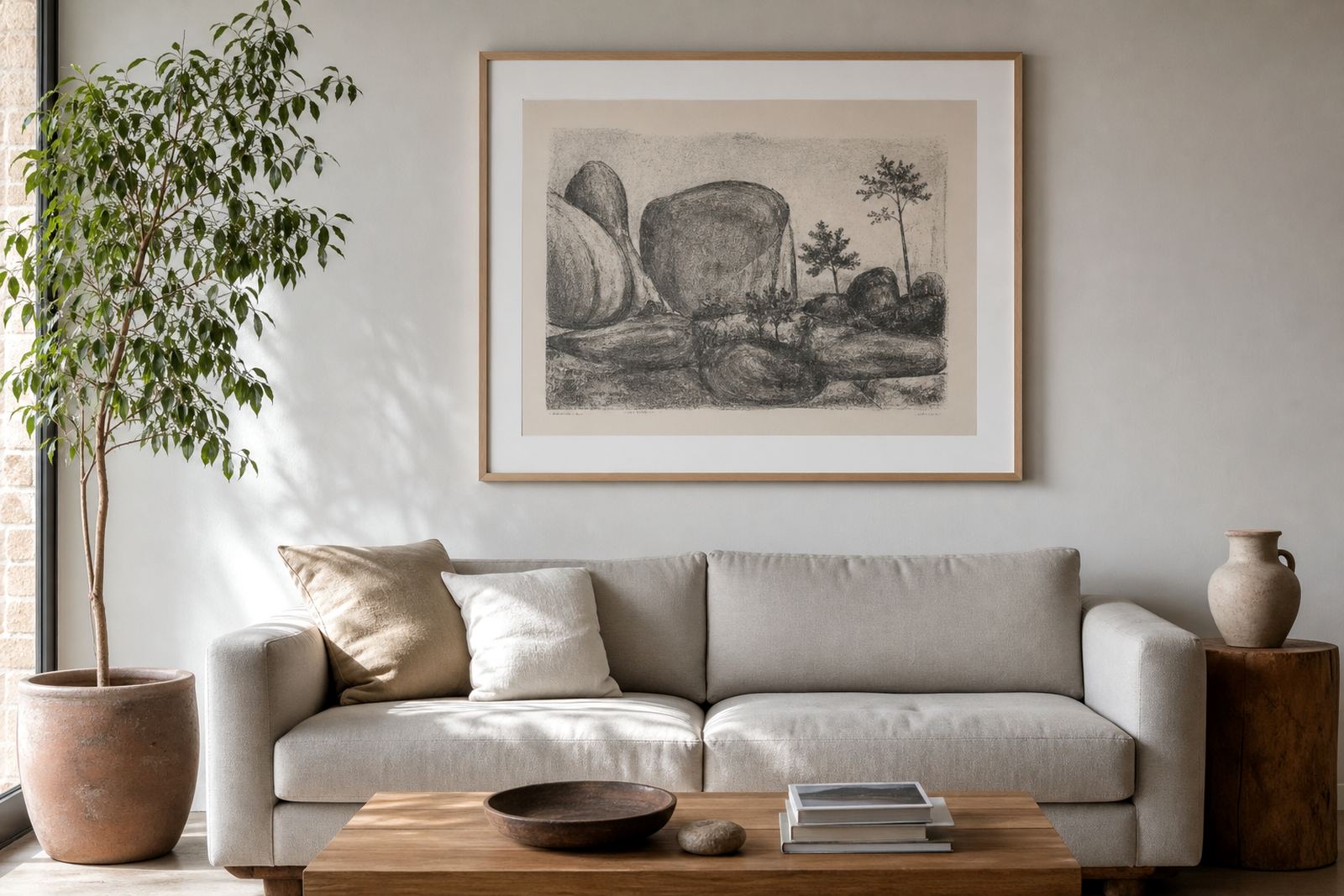
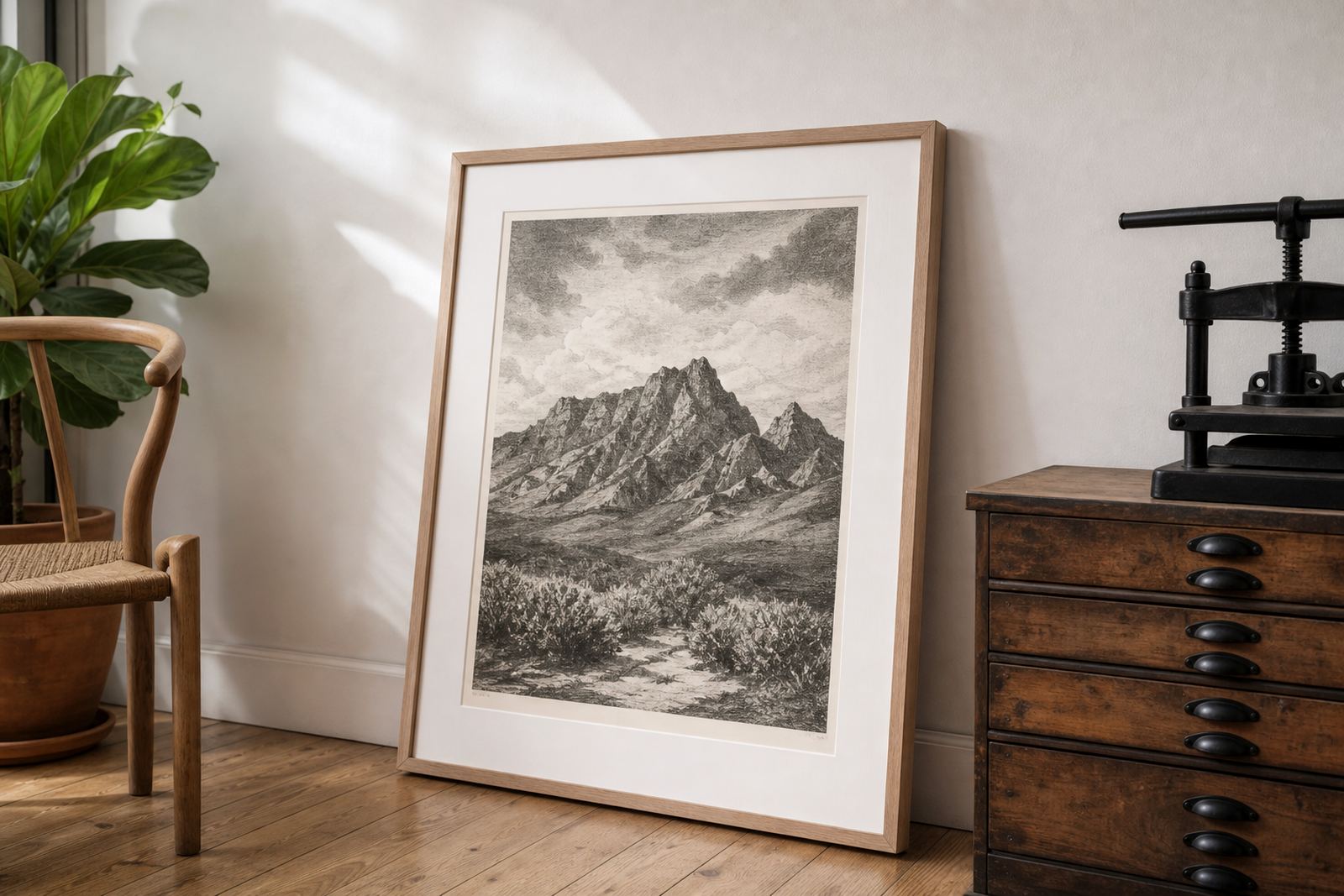
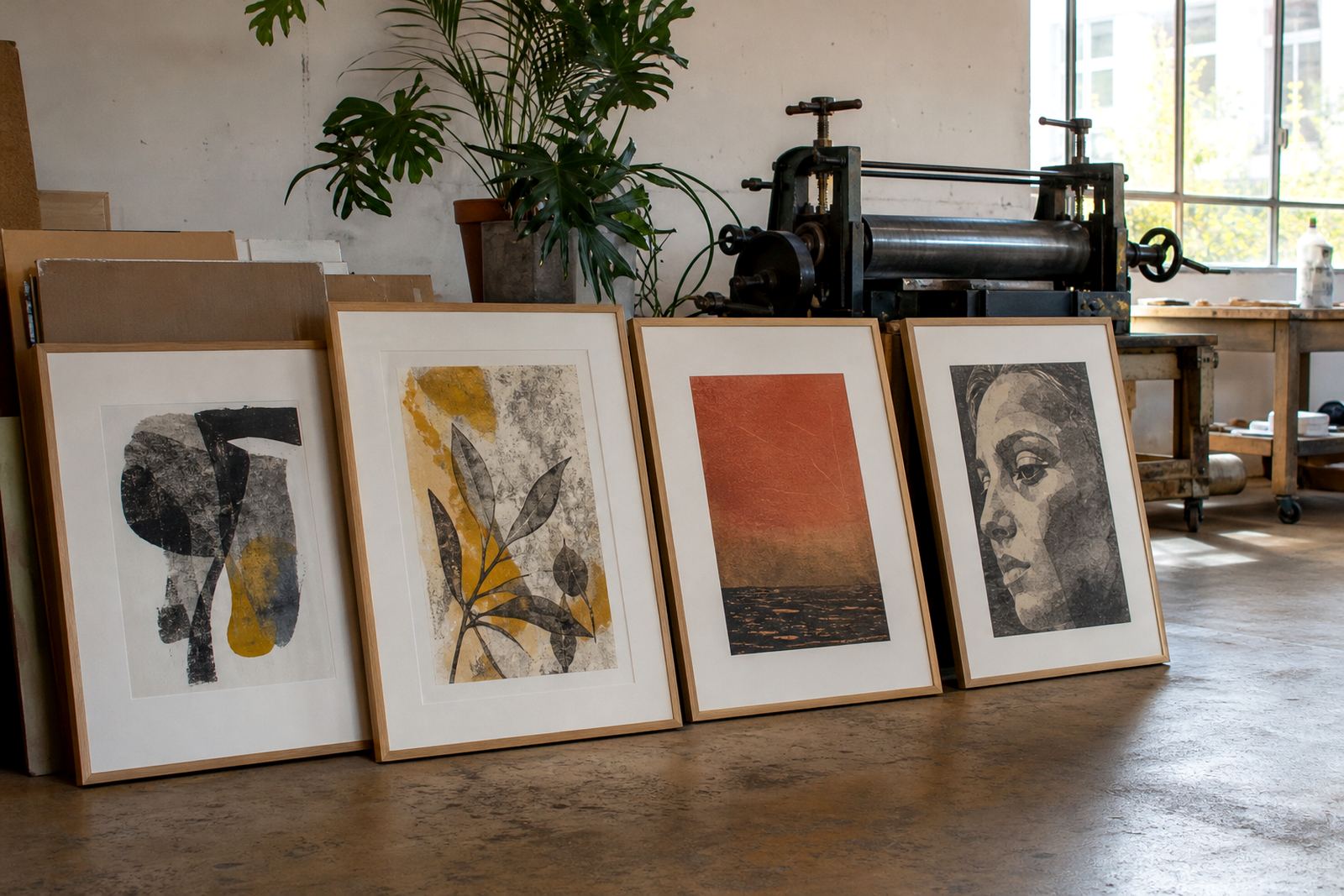
For collectors across Cape Town, Stellenbosch, Johannesburg, Pretoria and Durban, the right print often comes down to subject, scale and the way the work will live in the space. A small edition for a hallway has different needs to a larger work for a lounge wall or guest room. We also help clients think about lighting, framing and how paper tone will sit with painted walls or timber finishes.
- Choose size based on the wall, viewing distance and available framing space.
- Think about colour, as some editions are quiet and tonal while others are more vivid.
- Ask about the paper stock, especially if the print will hang in a bright room.
- Consider whether you want a single work or a pair for a matched setting.
- Check if the edition is signed and numbered, which helps with collectable value.
Edition Planning, Proofing and Numbering
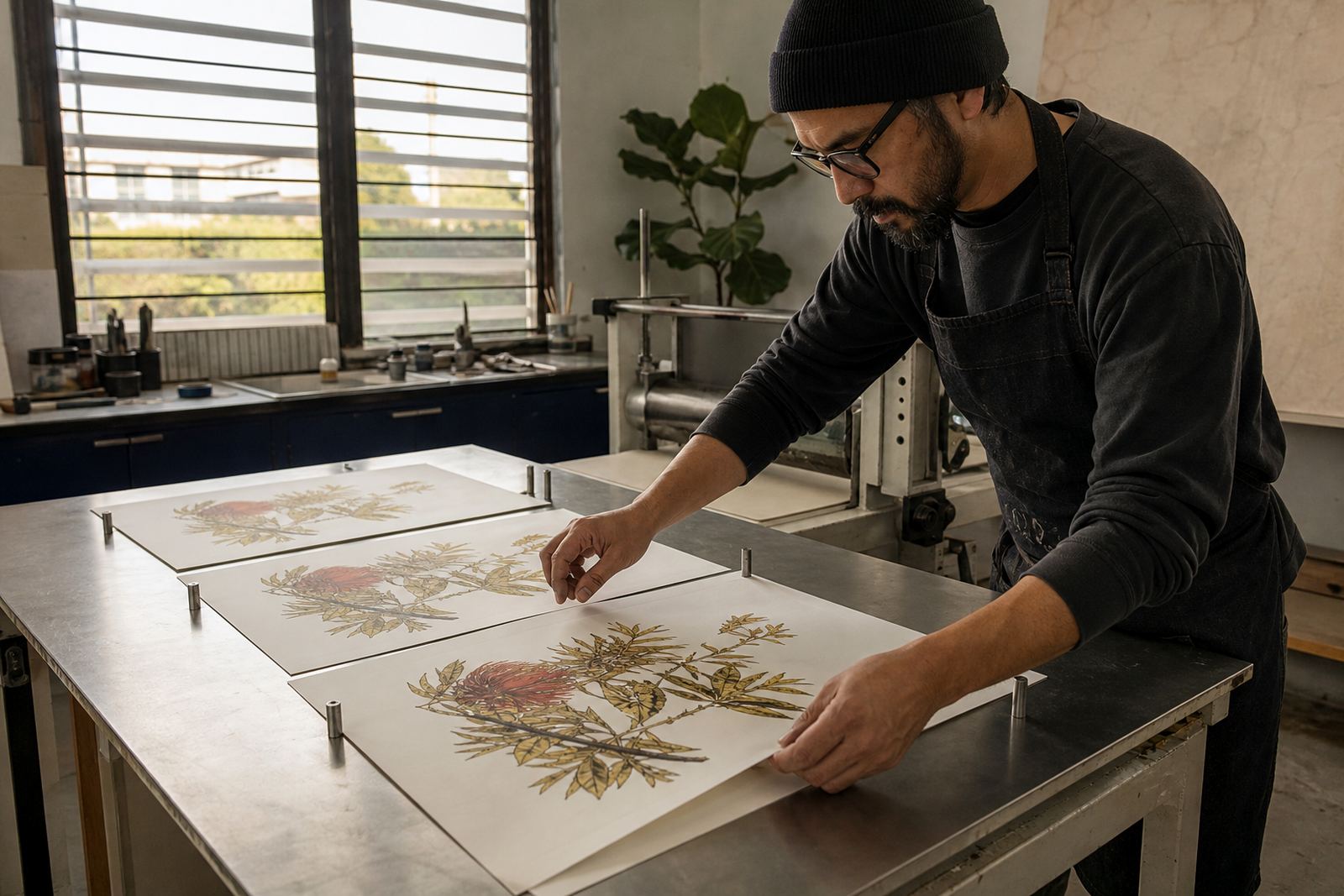
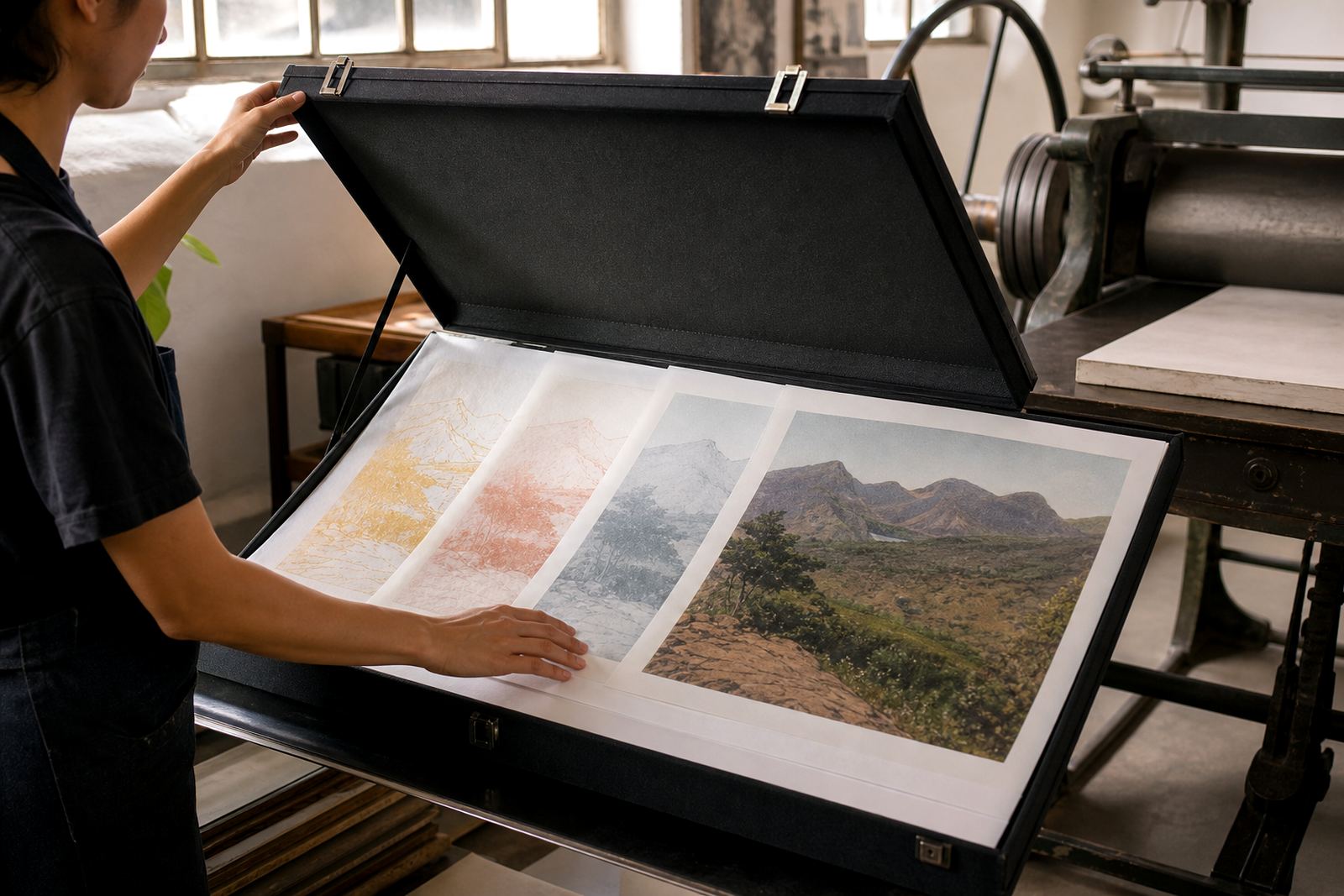
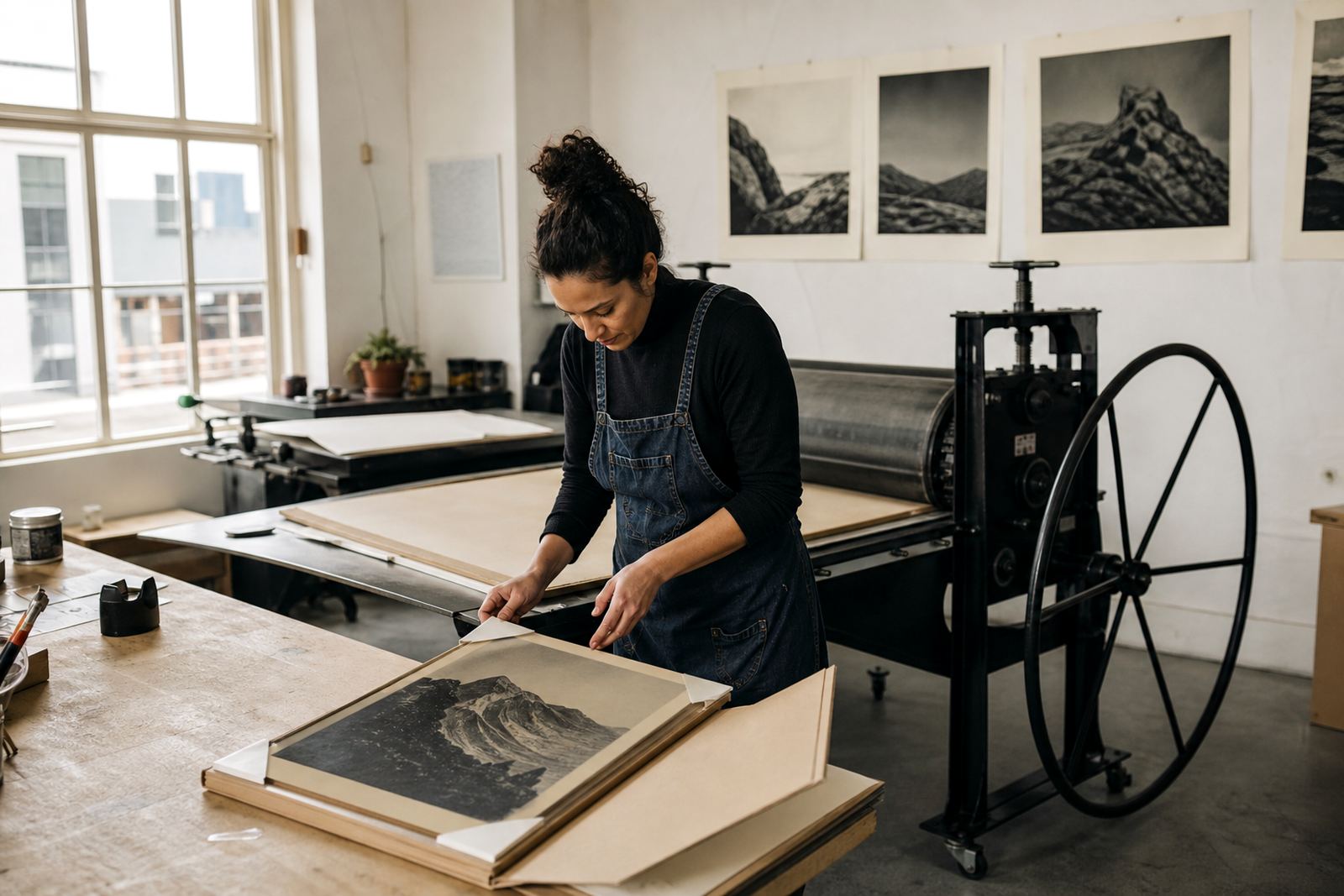
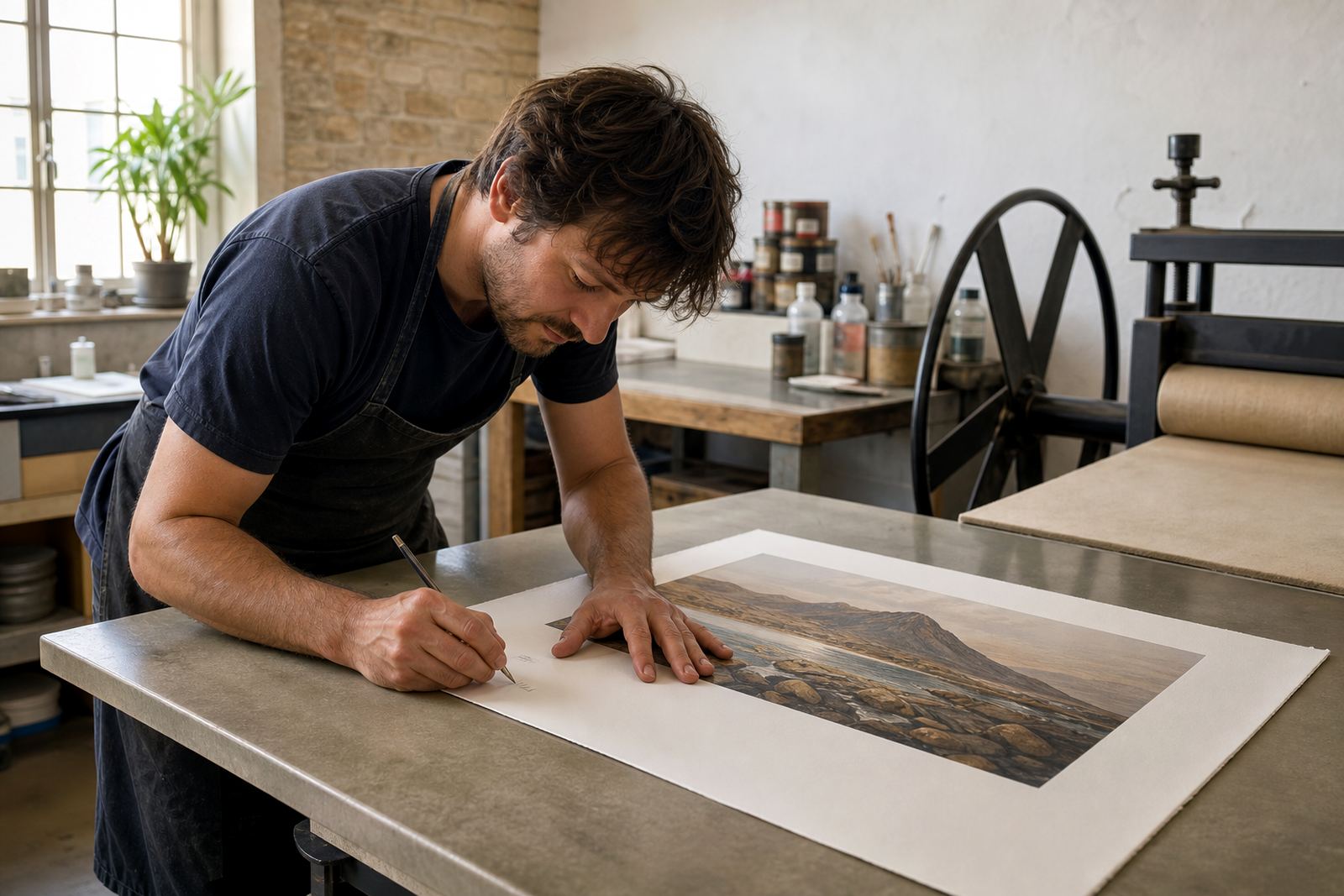
A proper edition starts well before the final print run. We plan the edition with the artist, decide on paper, agree on the colour sequence and work through proofing until the image reads correctly. Proofs allow adjustments to ink density, pressure and registration so the final edition prints with control and clean detail, not guesswork.
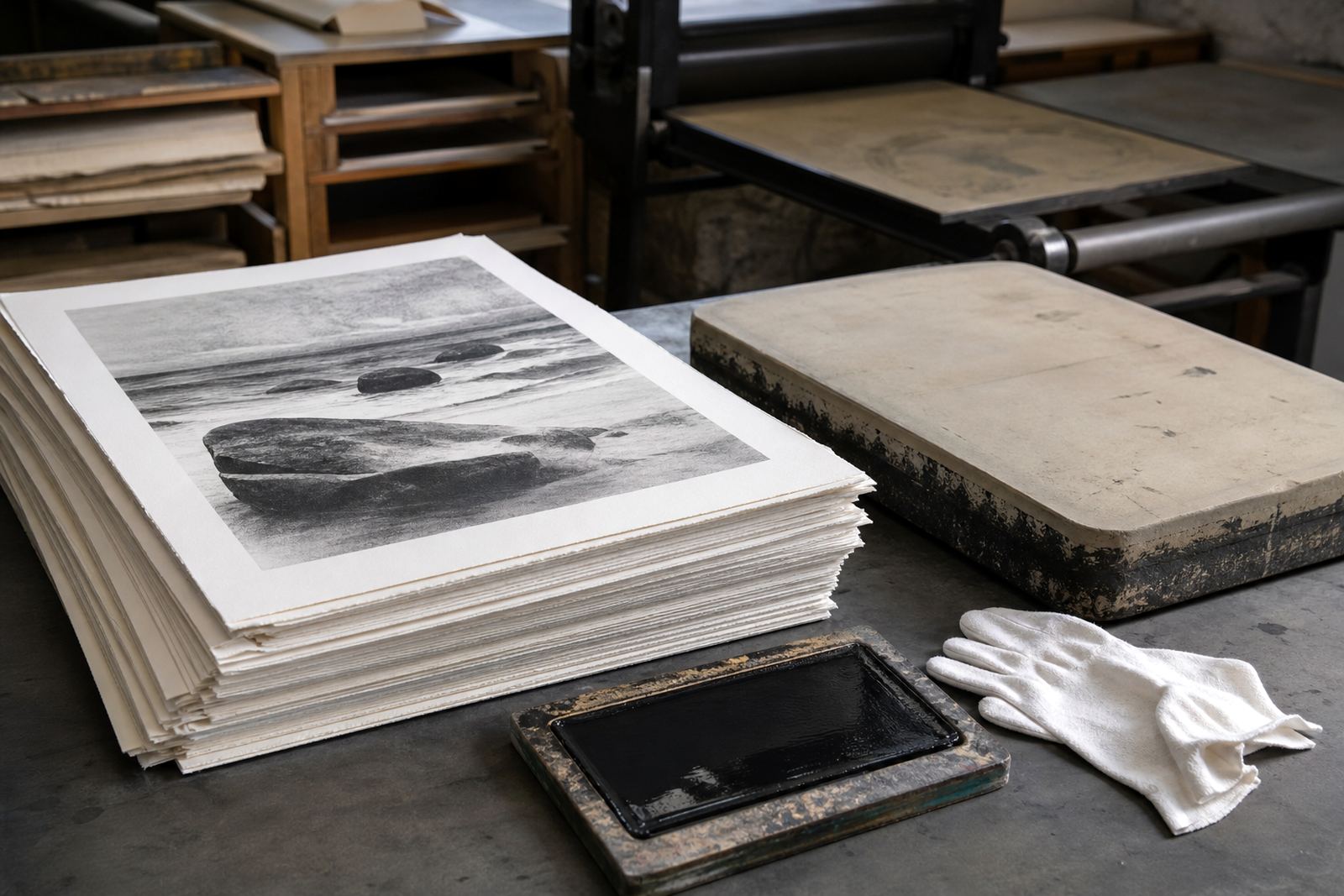
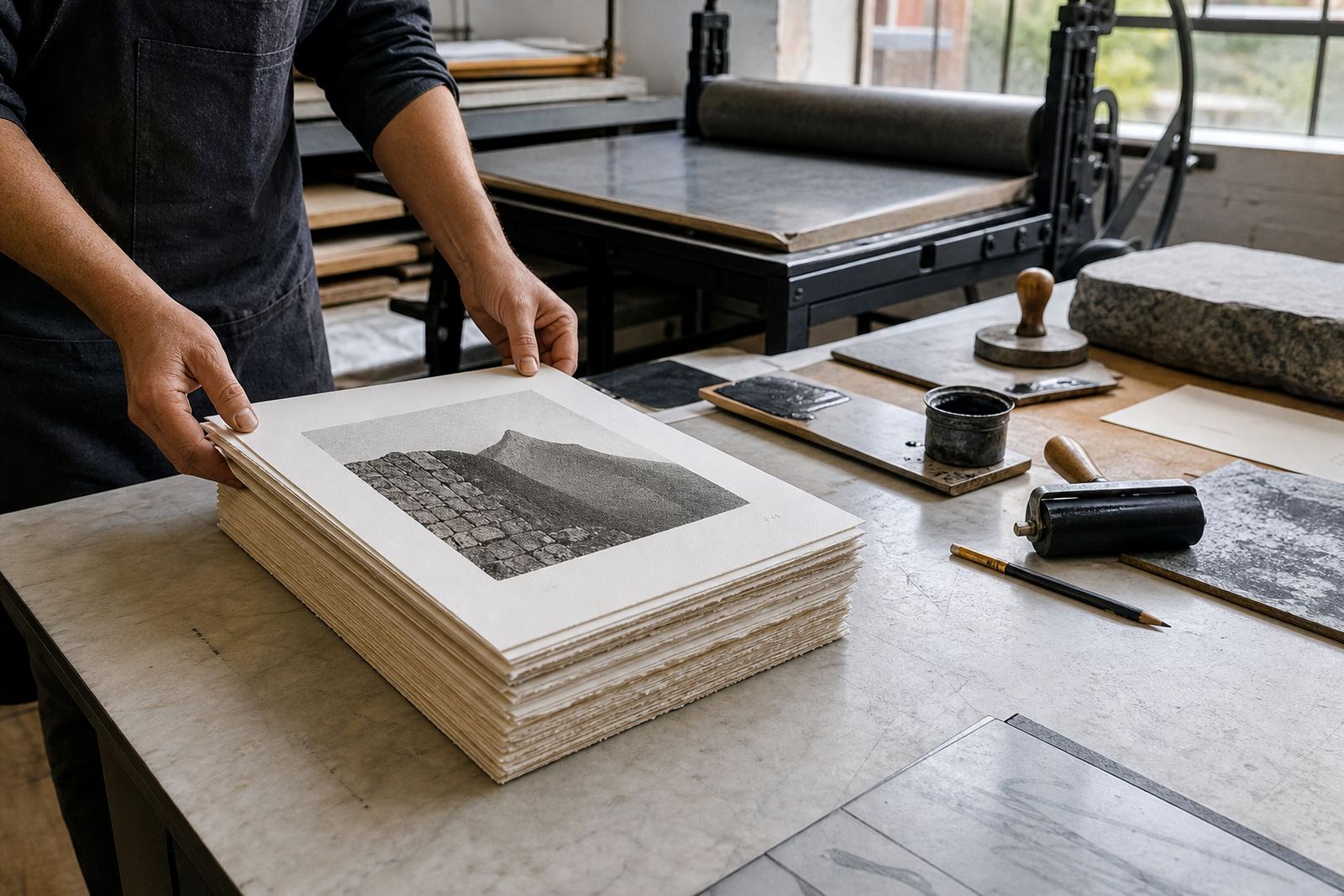
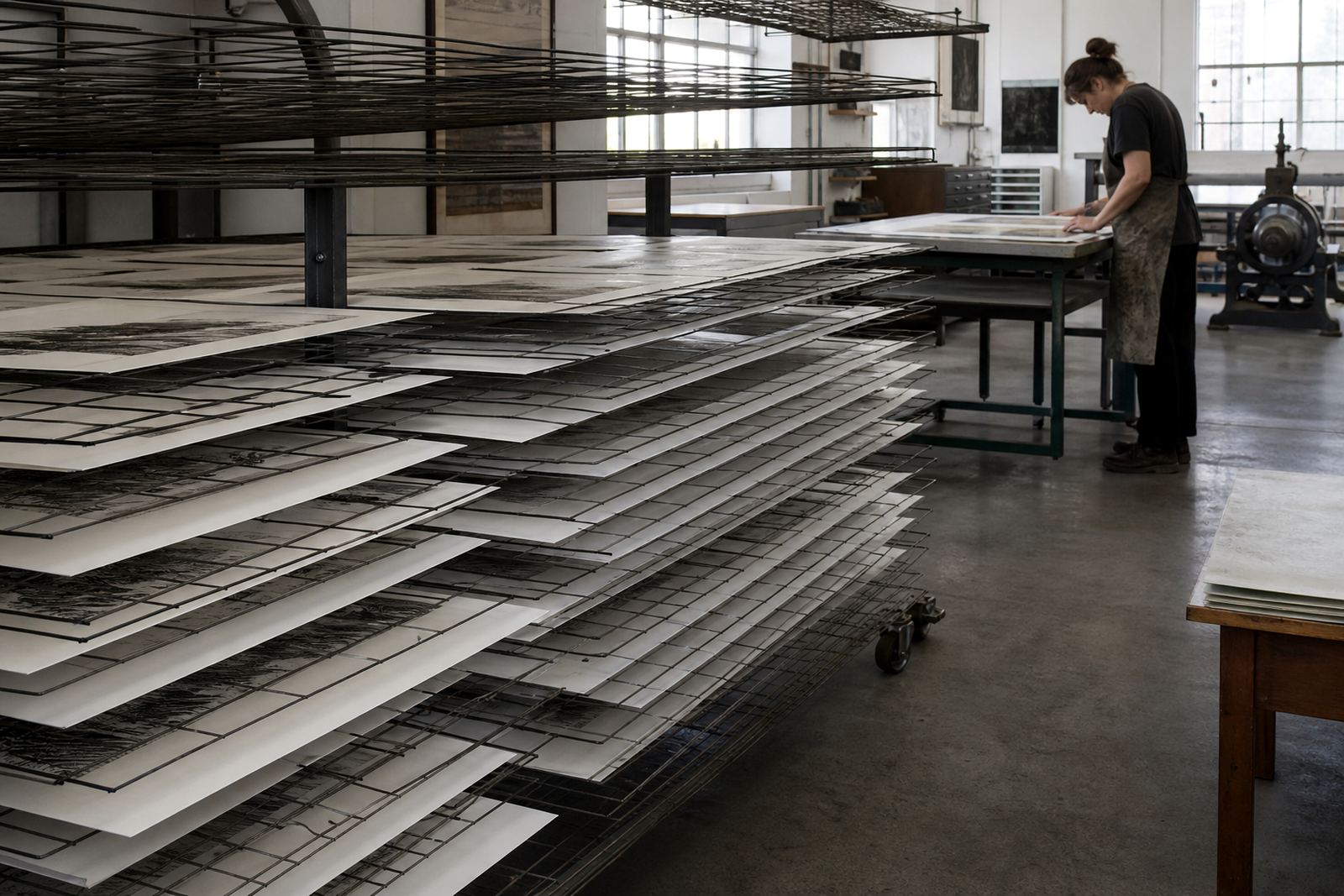
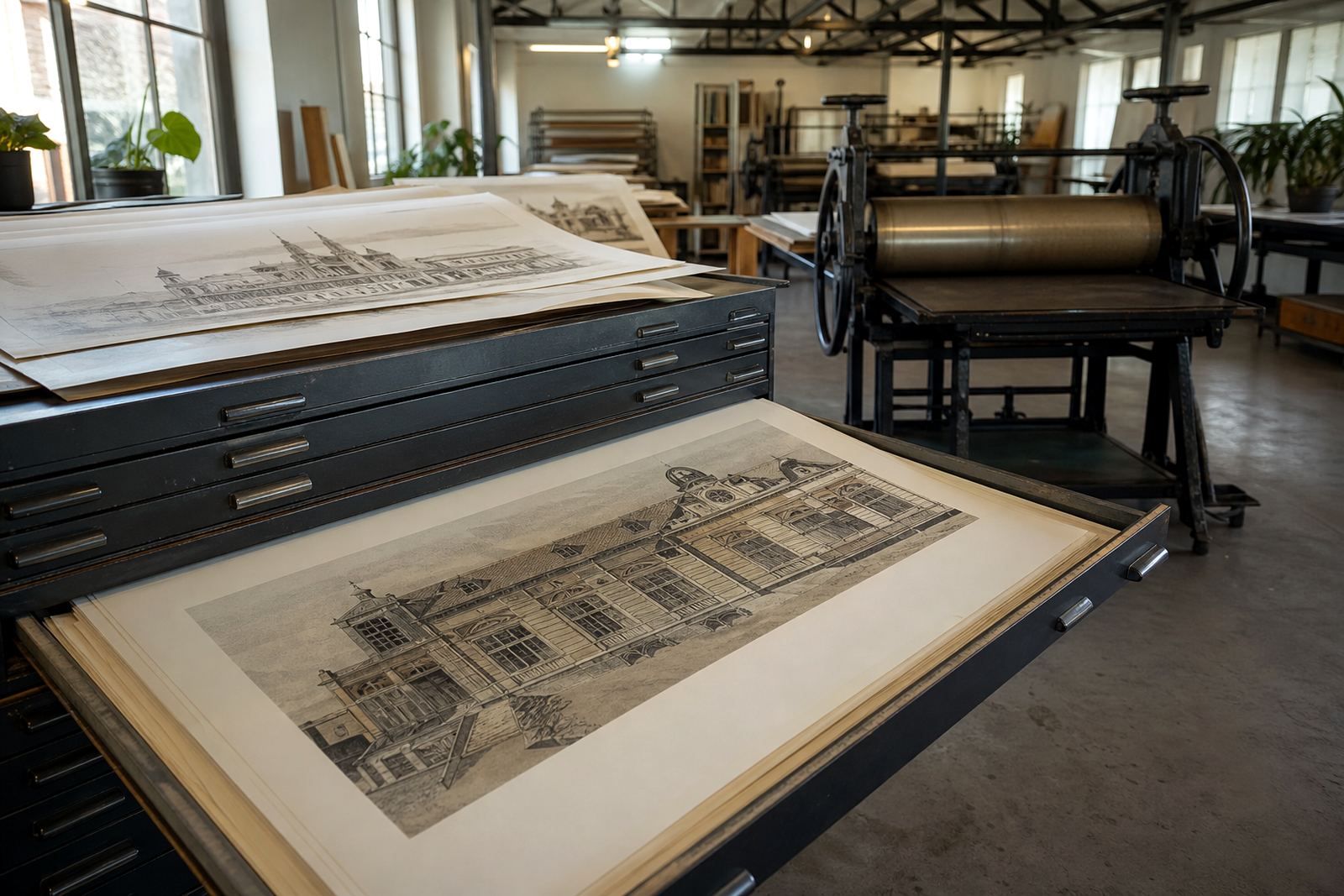
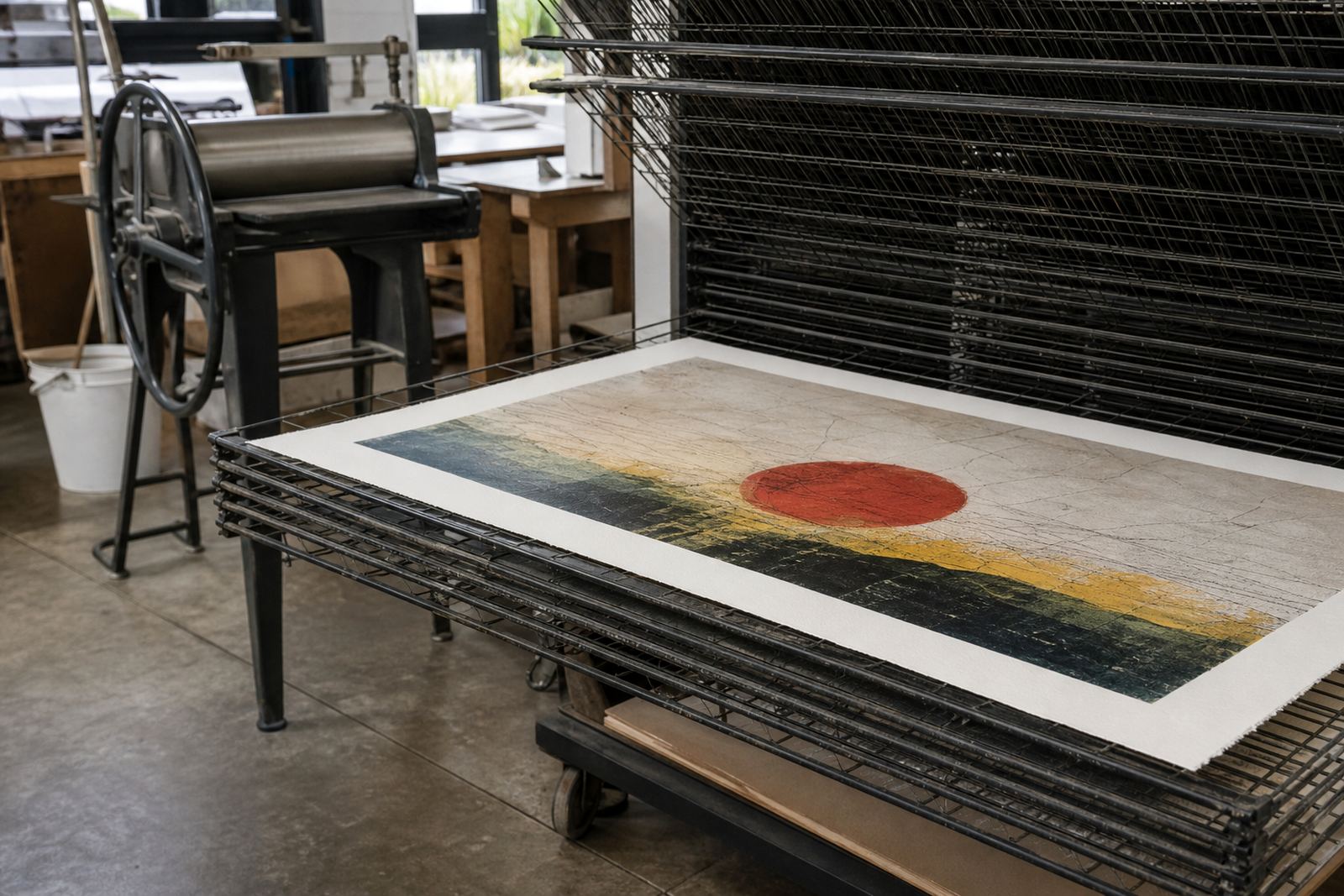
Once approved, each sheet is printed in sequence, dried and checked before signing and numbering. This keeps the edition orderly and gives collectors confidence that the print they receive belongs to an established run, not a loose or untracked image.
- Artist proofs may exist in some editions and are handled separately.
- Numbering shows the place of a print within the edition, for example 3/25.
- Any hand colouring or variation should be clearly explained before purchase.
Prints for Collectors, Gifts and Interior Spaces
Limited edition lithographs work well as first-time art purchases, milestone gifts and long term collecting. Because the editions are finite, they give buyers a clear sense of origin and intent, while still allowing room for personal taste. Many clients from Sea Point and Newlands choose works that fit into contemporary homes, while others prefer quieter editions for studies, passages or hospitality spaces.
We also advise on framing coordination for works that will be displayed in humid coastal areas or in rooms exposed to strong afternoon sun. Good framing can make a lasting difference, especially when a print is expected to stay on the wall for years.
Care, Framing and Archival Packing
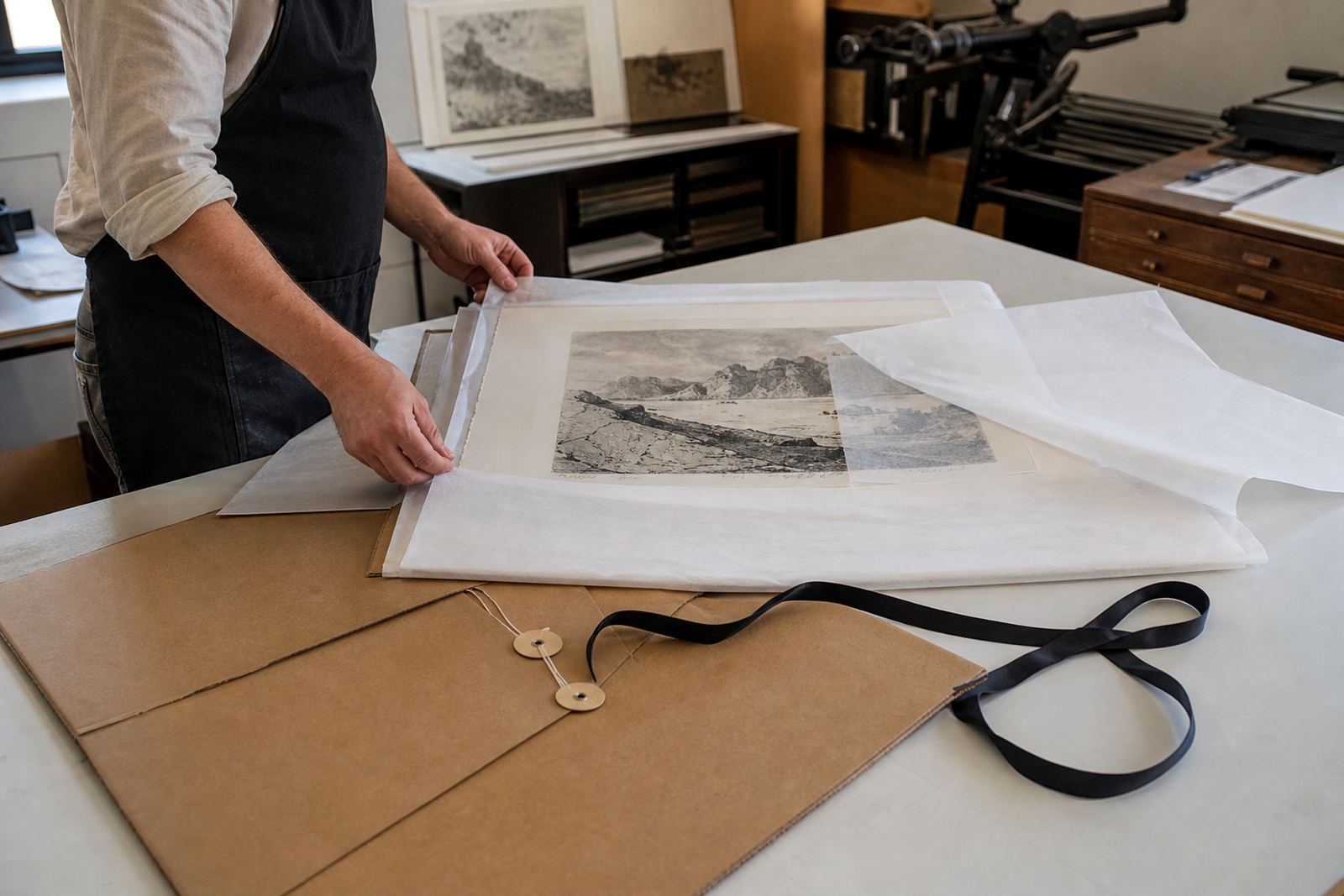
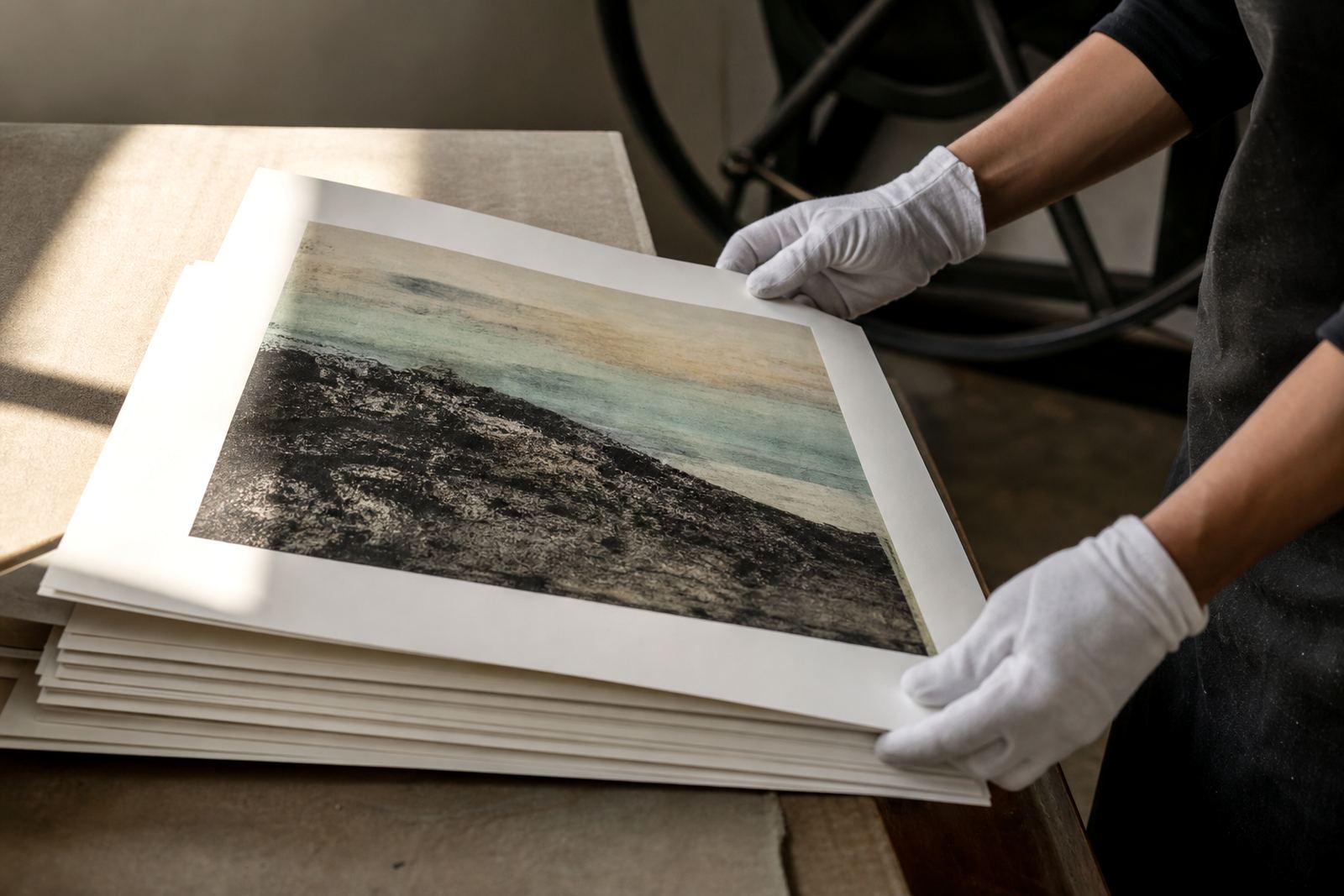
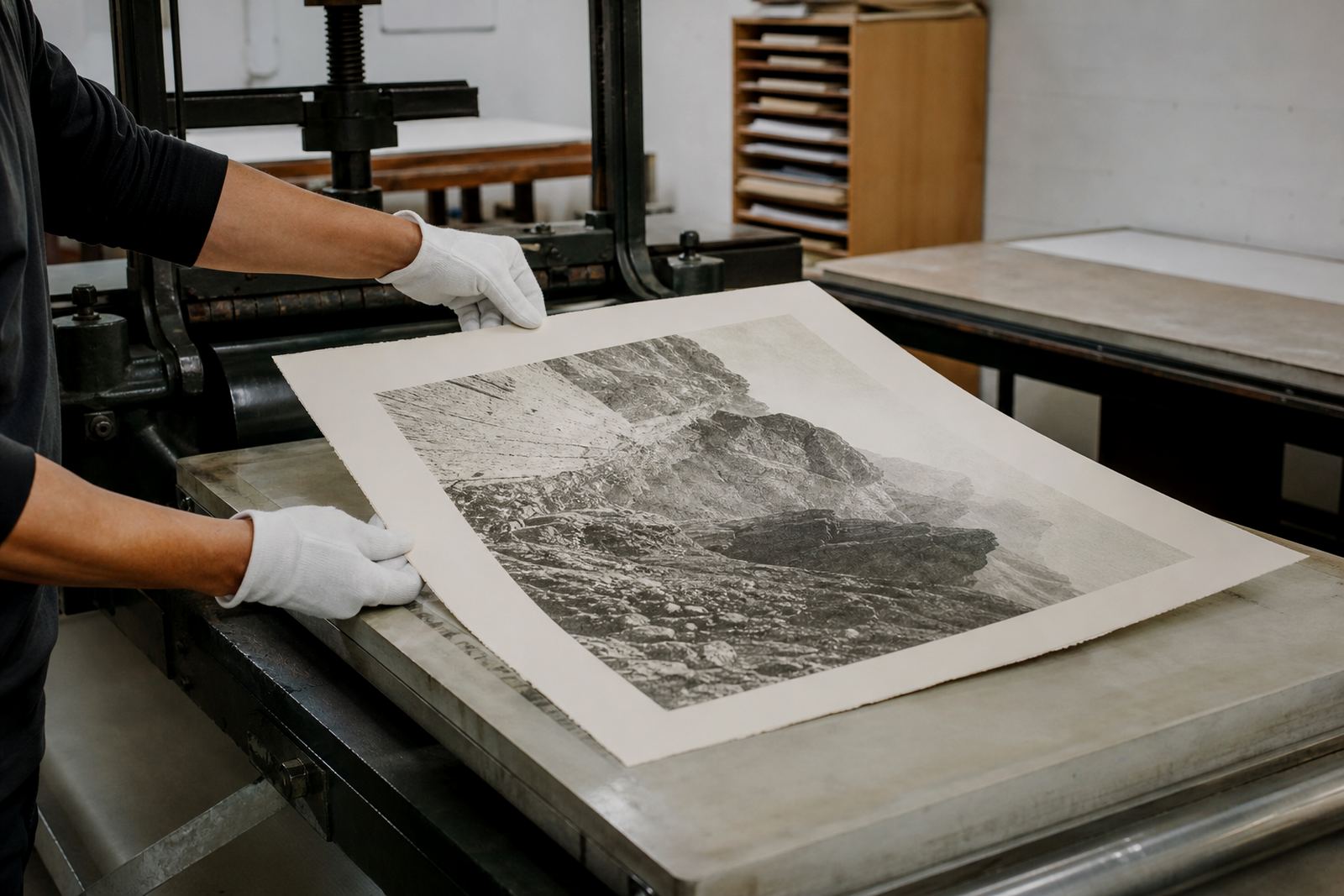
Paper based art needs straightforward but careful handling. Keep the print away from direct sunlight, high humidity and damp walls, and avoid touching the printed surface with bare fingers. If a work is framed, acid free materials and a well sealed frame help protect the paper from dust and environmental movement. In coastal homes this is especially important, as moisture can creep in quickly during winter or after long humid spells.
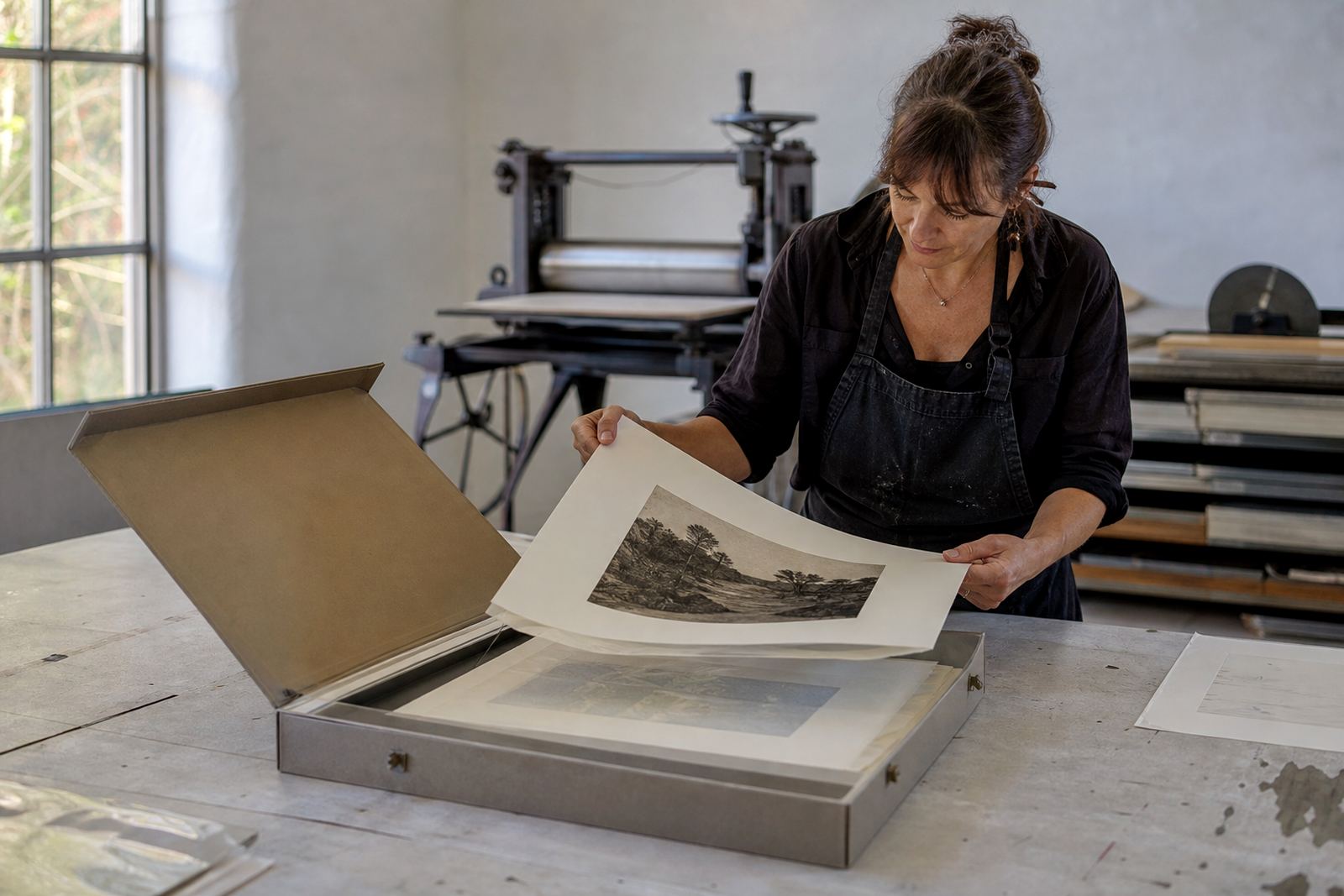
- Store unframed prints flat in archival sleeves or portfolios.
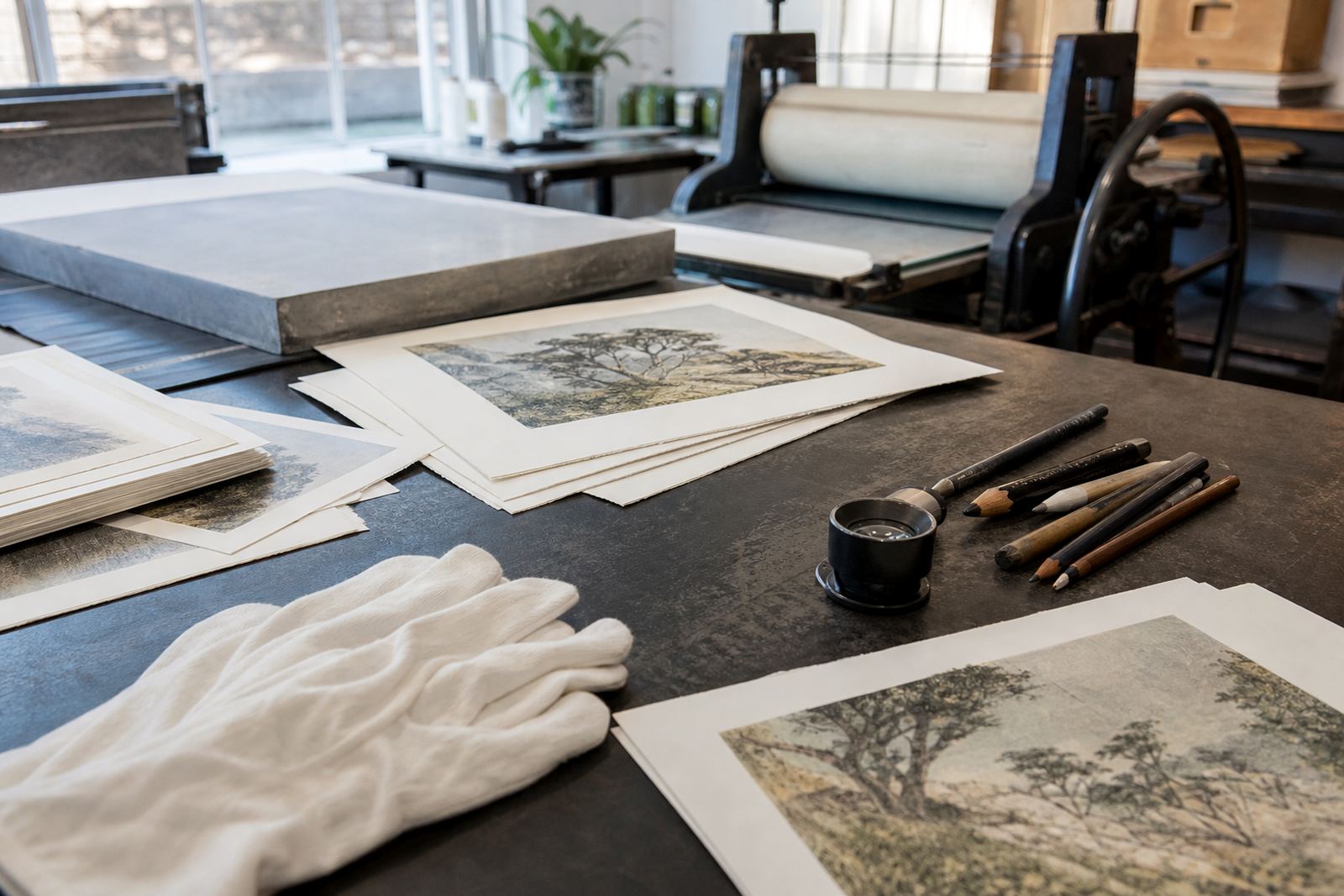
- Use gloves or clean dry hands when handling the edges.
- Hang away from kitchens, bathrooms and direct sun where possible.
- If relocating, keep the work flat and protected rather than rolled for long periods.
Arrange a Studio Visit or Ask About a Current Edition
Clients are welcome to enquire through the contact page to discuss available editions, framing coordination, collector advice or a studio visit in Woodstock. We work with artists and buyers from across South Africa, and we can talk through edition availability, paper choices and the practical details of getting a print safely packed for transport to Durban, Pretoria or Johannesburg.
If you are choosing a work for a home, gift or collection, we can help you compare sizes and decide which edition feels right for the space. Good printmaking starts with the image, but it also depends on the right paper, the right edition plan and a print that is properly looked after.