
Why a lithograph needs proper support, not just a frame
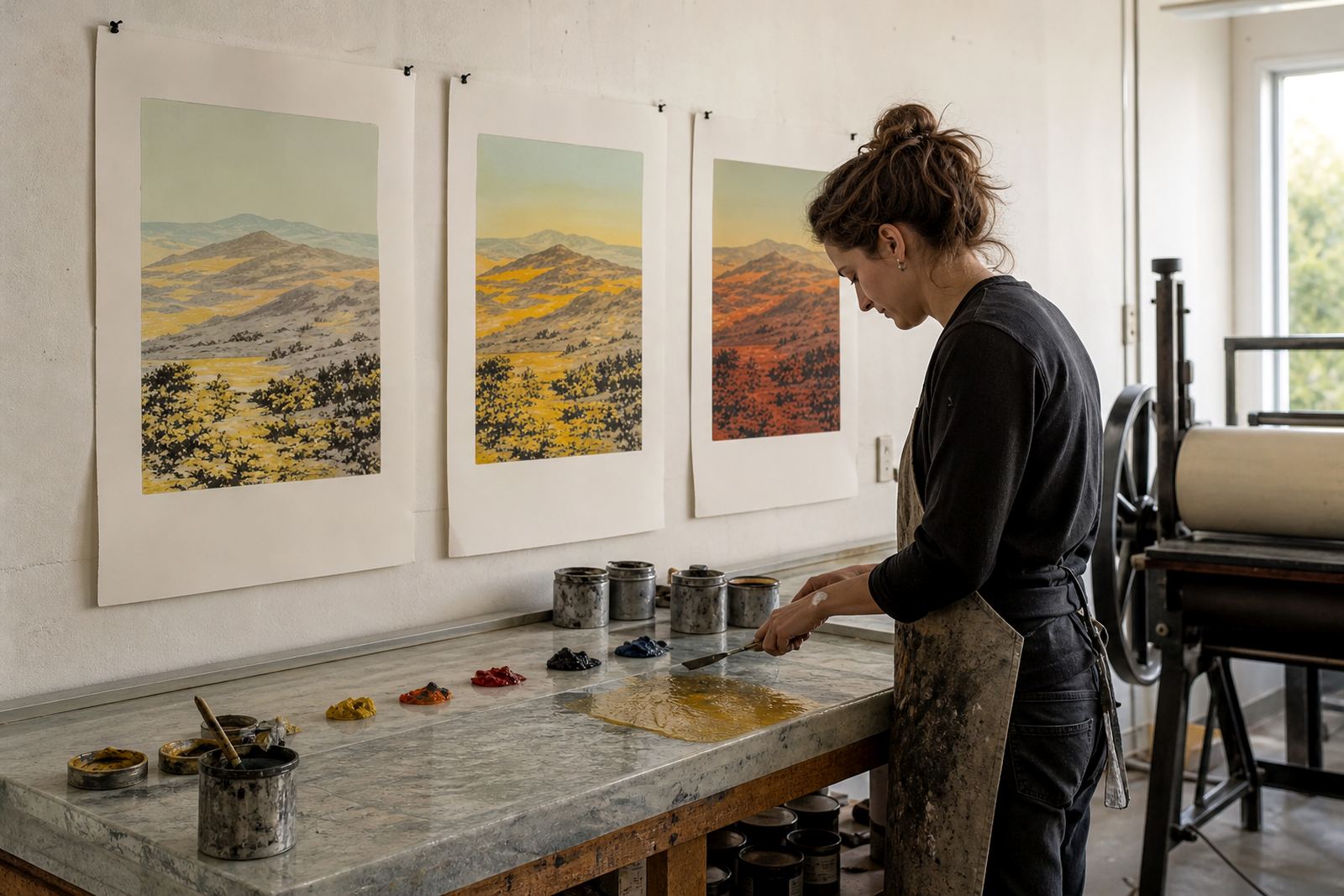
A stone lithograph is made with a greasy drawing on limestone, then printed onto paper under pressure. That paper can be sensitive to moisture, dust and uneven contact, so the way it is mounted makes a real difference to how it ages. If a print is taped directly to a backing board, or pressed too tightly behind glass, the paper can cockle, stain or stick over time.
Proper mounting gives the sheet breathing room. It also keeps the image flat without forcing it into a position that strains the fibres. For collectors, this is especially important with limited editions, where the condition of each sheet should stay as close as possible to the studio state.
What a window mat does for the image and the paper
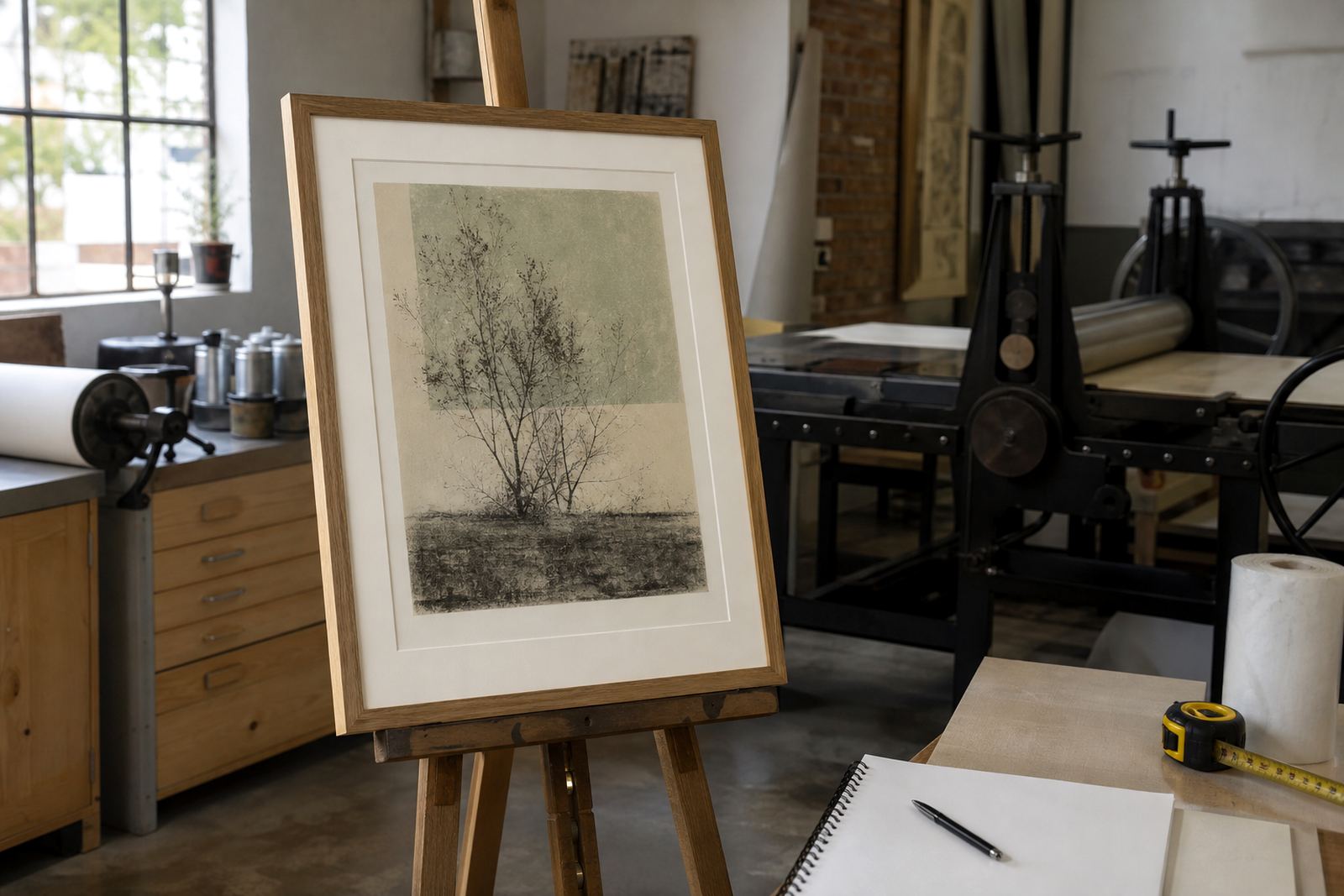
A window mat, sometimes called a mat board, creates a visual border around the print and keeps the surface off the glass. That small gap is practical. It reduces the chance of condensation marking the paper and helps stop the image from touching the glazing if the frame is moved, packed or hung on a wall that gets warm in summer.
The mat also improves presentation by giving the print a clean edge. Many collectors prefer a neutral tone that does not compete with the colours in the edition. For a richly inked lithograph, a well-chosen mat can make the image feel settled and balanced without overpowering it.
Acid-free materials matter more than most people think
Not all mounting materials are equal. Some boards contain acids that migrate into the paper over time and cause yellowing or brittleness. That may not be visible in the first year, but it can show up later as a brown line around the edges or a general dullness in the sheet. If a print is editioned carefully, it makes sense to protect it with materials that will not undo that work.
For South African homes, the climate adds another layer. Coastal areas such as Sea Point can bring salt and moisture into the room, while inland houses in Pretoria or Johannesburg may be drier but still face dust and strong sun. In either case, acid-free materials are a sensible choice. They do not prevent every problem, but they reduce avoidable damage and keep the edition in better condition.
How to choose a mat size for a limited edition print
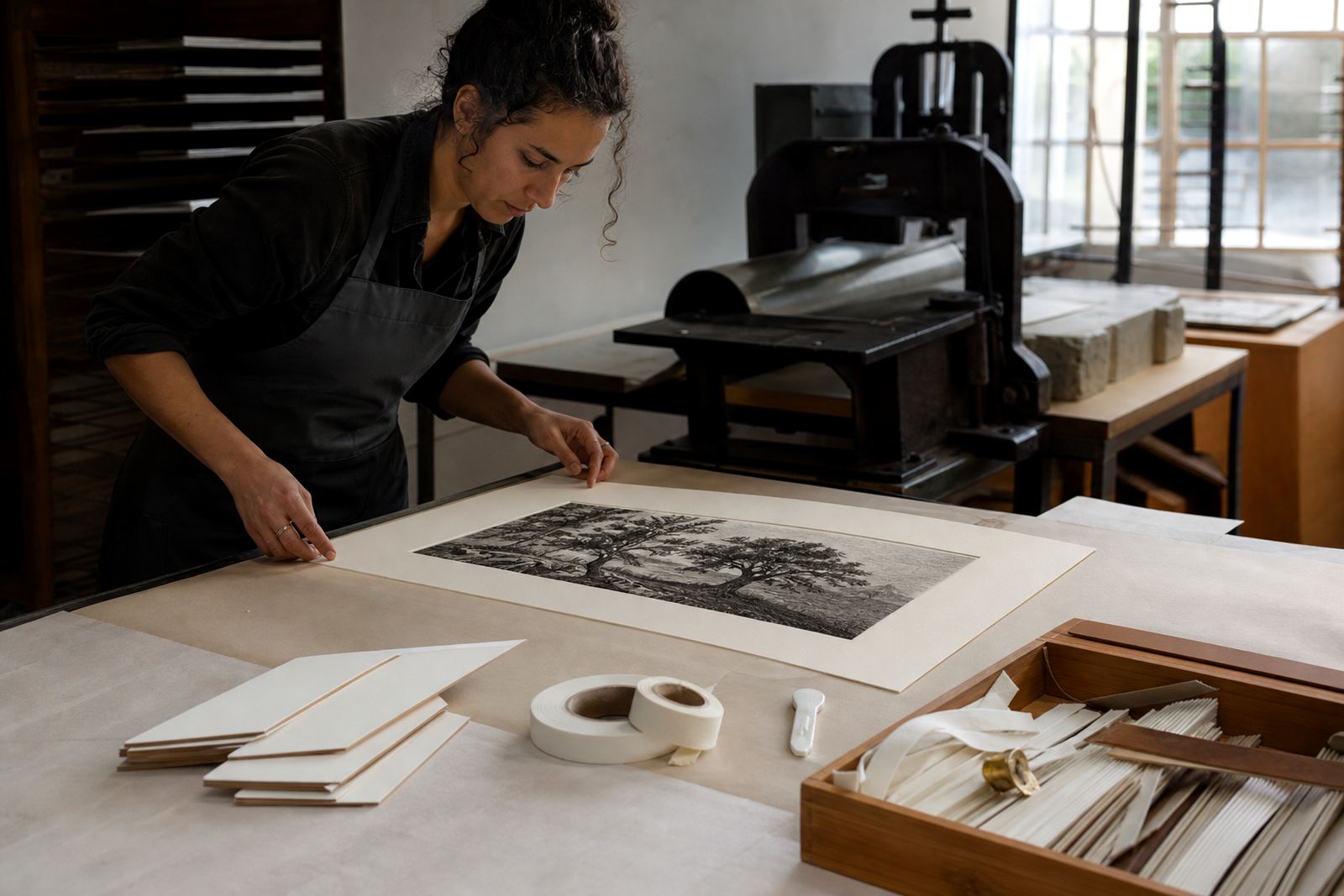
Mat size affects both the look of the work and the safety of the paper. A mat that is too small can crowd the image, while one that is too wide may make a smaller print feel lost. The best result usually comes from balancing the image area, the paper margin and the frame proportions. That is where editioning advice helps, because each print size and paper sheet has its own needs.
With lithographs, many collectors like to keep the full deckle edge or the full sheet visible if the artist intended it. That means the mat opening must be planned carefully. It should not cover signature marks, edition numbers or important plate margins. If the work was printed on handmade paper, the edges may vary slightly from sheet to sheet, so the mount should allow for that without looking uneven.
A practical framing approach for Cape Town and beyond
In Woodstock, we often see collectors bringing in prints after a move, a renovation or a humid winter season. A good example is a lithograph bought for a flat in Newlands and later hung in a brighter room in Sea Point. The print may still look fine at first glance, but if the frame was assembled with ordinary board and a tight fit, the paper can start to show stress or slight rippling. Simple changes, like replacing the backing with acid-free board and adding a proper window mat, can help the work settle properly.
It also helps to think about the room where the print will live. Avoid hanging lithographs in direct sunlight, above heaters or in spaces where the air-conditioning blows straight across the frame. If the work is being transported to Stellenbosch, Durban or Johannesburg, make sure the packing keeps the frame stable and does not press the glazing onto the surface. That kind of care is not fussy, it is just sensible stewardship.
When to ask for framing coordination before the print leaves the studio
Framing should not be an afterthought once the edition is complete. It is better to discuss mounting and matting while the print is still in the studio, especially if the edition has unusual margins, a fragile paper or a presentation format that needs planning. That way the finished work can be packed correctly and handed over with clear notes on care.
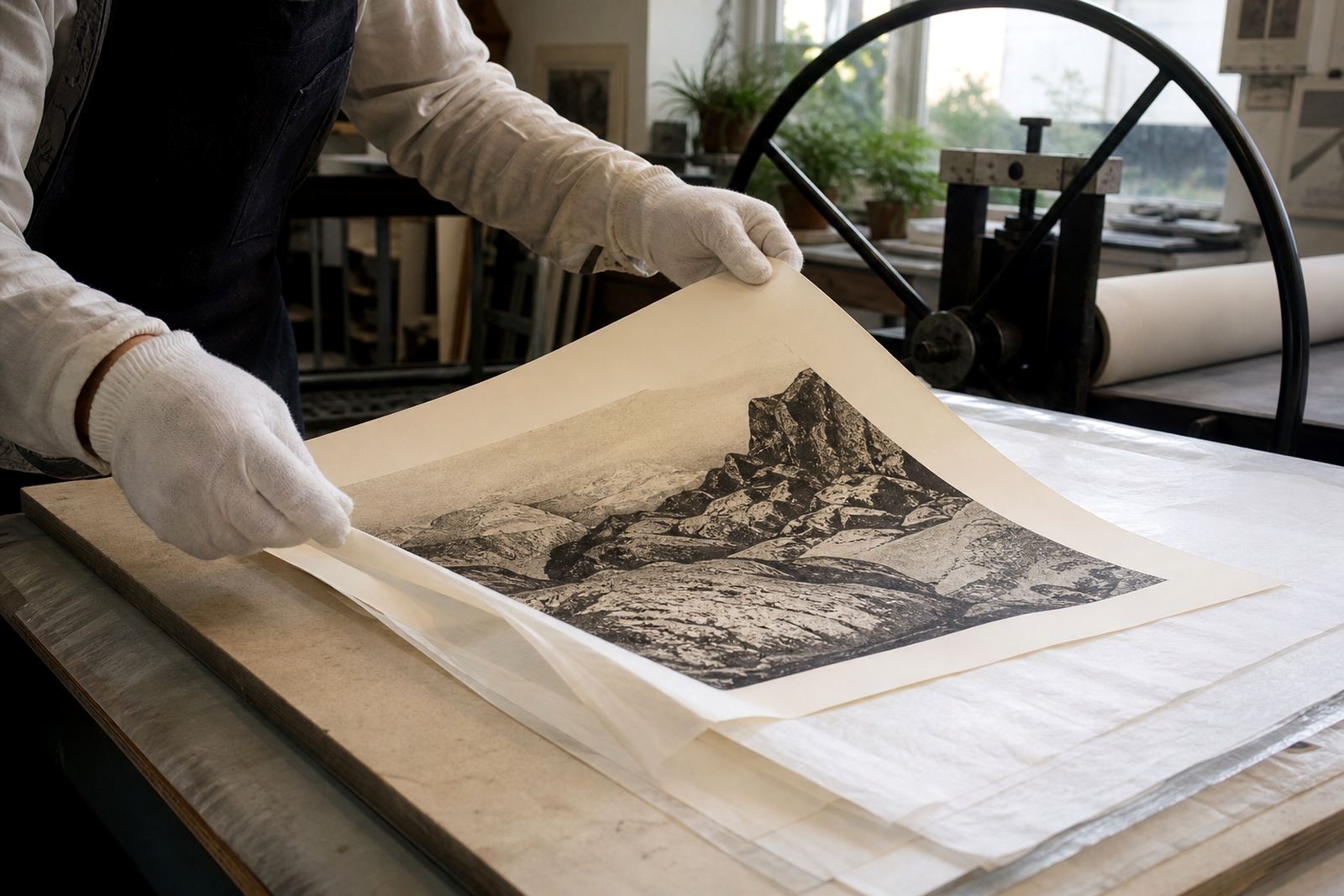
Collectors also benefit from asking how the print should be cleaned and stored before it is framed. The rule is simple: keep fingers off the image, avoid damp rooms, and if the print is not being framed immediately, store it flat between clean acid-free sheets. A little care now saves a lot of trouble later, and the print arrives ready to live well on the wall.