Start with the stone, not just the image
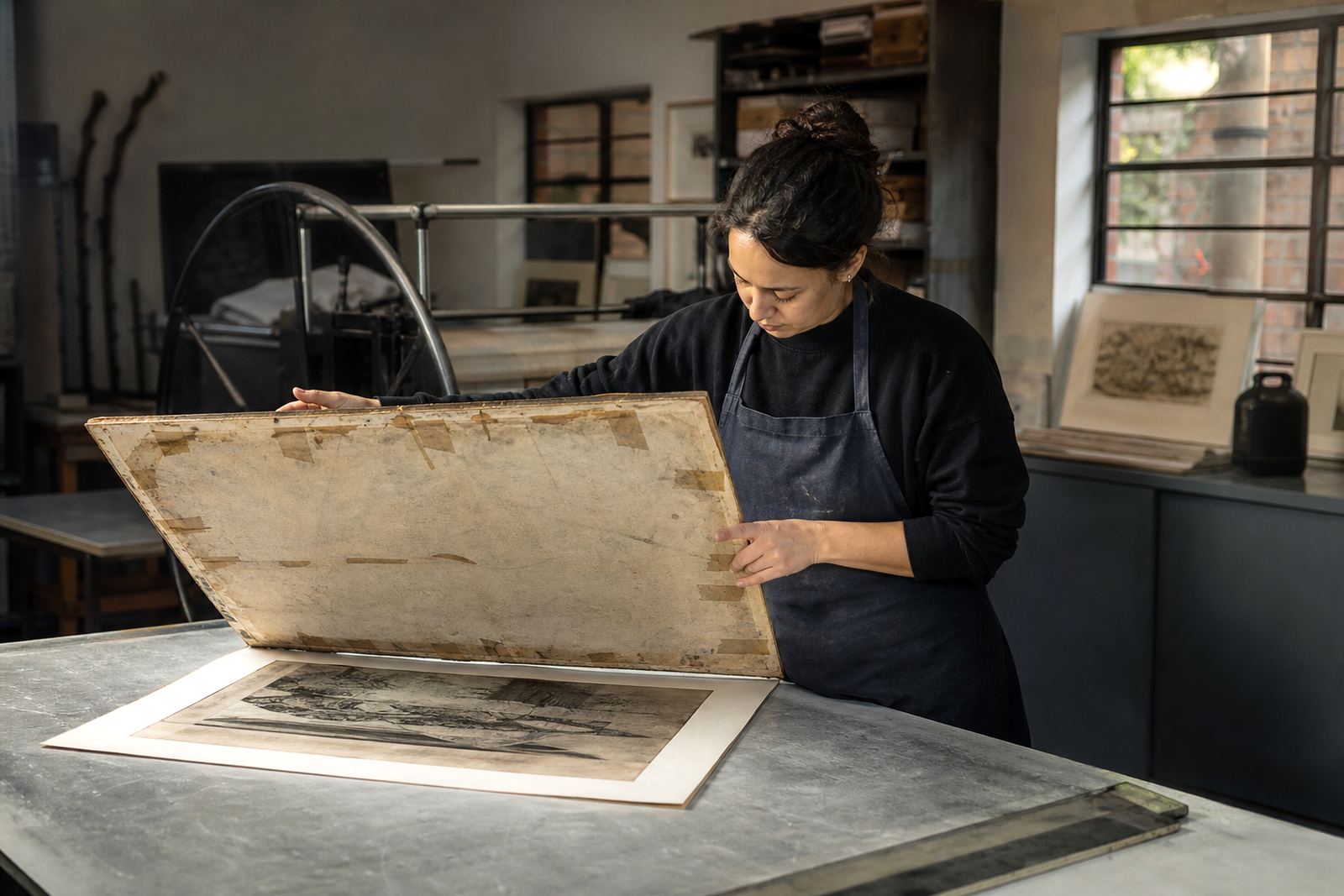
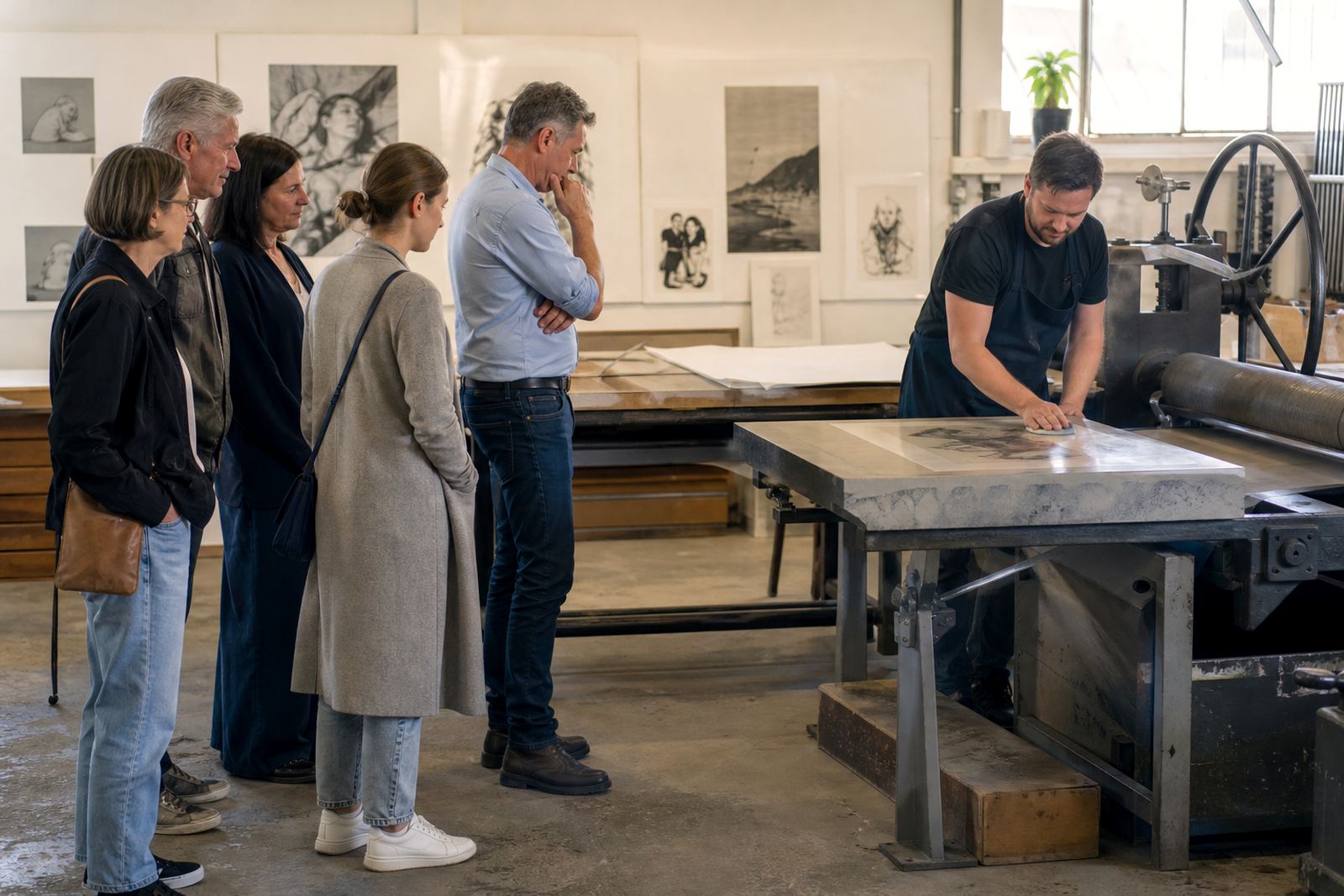
Limestone is at the heart of this direct printing process. The artist draws or works on the stone surface with greasy materials, then the printer treats the stone so that ink is accepted by the drawn areas and repelled by the wet areas. Each colour is printed separately, which is why a finished edition can have depth, texture, and subtle variation that suits collectors who want a print with real handwork behind it.
For a first purchase, it helps to look beyond subject matter and ask how the image was made. Stone lithographs often show a softness in line and a richness in tone that is different from digital reproduction. If you are buying in Cape Town, Johannesburg, or Durban, that matters when you are comparing works online or during a studio visit because the paper, ink, and print handling all shape the final result.
Choose a print you can live with, not just admire
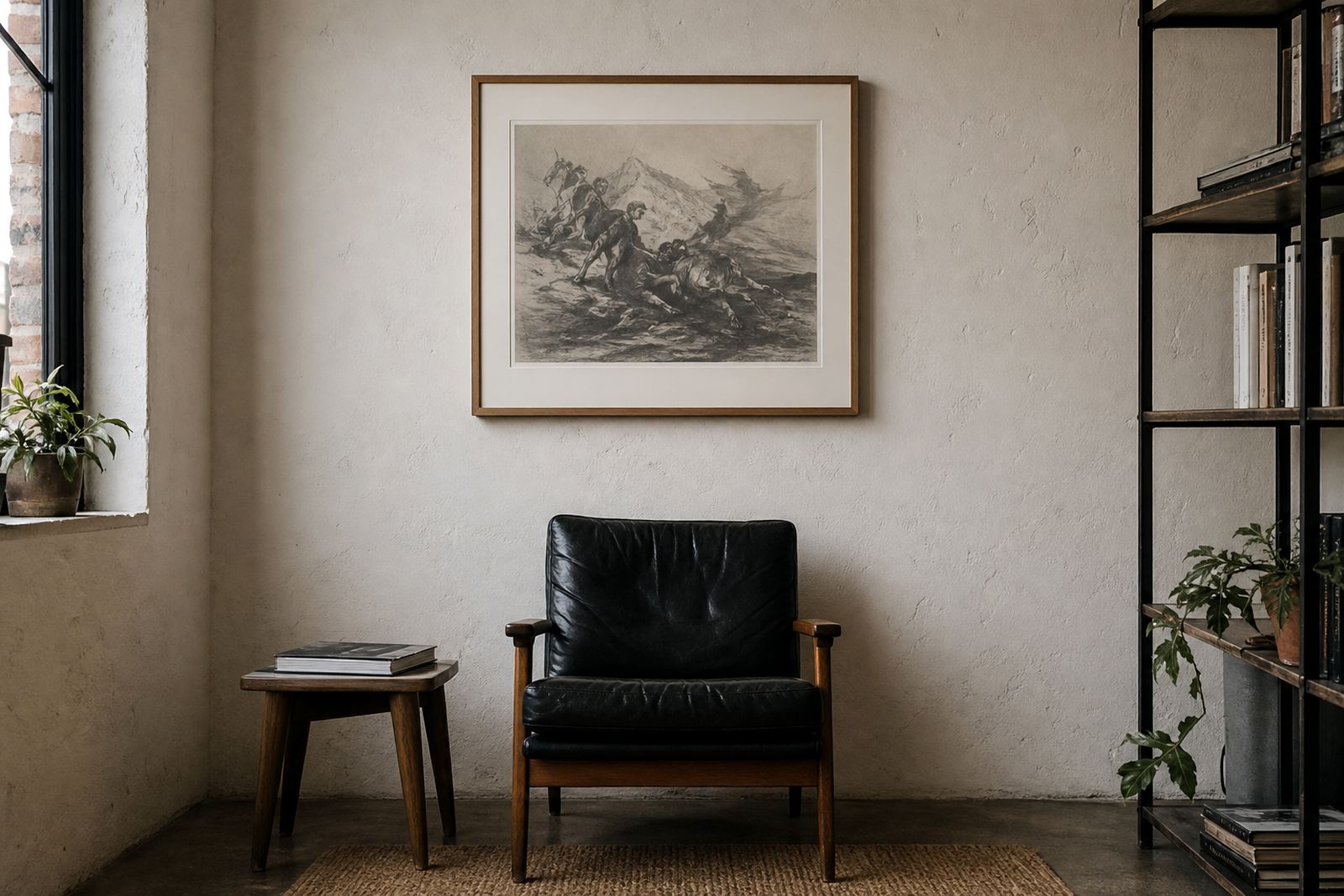
The best first print is usually one you will want to see every day. Think about where it will hang, how much light the room gets, and whether the work should feel calm, energetic, or more detailed. A smaller print can be powerful in a flat or hallway, while a larger sheet may suit a living room in Sea Point, Newlands, or Stellenbosch where you have a clean wall and natural light.
- Measure the wall space before you decide, then leave room for framing.
- Check whether the colours will sit well with your furniture, timber floors, or painted walls.
- Think about the mood of the room in the morning and evening, not only in daylight.
- If the print has fine detail, choose a spot where you can stand close and enjoy it.
A first print should feel like part of your home, not something you are nervous to place. If the work fits your life, you are more likely to keep enjoying it 10 years from now.
Understand editions before you buy
Editioning is one of the most important parts of buying a lithograph. A limited edition means the artist and printer agree on a set number of impressions, and each print in that edition is signed and numbered. Once the edition is complete, the stone is usually worked down or otherwise retired so the image cannot be repeated in the same way. That gives the print its place in the edition, and collectors value that clarity.
When you are choosing your first print, ask whether the edition is standard, artist proof, or trial proof. You do not need to know every technical detail on day one, but you should know what you are buying. A smaller edition can appeal to first-time buyers because it often shows a tighter, more deliberate print run, though the right choice is still the image you connect with most.
- Look for the edition number, such as 12/30, on the print or certificate.
- Ask whether all colours and papers in the edition are the same.
- Confirm whether the work is signed, numbered, and dated by hand.
- Keep any documentation with the print so it stays with the work over time.
Paper matters more than many buyers expect
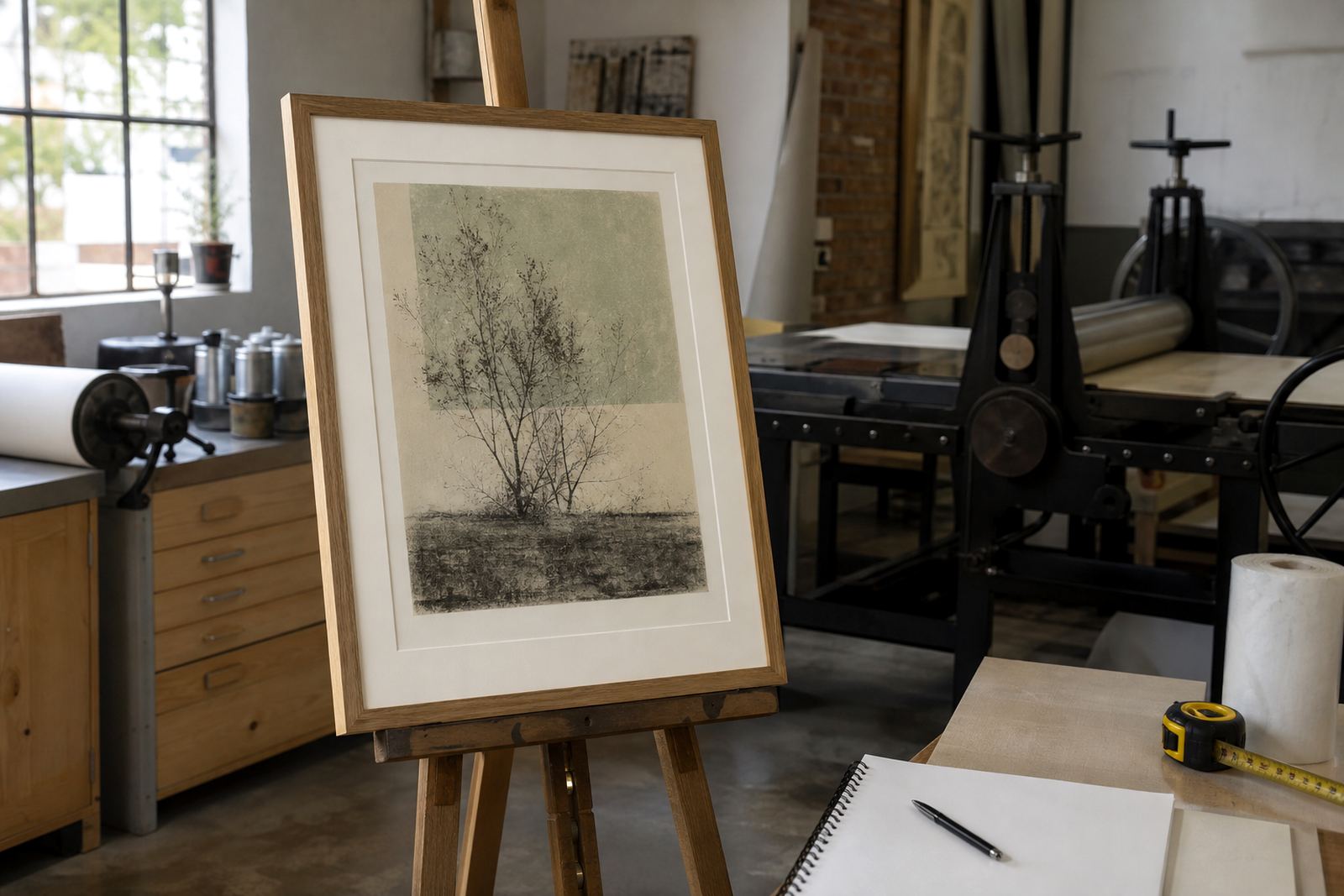
Paper is not just a support, it is part of the artwork. In stone lithography, paper choice affects the feel of the surface, how the ink sits, and how the work is handled during printing and framing. Cotton rag papers are common in fine-art editions because they are made for strength, ink absorption, and long-term stability. For a first-time buyer, it is worth asking what paper was used and why it was selected for that image.
If you live near the coast in Cape Town or Durban, paper care becomes even more important because humidity can affect framing and storage. Keep prints flat, away from damp rooms, and out of direct sun. A simple archival sleeve and proper framing can protect the work better than leaving it rolled in a tube or leaning against a wall for months.
Paper tone also changes the feeling of the print. A bright white sheet can make colour look crisp, while a warmer paper may soften the image slightly. There is no single right answer, only what suits the work and the room.
Ask to see a proof if you can
Proofing sessions are useful for first-time buyers because they show how the image is built up in layers. In lithography, each colour can shift the mood of the print, and small changes in pressure or registration can alter the final result. Seeing a proof helps you understand what the edition will look like before the full run is complete.
At a studio visit in Woodstock, you may see stones, proof sheets, and finished impressions side by side. That gives you a practical sense of scale and colour. It also helps if you are unsure whether the work will suit a home in Pretoria or a collection space in Johannesburg because you can judge the print in person rather than through a screen.
- Bring a note of the wall size, room colour, and framing preference.
- Ask how many colours were used and whether the image is still being adjusted.
- Find out if there are multiple paper choices available.
- Request advice on whether the work should be framed with or without a mount.
Think about care, framing, and long-term value
Once you have chosen your first print, proper care keeps it looking good. Use archival framing materials, UV-protective glazing where suitable, and a framer who understands works on paper. Avoid cheap tape, acidic board, and very tight framing that can buckle the sheet. If the print is to be moved between homes or stored for a season, keep it flat in a clean dry place rather than rolled.
A collector in Stellenbosch may want a more formal frame for a dining room, while a buyer in Sea Point might prefer a lighter frame that suits a smaller apartment. The framing choice should support the work and the room, not compete with it. Good care also helps if the print is ever passed on, sold, or re-framed later.
For first-time buyers, this is where practical advice matters most.
A sensible first purchase is a good fit, not a grand statement
Your first lithograph does not need to be the largest or most expensive work in the room. It should be a print you understand, a format you can care for, and an image that still feels right after a week of looking at it. If you are buying from a studio in Woodstock, take your time, ask direct questions, and trust the details as much as the image itself.
The best first print is one that fits your space and your habits. If you enjoy the paper, the edition information, and the way the work sits on the wall, you have chosen well.