Why stone lithography still matters to South African collectors
Stone lithography has a special place in South African printmaking because it sits between drawing and print. The artist works directly on a prepared limestone surface, so the mark can feel immediate, whether it is a pencil line, a wash, or a textured crayon passage. For collectors, that directness is part of the appeal. Each print carries the pressure of the hand and the discipline of the printing process, not just a reproduction of an image.
In a market where many people first encounter prints through posters or digital reproductions, stone lithography offers something different. It is a fine-art process with a long working tradition, and it rewards close looking. The surface can hold soft greys, deep blacks and layered colour in a way that feels tactile. That is one reason artists in Cape Town, Johannesburg and elsewhere still choose it when they want an edition with character and control.
South African collectors often ask what makes a lithograph valuable. The answer usually starts with the process itself, then the quality of the impression, the edition size, and how well the work has been printed and stored. A well-made stone lithograph should show care at every stage.
How the stone process works in the studio
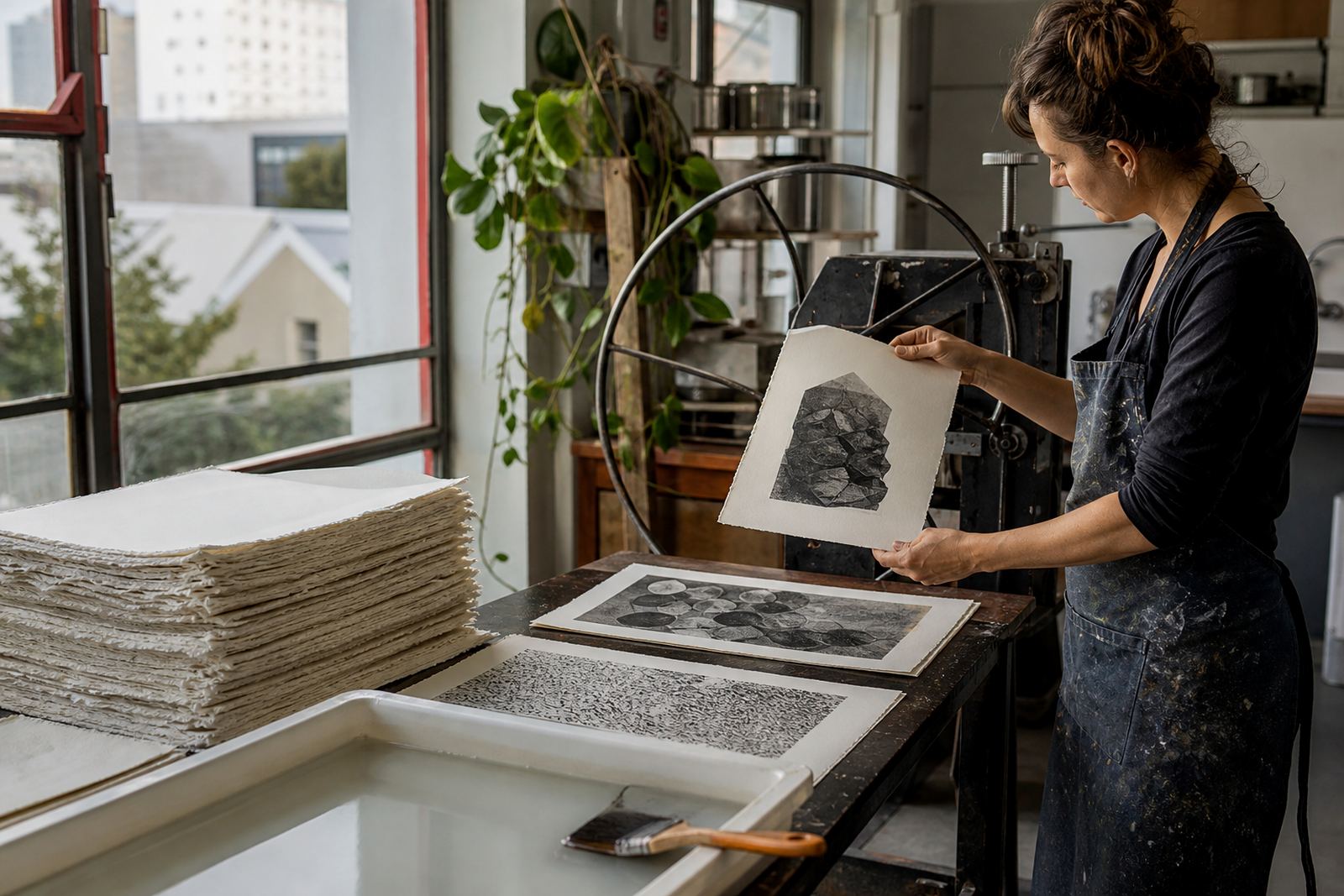
Stone lithography relies on the simple fact that grease and water resist each other. A limestone block is ground smooth, then drawn on with lithographic materials such as tusche, crayon or brush work. After the image is fixed, the stone is treated so the drawn areas accept ink while the non-image areas hold water and stay clean. Paper is then laid over the inked stone and run through a press under controlled pressure.
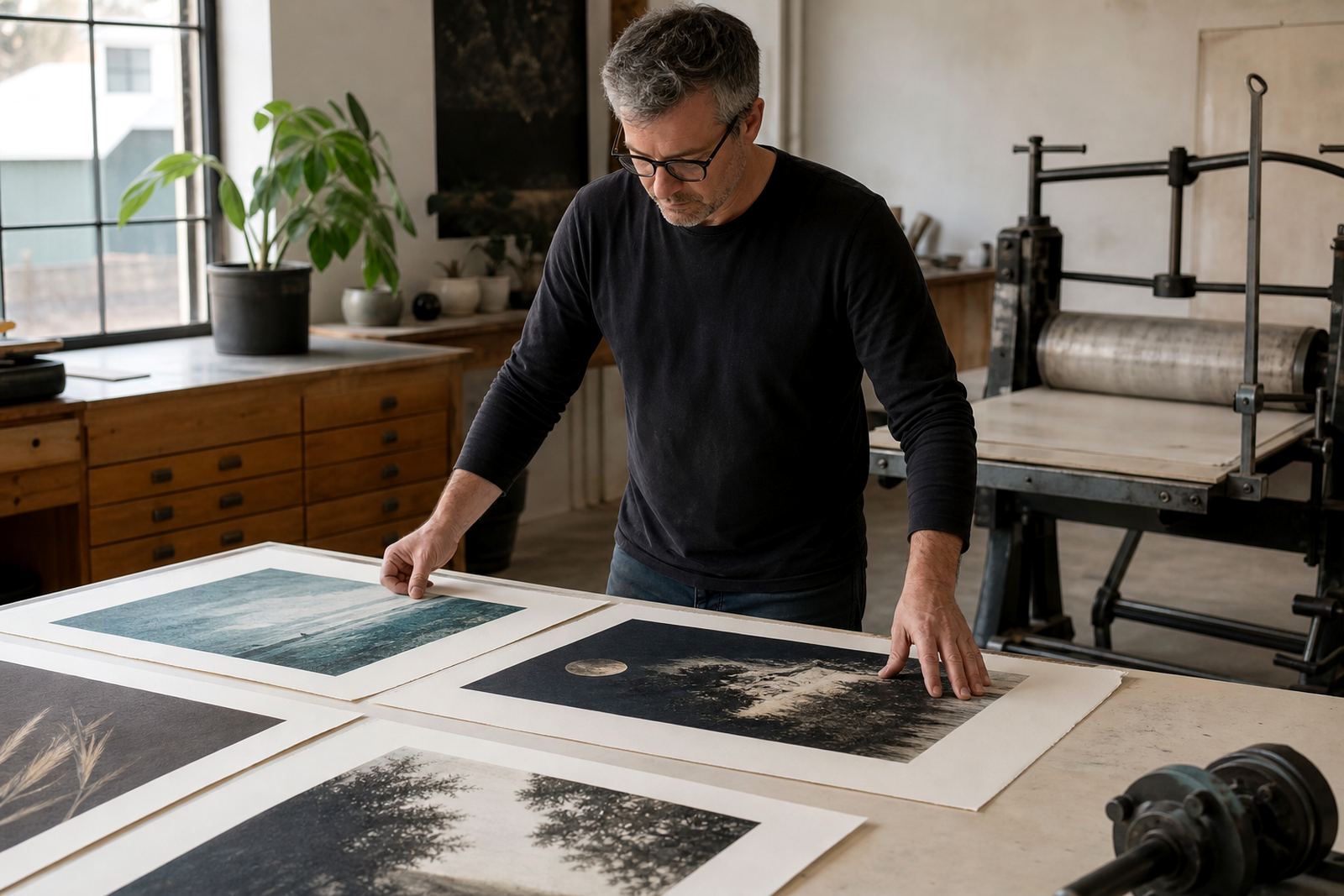
This process gives the printer a wide range of tonal effects. A single stone can produce velvety black lines, dry drawn textures and very subtle gradations. Artists often come to the studio for proofing sessions because the first proof is only the start. Small changes in pressure, colour balance or inking can change the mood of the print quite a bit.
- Stone preparation is important because a clean, even surface gives more consistent results.
- Proofing helps identify weak areas, heavy marks or colour shifts before the edition is printed.
- Paper choice affects both the appearance and the long term condition of the work.
In a place like Woodstock, where the studio environment can shift with temperature and humidity, careful handling matters. Coastal air in Cape Town can affect drying times and paper response, so the printer needs to stay attentive throughout the run.
Edition planning: what collectors should ask before buying
Editioning is one of the most important parts of fine-art lithography. An edition is the planned number of finished prints pulled from a stone or group of stones. Once the edition is complete, the stone is usually cancelled or retired from that image so no further prints are made from it. That protects the integrity of the work and gives the collector clarity.
If you are buying a lithograph in South Africa, ask practical questions before you commit. You do not need specialist knowledge, just a clear sense of how the print was made and handled.
- How large is the edition, and is there also an artist proof or printer proof set?
- Was the work made from one stone or several stones for colour?
- Has the print been signed and numbered by the artist?
- Was archival paper used, and how was the edition packed after printing?
At Lithography Art, edition planning is done before the first proof is approved. That helps artists manage colour separation, paper choice and the final edition size without surprises. For collectors, it means the print they choose is part of a clearly defined body of work, not an open ended run.
What good proofing does for colour and detail
Proofing sessions are where a lithograph becomes precise. A proof is a trial impression that lets the artist and printer see how the image is transferring from stone to paper. In monochrome work, proofing can reveal whether the line is too heavy, whether the mid tones are too flat, or whether a light area needs more breathing room. In colour work, proofing is even more important because each layer has to align correctly and stay true across the edition.
Colour separation in lithography is not simply about adding more inks. It is about planning how each stone contributes to the final image. A warm grey from one stone can sit under a transparent colour from another, creating depth that cannot be achieved with a single pass. The best results come from patience and methodical adjustment, especially when the image has delicate tonal shifts.
For artists working from Pretoria, Durban or Stellenbosch, proofing can also be a practical travel consideration. Many clients choose to attend key stages in Cape Town, then continue the process through clear notes and image references. That is why good studio communication matters as much as technical skill.
Caring for a stone lithograph at home
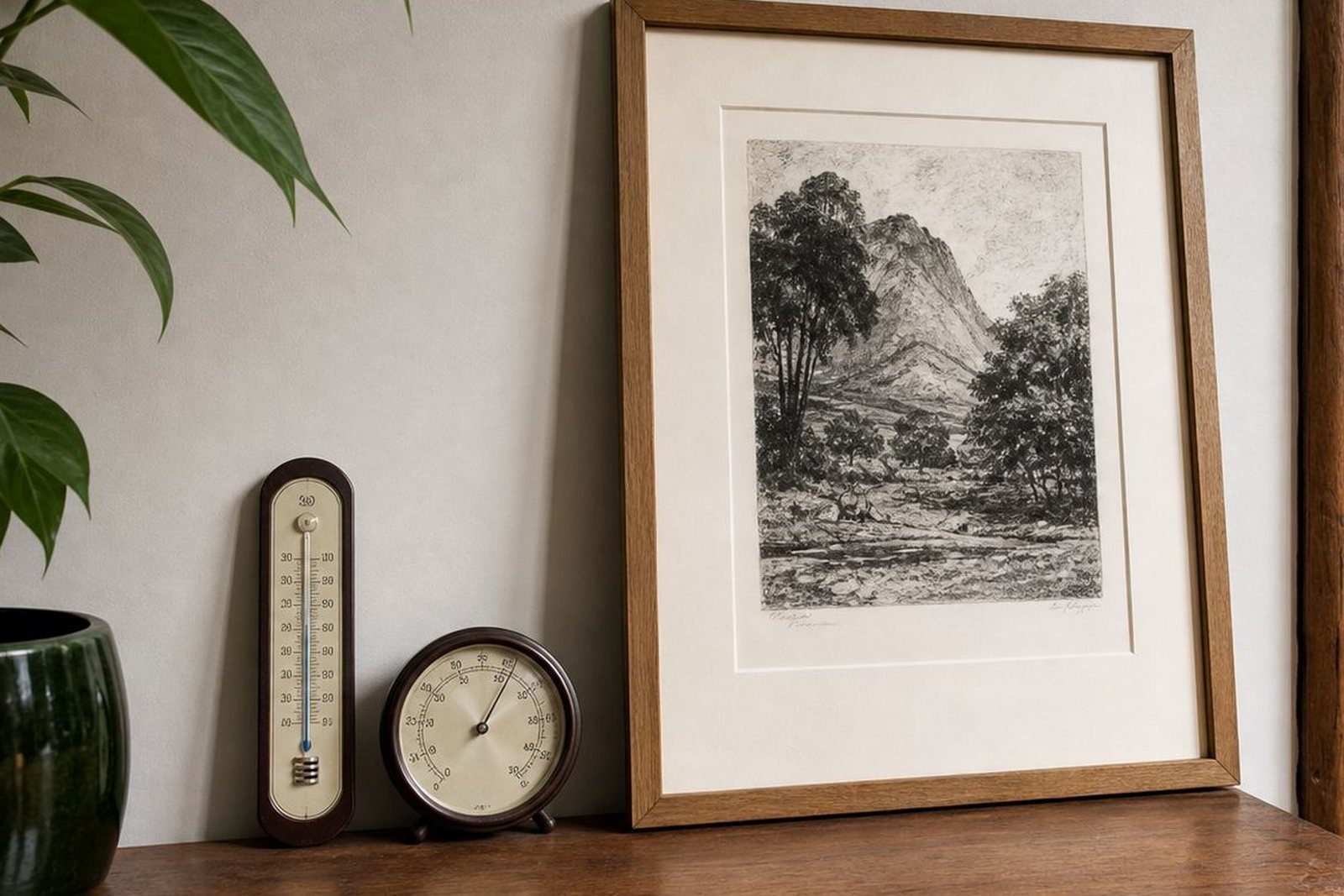
Once a print leaves the studio, good care helps preserve it for decades. Paper is sensitive to light, damp, dust and rough handling. South African homes vary a great deal, from humid coastal flats in Sea Point to drier inland spaces in Johannesburg, so storage and framing should be chosen with the local climate in mind.
Collectors should avoid direct sunlight, kitchens, bathrooms and any wall with regular damp. If a print is not being framed right away, store it flat in clean archival tissue and keep it away from heavy objects. Never use adhesive tape directly on the paper. If the work is framed, use archival mount board and UV filtering glazing where possible. That helps protect the image from fading and surface staining.
- Handle prints with clean dry hands or cotton gloves.
- Keep unframed work flat in a stable room, not rolled unless advised by a specialist.
- Do not hang a print where it will catch sea air, steam or strong afternoon sun.
- If you are unsure, ask about archival packing and framing coordination before taking the work home.
These are simple steps, but they make a real difference. A well printed lithograph should stay sound if it is treated properly.
A Woodstock studio perspective on printmaking today
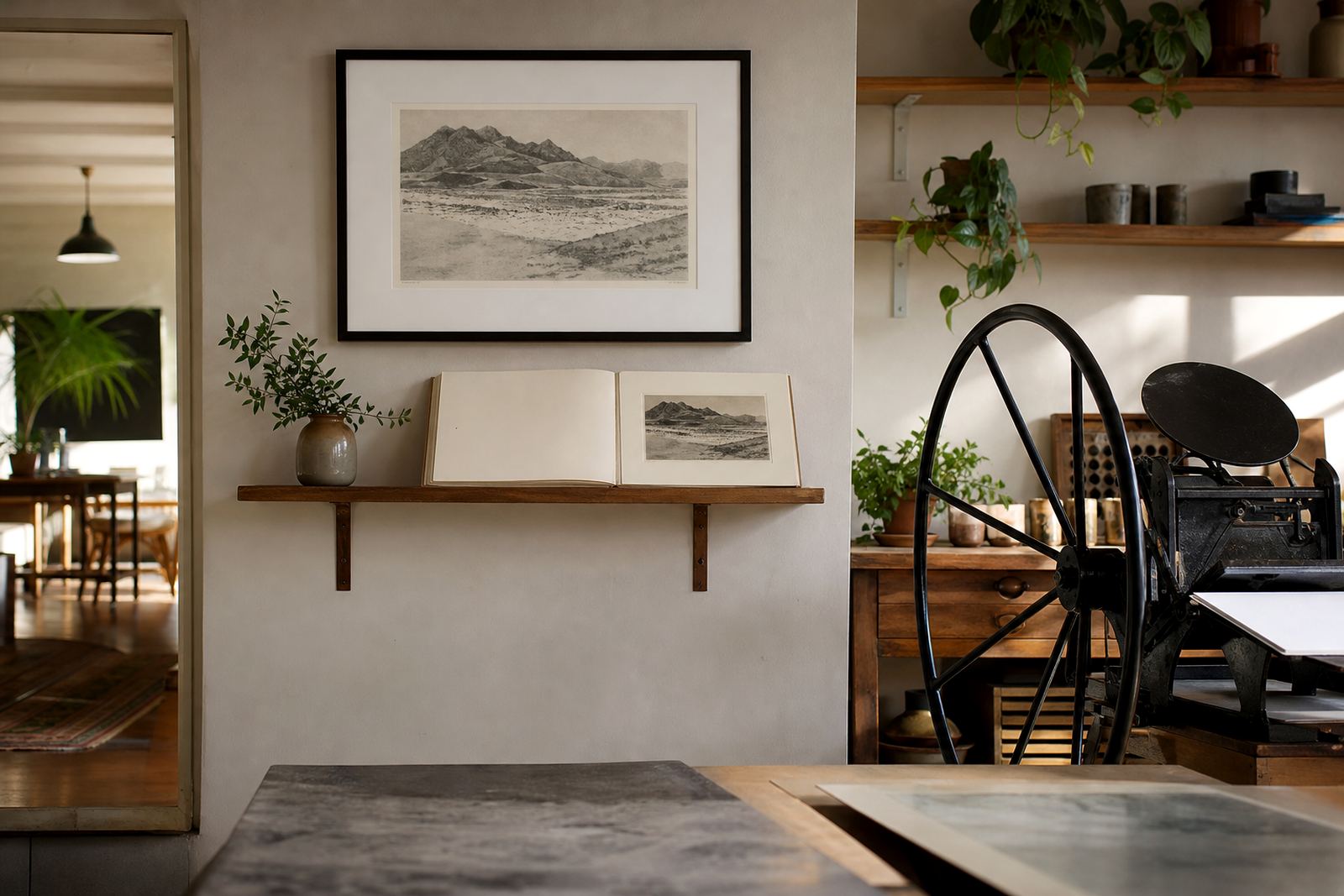
Woodstock has become a practical base for printmakers because artists, framers and collectors can reach the studio easily from across Cape Town. At Lithography Art in Woodstock, the work centres on stone lithography printing, edition planning, proofing sessions and collector advice. The studio team includes Shailen Naicker, Nomvula Phalatse, Stefan Hattingh, Rukshana Kamaar, Bonga Mngadi and Tegan Jacobs, with each person handling a different part of the process so the edition stays organised from first stone to final pack.
What keeps interest in stone lithography alive is not nostalgia. It is the fact that the process still offers artists a direct way to make images with texture, variety and intent. Collectors across Cape Town, Stellenbosch, Johannesburg, Pretoria and Durban continue to look for prints that carry evidence of the hand and the discipline of craft. That interest is strongest when the edition is well planned, the printing is consistent, and the final work is presented with care.
For anyone new to the medium, the best advice is simple. Look closely, ask questions, and buy work that has been properly editioned. A stone lithograph should feel considered from the first proof to the last signature. That is what makes the tradition worth keeping alive.