



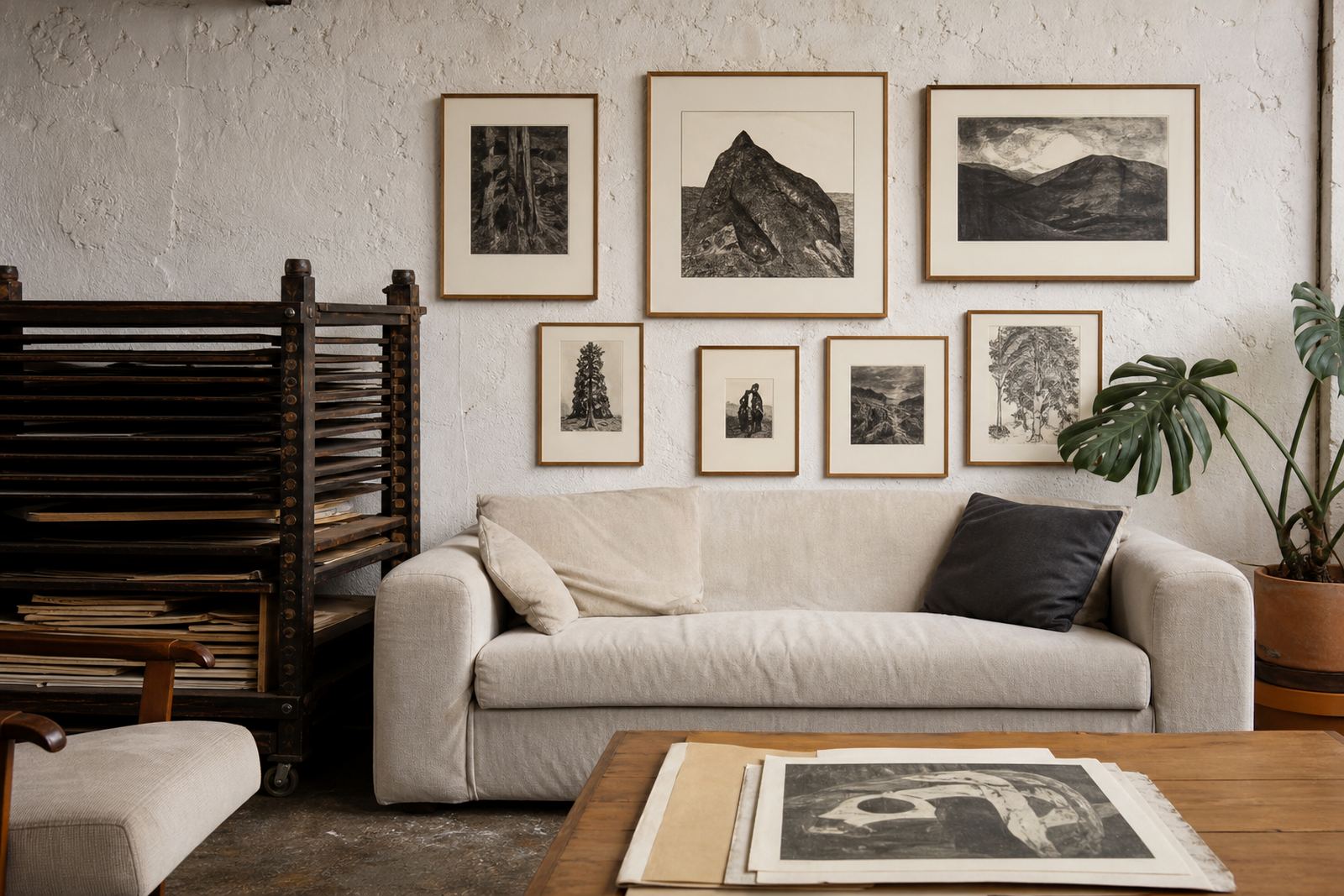
The Appeal Of Stone Lithographs
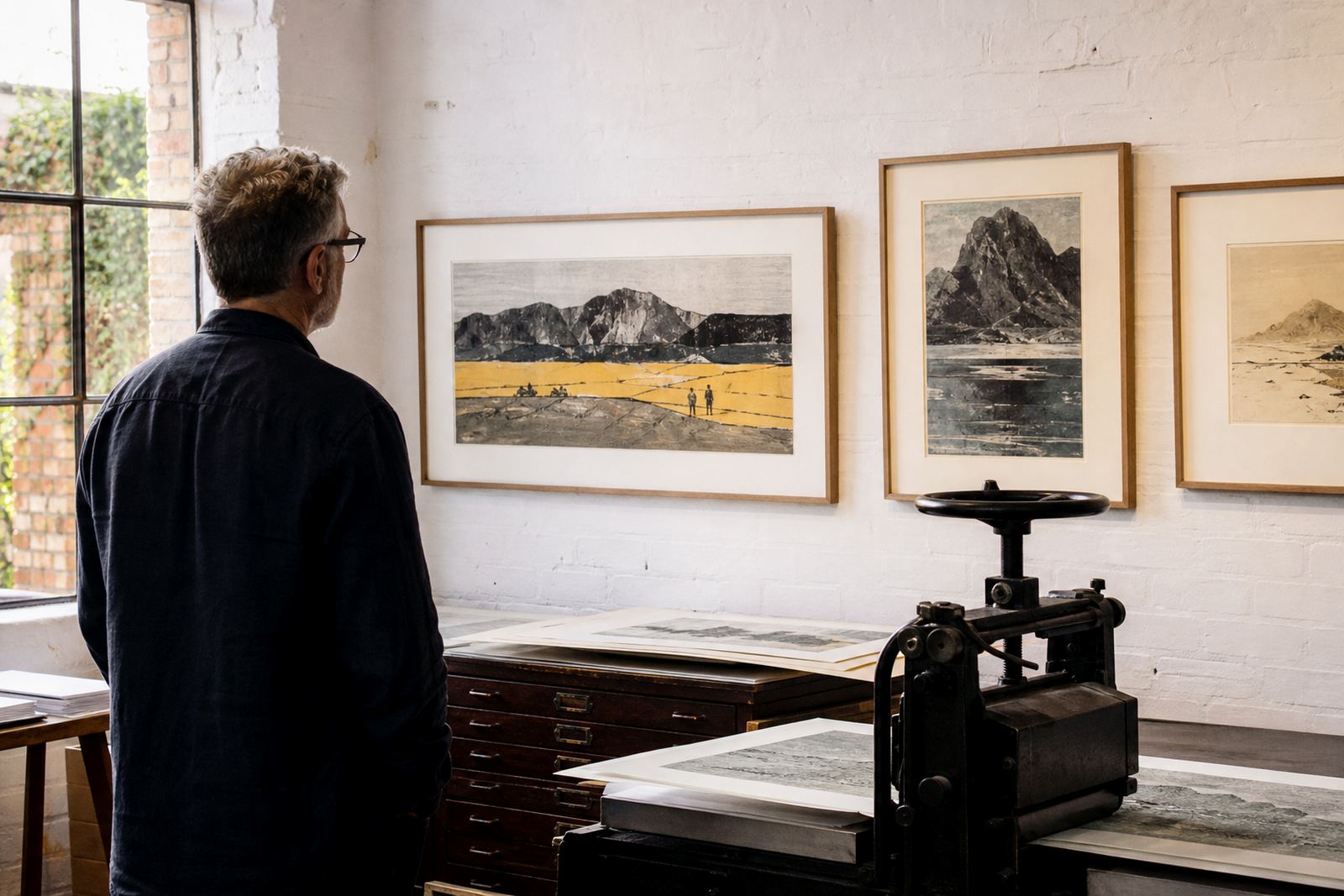
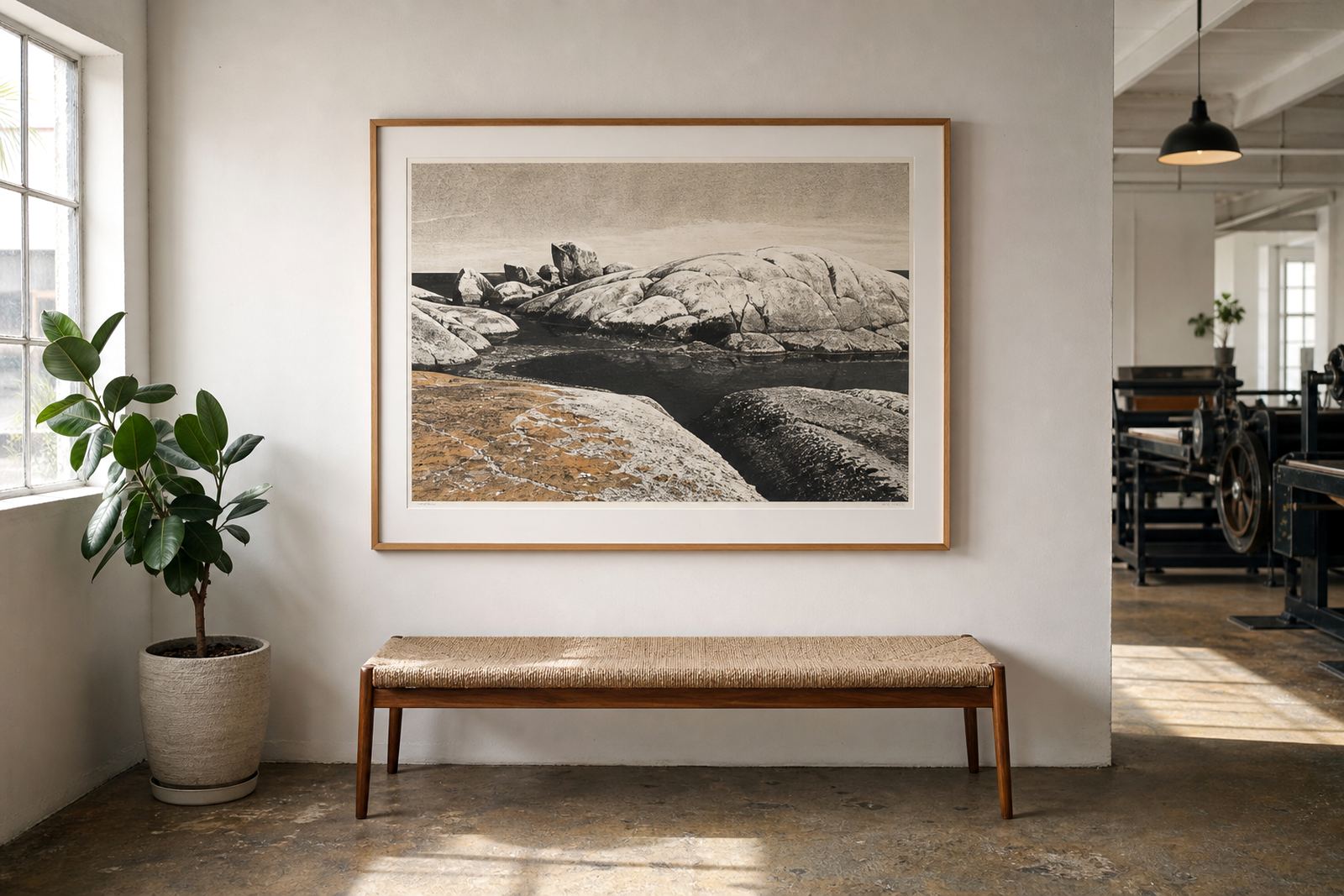
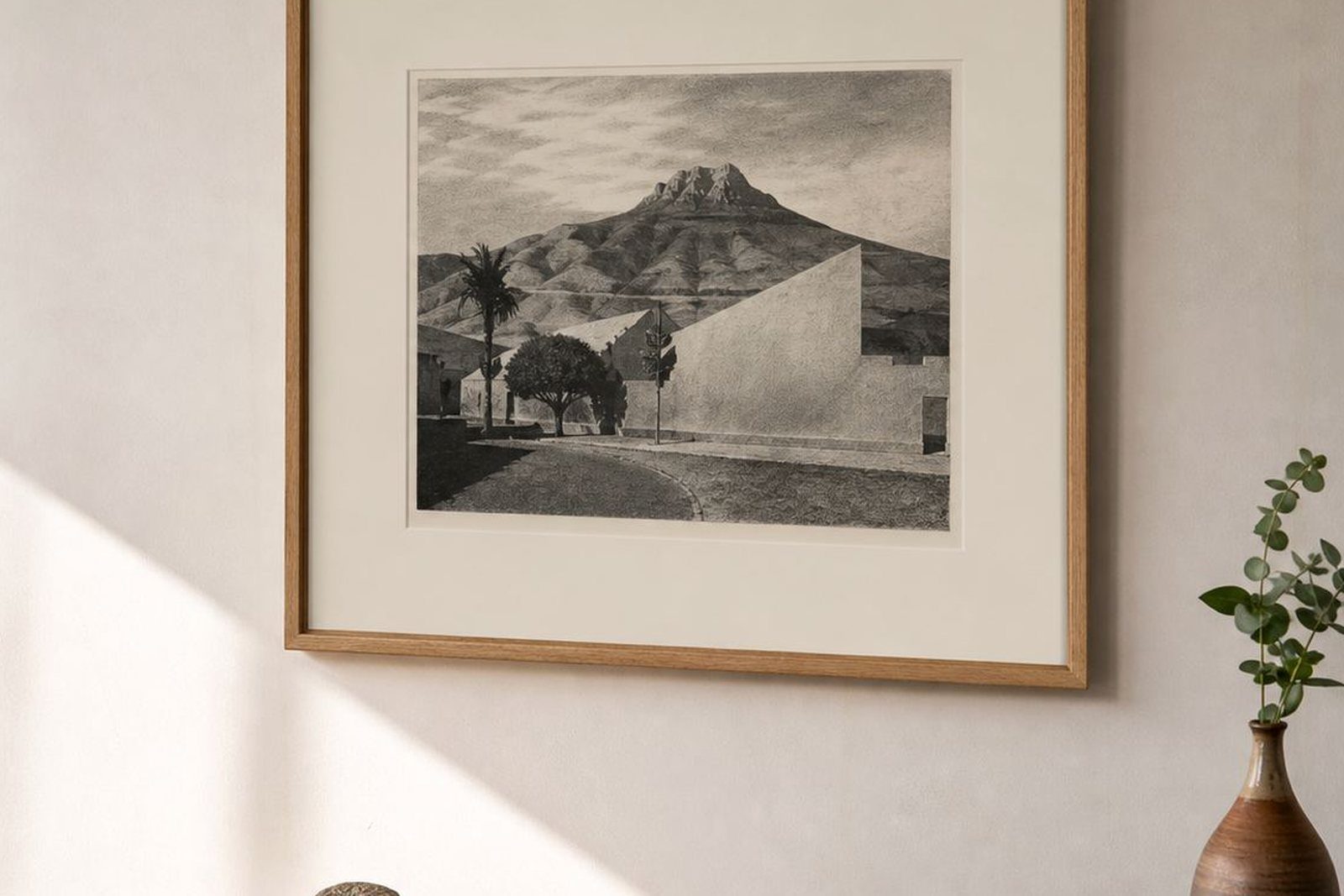
In stone lithography, printing is done by hand from a smooth limestone surface. The artist draws or works directly on the stone, then the image is transferred to paper in controlled passes through the press. Because the mark sits within the texture of the paper rather than on top of it, the result has a particular softness and depth that many collectors value.
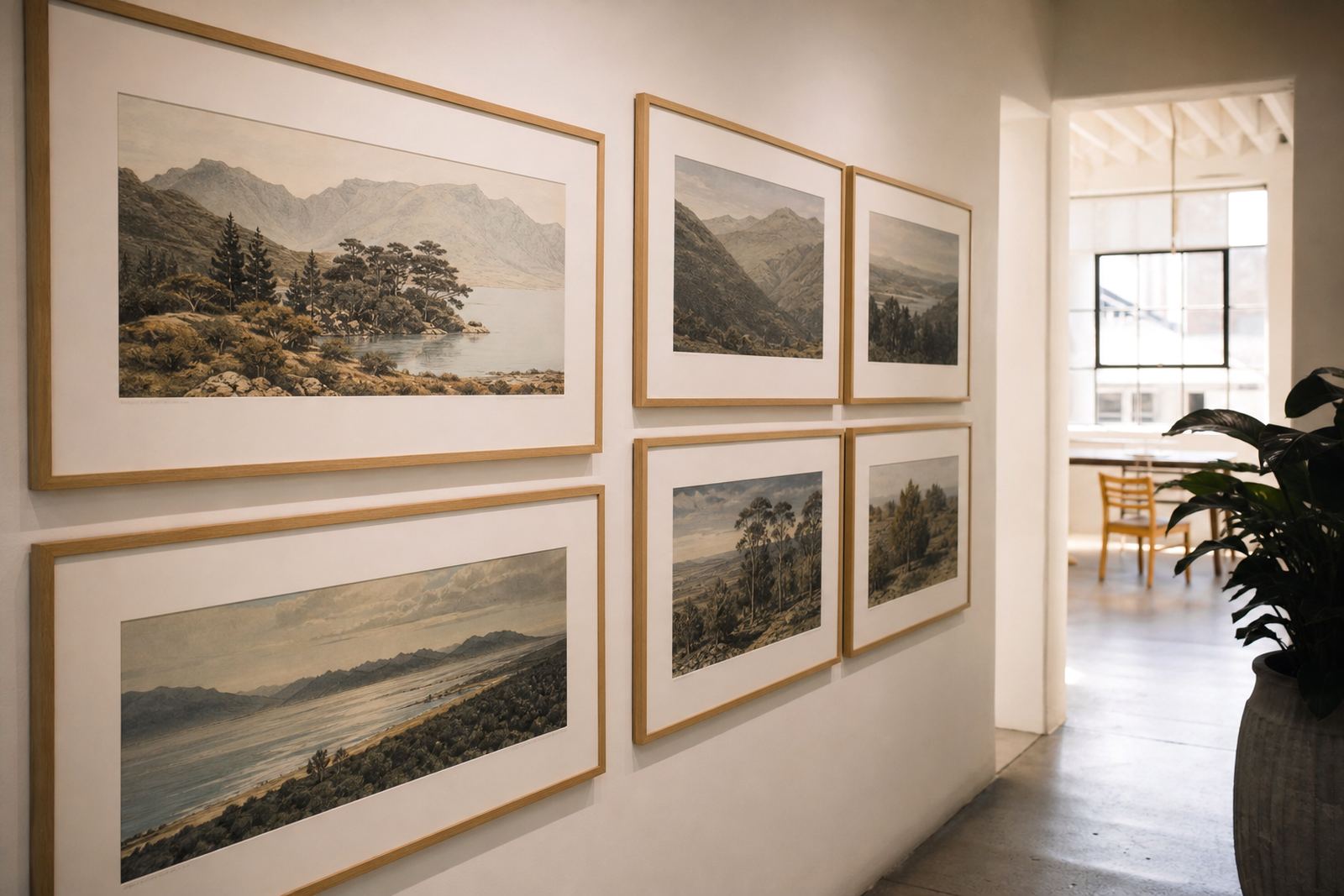
For buyers in Cape Town, Stellenbosch, Johannesburg, Pretoria and Durban, stone lithographs can suit a range of spaces, from a single framed work in a home passage to a carefully grouped wall in a commercial interior. The appeal is not only visual. Collectors also often choose them for the edition structure, the direct artist involvement, and the fact that each impression is made with attention to registration, colour and paper choice.
How Limited Editions Work
A limited edition means the number of prints is fixed before the edition is completed. Each impression is part of a planned set, so the artist and printer can keep the quality consistent from one sheet to the next. That is one reason collectors ask about edition size, proofs and any hand finishing before they buy.
- Edition size tells you how many finished prints exist in that specific version.
- Proofs may sit outside the main edition and are handled differently from the numbered set.
- Signed and numbered works help confirm where a print sits in the edition sequence.
- Editioning notes can also record the paper, colour state or any variation used in the process.
At our Woodstock studio, edition planning and signing are handled with care so collectors know exactly what they are receiving. That clarity matters whether the print is staying in a private home or being added to a broader collection.
Choosing A Print For Your Space
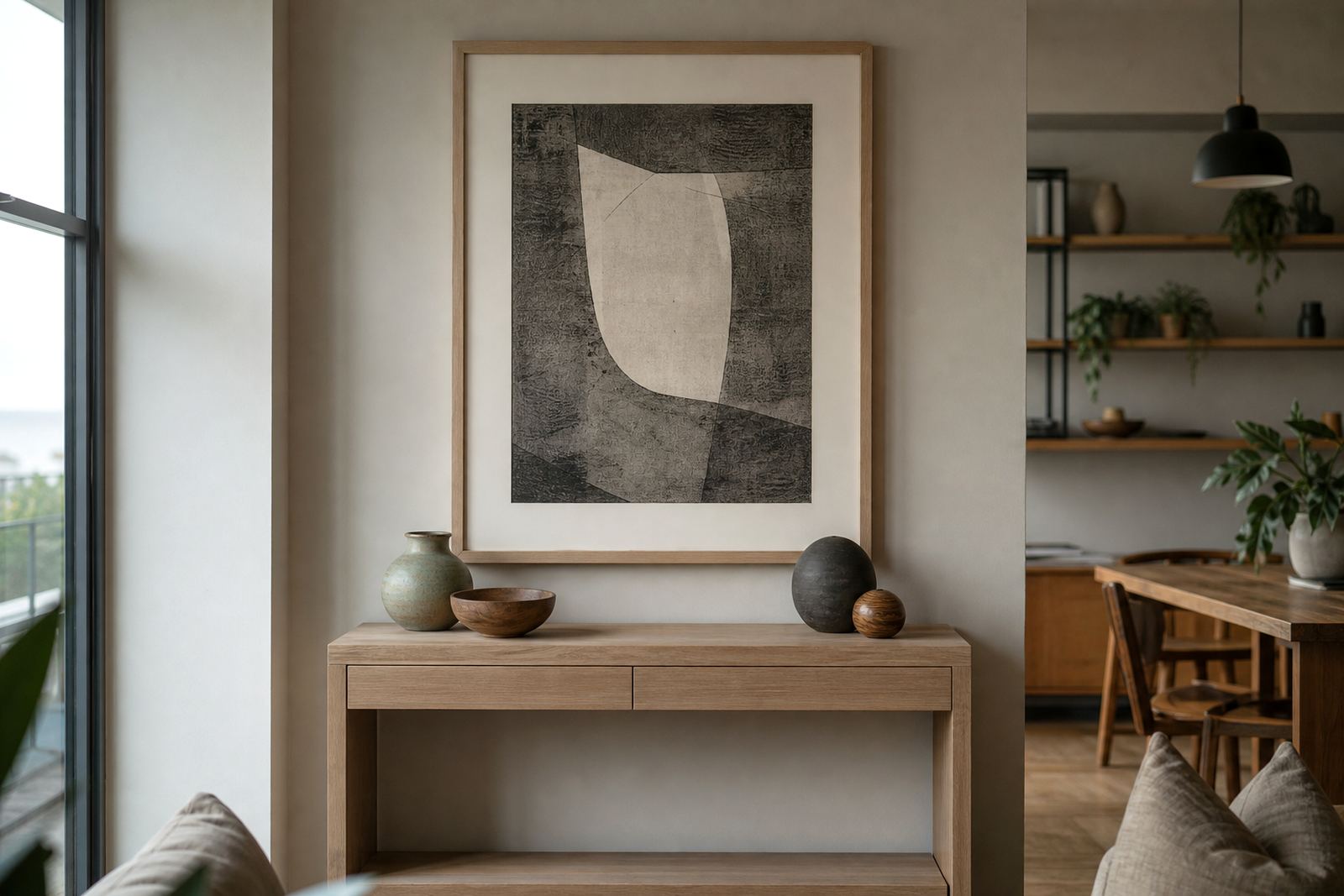
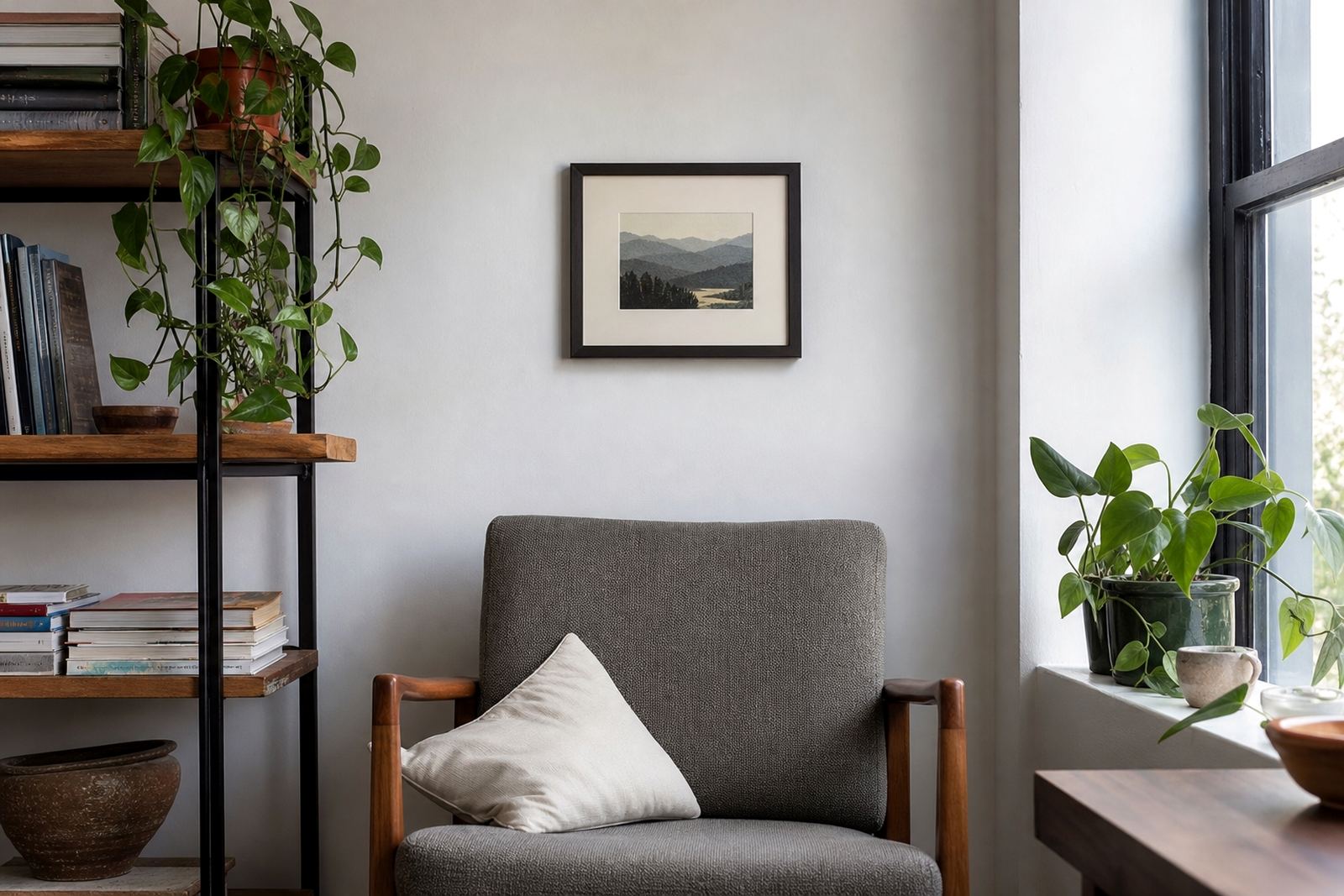
Collectors often begin by thinking about scale, light and the mood of the room. A large, detailed print can anchor a lounge or reception area, while a smaller sheet may suit a reading corner, passage or study. Colour also makes a difference. Strong tonal contrast can stand up well in bright coastal light, while quieter palettes may work better in rooms with softer daylight.
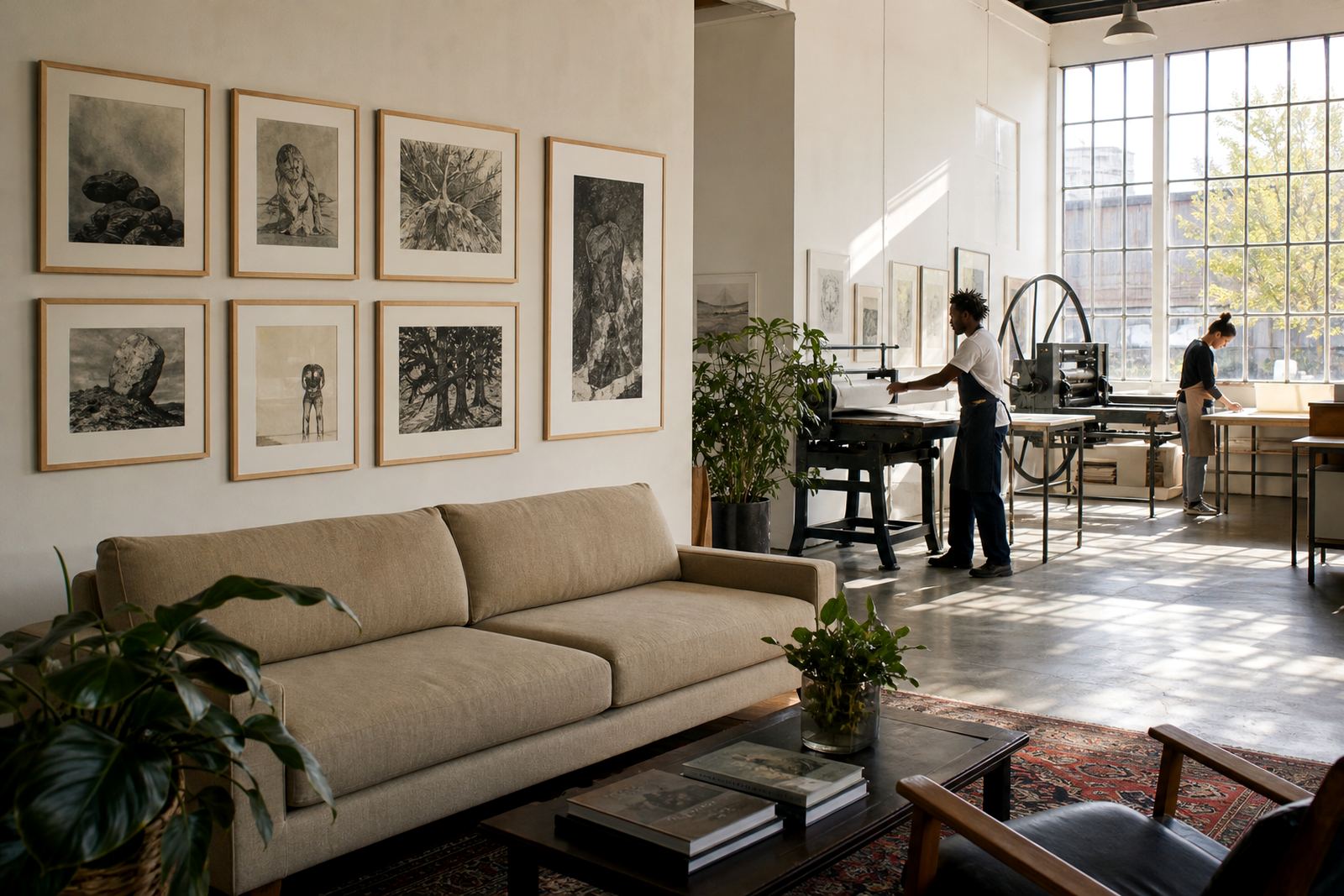
It helps to think about what the work must do in the space. Some buyers want a single focal point. Others are building a group over time and prefer works that connect by paper size, subject or colour family. There is no single rule, but it is useful to keep the frame proportions, wall colour and viewing distance in mind before deciding.
- Check the paper size against the wall space and frame allowance.
- Look at how the image reads from a few steps back.
- Consider whether the work needs natural light or a more controlled setting.
- Ask if the print is part of a series, a single image or a colour variant.
What To Ask Before You Buy
A good collecting decision usually starts with a few practical questions. Ask how the edition was printed, whether the sheet has been signed and numbered, and how the work should be stored if it is not framed straight away. If you are comparing several prints, ask about paper type and whether any registration marks or margins are part of the finished presentation.
Collectors in coastal areas such as Sea Point and Durban may also want to think about humidity and framing materials. Prints should not sit in damp rooms, and backing boards should be chosen with care. In Johannesburg and Pretoria, where dry conditions and strong sun can affect interiors, glazing and placement also matter. The aim is to keep the sheet stable and easy to enjoy over time.
Care, Framing And Safe Storage
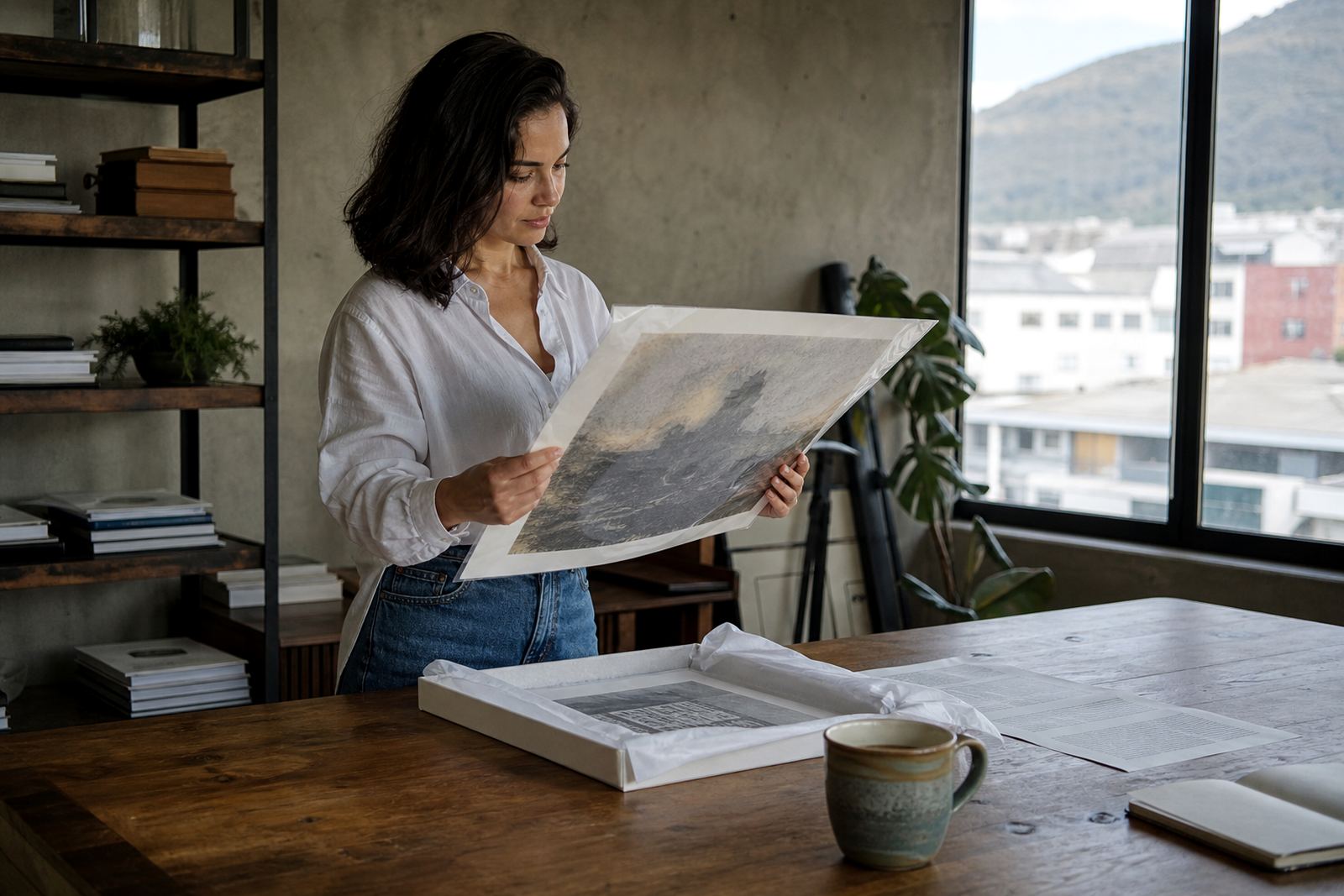
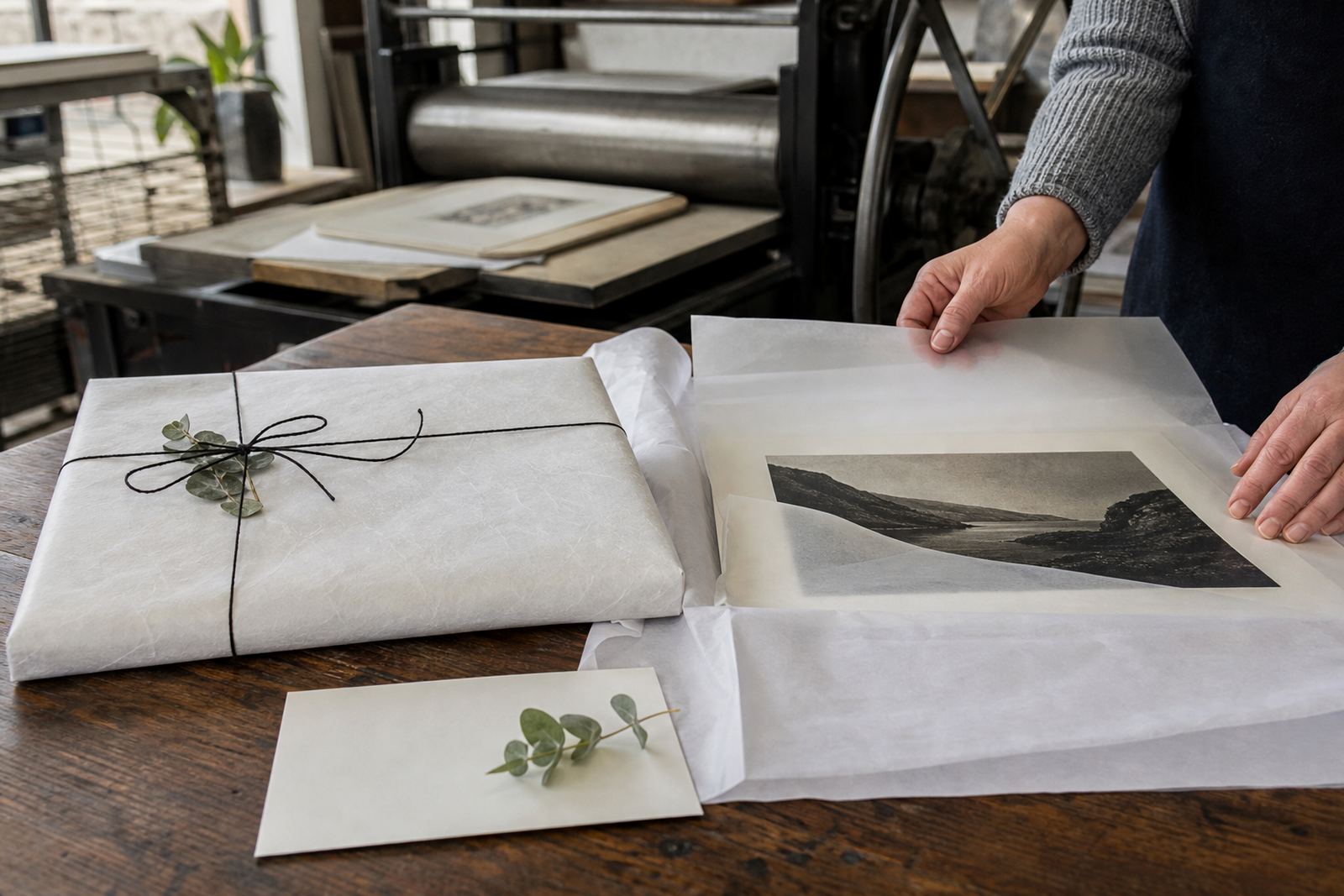
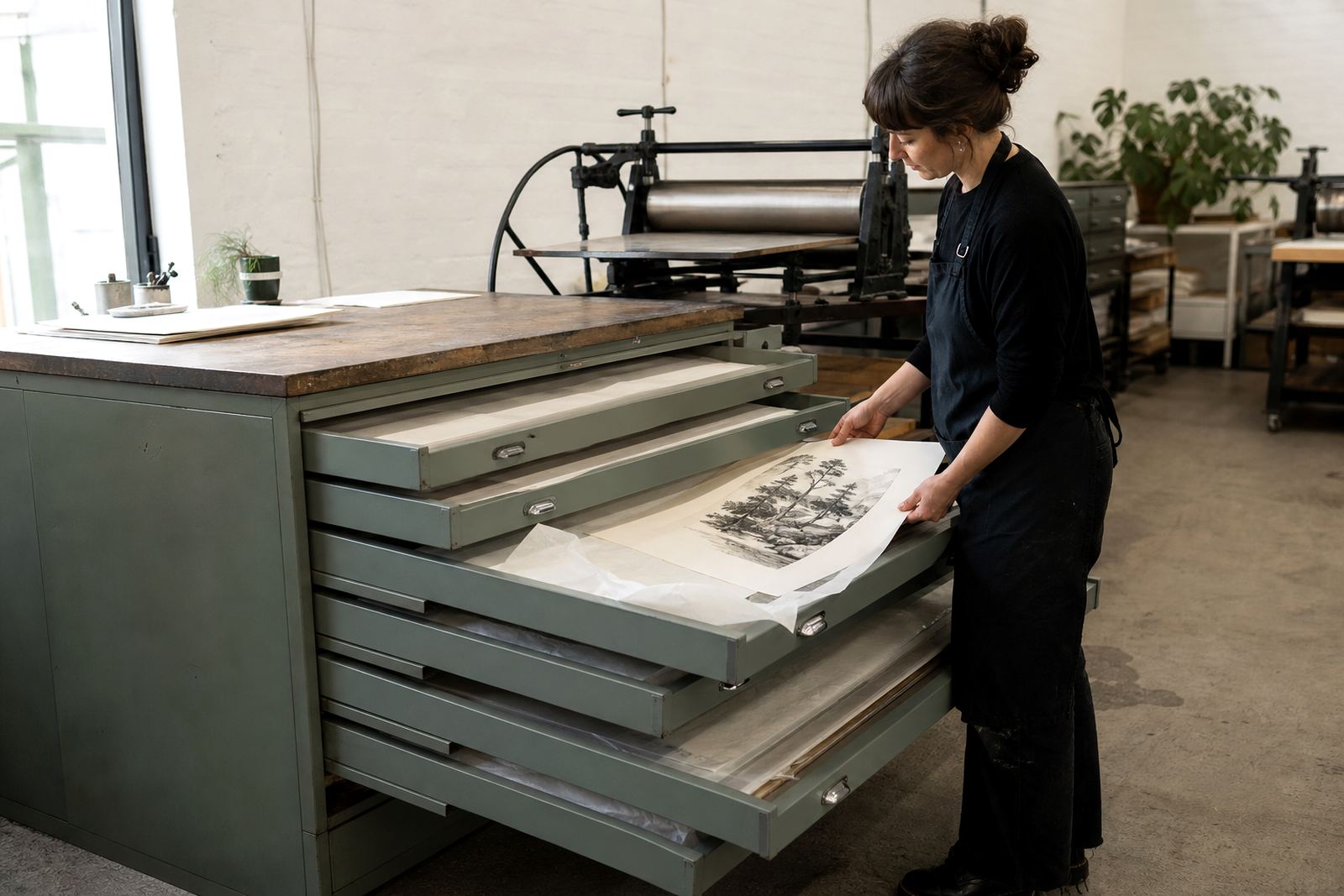
Fine-art prints last best when they are handled with clean hands or cotton gloves and kept away from moisture, heat and direct sun. If the work is being framed, use acid-free materials and a mount that allows the paper to breathe. Never tape the print directly to the frame backing. For unframed prints, flat storage in an archival sleeve or portfolio is the safest option.
Stone lithographs are sensitive to poor handling, so it is worth planning care from the start rather than after the fact. This is especially important if the print may move between homes, offices or storage in different cities.
- Keep prints out of direct sun and away from steamy kitchens or bathrooms.
- Use archival packing if the work is being transported.
- Store flat, dry and clean if not framed.
- Ask your framer about UV filtering glass or acrylic where suitable.
Collecting With A Studio In Mind
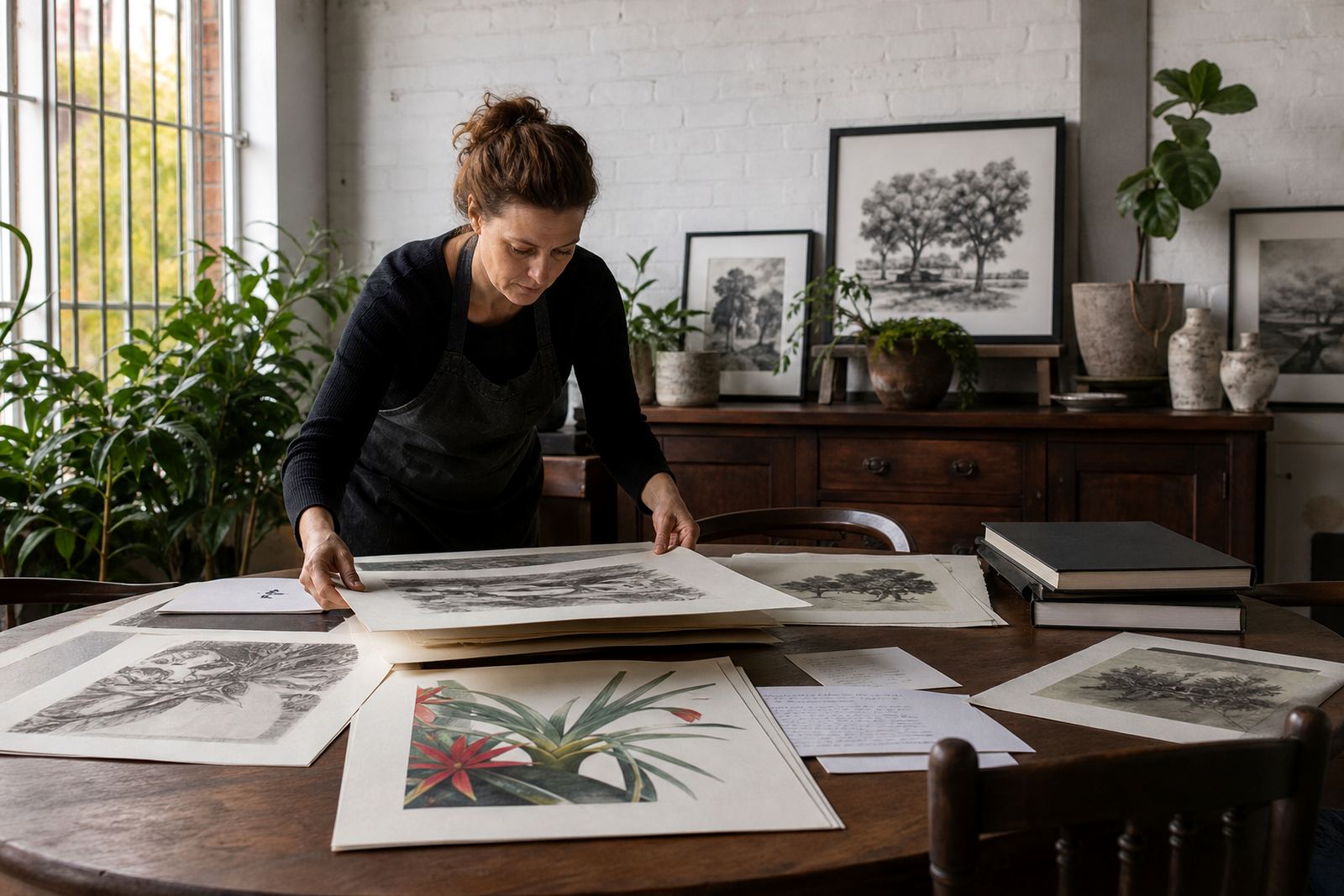
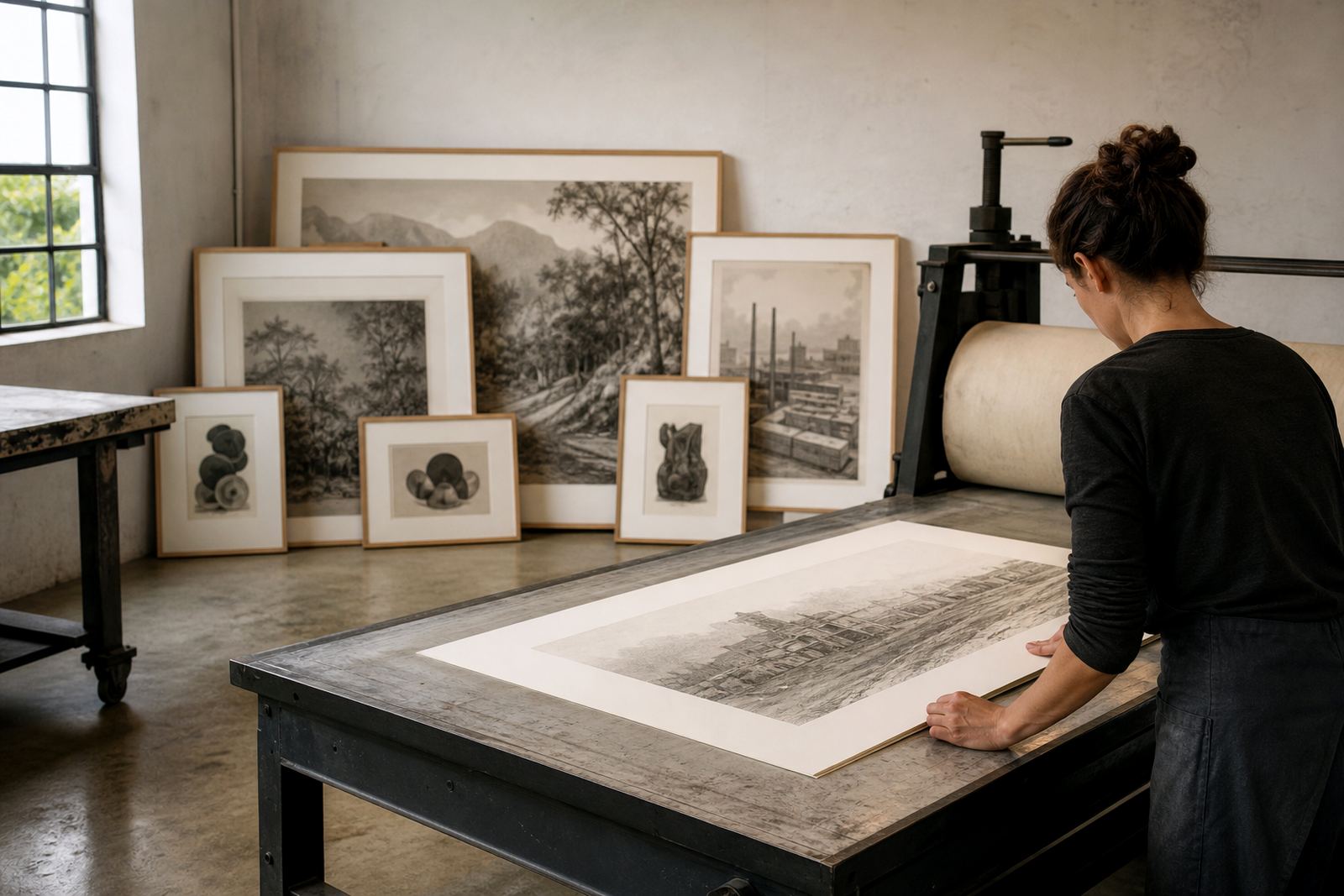
Working with a lithography studio gives collectors a closer view of how the image was made, from stone preparation to proofing and final editioning. That process helps explain why two prints that look similar at first glance may differ in paper, colour balance or impression quality. It also gives buyers a clearer sense of the edition integrity behind the work.
Our studio in Woodstock supports collectors across South Africa with studio visits, collector advice, framing coordination and archival packing. If you are building a first collection or adding to an existing one, it helps to choose prints that suit your space and your long-term plans. A well-chosen stone lithograph can live comfortably in a home for years and still hold meaning each time you see it.