


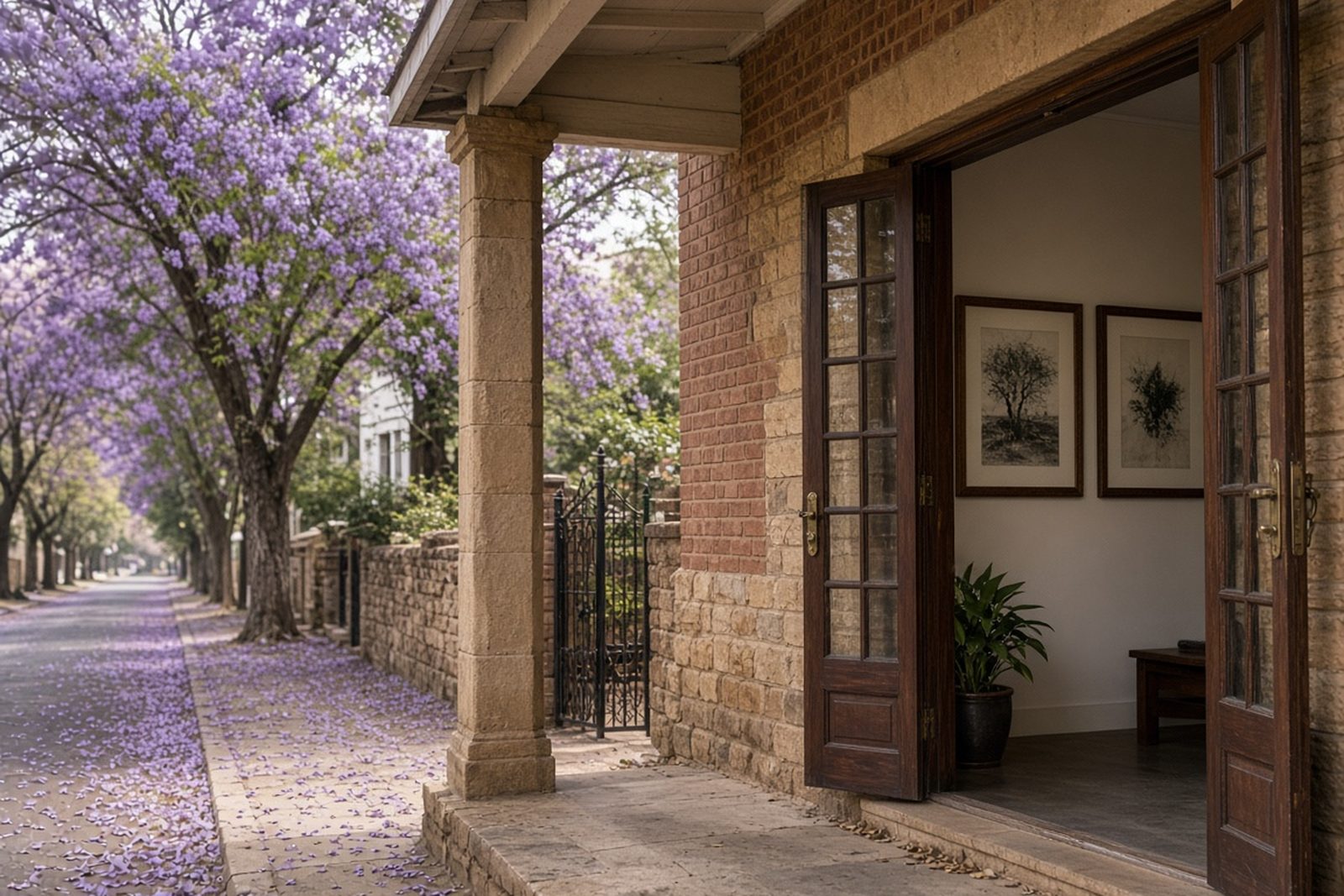

Why area pages matter for collectors and artists
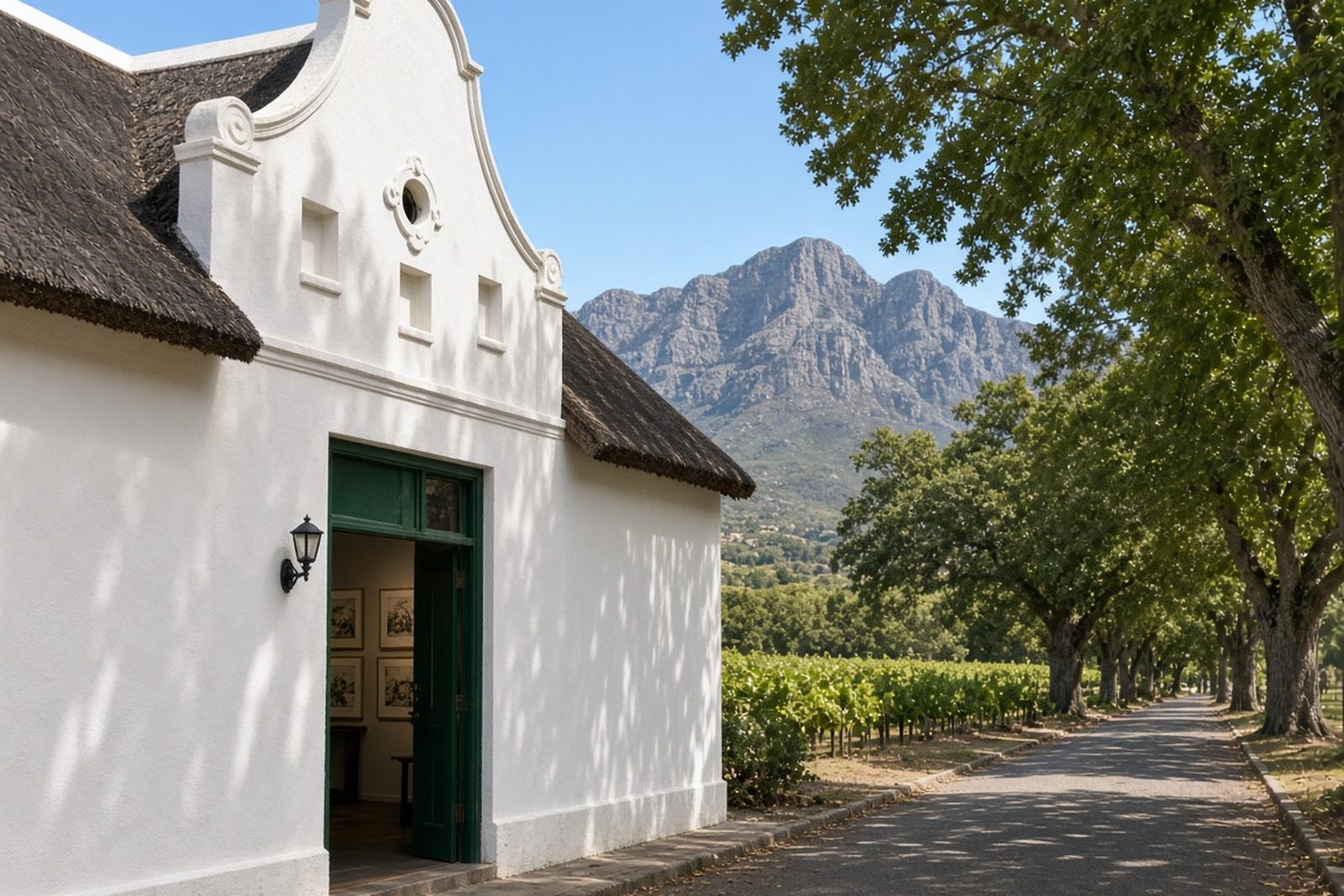
Our location pages are grouped by area so visitors can quickly see how lithography connects to different parts of the art market. Some people want to visit a studio in Woodstock, others are looking for exhibition venues near Sea Point, Newlands or Stellenbosch, while many collectors simply want to understand how a print is made before they buy.
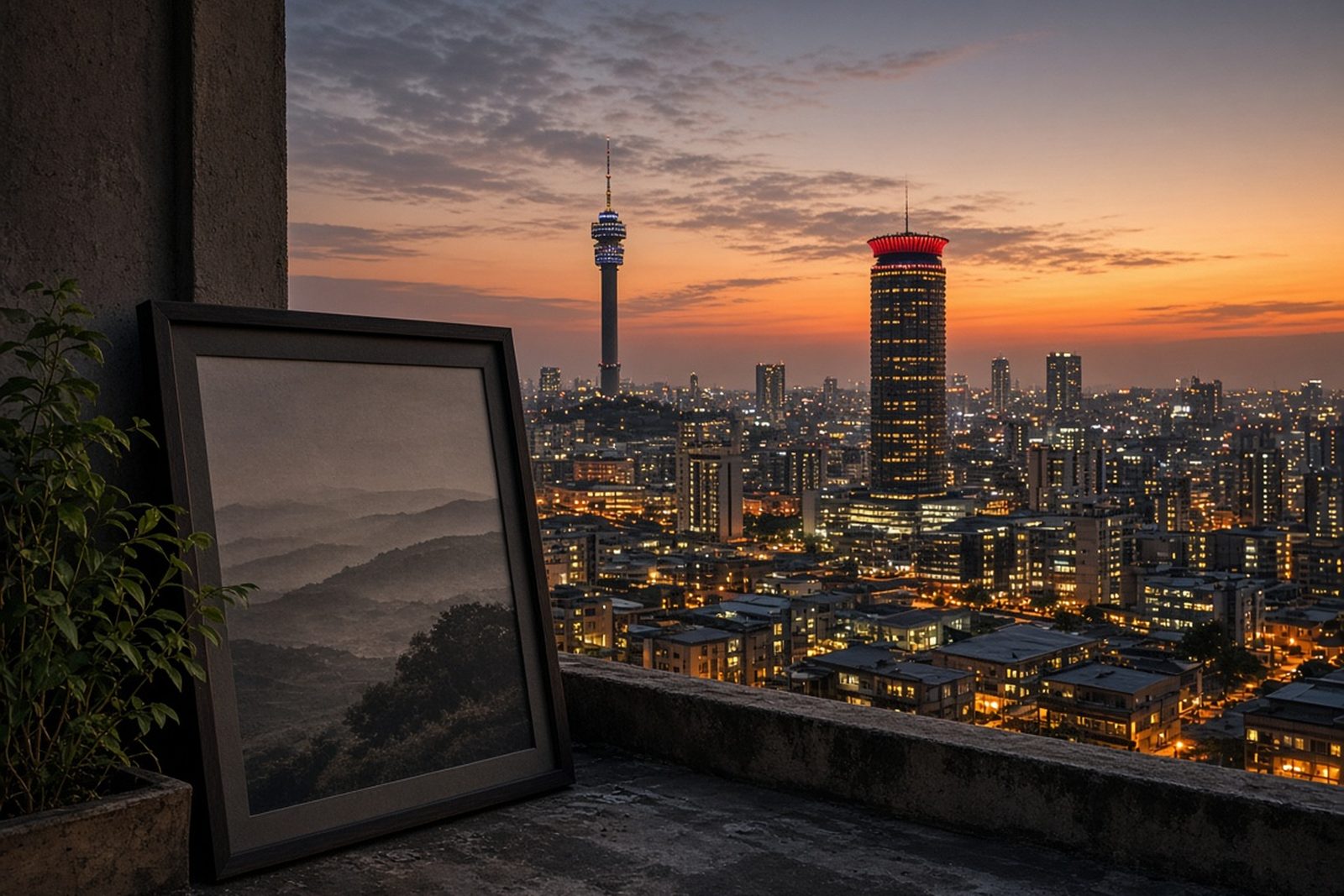
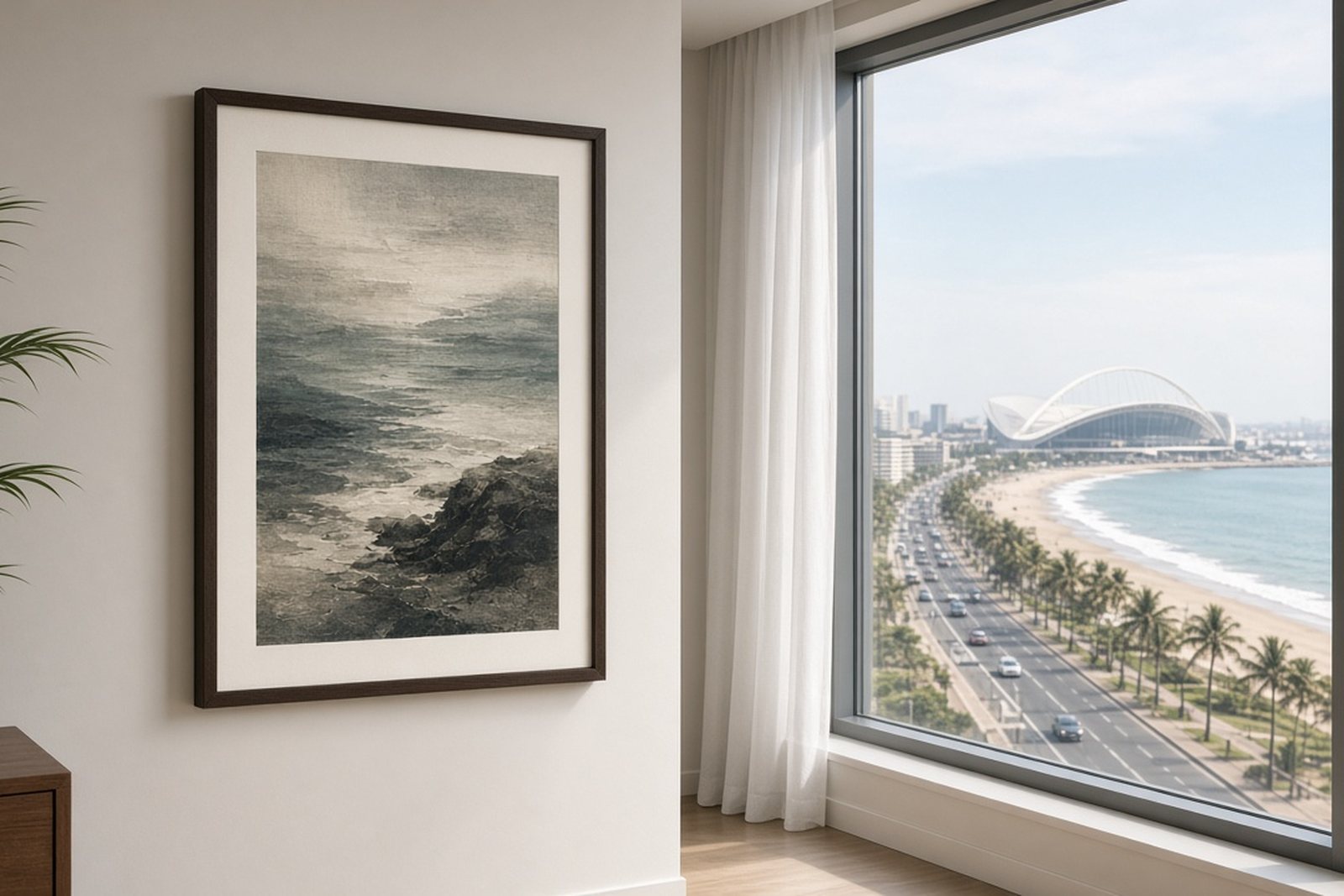
Stone lithography has a very direct relationship with place. A print can be proofed in Cape Town, packed for a collector in Johannesburg and later hung in a Durban home or office. We handle studio visits, proofing sessions and finished limited editions for collectors, artists and curators in different parts of South Africa.
How to choose the right area page
If you are deciding where to begin, think about your main purpose. Are you looking to buy a print, understand the editioning process, or arrange a studio visit? Our area pages point you to the most relevant local information, so you do not have to trawl through general pages to find the practical detail.
- For visitors: choose the area nearest to where you live or where you plan to view art.
- For collectors: choose the page that explains how prints are selected, signed and numbered.
- For artists: choose the page that covers edition planning, proofing and colour separation.
- For gift buyers: choose the area that tells you about framing coordination and archival packing.
We work with enquiries from across South Africa, and the right starting point often depends on where the work will be viewed, stored or framed.
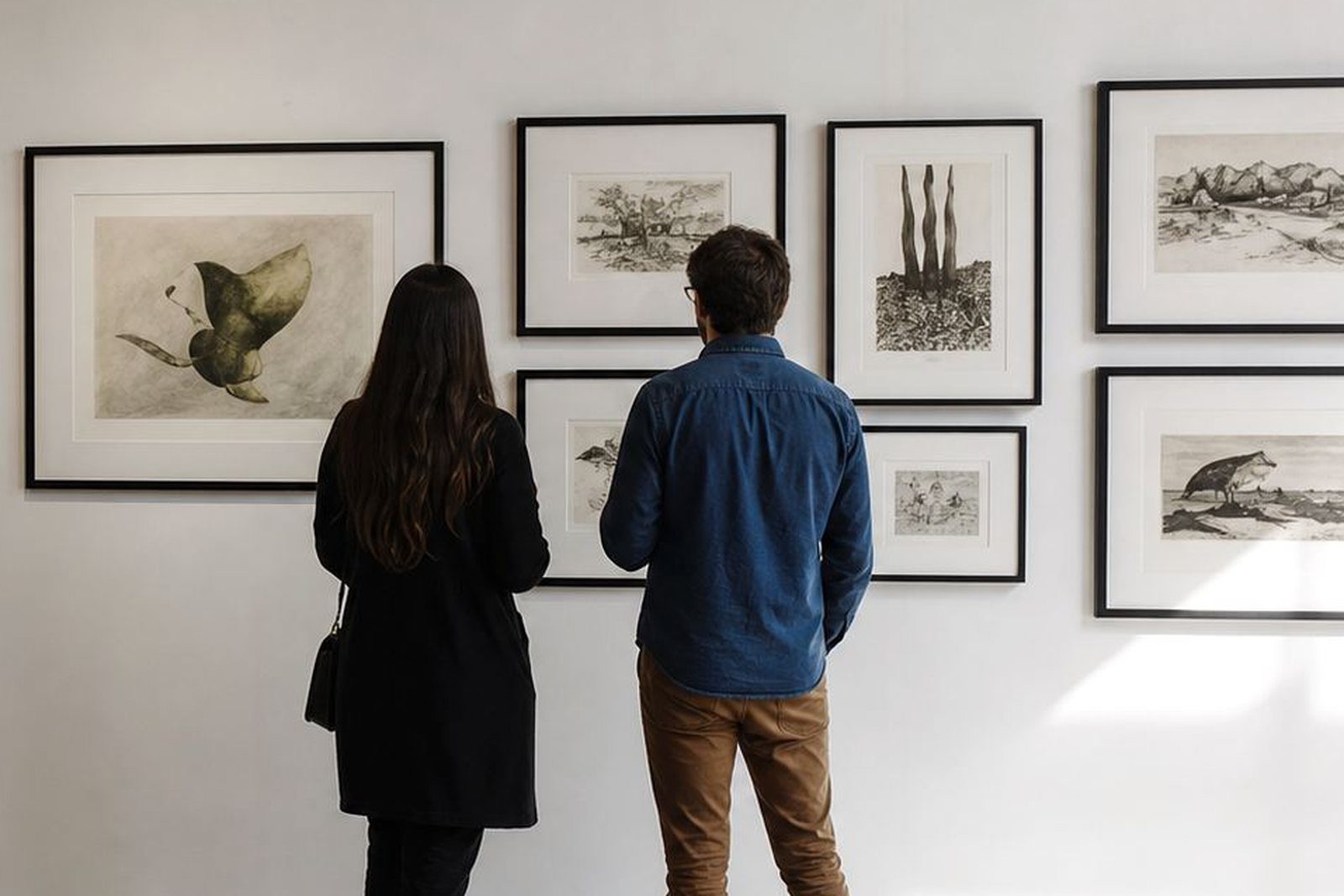
Stone lithography in an exhibition setting
At Lithography Art, this printmaking method uses limestone, grease-based drawing materials and careful chemical balancing to transfer an image onto paper. Each colour usually needs its own stone or plate-like drawing stage, which is why this method is so well suited to limited editions and detailed tonal work.
For exhibitions, that matters because the print carries the marks of hand work while still allowing consistency across an edition. Collectors in Cape Town, Pretoria or Durban often want to know whether a print is part of a small edition, how the paper has been chosen and what care it needs once it leaves the studio.
- Edition planning: sets the total number of prints before production begins.
- Proofing: allows adjustments to colour, density and registration.
- Signing and numbering: identifies each print within the edition.
- Archival packing: helps protect the work in transit and storage.
Key South African collecting areas we serve
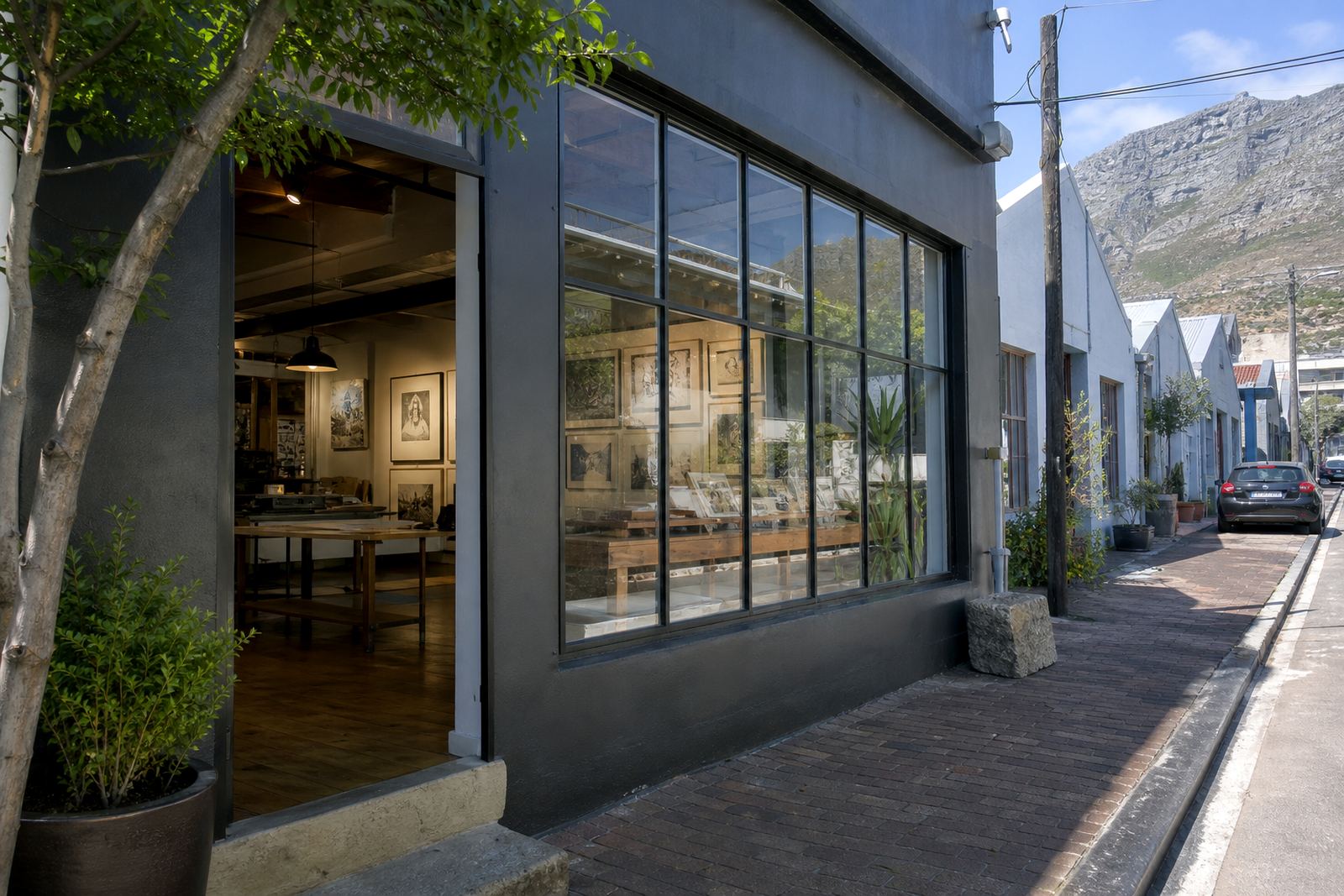
Our studio is based in Woodstock, Cape Town, and we regularly work with collectors and artists linked to nearby art areas as well as further afield. Each place has its own rhythm, from gallery-going in central Cape Town to private collecting in suburban homes and offices.
- Woodstock and central Cape Town: close to the studio for visits, proof checks and collection.
- Sea Point and Newlands: convenient for collectors looking for framed work and local delivery.
- Stellenbosch: strong interest from collectors who value craft, editioning and paper quality.
- Johannesburg and Pretoria: useful for clients building serious private collections.
- Durban: important for coastal collectors who need good packing and moisture aware storage advice.
What to expect from a studio visit or enquiry
Visitors usually start with an enquiry through our contact page, then we guide them toward the most relevant next step. That may be a studio visit, a proofing session, or a conversation about how an existing print can be editioned and presented. We also assist with collector advice, so you can make informed choices about paper, finish and framing.
In the studio, you can see how the stone is prepared, how colour is built up and how the final sheet is handled before it leaves for a collector or exhibition. The process is careful and practical, and it rewards patience. A print that looks strong in the studio should also hold up in a home, gallery or office over time.
Print care for buyers and institutions
Good print care starts the moment the work leaves the studio. Keep lithographs away from direct sunlight, damp walls and poorly ventilated rooms. In coastal areas like Durban or parts of Cape Town, moisture control matters, especially if the work is stored before framing. If a print is unframed, keep it flat in archival materials and avoid PVC sleeves or adhesive tapes near the sheet.
For framed work, use archival mounts and glazing suitable for fine art paper. If you are collecting more than one print, store them separately rather than stacking loose sheets. If you are unsure about a display location, we can advise on packing, handling and framing coordination before the work is sent out.