What makes a limited edition worth collecting
Limited-edition prints appeal to collectors because the image is made in a controlled run, with each sheet pulled from the same prepared stone or set of stones. In stone lithography, the artist works directly on a limestone surface with grease-based drawing materials. The stone is then treated so the printed image accepts ink while the non-image areas repel it. That direct hand-to-surface process gives the print its character, especially in the way line, tone, and colour sit on the paper.
When you are choosing a print, look beyond the image alone. A smaller edition often means fewer sheets exist, which can matter to collectors who want a tighter body of work. Just as important is the printer’s care, the paper used, and whether the edition was planned properly from the start. A good print should feel intentional, not rushed.
Edition size, numbering and what proofs mean
Editioning is the system that keeps a print edition honest. Each finished sheet is numbered, usually as a fraction such as 5/20, which tells you that it is the fifth print in an edition of twenty. That number does not always mean the fifth sheet printed in order, but it does confirm where the work sits in the total edition. Collectors should also ask whether there were artist proofs, printer’s proofs, or trial proofs, because these are handled differently from the main edition.
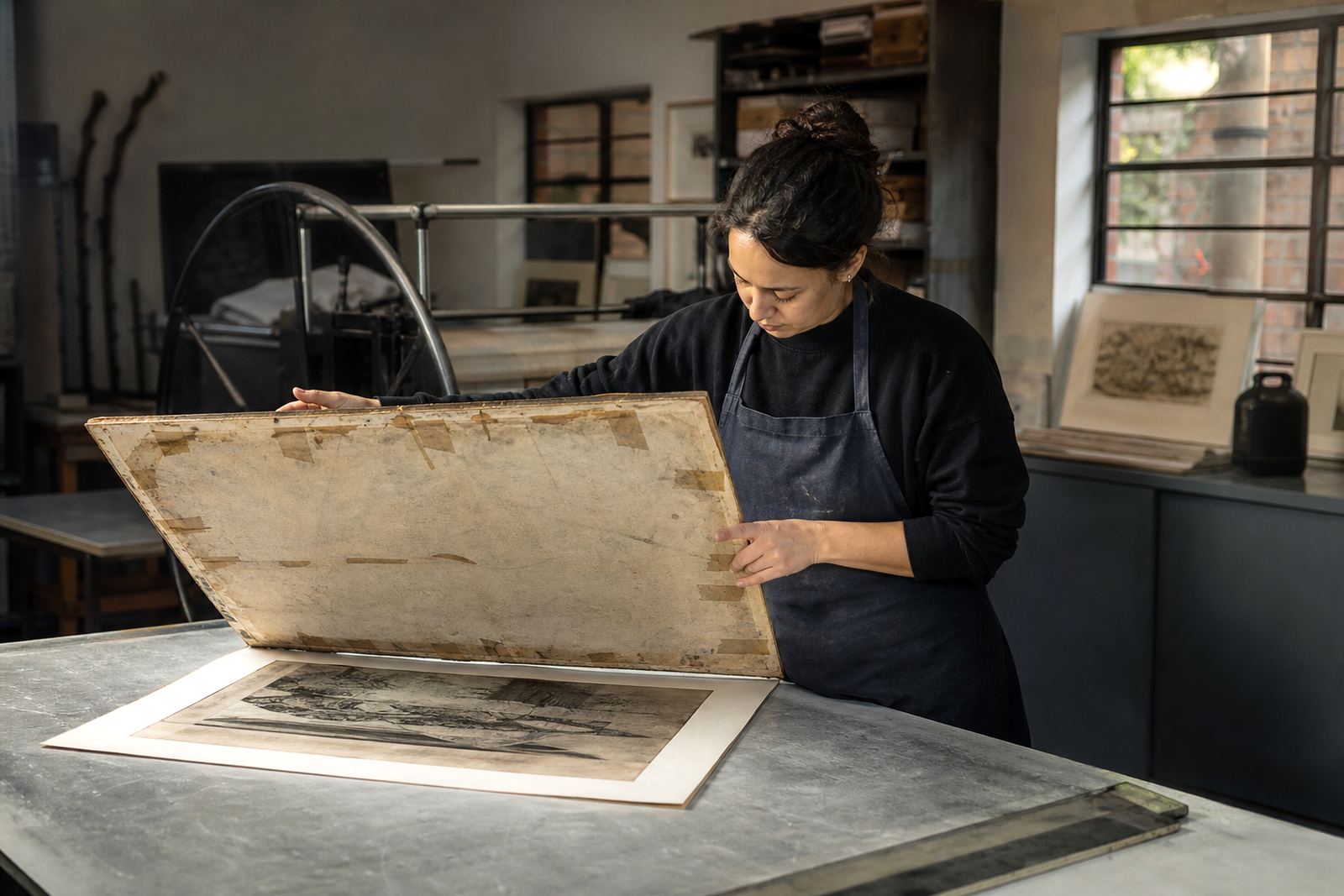
In practice, the value of a print is not determined by number alone. A first print is not automatically better than the last one if the edition was pulled with care across the run. What matters is consistency, clean inking, accurate registration, and the artist’s approval of the final result. If you are buying for a collection, ask whether the edition is complete, whether any sheets were cancelled, and whether the print is signed and numbered in pencil rather than added later.
How to judge quality before you buy
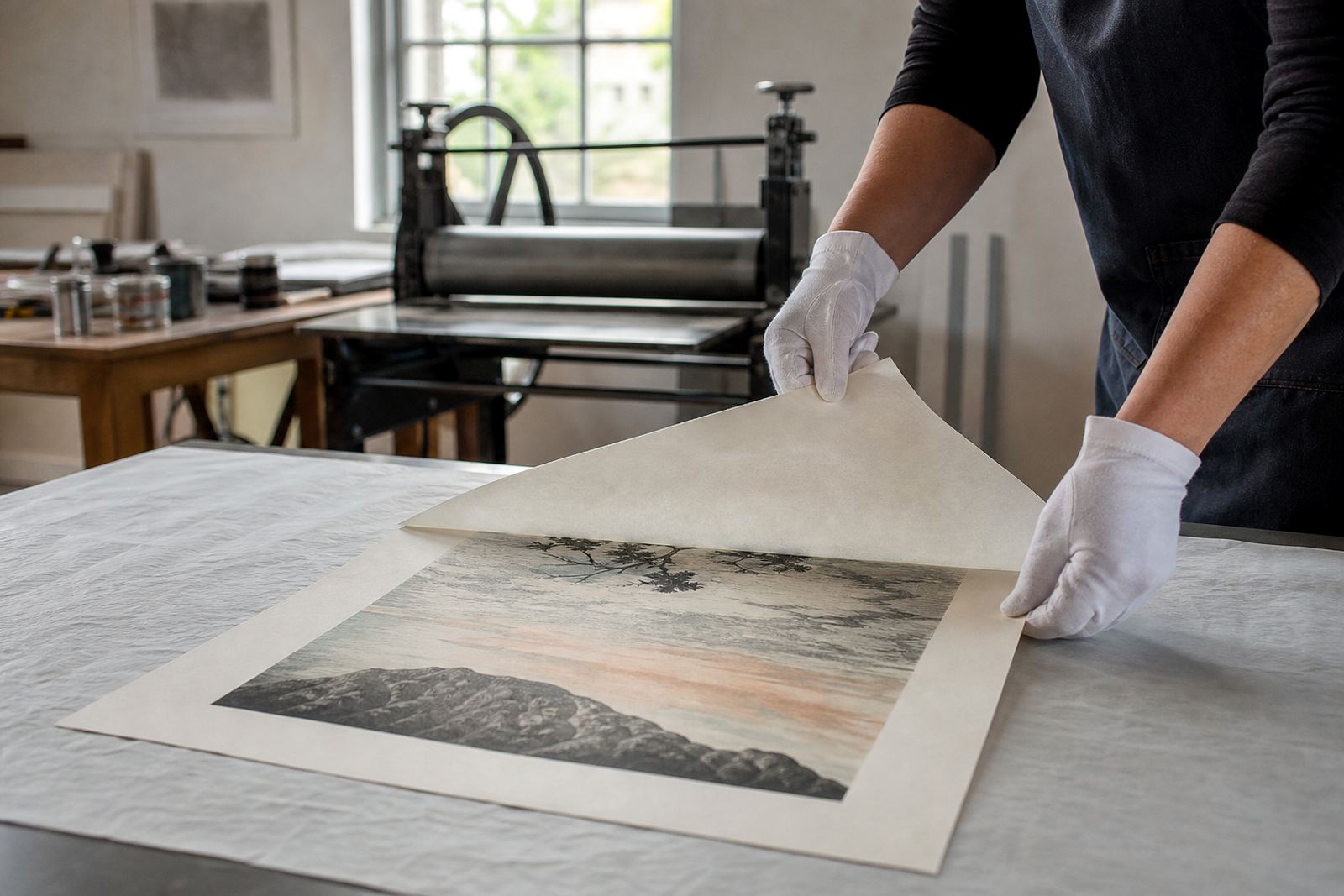
Collectors in Cape Town, Johannesburg or Durban often need to make decisions from photographs before seeing a work in person. That can work, but only if you know what to ask for. A lithograph should show clear tonal range, strong paper quality, and even colour where the image calls for it. If the edition includes multiple colours, check that the registration is clean and that each layer sits where it should. Small shifts can be part of the making process, but they should not distract from the image.
There are a few practical signs worth checking:
- Is the paper archival and suitable for fine-art work?
- Are the margins wide enough for handling and framing?
- Is the signature legible and placed consistently?
- Has the print been inspected for scuffs, smudges, or pressure marks?
- Does the seller explain the edition structure clearly?
If a print is being sold from Woodstock to a collector in Stellenbosch or Pretoria, packaging matters as much as the artwork. Sheets should be protected from moisture, bending and corner knocks, especially when couriers are involved.
Caring for prints in South African homes
Print care starts with light, humidity, and handling. Fine-art prints should not hang in direct sunlight, near steamy kitchens, or beside air-conditioning units that blow warm or cold air directly onto the frame.
For the best long-term care, collectors should use archival materials and stable framing. A print should not touch glass directly, and backing boards should be acid-free. If you are storing unframed works, keep them flat in a dry space with clean interleaving paper. Do not roll a lithograph unless it has to be transported and the paper stock allows it. Even then, careful packing is needed. A print can look perfect at first and still suffer later if it is stored in the wrong conditions.
Framing, packing and the realities of moving work around the country
Framing is part of collecting, not an afterthought. A good frame supports the work visually and physically, while protecting it from dust and handling. For collectors in new developments or older homes with variable wall conditions, frame weight and hanging hardware also matter. If a work is being framed in Cape Town for delivery to Johannesburg, the frame must travel well, with corners secured and the surface protected against vibration.
- Choose archival mounts and backing materials.
- Use UV-filtering glazing where appropriate.
- Keep the print away from damp exterior walls.
- Ask how the work will be packed for transport.
- Store the certificate of edition details with the artwork.
There is also a practical side to climate. Coastal air can introduce moisture, while inland winters can be very dry. That means the same print may need slightly different care depending on where it is kept. A collector in Newlands may not face the same conditions as someone hanging the same work in Durban.
A local example: choosing a print for a Cape Town collection
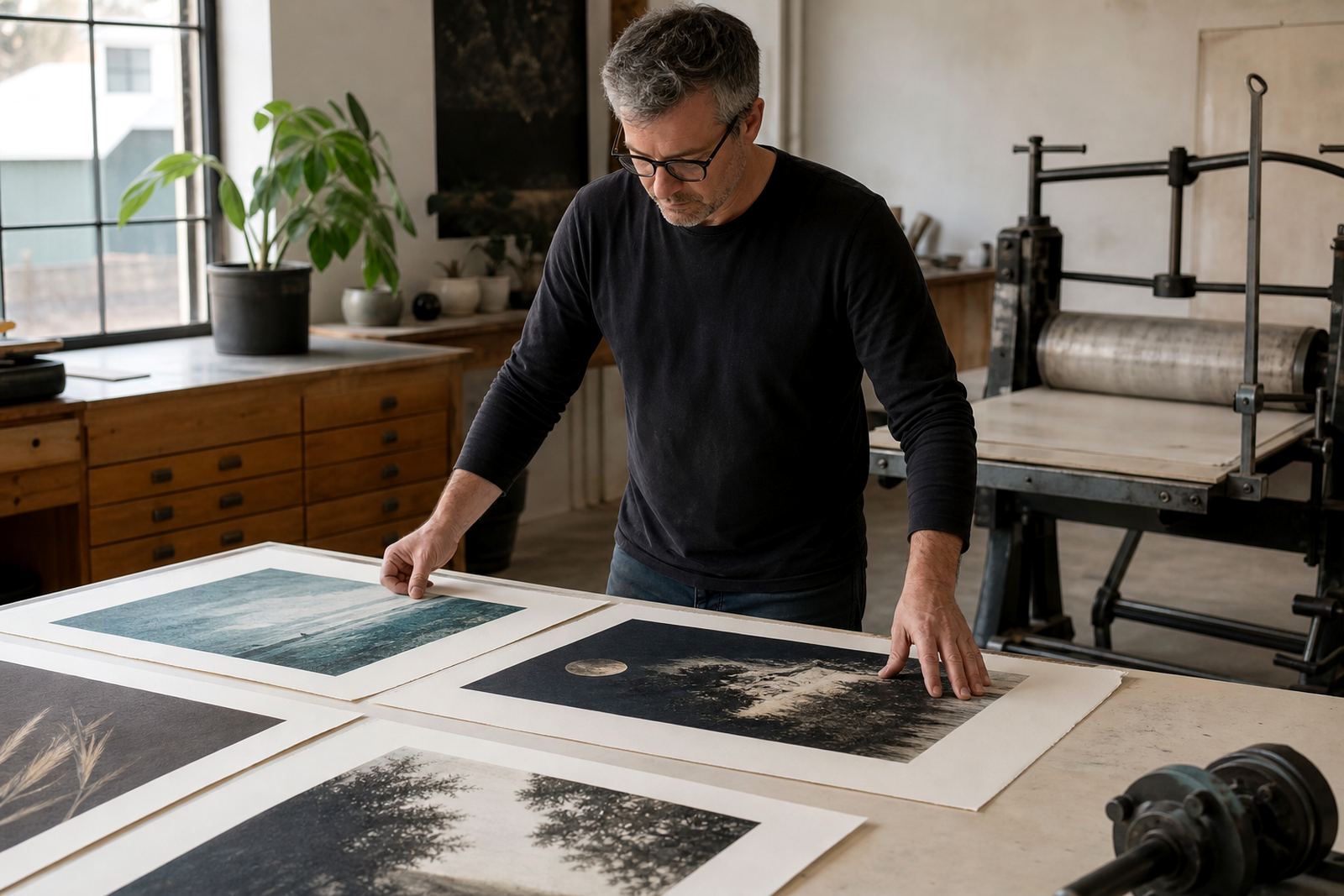
Imagine a collector in Woodstock choosing between two stone lithographs for a home in Stellenbosch and a small office in Pretoria. One print is a large, more open image with a broader edition. The other is a tighter composition, hand-printed in a smaller run with carefully matched colour layers. The right choice depends on the wall space, light, and how the work will sit with the rest of the collection.
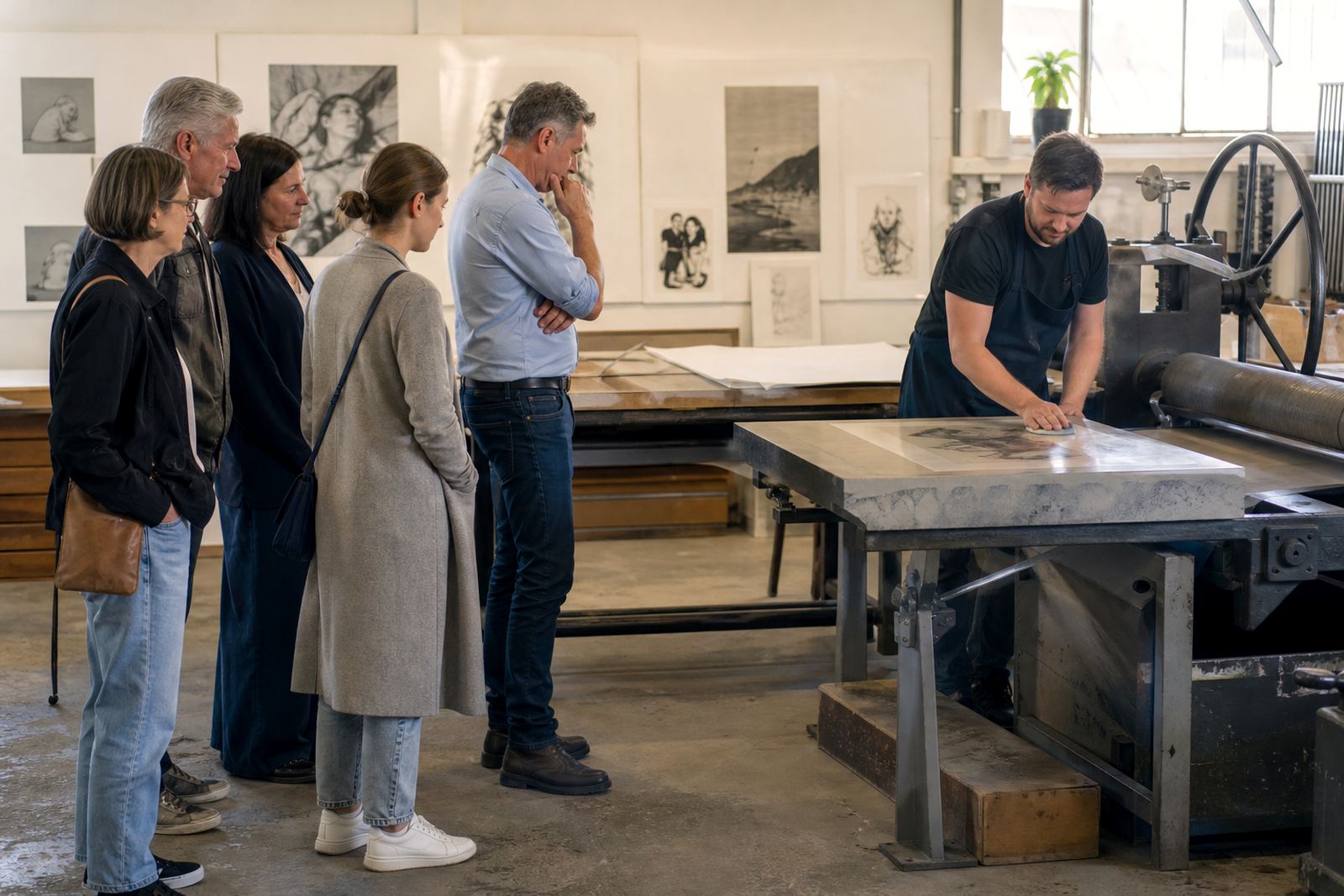
For many buyers, the deciding factor is not only the image but the evidence of process. Stone lithography rewards patience. Each sheet carries the pressure of the stone, the texture of the paper, and the hand of the printer. They know what to expect from the editioning, the packing, and the advice that comes with it. And if you are unsure, ask for a studio visit in Woodstock. Seeing the stone, the inks, and the paper side by side makes the whole process easier to understand.