Start with the room, not just the wall
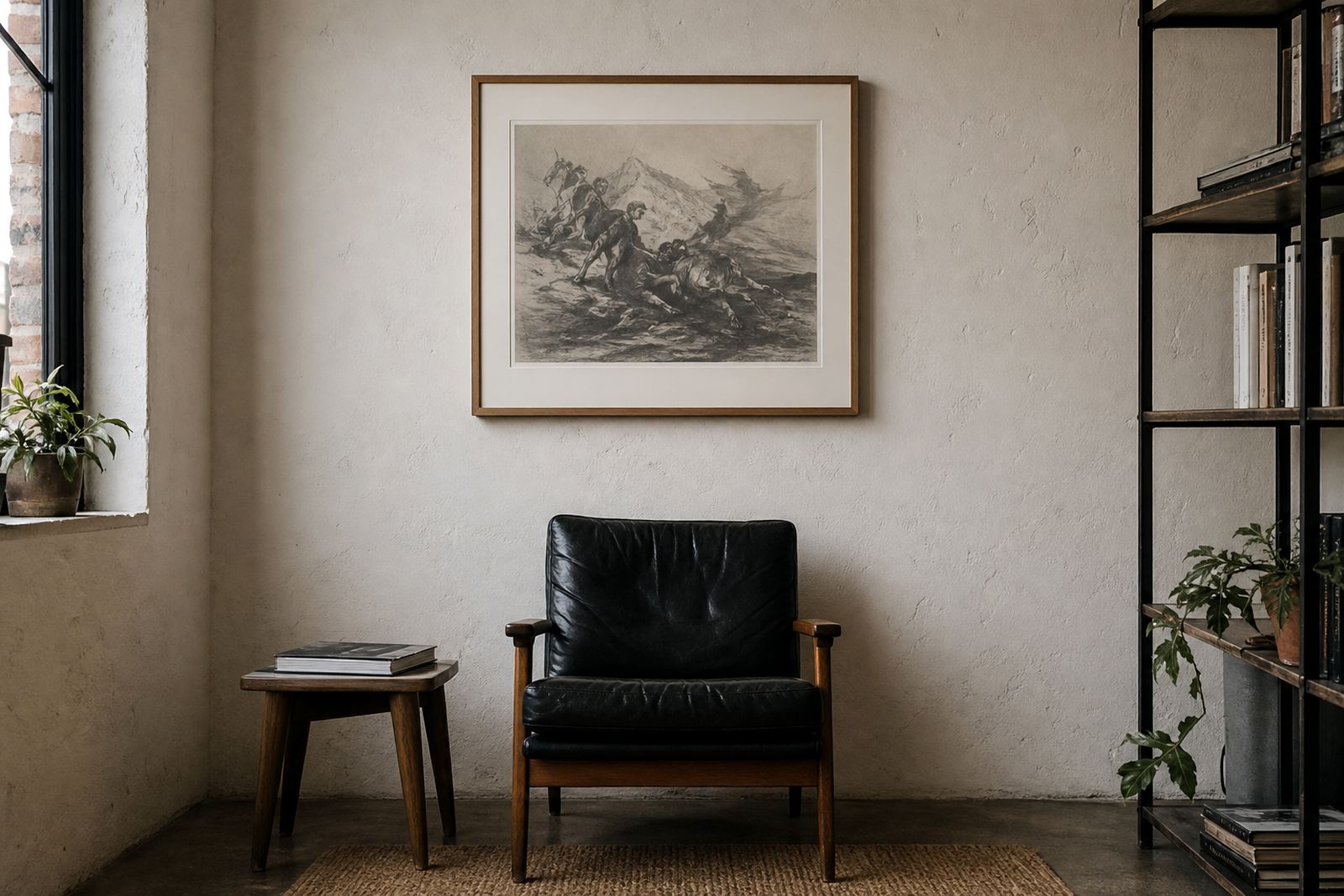
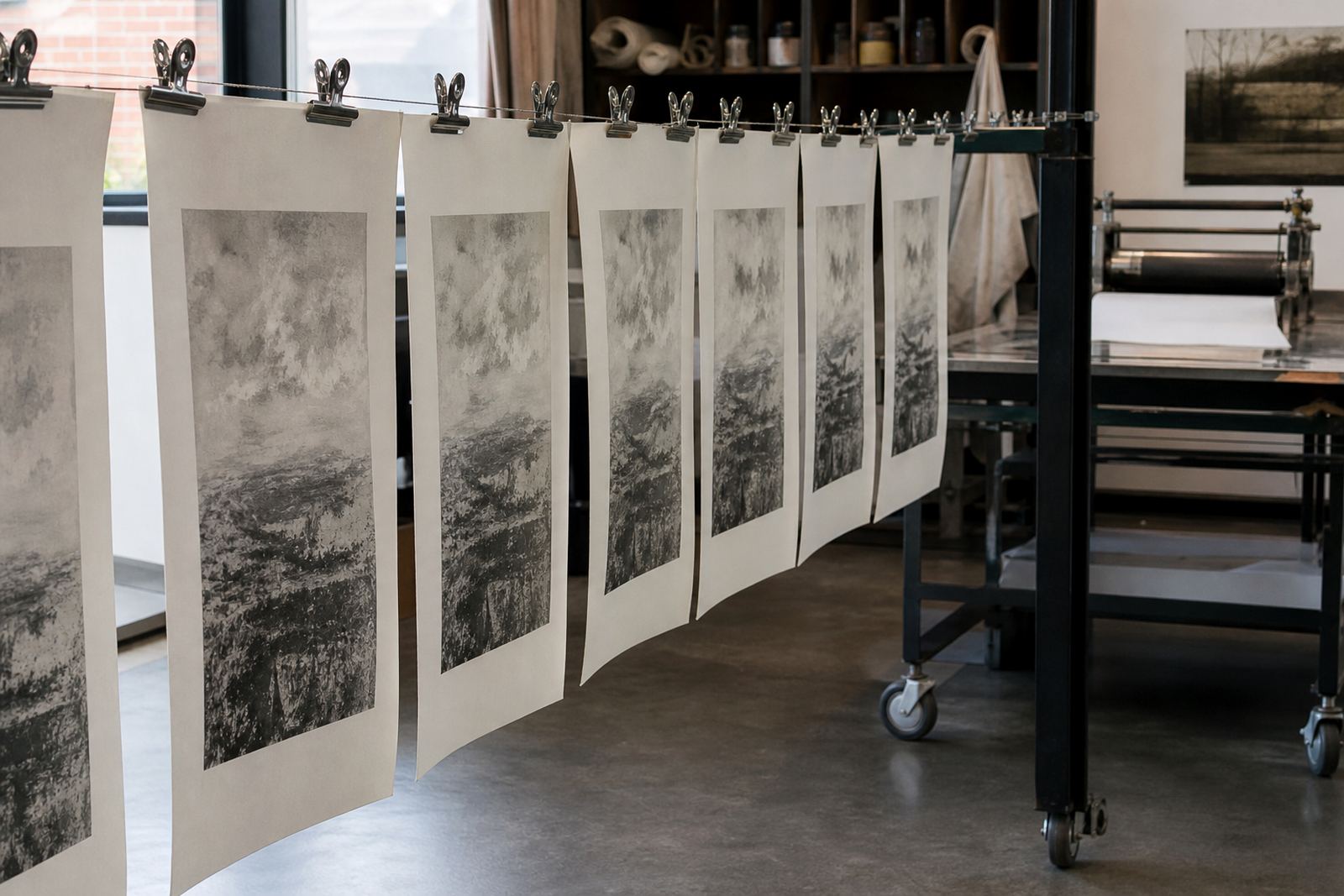
Stone lithographs respond well to calm, steady conditions, so the first choice is often the room itself. A passage with full afternoon sun may look tempting for a favourite print, but paper art is better suited to walls with softer light and less day to day movement. Think about where people pause rather than pass through quickly, because that is where a print can be appreciated without being exposed to constant touch or glare.
In Cape Town, a north facing room can get strong light for much of the day, while a south facing room may be cooler and more even. In Durban, humidity matters just as much as light, especially in homes close to the coast. A print can still hang beautifully in either place, but the room should not trap damp air or sit directly beside a steamy kitchen or bathroom.
- Choose a room with stable temperature and moderate natural light
- Avoid walls opposite large windows that throw glare onto glass
- Keep paper art away from kitchens, bathrooms and laundry areas
Look for the light, then check how it moves
Good wall placement is less about bright light and more about controlled light. Lithographs often carry subtle colour shifts, grain, and fine line work that can be lost in harsh reflection. If the wall faces a window, stand where you would normally view the work and check what happens at 9 am, midday and late afternoon. A position that looks fine in the morning may become hard to enjoy once the sun swings across the room.
Framed prints with glass should not sit where direct sun hits them for long periods. Even with conservation framing, UV exposure can fade paper and loosen the look of certain inks over time. If you need to place a print in a bright room, use a wall that receives indirect light or install proper window coverings. That is especially useful in open plan flats and homes with large sliders to a patio.
- Stand in the room at different times of day before choosing the spot
- Watch for reflections from windows, downlights and polished floors
- Use blinds or curtains if the only available wall is too bright
Choose a hanging height that feels natural
The centre of the artwork is usually best at about eye level, but that is only a guide. In a living room with low sofas, a print can sit slightly lower so the relationship between the furniture and the frame feels balanced. In a hallway, where people pass standing up, a slightly higher placement may work better. What matters is that the work feels settled on the wall, not squeezed too close to the ceiling or floating awkwardly above the furniture.
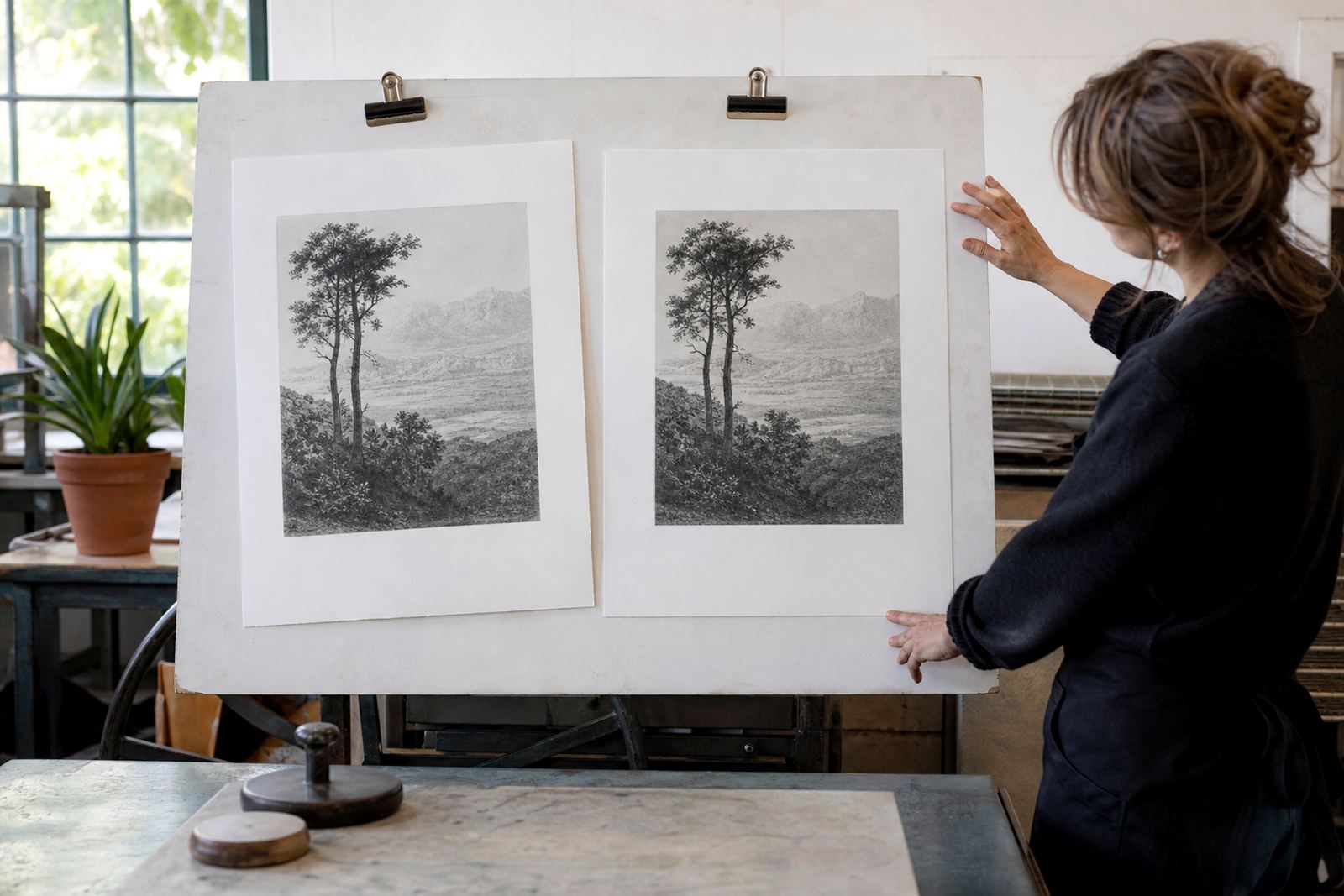
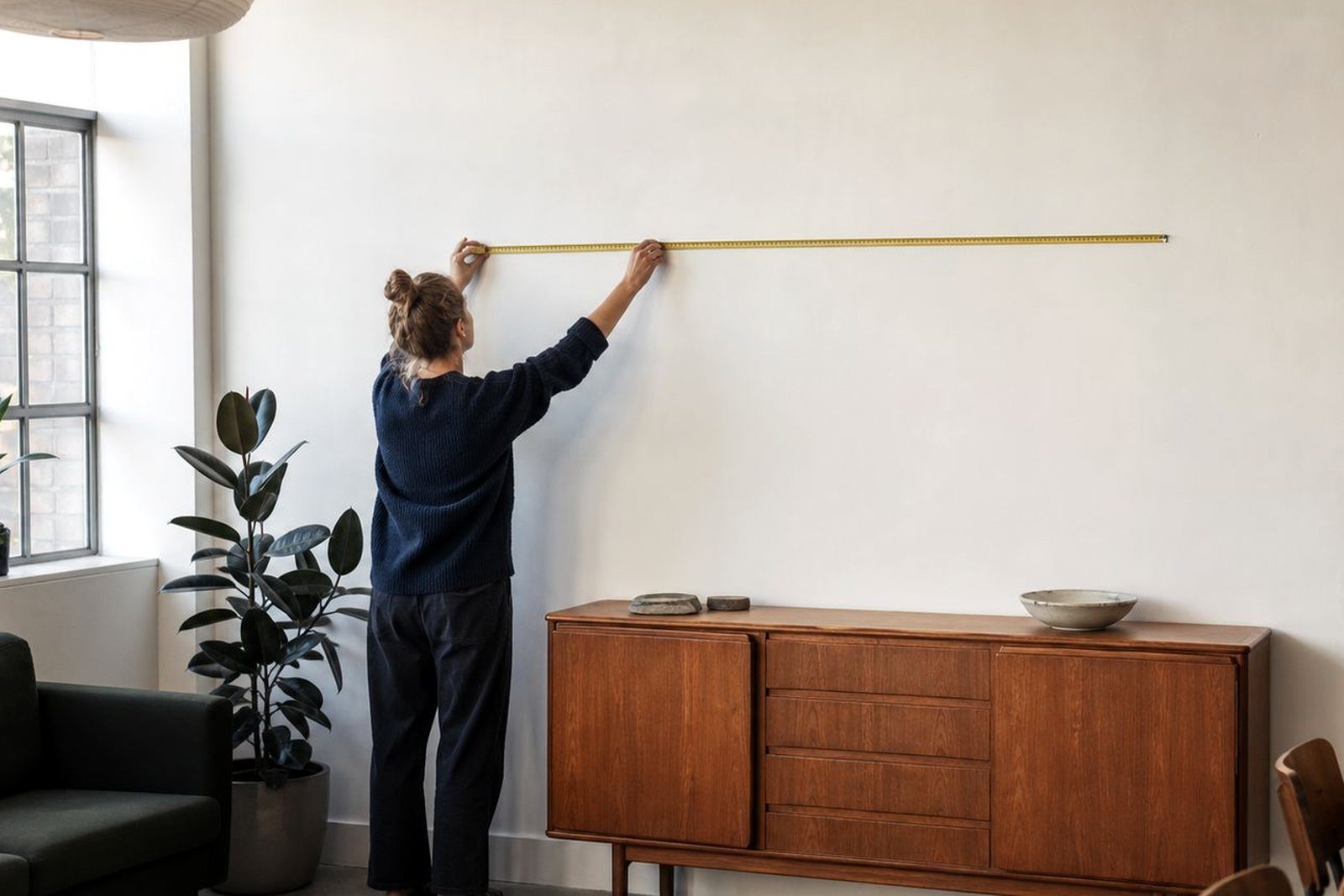
For a single lithograph, allow enough breathing room around the frame so the print can stand on its own. For a pair or a small group, keep the spacing consistent and measure carefully before putting in hooks. A level line and even margins make a real difference to how the edition is read.
- Keep the centre point roughly at adult eye level where possible
- Leave space above furniture so the work does not feel crowded
Match the wall to the edition size and frame
Editioned prints often work best when the wall size matches the scale of the image. A small print can disappear on a very large wall unless it is grouped with other works or given a strong frame. A larger lithograph needs enough wall width to breathe, especially if the image has a fine border or hand signed margin. Think about the full framed size, not just the paper size, because the frame and mount can add a lot more presence than expected.
On older plaster walls in Woodstock or Newlands, it helps to check the wall’s condition before hanging anything with weight. On newer apartment walls in Johannesburg or Pretoria, use the right fittings for the surface and remember that some walls need secure anchors rather than simple hooks. If you are unsure, it is worth getting the hanging method right rather than having to move the work later.
Good wall placement also protects the print from accidental knocks. A narrow passage, a spot behind a door, or a wall close to a dining chair can lead to repeated contact. That kind of wear adds up quickly, and not in a good way.
Keep paper art away from moisture and heat
Paper is sensitive to moisture, so avoid walls that pick up damp from outside, air conditioning drips, or unventilated corners. Coastal homes in Sea Point and Durban can be especially prone to this, and even inland homes can have trouble if a print is hung above a radiator, fireplace, or aircon outlet. Heat and humidity can affect the paper, the mount, and the frame backing over time.
If the room is used heavily, check for condensation on glass during winter mornings or after summer rain. The fix may be as simple as moving the work to an interior wall, or keeping a little distance from windows and sliding doors. Archival framing helps, but it cannot do all the work on its own.
- Avoid hanging above heat sources or damp exterior walls
- Check for condensation on cold mornings near coastal areas
- Choose an interior wall if the room gets a lot of moisture
Use the print to shape the room, not fight it
A well placed lithograph can quiet a busy room or bring focus to a plain one. In a dining room, a horizontal print can echo the table below it. In a study, a single strong image can give the room a clear centre without crowding the wall. In a bedroom, a softer palette may suit a calmer setting, while a bolder colour work can hold its own in a brighter living area. The key is to let the room and the image support each other.
Collectors often ask where a print should go first, and the answer is usually the wall where it can be seen often, but not handled often. That balance matters. A lithograph is made to be lived with, yet it still needs the right conditions to stay crisp and clean over the years.
For local homes, a useful test is to mark the outline of the frame on the wall with low tack tape and live with it for a day or two. If it feels too high, too low, or too close to a light fitting, you will spot it before any holes are made.
Simple care after the work is hung
Once the print is on the wall, the job is not over. Dust the frame gently with a dry, soft cloth and avoid cleaning sprays near the glass. If you move house, transport the work flat and protected rather than leaning it loosely in a vehicle. For limited editions, keep the certificate or edition notes in a safe place, and if the print is ever reframed, use a professional who understands paper and archival materials. It is a small thing, but it helps preserve the work properly.
If you are hanging several works across a home in Cape Town, Stellenbosch or elsewhere in South Africa, give each one the right space instead of forcing a gallery wall where the room does not suit it. A careful wall choice can make a print last longer and look better every day, which is really the point.