What a numbered edition means in stone lithography
We work with artists in Woodstock and across the Cape Town area to plan editions before the first proof is pulled. That starts with the image size, paper stock and final edition count. Some works suit a small intimate run, while others need a larger edition for galleries and private collectors in places like Stellenbosch, Johannesburg, Pretoria and Durban. The point is to match the edition to the image, the paper and the market so the work remains practical to print and present.
Our team manages proofing sessions, colour separation, stone preparation and editioning so the final set is consistent from first print to last. We also advise on whether a white border is needed for signing and numbering, whether deckle edges should be left exposed, and how much margin should be allowed if the work is to be framed under glass. In summer, Cape humidity can affect drying times, so we plan handling and packing with that in mind.
- Available as loose prints, framed works or archive packed sheets
- Common sizes include small study editions, medium collector sizes and larger wall works
- Border and margin options can be planned for visible numbering and signing
- Edition size is confirmed before production begins
Where numbered editions suit best
Numbered editions work well in homes, offices, galleries and hospitality spaces where the buyer wants a genuine art object rather than a decorative reproduction. Because each sheet is part of a controlled run, they are well suited to collectors who like clear provenance and artists who want a print series that remains organised over time. In Cape Town and inland cities alike, numbered editions are often chosen for gifts, private collections, investment minded buying and curated wall groupings.
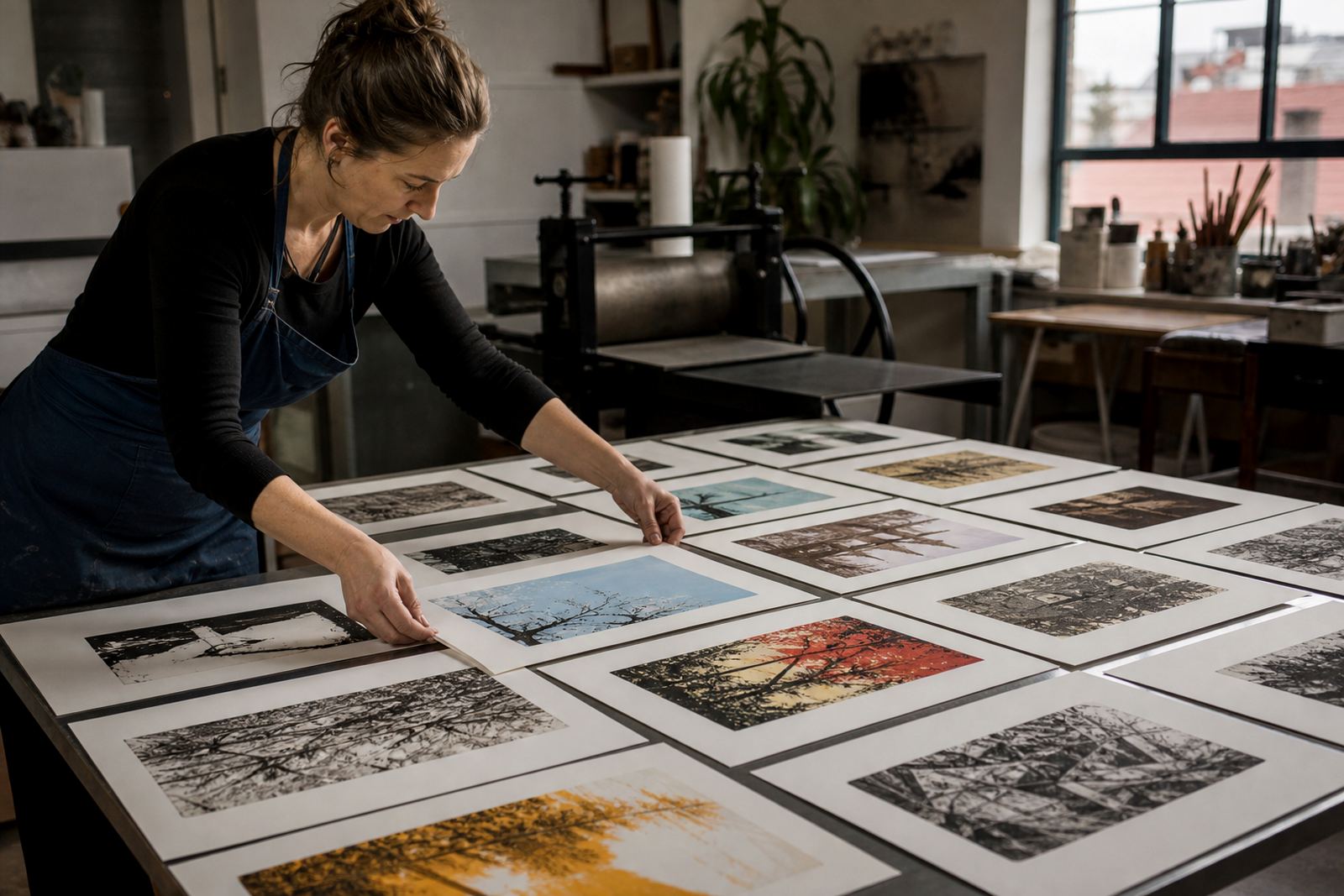
They also suit projects where multiple works need to hang together. A series of numbered prints can create a measured rhythm across a wall in a living room, entrance hall, meeting room or study. If the work is going into a commercial setting, it helps to know the edition count, sheet size and framing method early, especially where building managers require approved fixings or where municipal rules apply in heritage buildings and shared spaces.
- Private collections and first-time buyers
- Gallery walls and curated interiors
- Corporate reception areas and meeting rooms
- Gift purchases where authenticity matters
Sizes, paper and edition options
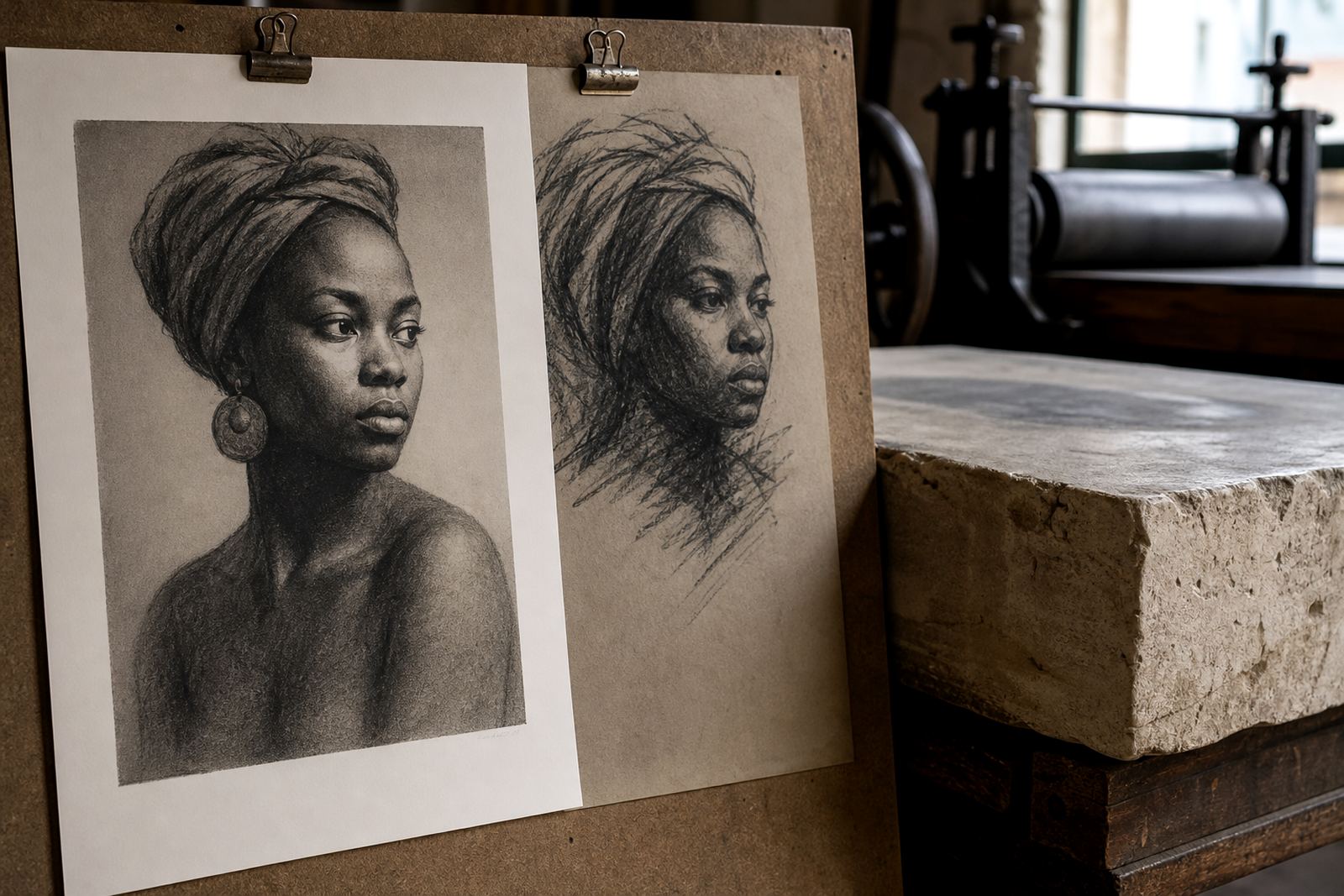
Stone lithographs can be printed in a range of sheet sizes depending on the stone, the image and the paper available. Some collectors prefer a compact work that fits standard framing sizes, while others want a broader sheet with more breathing room around the image. We can also advise on paper weight, surface texture and whether a natural white or warmer tone is better for the artwork. That matters because the paper is part of the final look, not just a support sheet.
Edition options are discussed before printing starts. A small edition may be better for a complex image with many colour passes, while a larger run may be more practical for a single image with straightforward printing. If the artist wants separate states or proofs, those are agreed from the beginning. It is also worth checking whether the edition includes hand applied colour notes, blind embossing or a deckled edge, since these details affect framing and catalogue descriptions.
- Sheet size matched to the image and framing plan
- Paper choice selected for surface, weight and longevity
- Edition count confirmed before printing begins
- Proofs and special states agreed in advance
Choosing a wall and frame
If you are framing the work, the practical needs are wall fixings, a level hanging point and appropriate glass or acrylic. For heavier framed works, especially larger pieces, make sure the wall can take the load and use fixings suited to brick, concrete or timber framing. In humid coastal areas like Sea Point and parts of Durban, it is wise to allow for ventilation behind the frame and avoid placing the work in direct sun or above a heat source.
For packing and transport, we recommend archival wrapping, corner protection and a flat, dry carry method. If the print is going to Johannesburg or Pretoria, where the climate is drier but travel distances are longer, good packing matters just as much as framing. The room should be dry, stable and free from steam, smoke and excessive dust.
- Framing requires suitable wall fixings and level hanging
- Keep away from direct sun, damp and heat vents
- Use archival packing for collection, courier or storage
Care and what to check when ordering
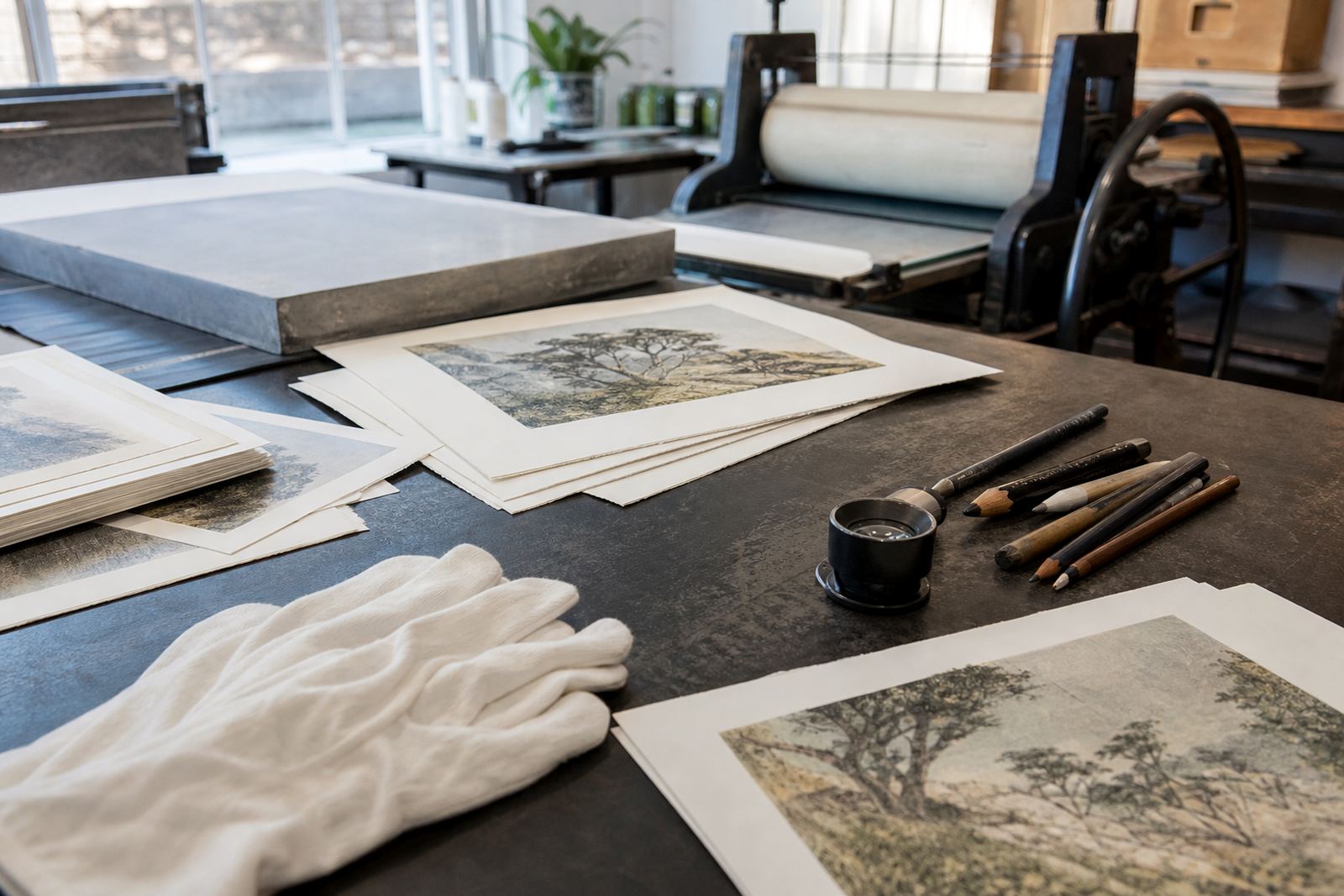
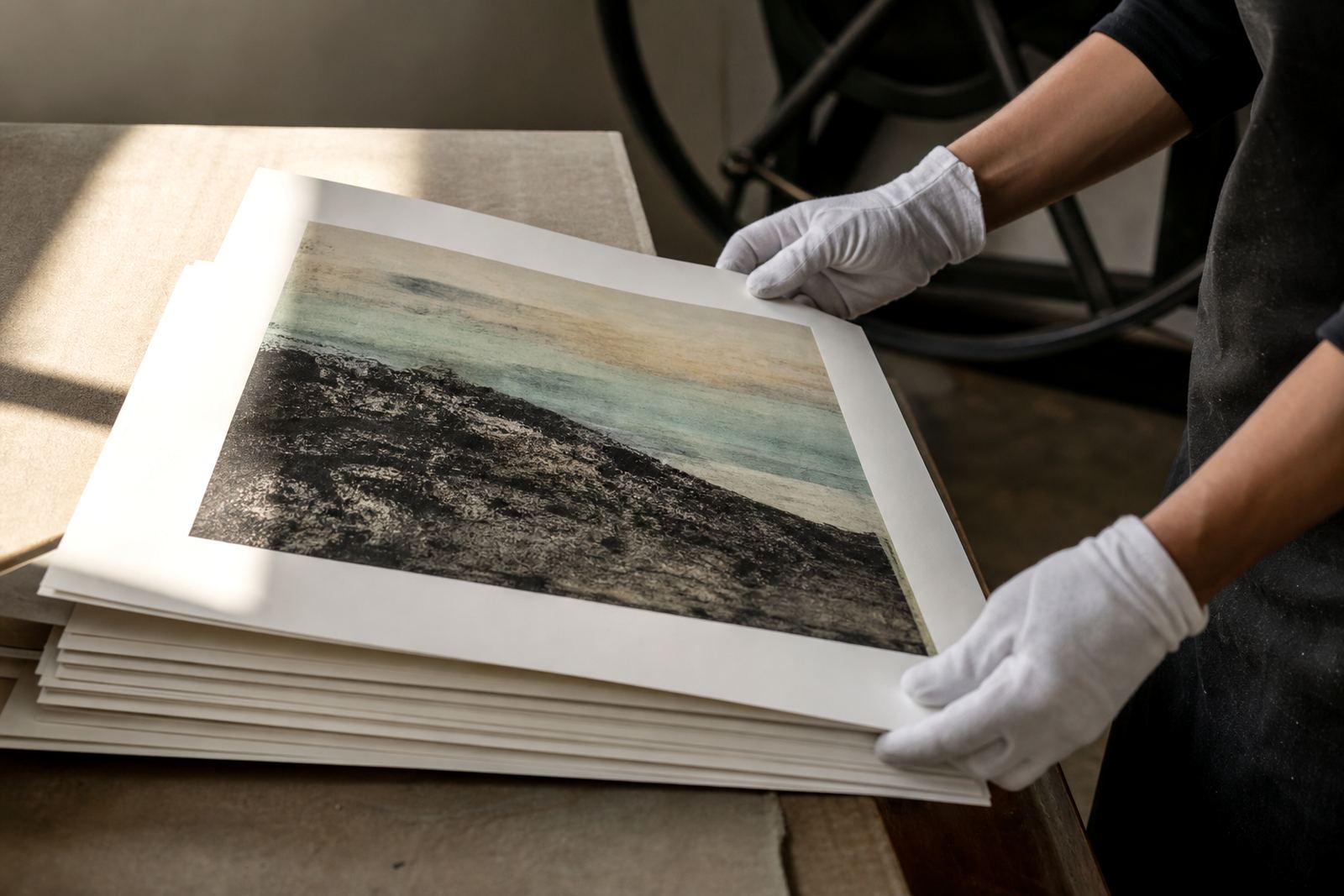
Stone lithographs are best handled with clean dry hands or cotton gloves, and stored flat if they are unframed. Once framed, keep the work away from moisture, kitchen steam and bright sunlight. Dust the frame lightly with a soft cloth and avoid household cleaners near the print surface. If the work is framed behind glass, ask whether the glazing is standard glass or conservation grade material, and whether a mat board is being used to keep the print off the glazing.
When ordering, check the edition number, sheet size, paper type, signing details and whether the print is being supplied framed or unframed. It is also worth confirming the edition count, whether there are proofs, and how the work will be packed for travel. If you are buying from outside Cape Town, ask for a clear description of the print condition before dispatch. Good editioning should always leave a clean record for the collector.
- Confirm edition count and the exact number on the sheet
- Check whether the print is signed, dated and numbered by hand
- Ask for paper details, image size and full sheet size
- Agree framing, packing and collection method before payment
Edition details
| Product type | Limited edition stone lithograph print |
|---|---|
| Edition marking | Hand numbered and usually signed by the artist |
| Typical format | Loose sheet, framed work or archival pack |
| Paper options | Selected for weight, surface and longevity |
| Handling | Flat storage, gloves recommended, keep dry |