What a Trial Proof Portfolio Includes
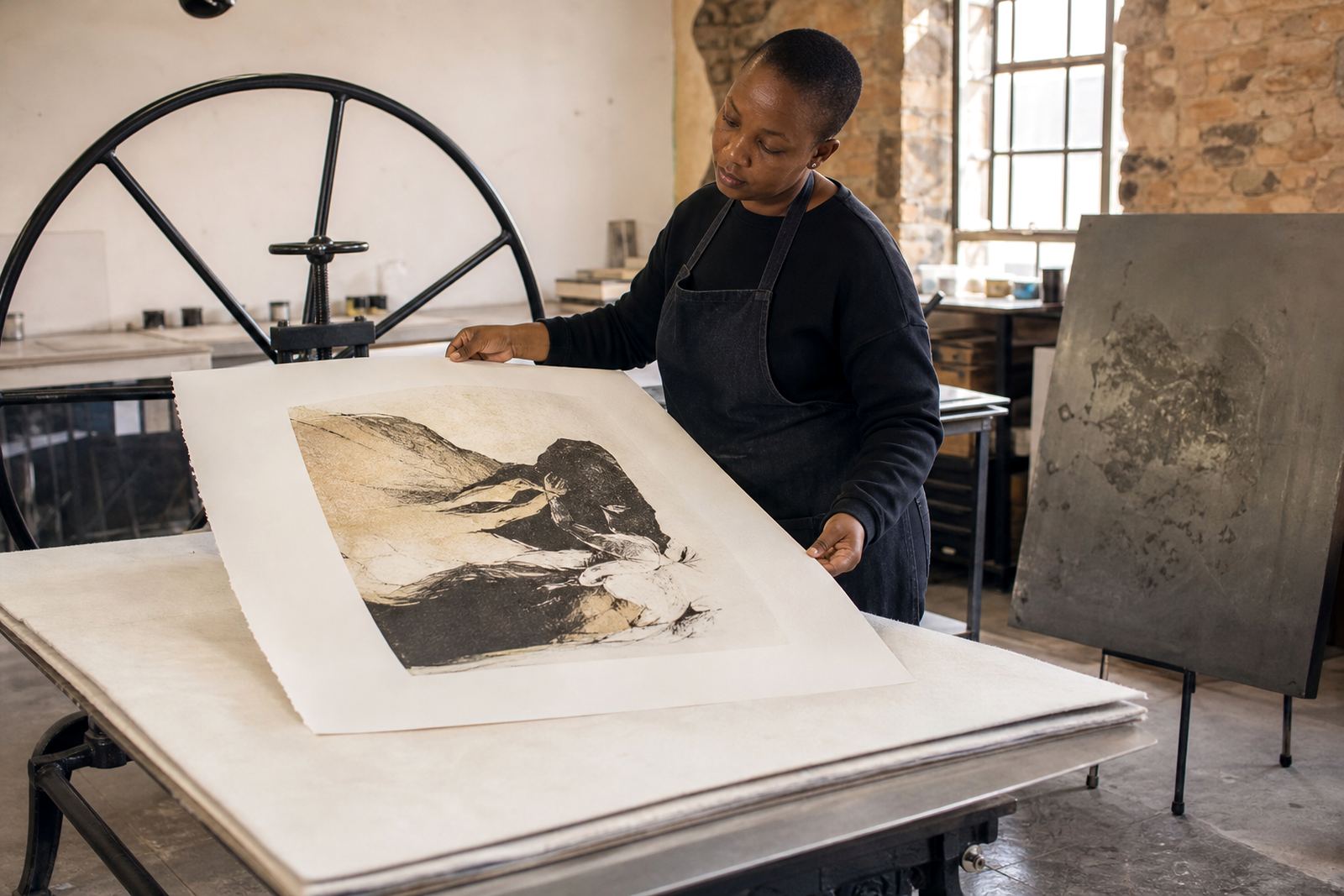
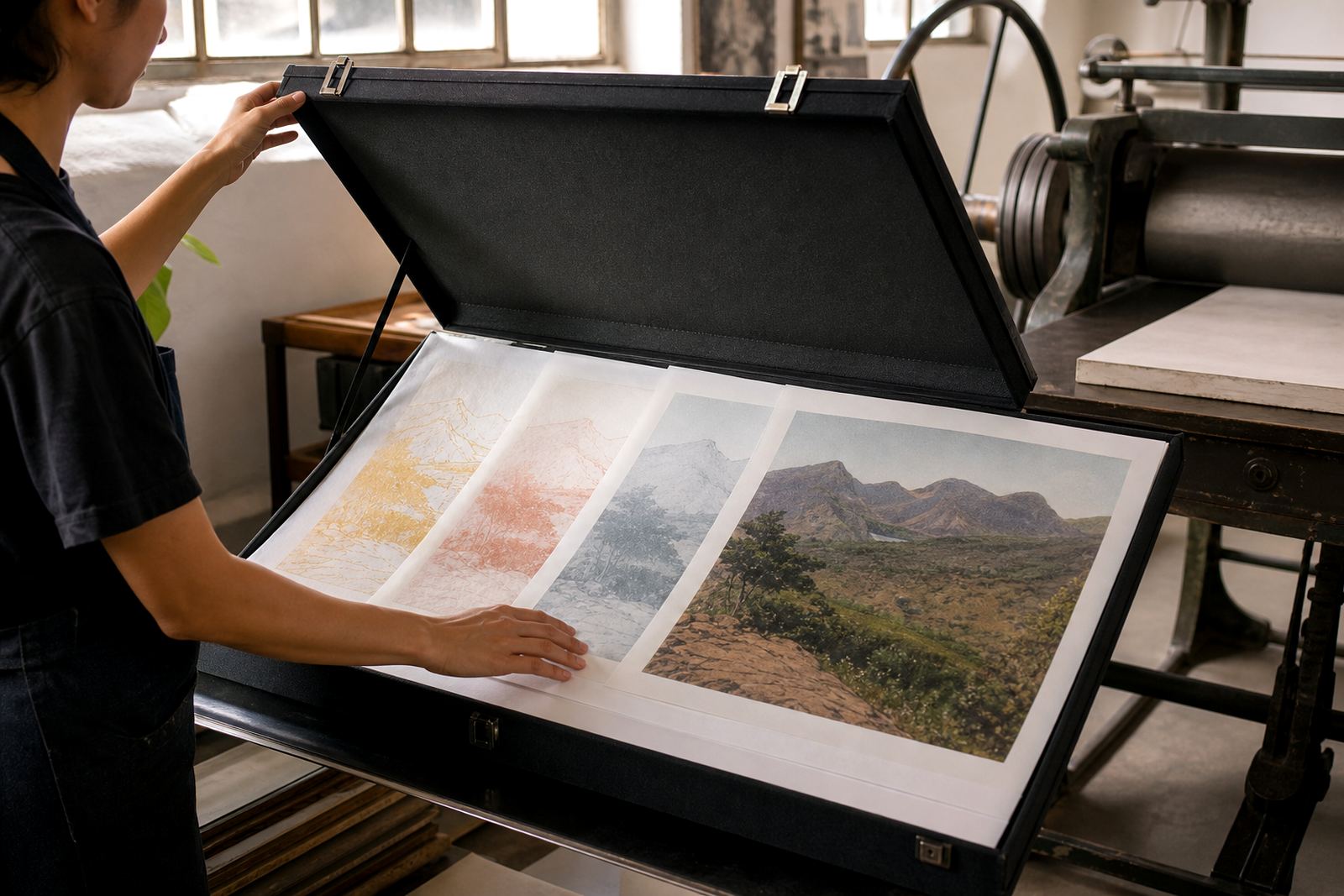
A Trial Proof Portfolio is a selected set of proof prints taken during the making of a stone lithograph. In a traditional studio, the artist and printer may print several states before the final edition is approved. These proofs can show changes in line, tone, colour layers, registration, wiping, or paper choice, so the viewer can see how the image developed step by step. In many cases the sequence includes early trial pulls, colour tests and printer's proofs that were used to check accuracy before editioning began.
At Lithography Art, the value of a proof portfolio is in the process it records. It gives collectors a clearer sense of the time, labour and decision-making behind the final print, and it is especially useful for anyone who enjoys working drawings, states and other studio records. Because each proof is handled by hand, no two portfolios are exactly the same and small variations are part of the appeal.
- Includes selected trial impressions from the making process
- May show colour tests, state changes and registration checks
- Useful for collectors, artists and curators who value process work
- Each portfolio is hand-assembled in the Woodstock studio
How Stone Lithography Shapes the Proofs
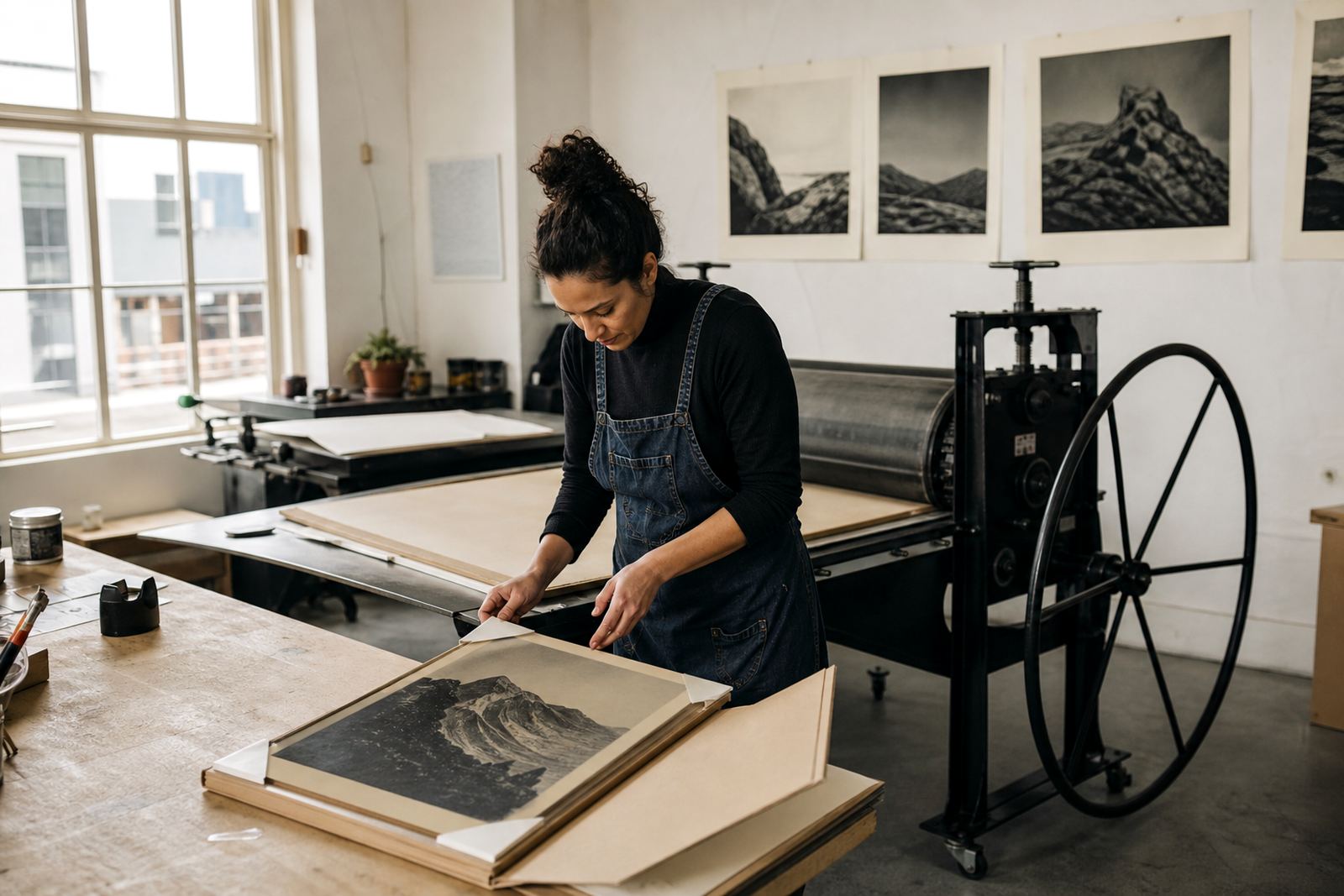
At the heart of stone lithography is the simple fact that grease and water repel each other. The image is drawn with greasy materials onto a finely prepared limestone block, then chemically processed so the drawn areas accept ink while the non-image areas hold water. When the stone is run through the press, the image transfers to paper under even pressure, giving lithography its particular softness, range of tone and direct drawn character.
Proofs are especially useful in stone lithography because the printer can test how the drawing, grain of the stone and inking behave at each stage. A proof may reveal whether a shadow needs strengthening, whether a colour is too strong, or whether the paper is taking the impression correctly. With multi-colour work, proofs can also track the build of each layer. That is why a proof portfolio is more than a set of samples, it is the visual record of a print being brought into balance.
- Traditional limestone is used for the drawing and printing surface
- Proofs help confirm tone, balance and colour registration
- Hand printing creates subtle differences between states
- Final editions are only signed and numbered after approval
Sizes, Formats and Edition Details
Trial Proof Portfolios are usually offered in a format that protects the sequence and allows easy viewing. Depending on the work, the prints may be loose-sheet, presented in a folded folio, or housed in a presentation box for safer storage. Image size varies by the original stone and paper format, so the best approach is to confirm the exact dimensions with the studio before ordering. Larger pieces suit wall display in a gallery, while smaller sequences are often chosen for private study and collector archives.
Because these portfolios document the making of a print, they are often produced in limited numbers and may include one-off working proofs, artist's proofs or state proofs. Edition details should be clearly recorded on the sheet or in the accompanying notes. If a portfolio is intended for resale, gifting or archiving, ask for full information on paper type, sequence order, printing dates and whether the set has been signed by the artist and printer.
- Available in loose-sheet, folio or boxed presentation formats
- Best suited to limited editions and sequence-based collecting
- Can be supplied with signed and numbered sheets where applicable
- Ask for exact image size, paper size and order of proofs
Where a Proof Portfolio Sits Best
These portfolios suit homes, studios, libraries, small galleries and collector rooms where the work can be viewed closely and handled with care. In Cape Town, Johannesburg, Pretoria, Durban and Stellenbosch, many buyers prefer proof portfolios because they reward slow looking and are easy to file when not on display. They also suit educational settings, where students can compare states and understand how an edition is planned from the first proof onward.
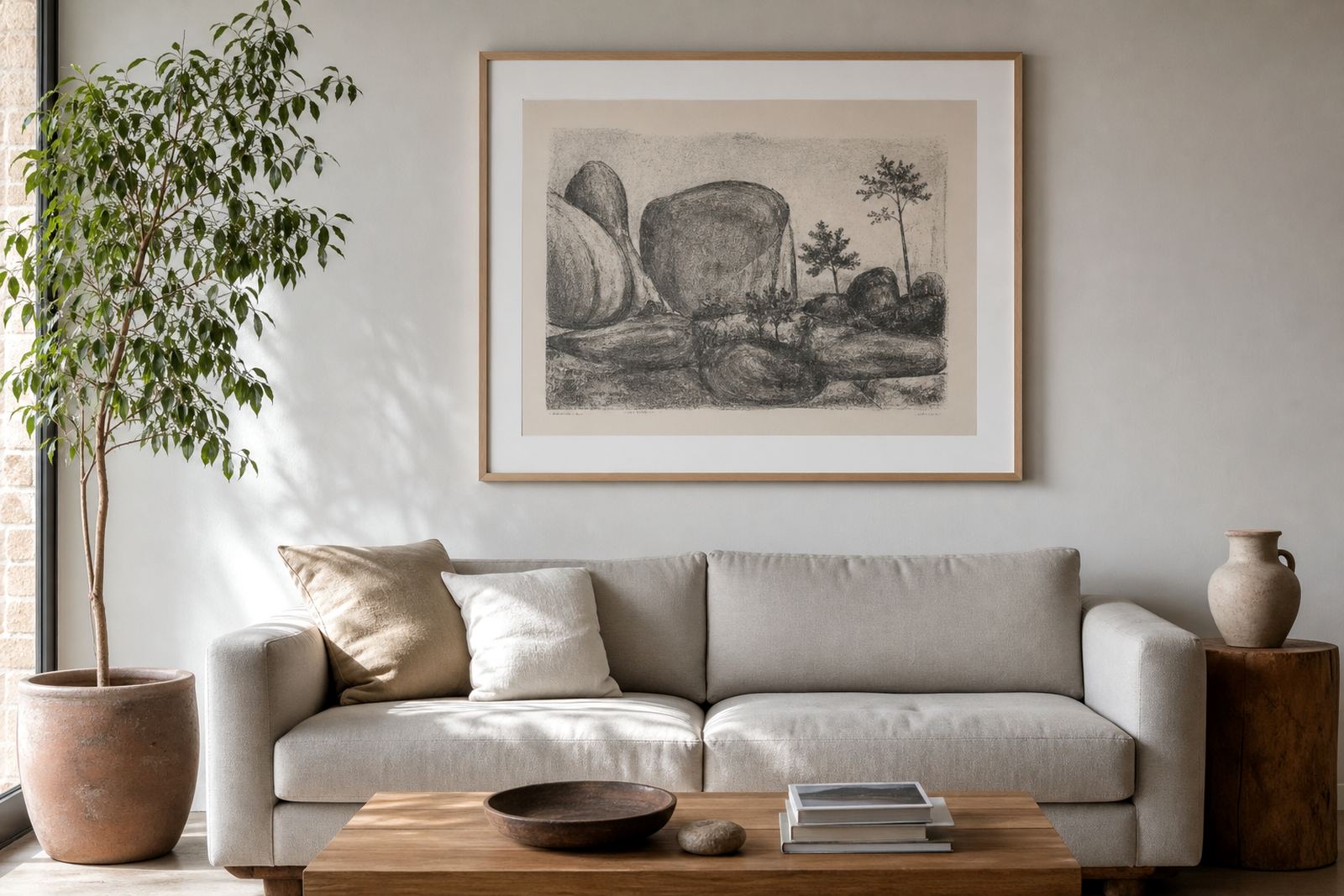
If you are framing selected sheets from a portfolio, keep the presentation simple so the sequence remains readable. Neutral mounts, UV-filtering glass and even spacing work well. For wall display, avoid direct sunlight, damp corners and areas close to kitchens or bathrooms. In coastal homes around Woodstock, Sea Point and other humid areas, good framing and proper sealing matter because paper can pick up moisture more quickly. A folio or box is often the better choice if the set will be stored rather than hung.
- Good for private collections, studios and quiet display spaces
- Can be framed selectively or kept as a complete set
- Avoid direct sun, damp walls and hot north-facing windows
- Coastal humidity calls for careful storage and framing choices
Choosing a wall and frame
If the work is framed, it should be mounted by a framer who understands works on paper and can use acid-free materials. If the portfolio is boxed or loose-sheet, it should be stored flat in a cool, dry place with clean hands or cotton gloves. The paper should not be rolled unless the studio has approved that method for the specific work.
If you are arranging a viewing, unpacking or short-term display in a studio, gallery or office, all that is usually needed is a clean table, good daylight or controlled lighting, and enough space to lay the sheets out in order. Avoid candles, heaters and anything that produces soot or excess heat near the paper.
- Use acid-free mounts, sleeves or boxes for protection
- Keep away from heaters, candles and damp conditions
- Plan viewing sessions around natural light where possible
Care and What to Check Before Ordering
Stone lithograph proofs are paper artworks, so the main care rule is protection from light, moisture, dust and rough handling. Store them flat, keep them away from direct sun and do not tape or pin the sheets. If a portfolio has been opened often, a conservator or framer can advise on rehousing. Routine upkeep is not needed in the mechanical sense, but the storage materials should be checked from time to time for warping, staining or insects, especially in warmer months.
Before ordering, confirm exactly what is included in the set and whether you are buying a complete sequence or a selected group of proofs. Ask whether the sheets are signed, numbered or annotated, and check if any are unique working states rather than part of a standard edition. It is also worth confirming the paper size, presentation method and whether archival packing is included for delivery. If you are collecting from outside Cape Town, make sure the packing will protect the work during transport and storage in changing weather, especially in humid or dusty areas.
- Store flat in archival sleeves, folders or boxes
- Keep away from light, moisture and handling wear
- Confirm sequence, signatures, numbering and paper details
- Check packing method if the work is travelling long distance
Edition details
| Product type | Selected proof sequence from a stone lithography edition |
|---|---|
| Format options | Loose sheets, folded folio or boxed presentation |
| Typical use | Collector study, gallery display, archive, education |
| Edition status | May include trial proofs, artist's proofs, state proofs or printer's proofs |
| Materials | Fine art paper and hand-printed lithograph sheets |
| Care level | Archival storage, careful handling, low light exposure |