Starting a Portfolio with Stone Lithography
For many collectors, portfolio building begins with one print that feels right in the room and then grows over time. Stone lithography is well suited to this approach because each work has clear hand-made character, and limited editions give the collector a defined group to choose from without the uncertainty of mass production. At Lithography Art in Woodstock, we guide collectors who are buying for a home, an office, or a first serious collection, and the aim is always the same: create a group of works that hold together visually and meaningfully.
With stone lithography, the image is drawn onto a prepared stone surface using greasy materials, then printed in layers after careful chemical preparation. Because the image sits in the stone rather than on top of it, the print can carry subtle marks, tonal depth, and fine colour variation. That matters when you are building a portfolio, since small differences between editions, subjects and colourways can give a collection rhythm without making it feel repetitive.
How to Choose a Cohesive Group of Prints
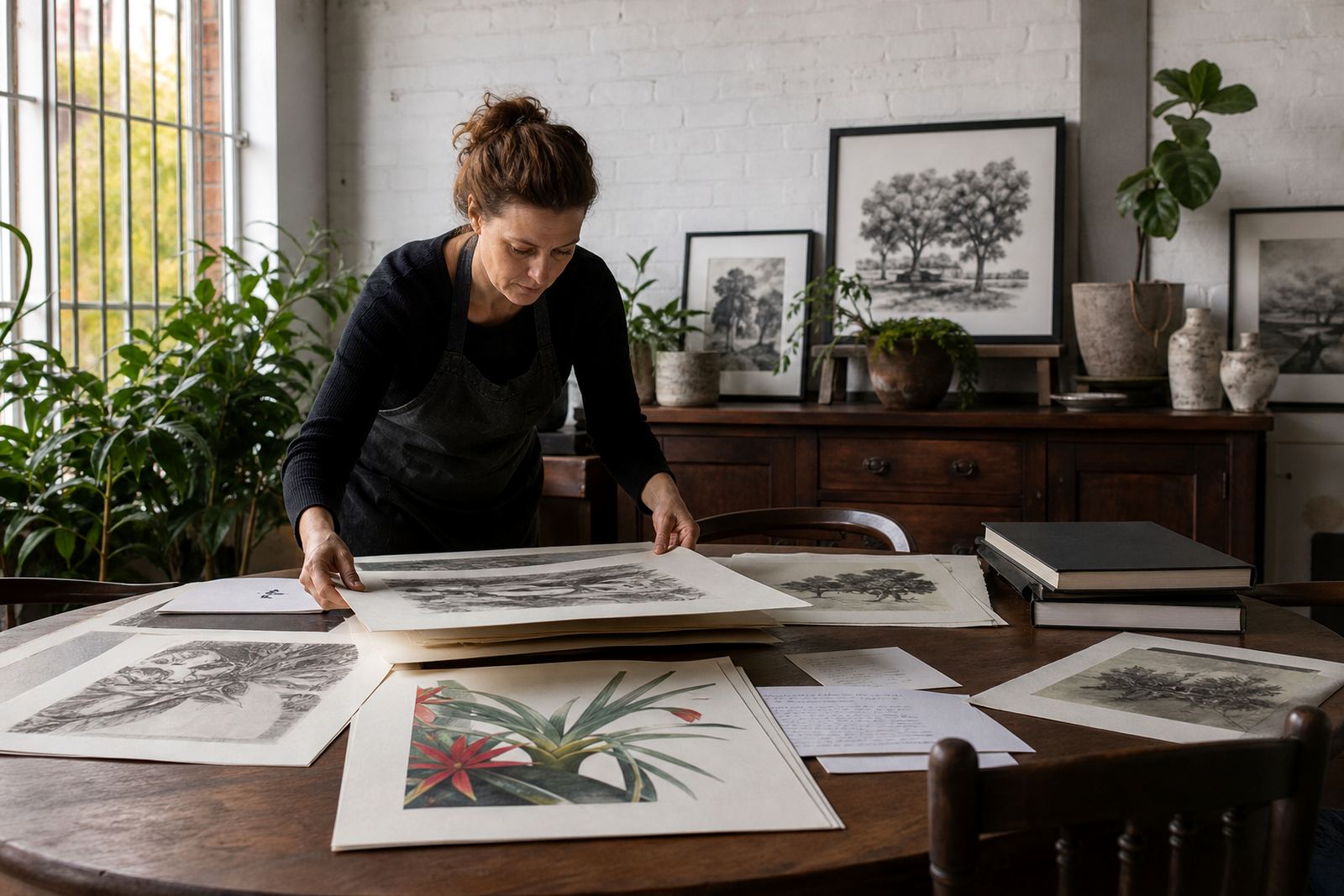
A balanced collection usually has a clear thread. Some collectors prefer a single subject matter, such as landscape, figure work or abstract form. Others build around colour, scale, paper tone, or the way different prints respond to each other in a room. If you are starting from scratch, it helps to choose one anchor piece and then add works that extend the mood rather than fight it.
- Choose a repeatable theme, such as coastal light, architecture, gesture, or botanical form.
- Keep an eye on scale so that not every piece is competing for attention.
- Mix one larger statement print with smaller works that can sit nearby or in a second room.
- Ask whether the edition is intended for a single image or a related set, since that affects how the group reads.
- Consider whether the prints will be shown together in one home or split between rooms in different cities.
Collectors in Cape Town often want works that suit apartments in Sea Point or Newlands, while buyers in Johannesburg or Pretoria may be planning for larger walls and stronger light. The portfolio should work for the space you actually live in, not an ideal room that never exists.
Typical Studio Set-Up for Edition Planning
When artists and collectors plan a portfolio together, the studio set-up matters. A practical stone lithography run may include the lithographic stone, drawing materials, presses, registration guides, proof sheets, and archival drying space. Depending on the edition, there may also be colour separation work, masking, proof corrections and final signing and numbering. For collectors, seeing this process helps explain why editions are limited and why each sheet needs careful handling.
Our edition planning sessions usually cover paper choice, image size, margin width, and whether the work should be framed or stored flat after purchase. In a coastal city like Cape Town, humidity can affect paper if it is not packed correctly, and in Gauteng dry air and strong summer light can influence framing choices. A good portfolio is not just about buying the print, it is about making sure the print can be kept properly over time.
- Stone preparation for the image surface
- Proofing sessions to test colour and registration
- Paper consultation for texture, weight and archival quality
- Signing and numbering at the end of the edition
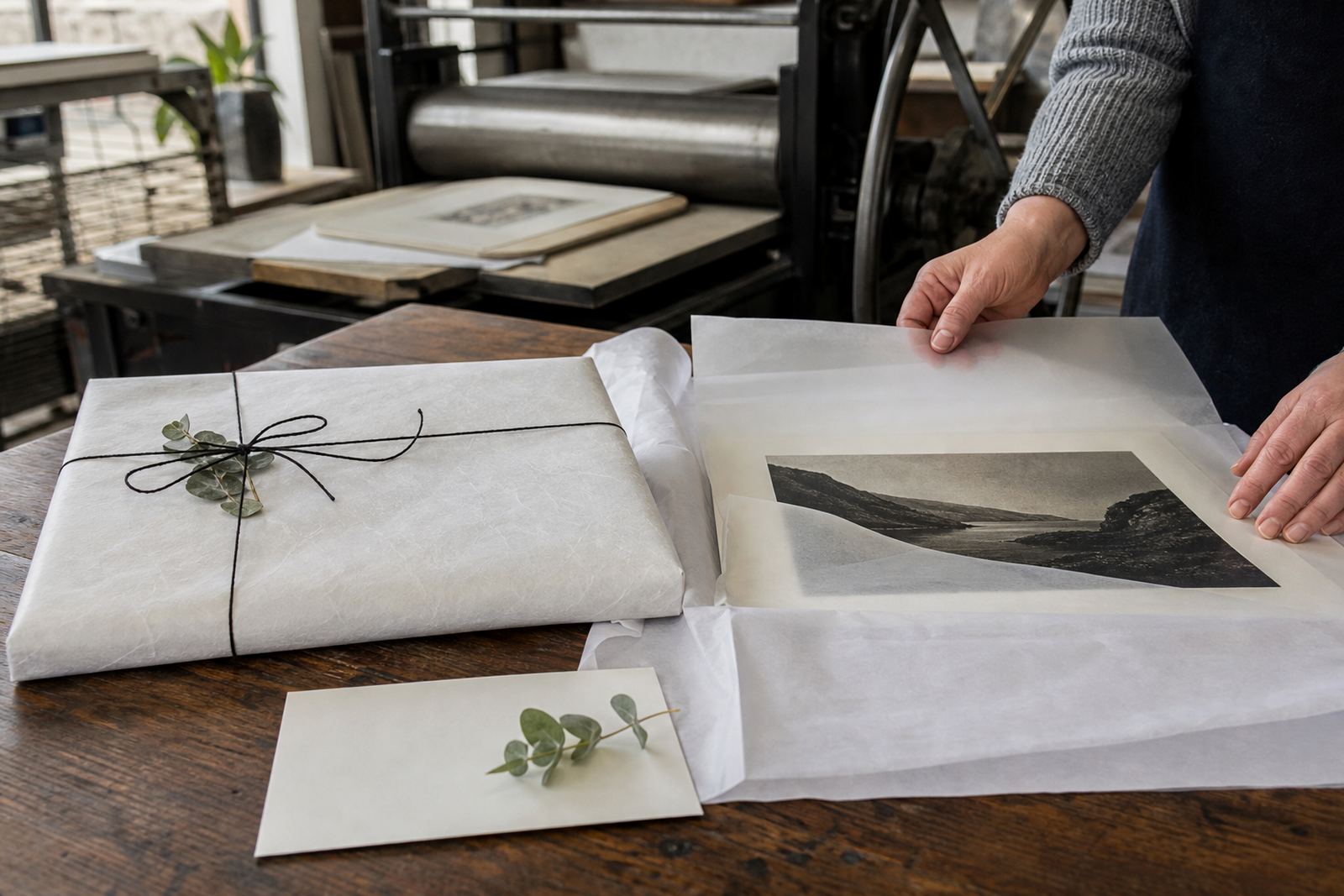
- Archival packing for transport to collectors across South Africa
Layout Advice for Walls, Portfolios and Storage
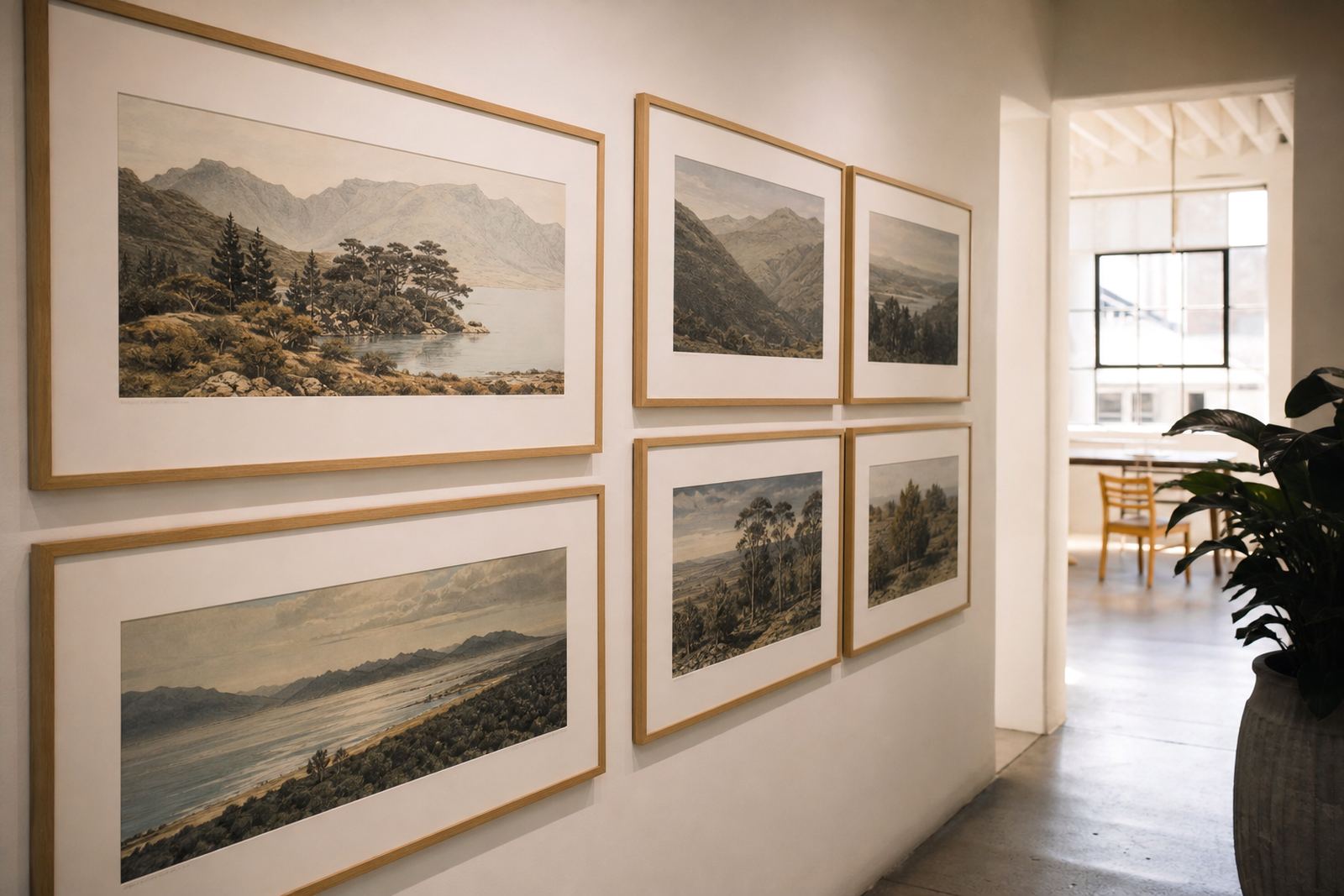
Collectors often think about framing first, but layout should come before the frame. If you are building a portfolio, map the group on paper or with simple floor planning before hanging anything. This helps you see whether the collection needs a visual centre, a left-to-right progression, or a grid format. In smaller homes, two or three related prints may be enough. In a larger space, a sequence of six or more works can create a stronger narrative.
For storage, keep unframed prints flat in archival sleeves or boxes, away from direct sun, damp walls and heavy handling. If you are moving between a home in Durban and another property in Stellenbosch for example, use archival packing and avoid rolling prints unless there is no other option. Framing coordination is also worth planning early, because the wrong glass, mount or board can spoil good work very quickly.
Common layout approaches include a strict grid, a salon-style cluster, or a quiet linear arrangement in a passage. Each has its place. The main thing is to leave enough breathing room so the prints are seen properly and not crowded by furniture or decor.
Common Mistakes Collectors Make
One of the most common mistakes is buying prints one by one without checking how they relate to each other. A collection can become patchy if every purchase is made in isolation. Another error is ignoring condition and care. A limited edition print should not be exposed to sun, damp or poor framing, even if it looks fine on the day it goes up. We also see collectors overfilling a wall, which makes even strong work feel cramped.
It is also easy to focus only on market value and forget personal connection. A good portfolio should have some consistency, but it should still reflect what you respond to. If a print is technically excellent but does not sit well with the rest of your home, it may be better to pass on it. That kind of discipline makes a collection stronger in the long run.
- Buying without considering the rest of the wall or room
- Ignoring edition size, signatures and numbering
- Using poor framing materials that can damage paper
- Hanging in direct sun or near damp plaster
- Choosing only one type of image, which can make the group feel flat
Budget Ranges in Rand for a Growing Collection
Portfolio building can happen at several budget levels, depending on whether you are buying finished prints, commissioning within an edition, or planning a broader set over time. For many collectors, the best approach is to spread purchases across the year rather than trying to buy everything at once. That gives time for proper selection, framing and delivery. It also lets you work around seasonal cash flow, which matters whether you are buying for a home in Sea Point or an office in Johannesburg.
As a practical guide, a modest starter budget might cover one or two framed or unframed prints plus archival packing. A mid-range plan could include several works, custom framing, and studio visits to review proofs. A larger collection often includes edition planning with the artist, more careful framing coordination, and long-term storage materials. The right budget depends on size, paper, edition complexity and how much support you need around selection and care.
We also advise setting aside money for the less visible parts of collecting, such as good framing, transportation, and occasional re-mounting. Those details protect the work and make the portfolio easier to live with over the years.