When a collection needs to change with the room
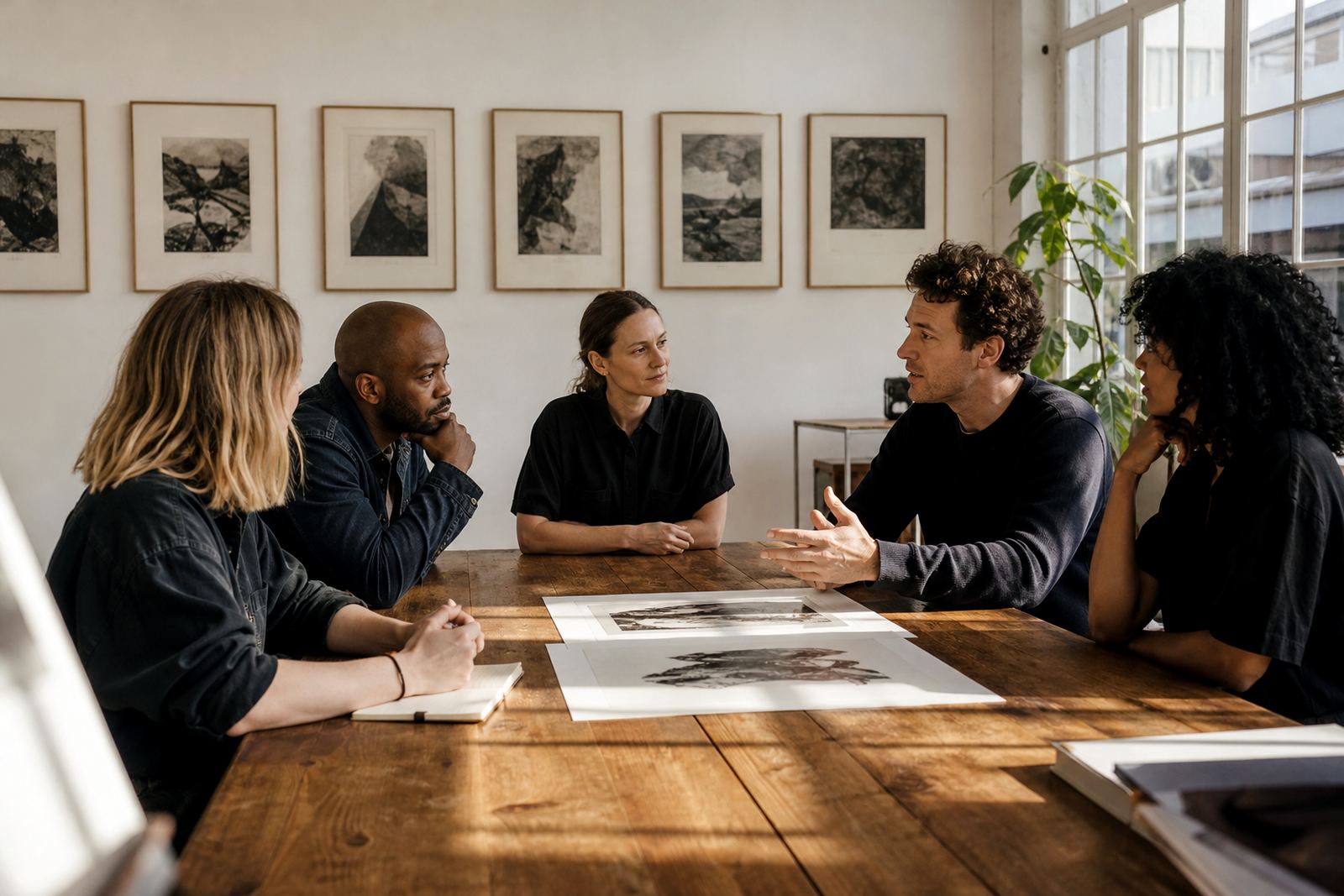
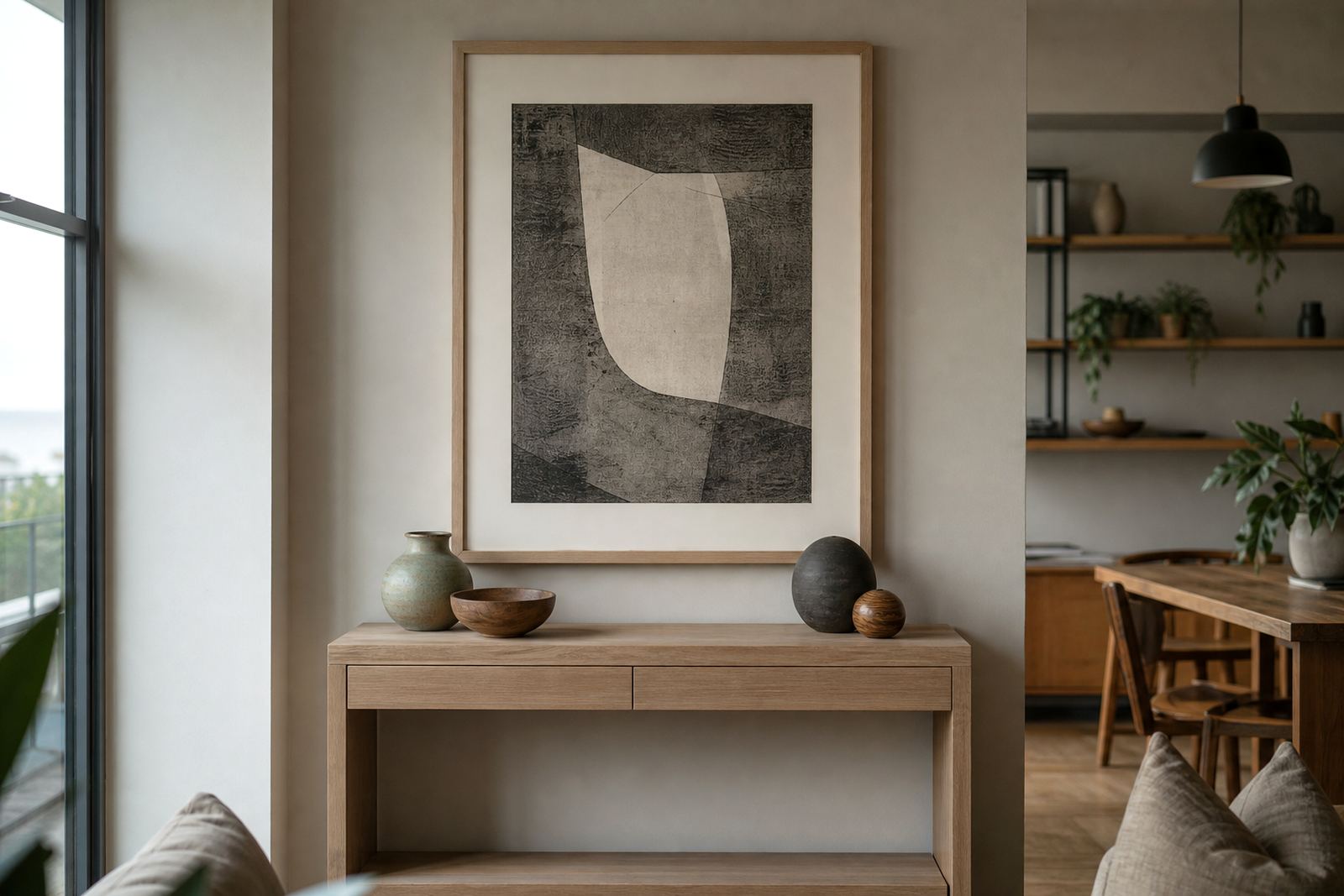
A rotating display is useful when a single group of prints needs to work in more than one setting. A collector in Cape Town may want brighter works in summer, then shift to calmer tonal pieces for winter. A family in Stellenbosch might hang one set in a living room, then move a smaller selection to a passage or study when entertaining. The point is not to own more than you can show, but to keep the collection active and useful.
Stone lithography suits this well because each print carries a strong hand made quality while still belonging to a controlled edition. The image has depth, and the paper holds its own in frames, portfolios or archival storage when it is not on view. That makes it practical for homes in Sea Point, Newlands, Durban humidity and inland spaces where seasons, light and room use all change through the year.
How stone lithography supports an edition you can rotate
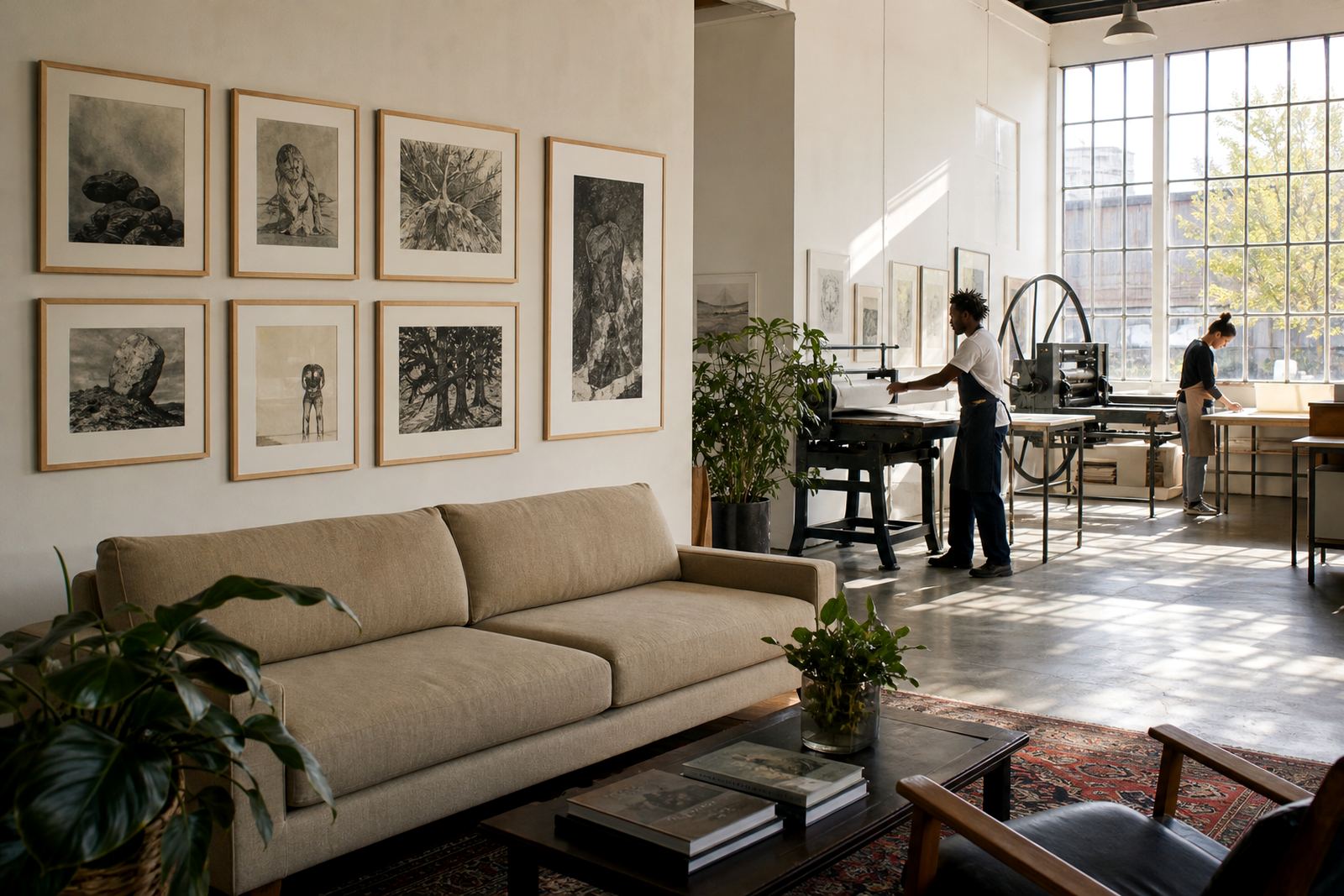
A stone lithograph is made by a planographic printing process. The image is drawn on a limestone block or on prepared stone, then treated so the drawn areas accept ink while the non-image areas repel it. Each colour may need its own stone, and careful registration keeps the layers aligned. The result is a print with fine tonal range, clear line work and a surface feel that suits limited editions.
For rotating displays, this matters because the edition is designed as a consistent set. Each impression belongs to the same run, with proofing and editioning handled in sequence. That gives collectors confidence when moving works between rooms or keeping part of an edition in archival storage. It also helps when advising on pairings, since the scale and paper choice can be planned with future rotation in mind.
- Edition size should match how many works you want visible at one time
- Colour separation needs to be settled before printing starts
- Paper weight and sheet size should suit the frame and the wall area
- Signing and numbering should happen in a consistent place on the sheet
Planning a layout that changes by season or room
Good rotating displays start with a simple wall plan. Measure each wall in metres, note where light falls during the day, and decide which spaces are safe from direct sun. Coastal homes in Durban and Cape Town often need more care with humidity and sea air, so framed works should not hang too close to open windows or damp exterior walls. In inland homes, the concern is usually strong afternoon sun and dry air.
We often suggest grouping prints by tone, subject or paper size rather than trying to fill every wall with the same format. A balanced rotation can be made from three or four anchor works and a few smaller sheets that move around them. That way the room changes without needing a full rehang each time.
- Use consistent frame profiles for a cleaner changeover
- Keep hanging points marked on the wall behind furniture where possible
- Leave enough breathing room between works, especially for editions with strong margins
- Keep a list of which print belongs in which room so moving day is less stressful
Typical equipment and handling set-up
For the studio side, rotating display planning usually involves the press, stones, drawing materials, proofing sheets, registration guides and drying racks. On the collector side, the useful equipment is more modest but should be chosen carefully. Archival mounts, UV-filtering glazing where needed, acid-free backing board and proper hanging hardware all make a difference. In high traffic areas, lightweight security fixings can help prevent shifting when children or guests are moving around.
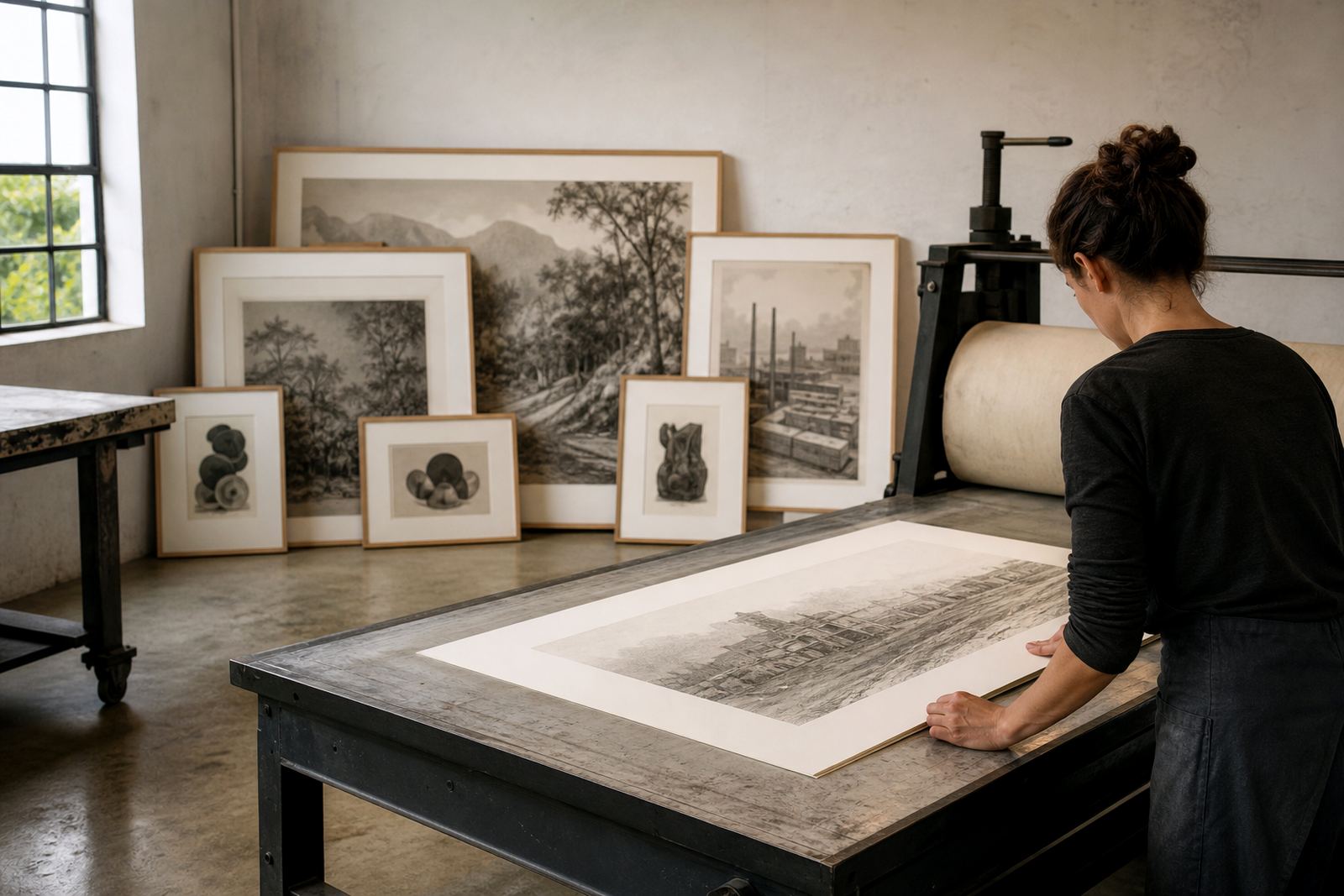
For unframed work, a flat portfolio or archival box is still useful. If prints are being changed often, we recommend cotton gloves for handling, clean dry storage and a protected surface for opening sheets. Never lean unframed stone lithographs against a wall for long periods, because the edges can pick up dents and moisture. Even a short stretch in a warm room can mark the paper if it is not supported properly.
Common mistakes with rotating collections
The biggest mistake is hanging by taste alone and not by wall conditions. A print that looks fine in a cool north-facing room may struggle in a bright passage or above a fireplace. Another common error is using mixed frame sizes without a plan, which makes rotation harder and can damage corners during repeat handling. Some collectors also keep works in storage too long without checking the paper. That can lead to warping, surface contamination or insect damage if the area is not clean and dry.
A further problem is overrotating. If prints are changed every few days, the handling risk goes up and the experience of the collection is lost. A better approach is to set a seasonal rhythm, then keep each arrangement up long enough to live with it. That gives the collector time to notice what works and what should shift next season.
- Do not use bright direct sun for long-term display
- Do not tape prints directly to the wall or frame backing
- Do not store editions in a garage, especially near damp concrete
- Do not mix framing methods unless the whole set has been planned together
Budget ranges in Rand for a practical rotating display
Budgets vary with frame size, number of prints and whether the works will be shown in one room or across several. For a modest rotation of smaller lithographs, a collector might allow R8 000 to R20 000 for framing and hanging hardware across a few pieces. A more considered setup with custom framing, UV glazing and archival storage can sit between R20 000 and R60 000, depending on scale. Larger or more complex rooms can go higher, especially if multiple wall groupings are being planned at once.
We always advise budgeting for the full system, not only the print. That means the edition, the framing, the packing materials, and any consultation time needed for layout or sequencing. For collectors in Johannesburg or Pretoria who rotate works between home and office, it can also be worth keeping one backup set of archival boxes so the art can move safely when needed.
How our Woodstock studio helps collectors and artists plan rotation
At Lithography Art in Woodstock, Cape Town, we help artists and collectors think beyond a single wall. We work on stone lithography printing, edition planning, proofing sessions, colour separation, stone preparation and signing and numbering, so the edition is ready for practical use in a home or collection. We also advise on paper choice, archival packing and framing coordination when works are meant to move between rooms or between cities.
Clients from Cape Town, Stellenbosch, Sea Point, Newlands, Johannesburg, Pretoria and Durban often contact us through the enquiry form on our contact page when they want a set that can rotate cleanly through the year. Some need a small changeable group for a flat or townhouse, while others want a larger collection that can be shown in stages. Either way, the aim is the same: keep the prints safe, keep the edition intact, and make the collection useful in daily life.