Handle the Print by the Edges Only
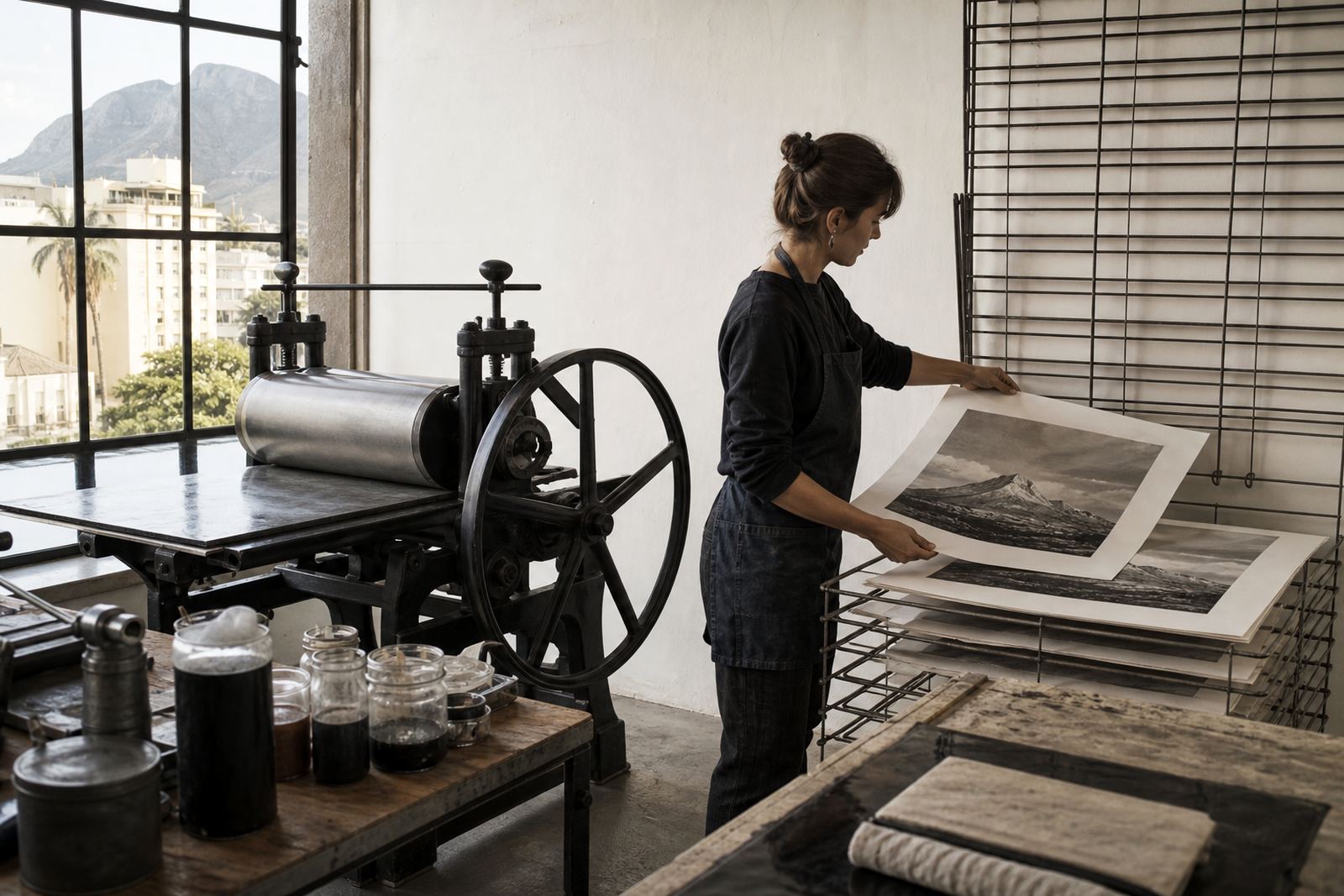
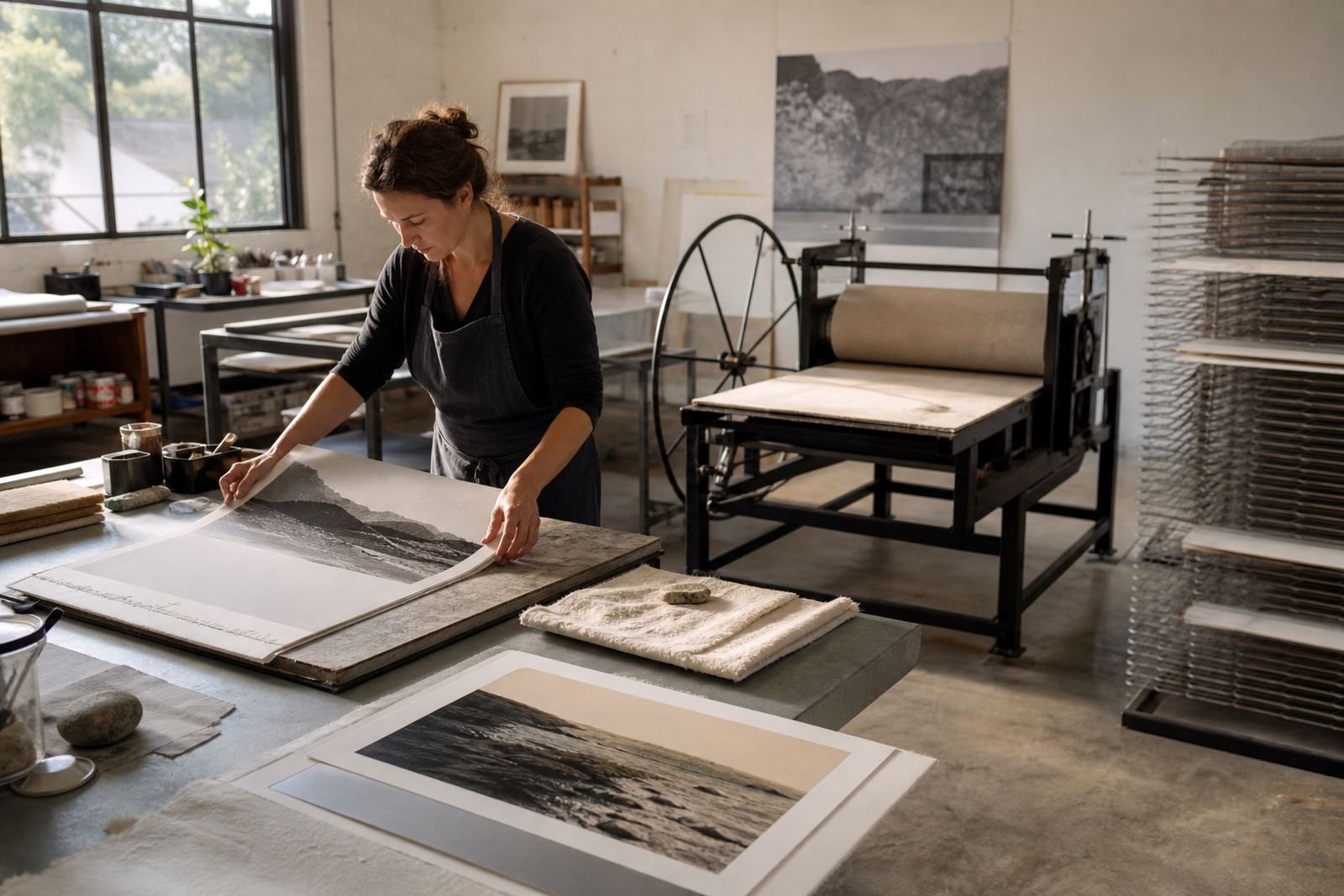
When you take a lithograph out of its wrapping, wash and dry your hands first. Clean hands help, but the safest approach is to hold the sheet by the outer edges and avoid touching the image area, especially if the print has soft crayon marks, rich blacks or light tints that can mark easily.
Lay the print on a clean, flat surface with enough room around it. Do not curl the paper or press it under other objects while you are moving it. If the sheet is larger than you can comfortably carry, ask for help rather than bending it. A crease can remain visible forever, and a damp handprint can leave a stain that is hard to remove.
Keep Paper Safe During Framing
Good framing protects the print from dust, touching and sudden changes in humidity. Use archival-quality framing materials where possible, including acid-free mount board and backing. The print should not sit directly against ordinary cardboard or sticky tapes, as these can discolour the paper over time.
- Leave a small air gap between the print and the glazing so the surface does not stick.
- Use UV-filtering glazing if the work will hang in a bright room.
- Seal the backing properly to keep out dust and insects.
- Ask the framer to avoid adhesives that cannot be reversed later.
If you live near the coast, such as in Durban or parts of Cape Town, extra moisture protection is worth it. Coastal humidity can cause paper to wave or mould to form if the frame is poorly sealed.
Hang It Where Light and Moisture Are Controlled
Fine-art lithographs are happiest in stable indoor conditions. Hang them away from direct sun, open windows, kitchens, bathrooms and exterior walls that get damp in winter.
Choose a wall that does not catch hard afternoon sun. Even when the print looks fine at first, strong light can slowly fade colour and weaken paper fibres. If you use spotlights or gallery lighting, keep them at a sensible distance and switch them off when not needed. Light damage is gradual, then one day the difference is obvious.
Store Unframed Prints Flat and Dry
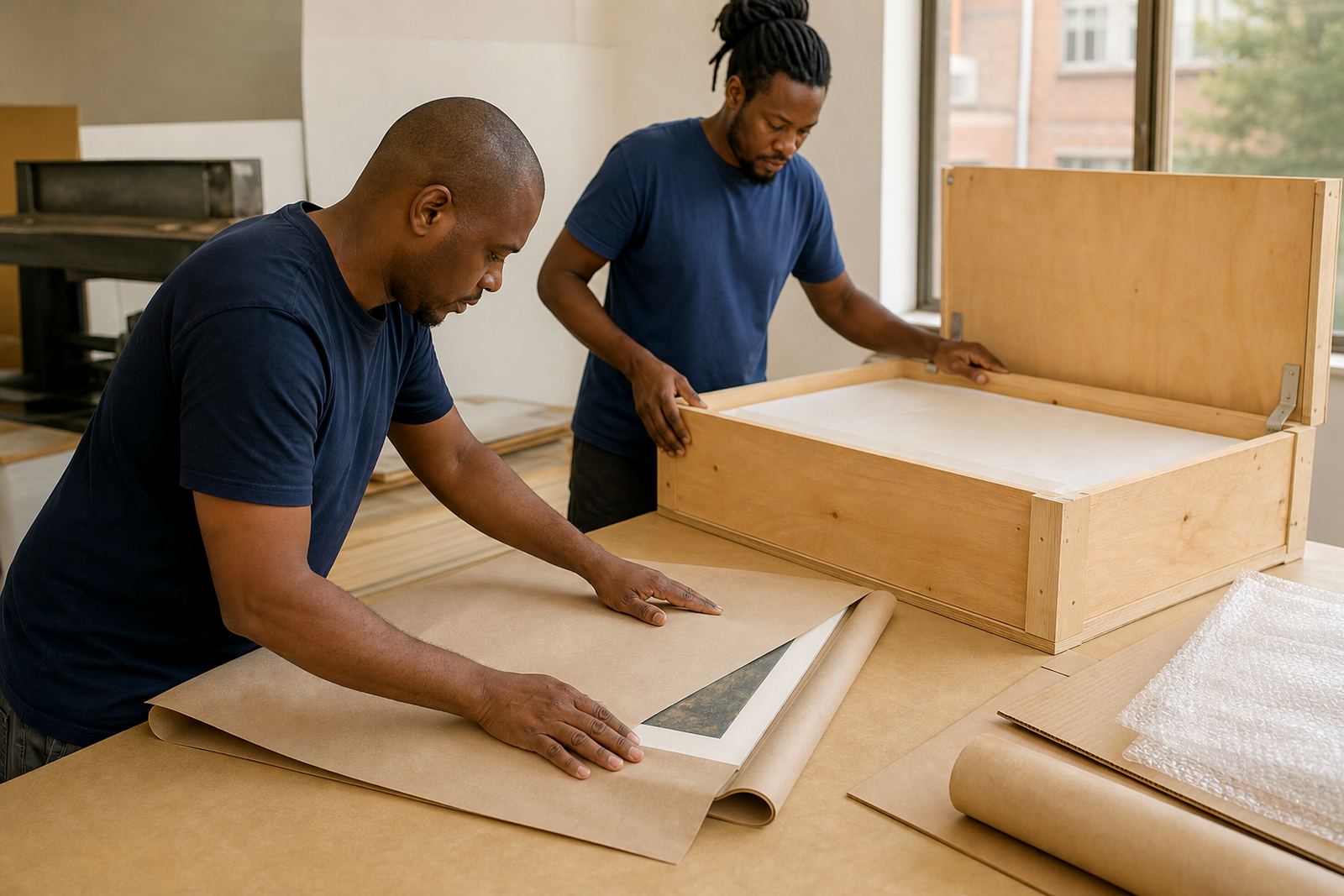
If you are not framing the print straight away, store it flat in a clean, dry place. A portfolio box or archival folder works well for unframed sheets. Keep the print between sheets of acid-free paper so the surface stays clean and the image does not transfer onto another sheet.
- Do not roll the print unless it is the only safe option for transport.
- Never store it in plastic that traps moisture.
- Keep it off concrete floors and away from leaks.
- Avoid attics, garages and cupboards with poor ventilation.
For collectors in Johannesburg, Pretoria and Stellenbosch, indoor storage is usually easy enough if the cupboard stays dry and the paper is kept flat. In humid periods, it helps to check the print now and then for any sign of cockling or musty smell.
Protect the Edition Details and Signature
Limited editions are part of what makes a lithograph valuable to collectors. The signature, edition number and any workshop notes should remain clean and visible, so do not cover them with tape or crop them during framing. These marks show which impression belongs to the edition and help confirm its place in the print run.
When handling the sheet, be careful around the margin where the pencil signature or edition number may sit. Smudging in that area is often permanent. If you need to move the print for appraisal, sale or exhibition, place a sheet of clean paper over it first so fingers do not rub against the lower edge.
Clean and Inspect Without Risking the Surface
Do not try to wash, wipe or polish a lithograph. If dust settles on the frame or glazing, clean the outside only with a soft cloth. For the print itself, the safest approach is prevention. Once paper fibres are marked, it is difficult to reverse the damage without specialist conservation work.
Check your print a few times a year. Look for rippling, spots, foxing, mould, insect damage or signs that the frame has been exposed to water. If a print has been affected by a leak or damp wall, remove it from the area quickly and let it dry in a stable room, but do not use direct heat. Fast heat can make the paper warp worse.
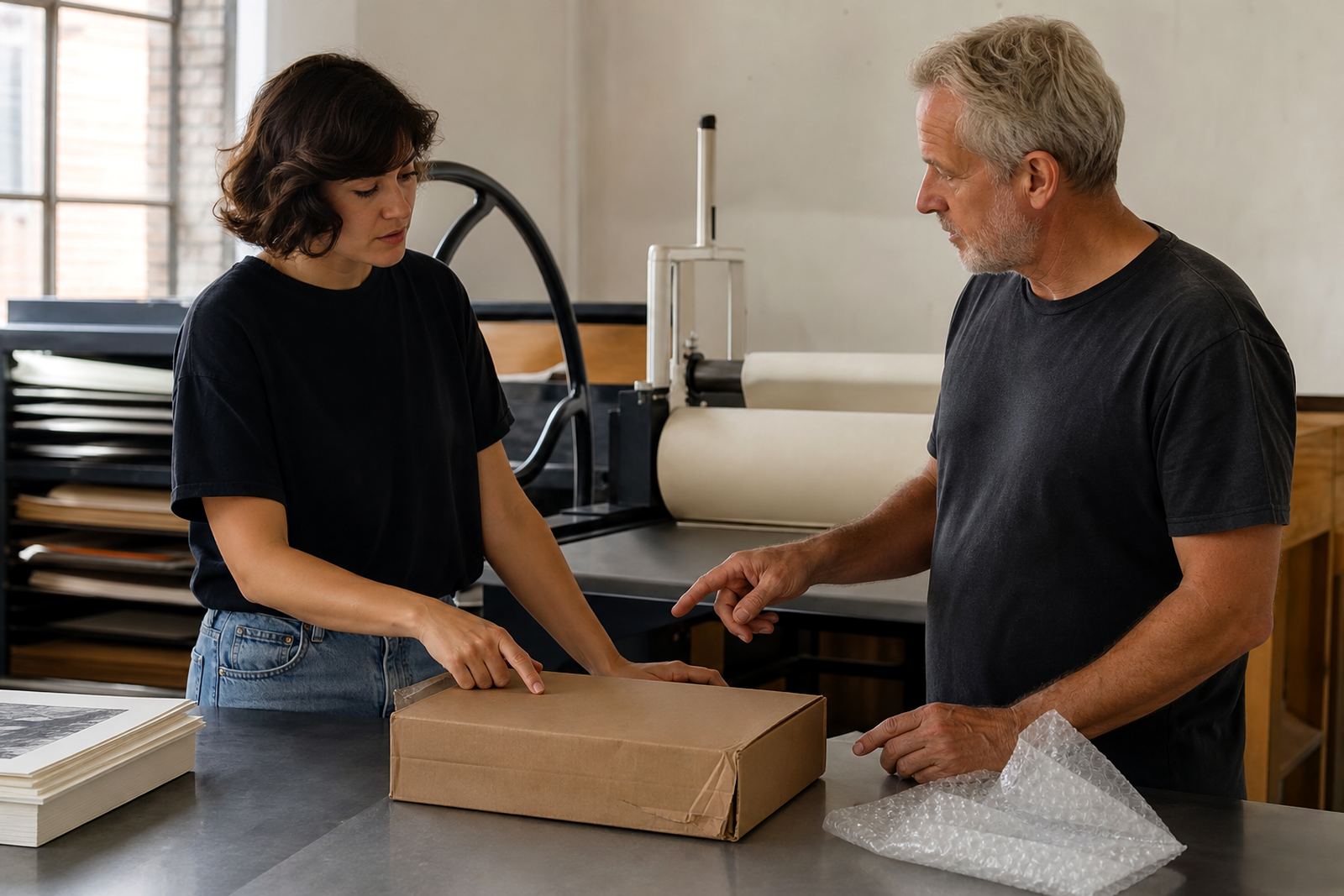
If you are unsure whether a condition change is serious, bring the print to us through the enquiry form on our contact page and we can advise on the next step.