What Stone Lithography Is, and Why It Feels Different
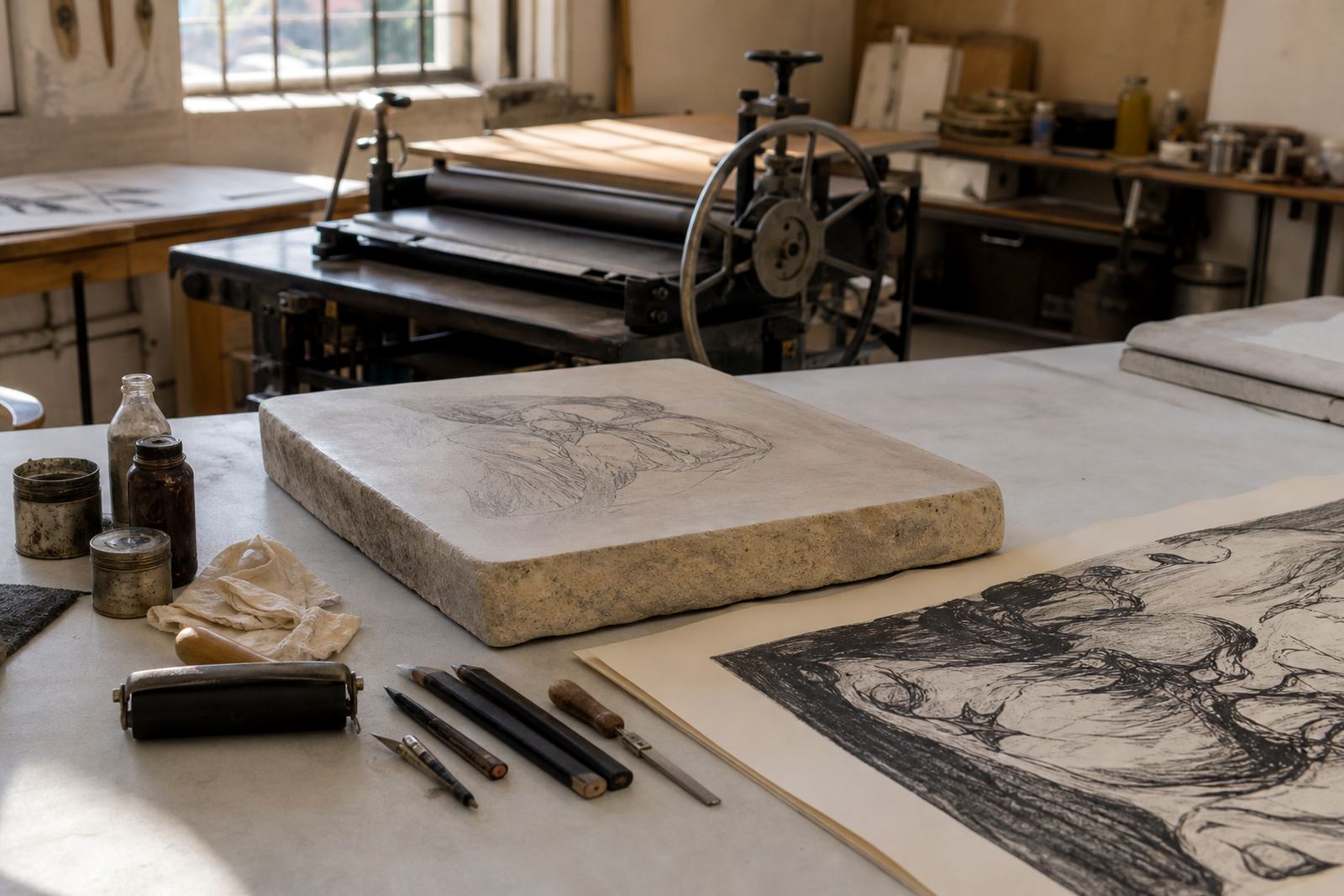
Instead of a carved block or etched metal plate, this hand-printing process uses a flat stone surface, usually fine-grained limestone. The artist draws directly on the stone with greasy materials, and the image is fixed through the natural push and pull between oil and water. Where it has been kept wet, ink will not. That simple principle gives the process its character.
The result is often recognised for its soft line, tonal richness and the way it can hold both precise drawing and loose, expressive marks. It suits artists who want a print to feel hand-made, not mechanical. In a good stone lithograph you can see the pressure of the crayon, the wipe of the ink, and the slight variations that make each impression alive.
Collectors in Cape Town, Johannesburg, Pretoria, Durban and Stellenbosch often ask what makes a lithograph more than a reproduction. The answer is that each print comes from the printing stone itself, made in an edition by hand. It is an original print process, not a copy of a painting or digital image.
The Studio Process From Drawing to First Pull
The process starts with a clean, polished stone that is ground and prepared to suit the image. The artist then draws or paints on the stone using lithographic crayon or tusche, depending on the mark required. After the drawing is complete, the stone is treated so the image area accepts ink and the non-image areas repel it. From there the printer works through dampening, inking and pulling proofs until the image comes through properly.
A typical studio sequence is careful and measured:
- Prepare and level the stone surface
- Transfer or draw the image directly on the stone
- Etch and set the image with gum and acid
- Test the first proofs for tone, line and registration
- Adjust the stone where needed before edition printing begins
Because the work is done by hand, proofing matters. A small change in water, ink density or paper pressure can alter the result.
Edition Terms Every Collector Should Know
Editioning is the system used to keep a print series clear and accountable. A limited edition means a set number of prints are made from the prepared stone, and that number does not grow once the edition is complete. That helps protect the integrity of the work and gives the collector confidence about scarcity and sequence.
When you look at a lithograph, you may see writing in the margin. Common terms include the edition number, the title, the artist's signature and the printer's mark where relevant. The number is usually written as a fraction, such as 3/20, meaning third print in an edition of twenty. Proofs may also be taken during the process, and these are used to check colour, registration and finish before the main edition is signed off.
Helpful edition checks include:
- Confirm the planned edition size before printing begins
- Agree on paper stock and sheet size early
- Decide how many artist proofs will be retained
- Check all signatures and numbering before archival packing
- Keep a written record of the edition through each stage
Colour, Registration and the Look of a Finished Print
Stone lithography is especially strong when colour is built in layers. Each colour may need a separate stone or separate pass through the press, and those layers must line up exactly. This is called registration. If the registration is off by even a small amount, the image can look blurred or split, so the printer measures carefully and checks each pass against the previous one.
The visual character of a lithograph often comes from its variety of marks. A crayon line can be soft and velvety, while tusche can create washes, speckles or broad tonal fields. These marks are different from screen printing or digital output because the ink sits in a more direct relationship to the drawn stone. You can often see the hand of the artist in the pressure, speed and texture of the line.
For artists working with collectors across South Africa, colour planning is not just about appearance. It also affects paper choice, drying time and how the print will behave in a coastal city like Durban or a drier inland home in Pretoria. Paper responds to the environment, so the studio must keep everything consistent from the first proof to the final signed impression.
How to Care for a Lithograph at Home
A lithograph can last well when it is handled and stored properly. The main risks are moisture, direct sun, dust, poor framing materials and rough handling during moving or storage. In South Africa, coastal humidity and bright light are two common concerns, especially in homes near Sea Point or Durban.
Basic care steps are straightforward:
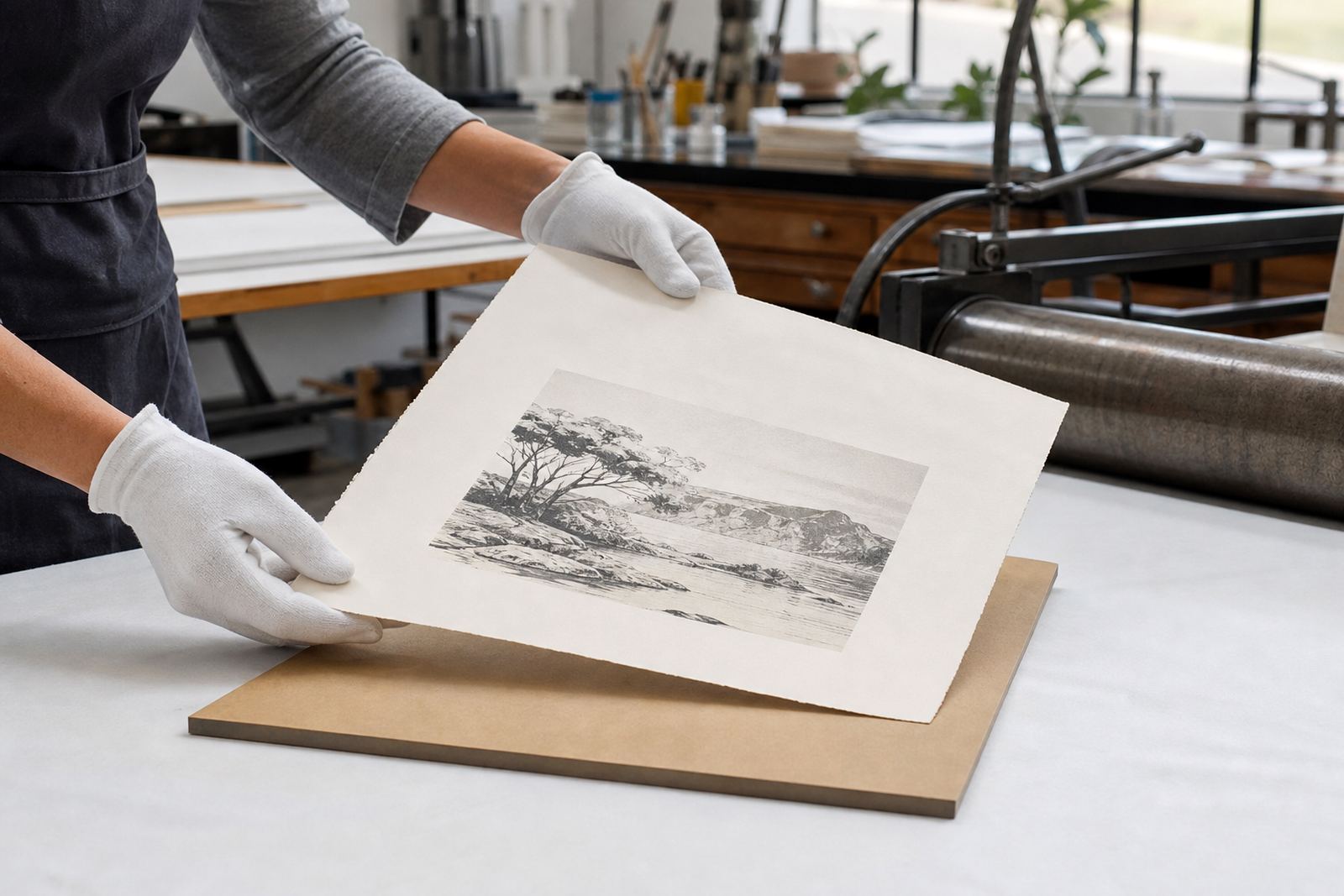
- Handle the sheet with clean, dry hands or cotton gloves
- Keep the print away from direct sun and damp walls
- Use acid-free mount board and backing when framing
- Leave a small air space behind the glass or acrylic
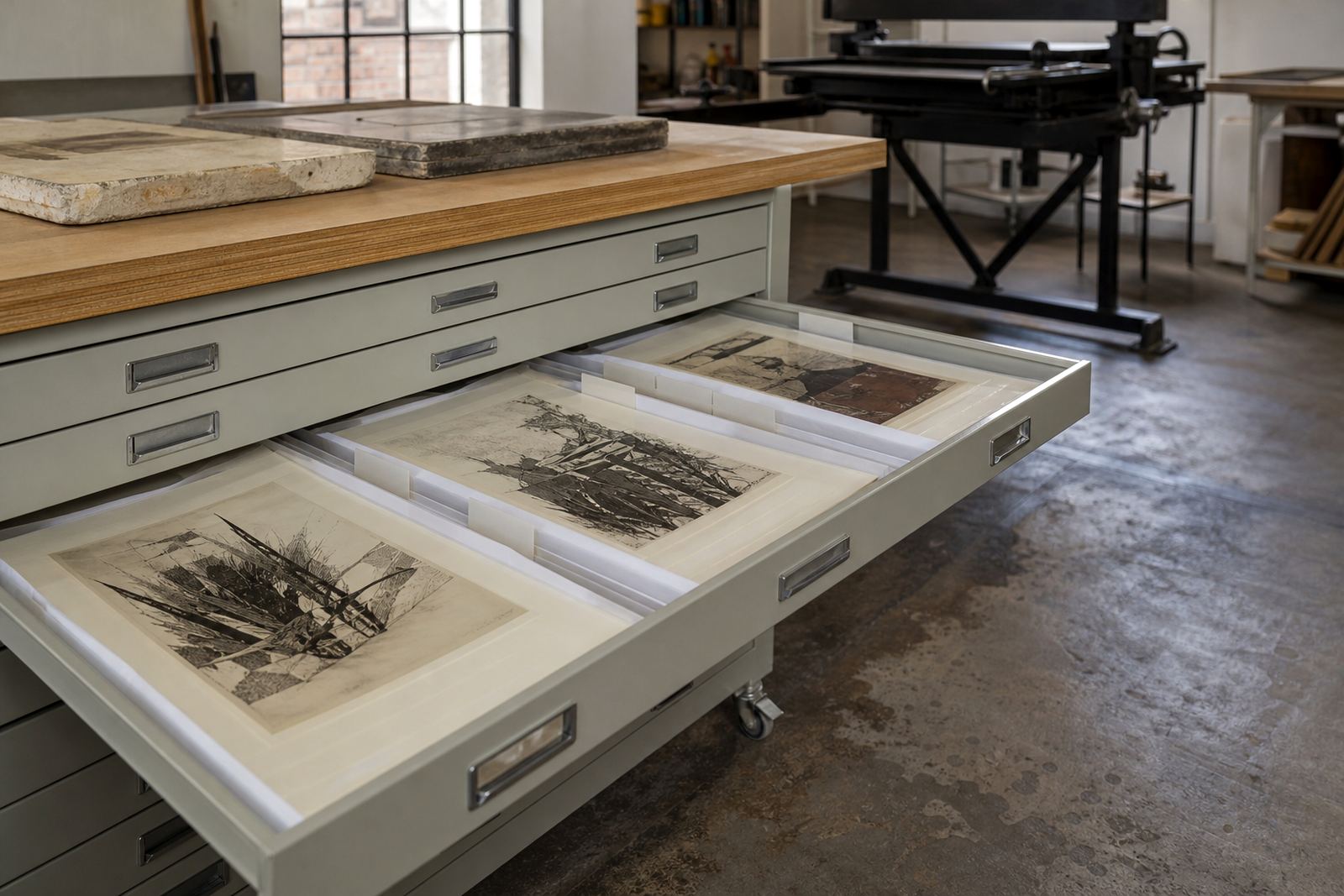
- Store unframed prints flat in archival sleeves
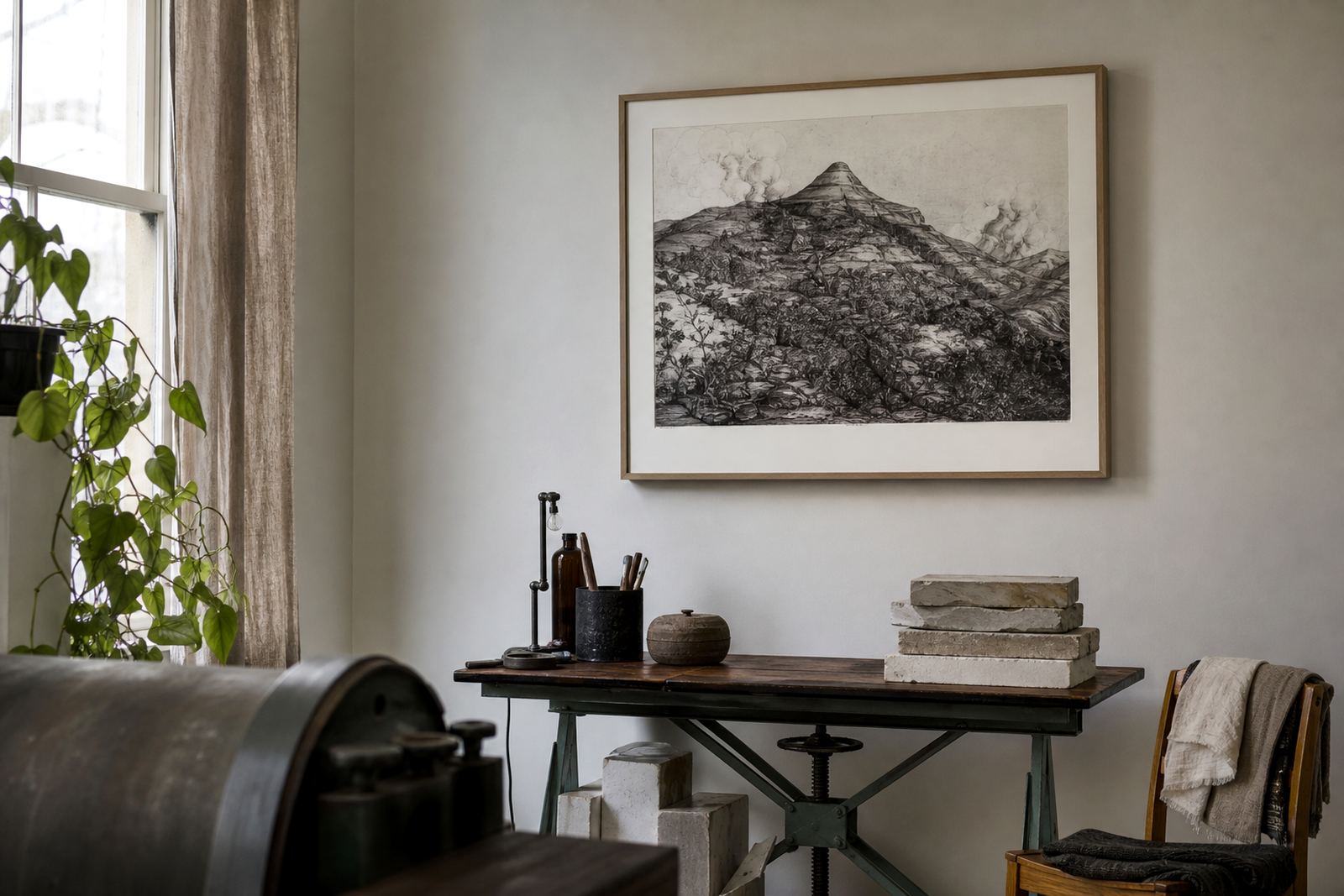
If a print is going into a family home, office or collection in Johannesburg or Stellenbosch, framing coordination helps protect the sheet from accidental creasing and airborne dust. Avoid hanging prints above kettles, bathrooms or air conditioners where heat and moisture can affect the paper over time. Good care is simple, but it must be consistent.
A Practical Checklist Before You Commission a Stone Lithograph
If you are planning a print project, a few early decisions will save time later. Stone lithography rewards clear communication between artist, printer and collector. A careful brief means fewer surprises during proofing and a cleaner final edition.
Use this checklist before the first proof:
- Confirm the final image size and paper size
- Decide whether the edition will be single colour or multi-colour
- Ask how many proofs will be pulled for approval
- Check whether signing and numbering will happen in the studio
- Plan for packing, framing or collection after the prints are dry
If you are visiting a studio in Woodstock, it helps to bring reference images, rough sketches and notes on scale. Artists and collectors often find that the process becomes clearer once they see a stone in use. The surface may look simple, but the craft behind it is exacting, and that is what gives stone lithography its quiet depth.