What a stone lithograph is and why it matters
Unlike a carved block or an etched plate, this planographic printmaking process uses a specially prepared limestone surface. The image is drawn on the stone with greasy materials, then treated so the marked areas accept ink and the non-image areas repel it. Paper is then pulled through a press to transfer the image. Because the drawing is made directly by hand on the stone, the print can hold subtle marks, tonal shifts and fine detail that suit both line work and rich colour.
For a starter collector, that direct connection between artist, stone and paper is part of the appeal. Each edition is made in stages, often with proofing, colour separation and careful registration. That is why stone lithographs can feel intimate and exact at the same time.
How to read an edition before you buy
An edition is the planned number of prints made from a set image. In collecting, this helps you understand scarcity, consistency and value. A smaller edition is not automatically better, but it does tell you how many prints exist in that state. If there are proofs, those are usually separate working impressions used during the printing process and may be marked differently.
When looking at a print, ask how the edition was made, whether it was printed by hand from stone, and whether the sheet was signed and numbered. These details help you compare works fairly and avoid confusion later.
- Check the edition number and total edition size.
- Ask if the print is a proof, edition print or artist proof.
- Confirm whether the sheet was signed, numbered and dated by hand.
- Find out what paper was used and whether the paper size includes a border for framing.
Questions to ask before you commit
A careful purchase starts with simple questions. You do not need to be an expert, only organised. Ask how the print was made, whether there are multiple colour passes, and if the artist approved the final proof. If a print is part of a series, ask how this image relates to the rest of the edition. That gives you context, especially when you are choosing between one sheet and another.
It also helps to understand condition. A print should be checked for marks, handling creases, irregular trimming or evidence of moisture. In coastal areas like Cape Town, humidity can affect paper if storage has not been handled well, so condition matters more than appearance alone.
- Who made the edition and who supervised printing?
- Was the final proof approved before editioning began?
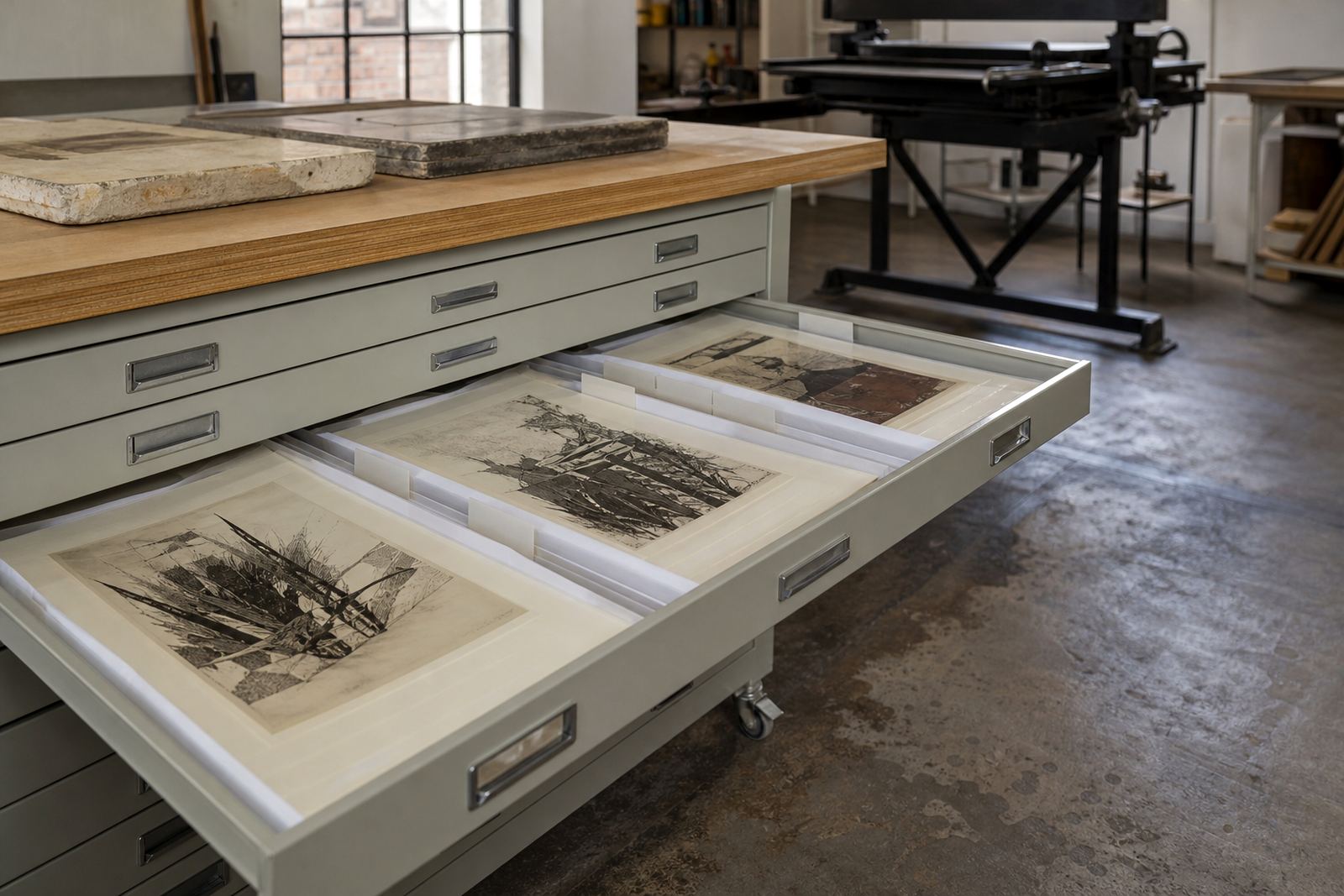
- How should the print be stored before framing?
- Has the sheet been exposed to sunlight, smoke or damp?
How to handle, store and frame your print
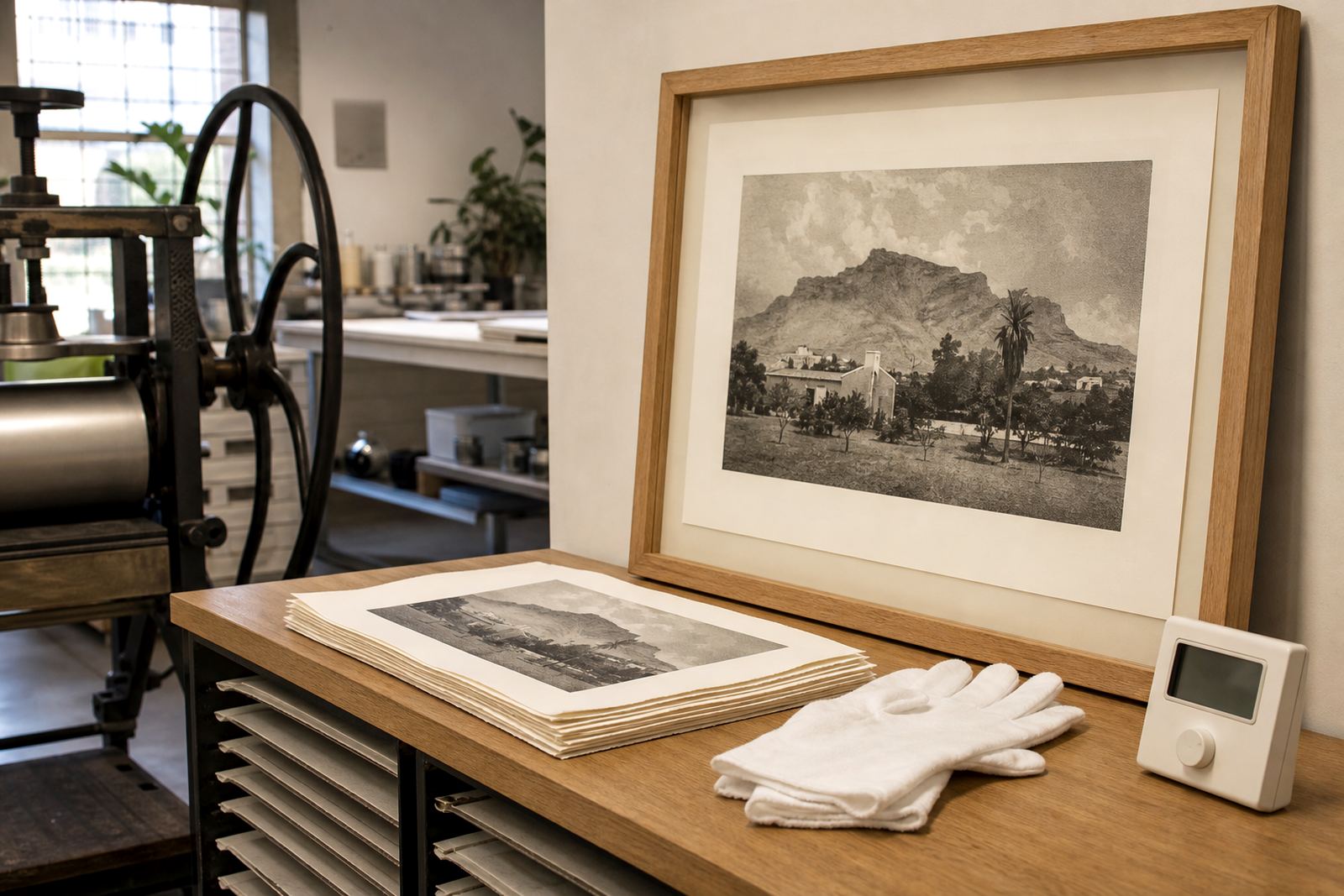
Fine-art paper prefers a stable environment. In South African homes, the main risks are direct sun, damp walls, coastal air and sudden changes in temperature. Keep prints flat, wrapped in acid-free materials and away from kitchens, bathrooms and enclosed roof spaces. If you live near the sea, a little extra care goes a long way because salt air can affect frames and backing boards over time.
Framing should protect the work, not just display it. Use archival mount boards, UV-protective glazing where appropriate, and allow the print to breathe. Never tape directly onto the sheet. If a work is being shipped to Johannesburg or Durban, ask for packing that prevents corner damage and moisture exposure.
- Store flat in a dry room, out of direct sun.
- Use acid-free tissue or sleeves for temporary storage.
- Choose framing materials that will not yellow the paper.
- Keep framed work away from aircon drips and damp exterior walls.
Building a first collection with purpose
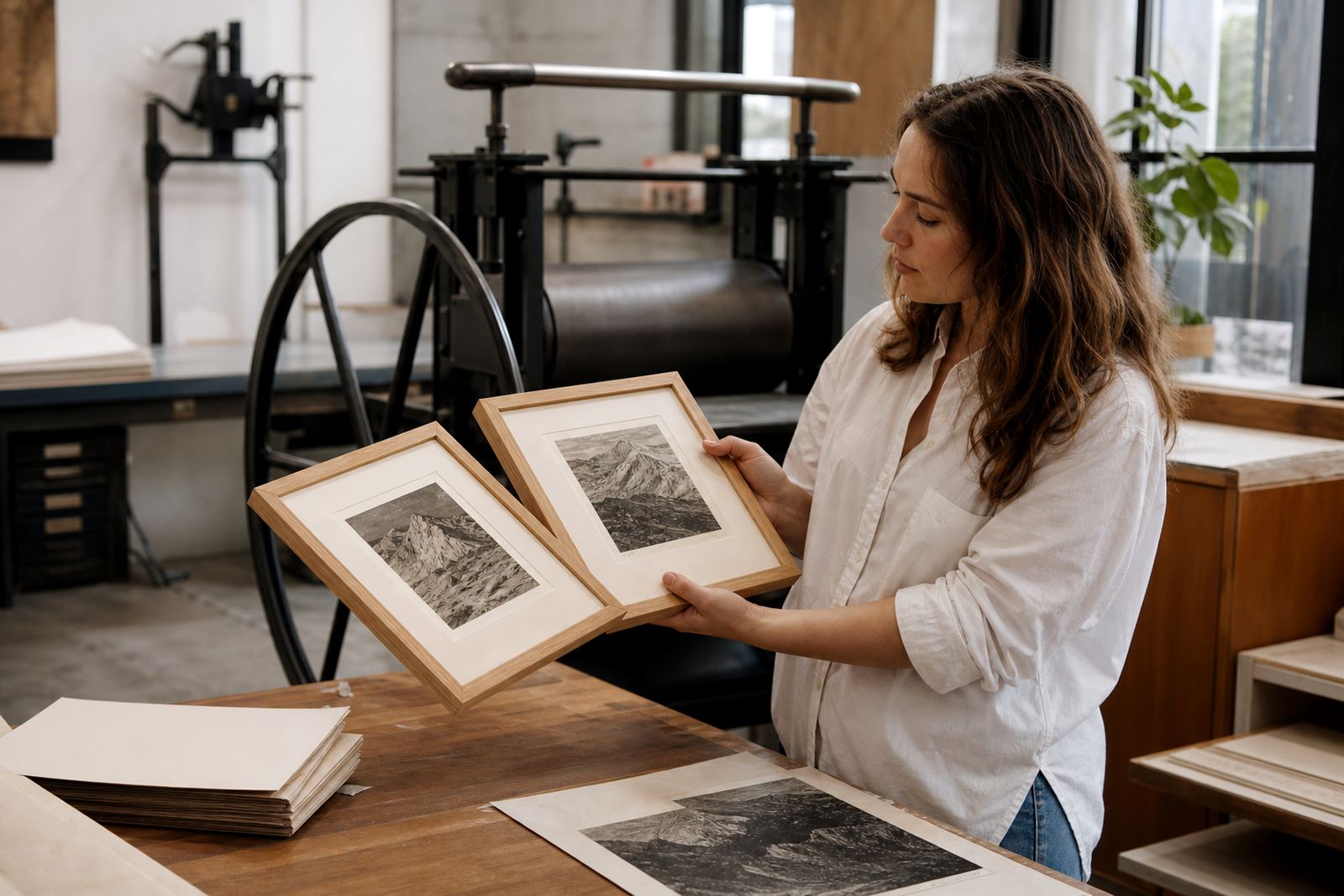
Your first few prints do not need to match. A strong starter collection often begins with works that share a visual thread, such as colour, subject, paper size or printing method. Some collectors prefer a single artist over time, while others build across different studios and editions. There is no fixed rule, but it helps to buy with a clear reason rather than on impulse.
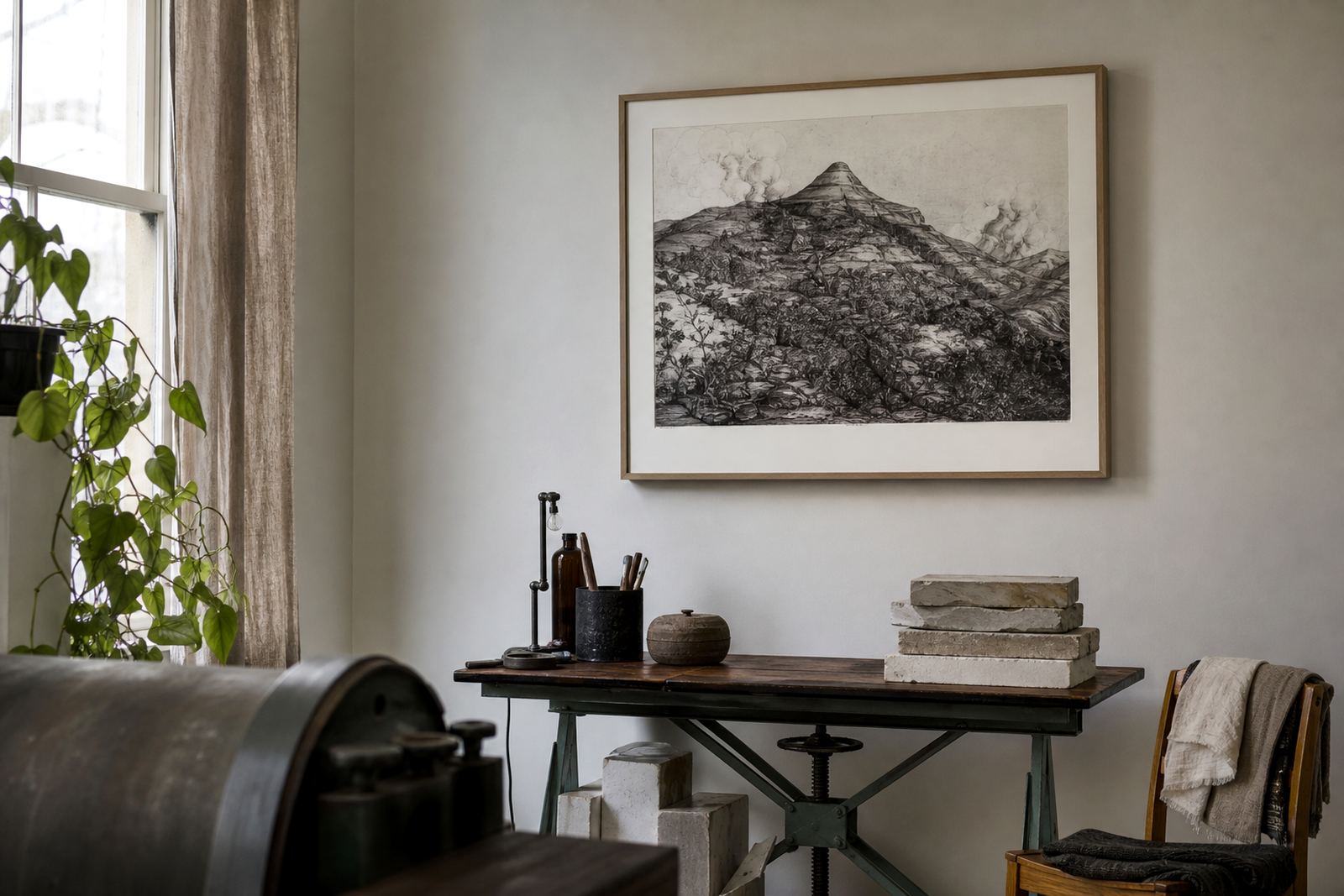
Think about where the work will live. A print for a bright Sea Point apartment may need different framing and placement from one for a shaded office in Newlands or a family home in Pretoria. If you are collecting to live with the work daily, choose images you can return to. That matters more than trying to follow every trend.
A simple buying checklist for beginners
If you want a practical route into collecting, use a checklist every time. It slows the process down just enough to help you ask the right questions and compare like for like. A well-made lithograph should come with clear edition information, good paper and an honest condition report. If anything feels vague, ask for more detail before you decide.
- Do I understand the edition and how many prints exist?
- Has the sheet been signed and numbered clearly?
- Is the paper clean, flat and free from damp staining?
- Will the size suit my framing budget and wall space?
- Have I asked how the print should be stored and cared for long term?
Collectors across Cape Town, Stellenbosch, Johannesburg, Pretoria and Durban often begin with one good print and build from there. That is a sound approach. Learn the language of the medium, keep records for each work and ask for guidance when you need it. A considered collection is easier to enjoy and easier to look after.