How we pack stone lithographs for transit
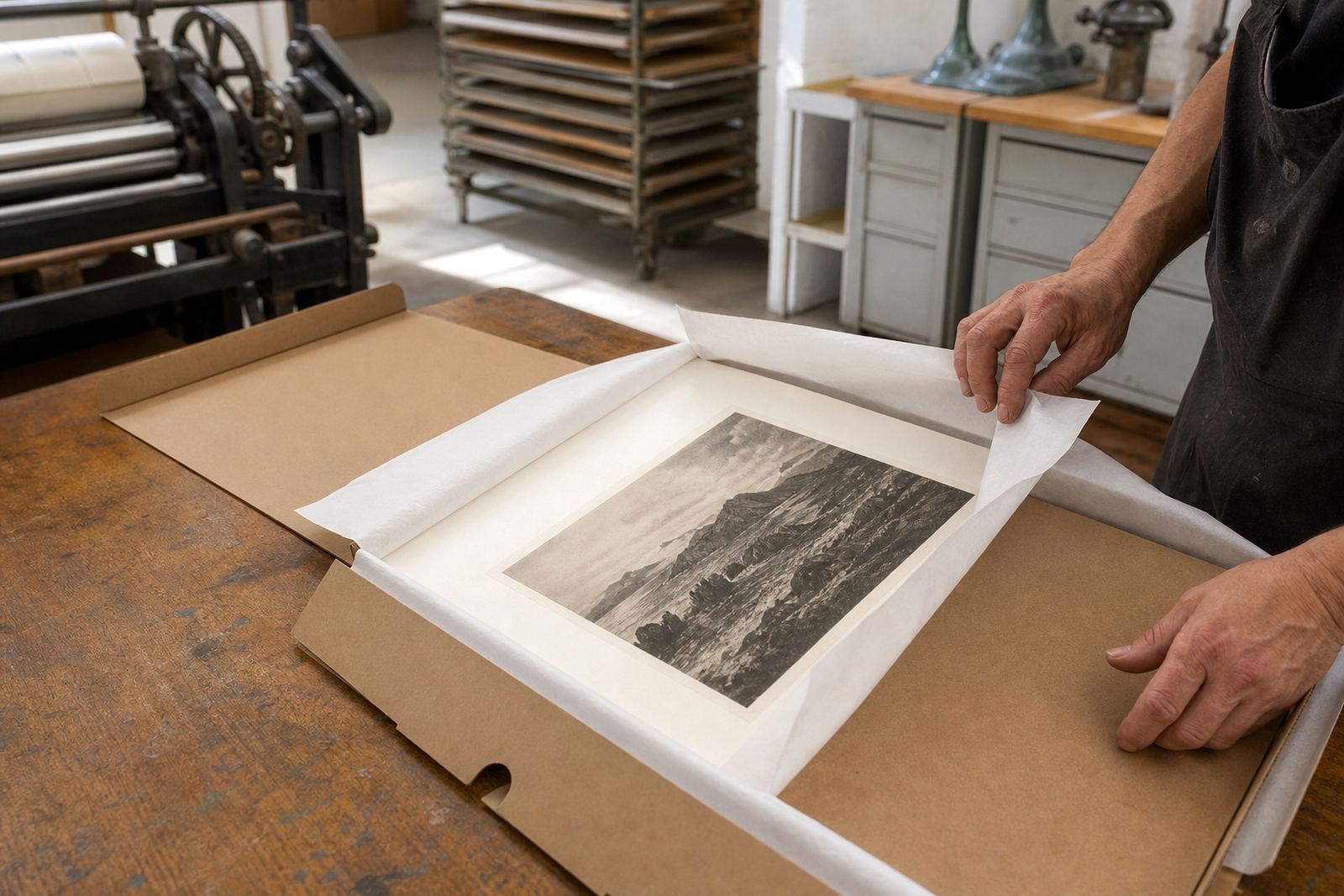
Every print leaves the studio wrapped and supported so the sheet does not rub, bend, or pick up moisture on the way to you. We use clean interleaving, rigid backing, corner protection where needed, and an outer carton sized to reduce movement inside the box. For larger works we may add extra stiffeners, because a print that can shift in transit is more likely to arrive with scuffs or soft edge damage.
In Cape Town and along the coast, humidity can rise quickly, so packing has to do more than guard against knocks. It also needs to keep the paper stable while it moves through depots, vans and home delivery. If your order includes framing coordination, the print is still packed separately unless we agree otherwise, because print and frame are best handled as two different risks.
- Keep the package flat until you are ready to open it.
- Do not leave it in a hot car, especially in summer.
- If it arrives damp, do not unwrap it immediately.
- Store the carton indoors, away from direct sun and wet floors.
What to check the moment your parcel arrives
Before you sign or accept a delivery, take a slow look at the outer carton. Small dents are common, but crushed corners, torn tape or water marks need attention. If the parcel is visibly damaged, note it on the delivery record and photograph it before opening. That helps if there is a claim, and it also gives us a clear record of what happened in transit.
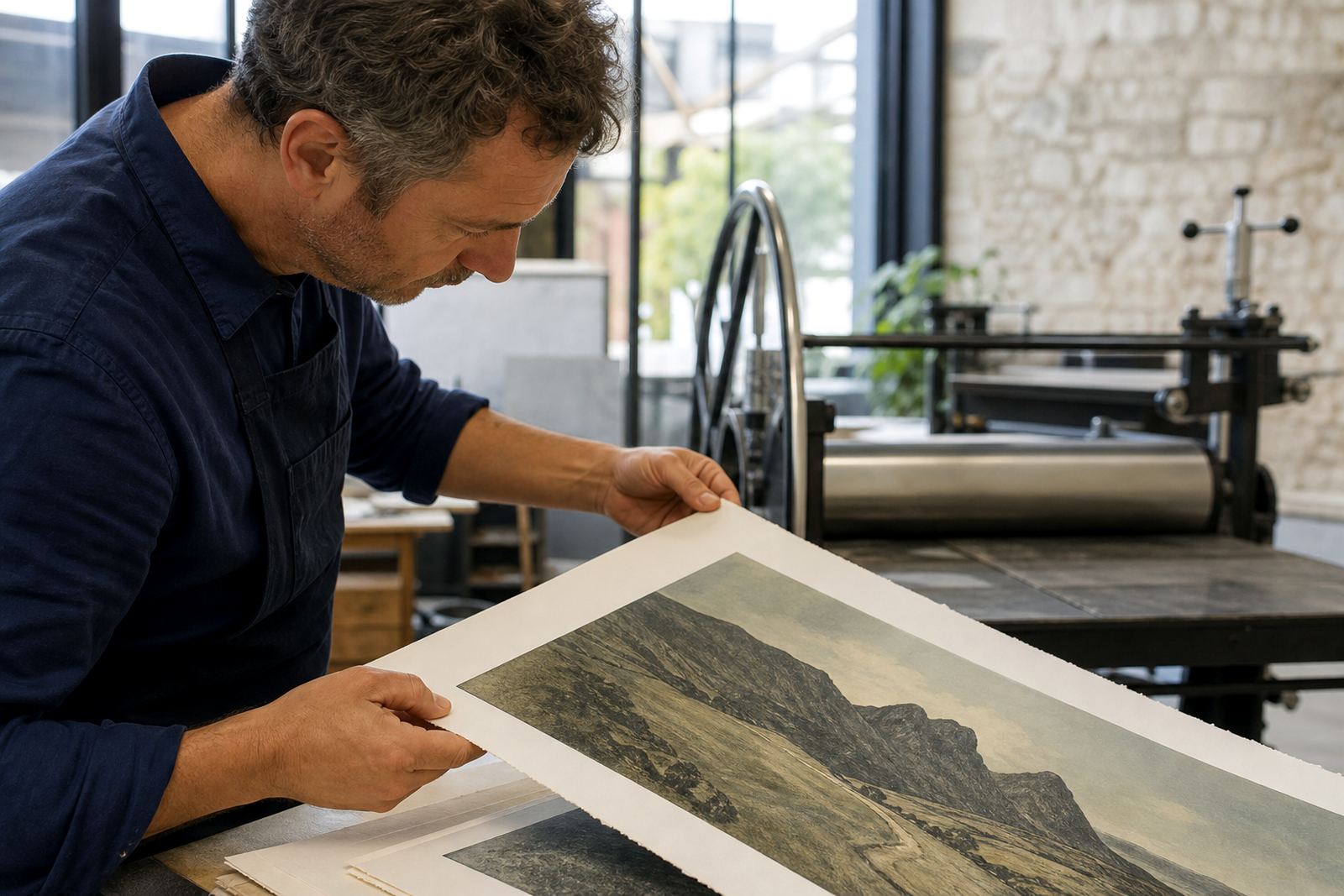
Once the outer pack is open, check the print in good light. A stone lithograph should lie flat and the margins should be clean. Look for creasing, scuffing, dirty marks from handling, or any sign that moisture has reached the paper. If anything seems off, keep all packing materials until the issue is resolved.
- Photograph the unopened parcel from all sides.
- Photograph the label and any dents, tears, or wet patches.
- Open the package on a clean table, not on the floor.
- Compare the print against your order details and edition notes.
Edition details you should confirm on delivery
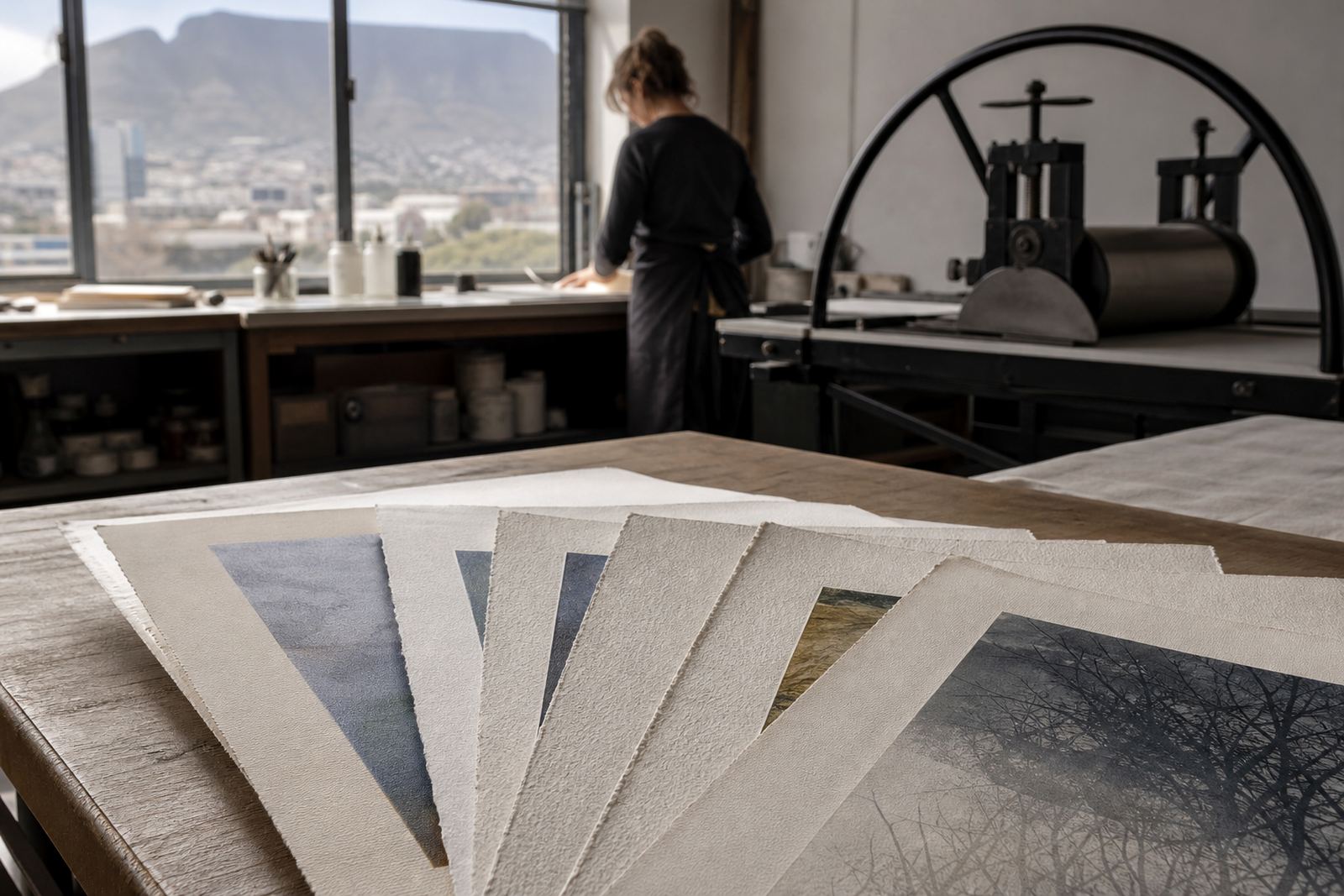
Limited editions rely on consistency, so a delivered print should match the details agreed in the studio. Check the title, image size, paper size, edition number and any notes about the paper or colourway. A stone lithograph often carries a signature, date, edition mark and sometimes a proof notation. If your print is a trial proof or an artist proof, that should be stated clearly.
Editioning matters because it protects the integrity of the work and the collector’s record. If you ever plan to insure, resell or frame the print for long term display, keep the edition information together with the invoice and packing note. A simple file or envelope set aside for the paperwork saves time later.
- Title and edition number match the paperwork.
- Signature and date are present if agreed.
- Paper and image size are correct.
- Any proof or special state is noted clearly.
First 24 hours after delivery
The first day matters most because paper reacts to its environment. Let the print rest flat in the room where it will be stored or framed, especially after a long courier trip. If the weather is damp, leave the print inside its protective wrap for a short while so the temperature can settle. Never rush to remove all packing in a humid room straight after delivery.
If the print has any slight curl, place it flat in a dry room with clean paper above and below, then add light weight at the edges only. Do not use clips, tape, or anything that can leave a mark. If you are in Johannesburg, Pretoria or Durban and the parcel has travelled through changing weather, this settling period is worth the wait.
- Leave the print flat and undisturbed.
- Keep it away from open windows, kitchens and bathrooms.
- Handle by the edges with clean, dry hands.
- Do not press the print under heavy objects.
Safe storage before framing or collection
If you are not framing the print right away, store it in a cool dry room with stable light conditions. Avoid direct sun, damp walls and areas near air conditioners that blow dust or cold air directly onto the paper. In coastal homes, especially around Woodstock, Sea Point and Newlands, good storage matters because moisture can creep in during winter and on misty mornings.
Keep the print flat and separated from anything that might stain it, such as old cardboard, newspaper or painted surfaces that are still curing. If the work is still in its archival sleeve, leave it there until you are ready to frame it or hand it to your framer. For collectors who rotate work at home, a flat storage box is far better than leaning sheets upright against a wall.
- Choose a dry room with low dust.
- Avoid kitchens, bathrooms and garages.
- Do not store near heaters or in direct sun.
- Keep away from chemicals, cleaning fluids and fresh paint.
Framing and long term care for collectors
Stone lithographs are works on paper, so framing should support the sheet without trapping moisture or pressing the image area. Archival mount board, a proper window mat and glazing with UV protection are good choices. The print should not be stuck down with pressure sensitive tape or ordinary glue. If you are framing a larger edition, allow enough space behind the glass so the paper can breathe.
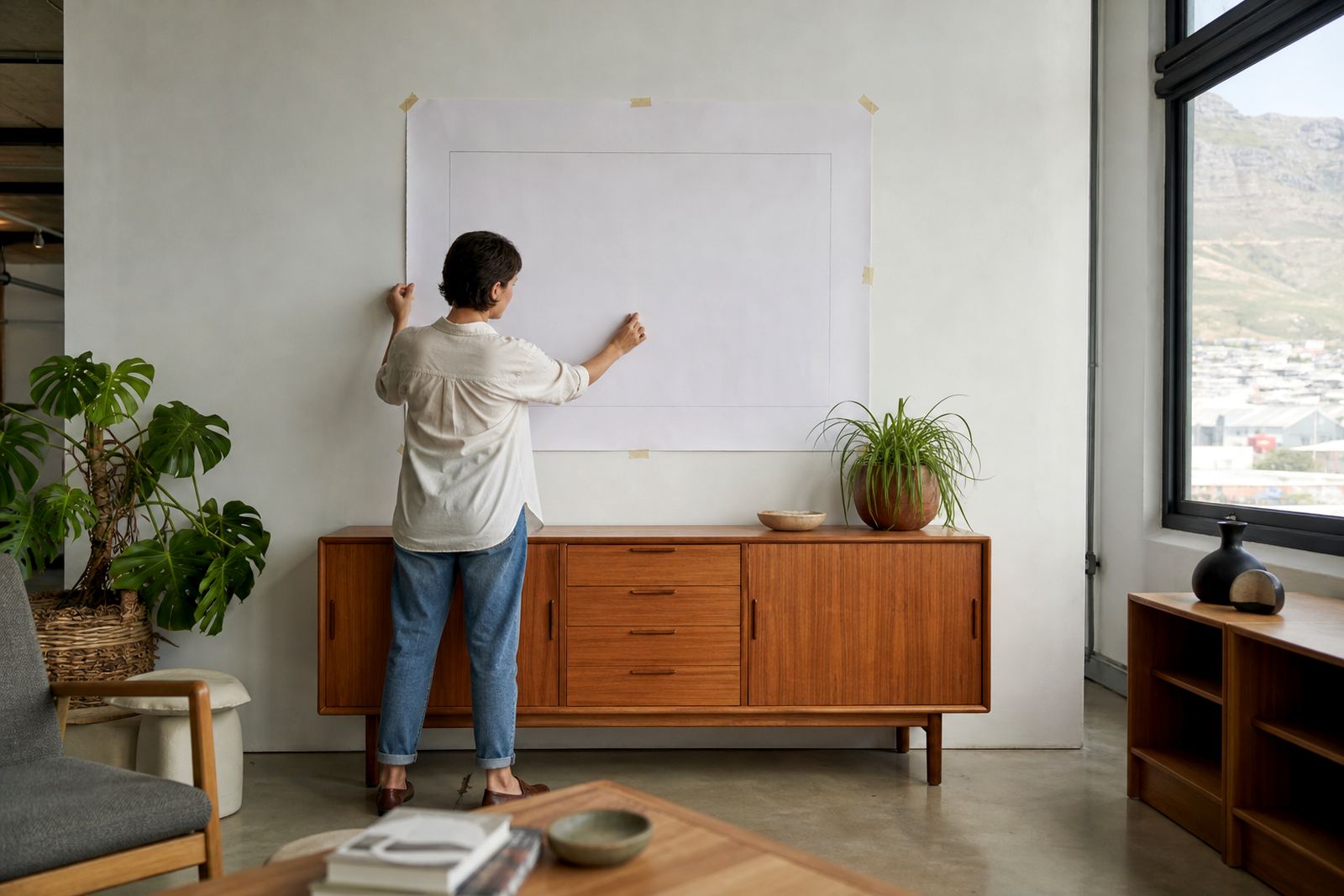
Once framed, hang the work away from direct sunlight, steam and heavy temperature swings. In homes with strong afternoon light, choose a wall that gets gentler light or use blinds. A framed print should also be kept clear of sea spray, smoking areas and high traffic spots where it may be knocked. A little care now helps the paper stay sound for years.
- Use acid free, archival materials.
- Keep the print out of direct sun.
- Hang away from kitchens, bathrooms and braais.
- Inspect the frame once or twice a year for dust or moisture.