Start With the Room That Fits the Print
Stone lithographs live well in rooms where people spend time looking at them, not just passing through. Living rooms, passage walls, dining areas, studies, bedrooms and entrance halls can all work, provided the light is manageable and the wall space is not too crowded. In Cape Town homes, especially near Woodstock or Sea Point, coastal humidity and bright afternoon sun need more thought than a shaded inland room.
Before choosing a wall, look at how the room is used. A calm bedroom can suit a softer image with quieter colour, while a dining area can handle stronger contrast and larger scale. If the room gets strong sunlight through the day, choose a wall that stays out of direct rays. Paper and framing materials do not thank you for heat and UV, and a lithograph deserves better than a hot patch above a west-facing window.
- Pick rooms with steady temperatures and limited direct sun
- Avoid placing framed prints near stoves, fireplaces or bathrooms
- Use quieter rooms for works with fine detail
- Choose busier rooms for larger statements that can hold attention
Use Wall Height That Feels Natural
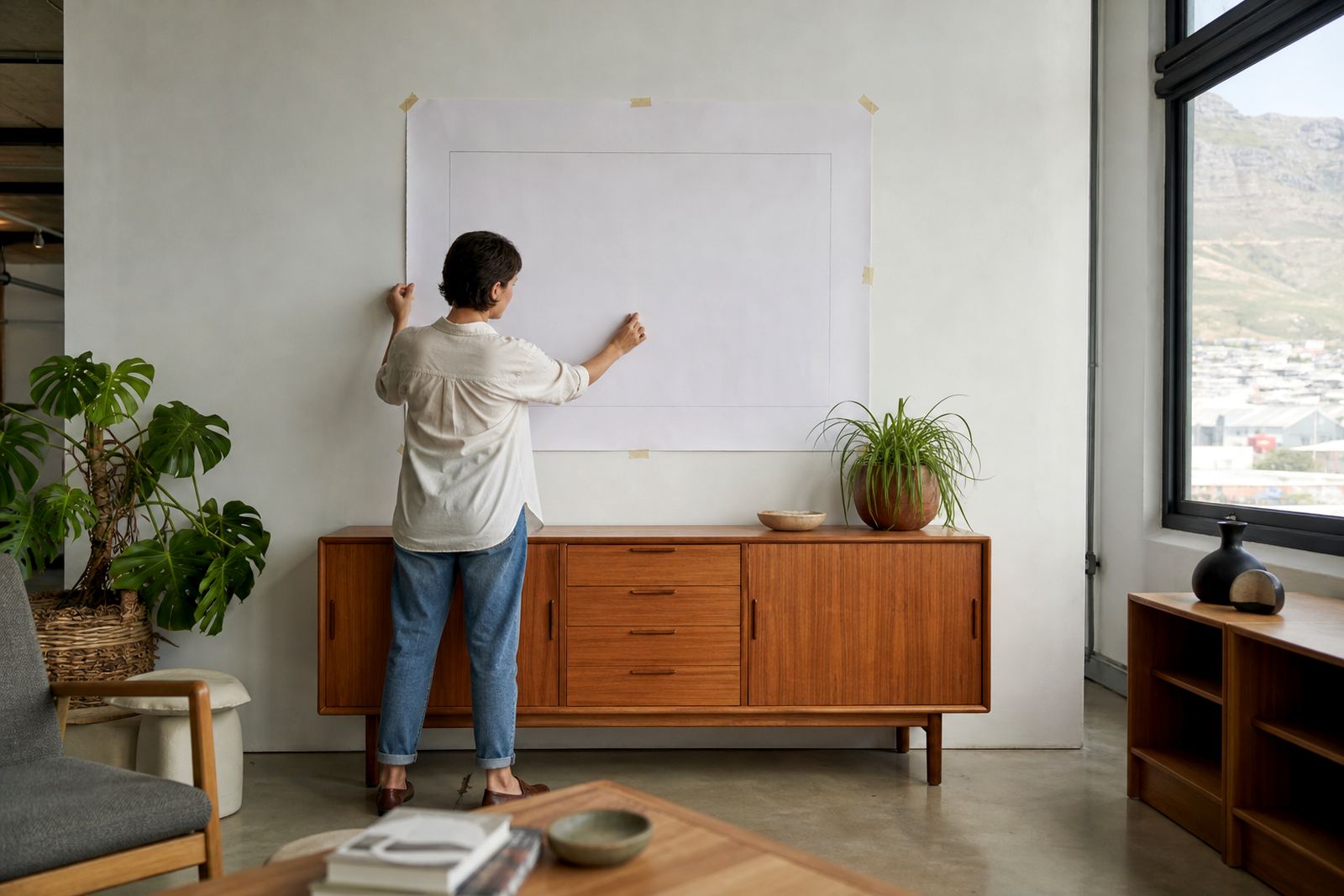
A common mistake is hanging art too high. The centre of the work should usually sit near eye level for an average standing view, with adjustments for furniture below it. If the print hangs over a sofa, sideboard or console, leave enough breathing space so the frame does not feel crowded. A clean gap between furniture and artwork helps the wall read properly.
For a single framed lithograph, measure the wall and mark the centre point before you fix anything. In a gallery-style wall, keep the top and bottom edges aligned where possible. That brings calm to the room and makes the print look deliberate. If the wall has cornices or uneven plaster, take your time with the placement, because a frame that is slightly off can nag at you every day.
- Hang the centre of the artwork at comfortable eye level
- Leave space above furniture so the frame does not feel squeezed
- Keep groups of prints aligned for a neat, considered finish
Match Wall Position to Light and Glare
Light is the first thing to check. Lithographs are best enjoyed in even light, whether that is natural light from the side or a well-placed interior fitting. Avoid direct sun, strong reflections from opposite windows, and spots where the glass catches glare at certain times of day. If a room changes dramatically from morning to late afternoon, stand in the space at both times before deciding on the position.
South African homes often have mixed light conditions, with harsh summer sun and lower winter light. A north-facing wall may get more stable daylight in some houses, while a west-facing wall can become very hot. Use curtains, blinds or UV-filtering glazing where needed. If you are framing an especially valuable print, do not place it where a child’s play area, cooking steam or open window can reach it. It sounds obvious, but it gets overlooked.
- Check the wall at different times of day
- Watch for glare from windows, glass tables and polished floors
- Keep prints away from direct sun and heat sources
- Consider UV protection in the framing package
Choose Wall Size and Scale With Care
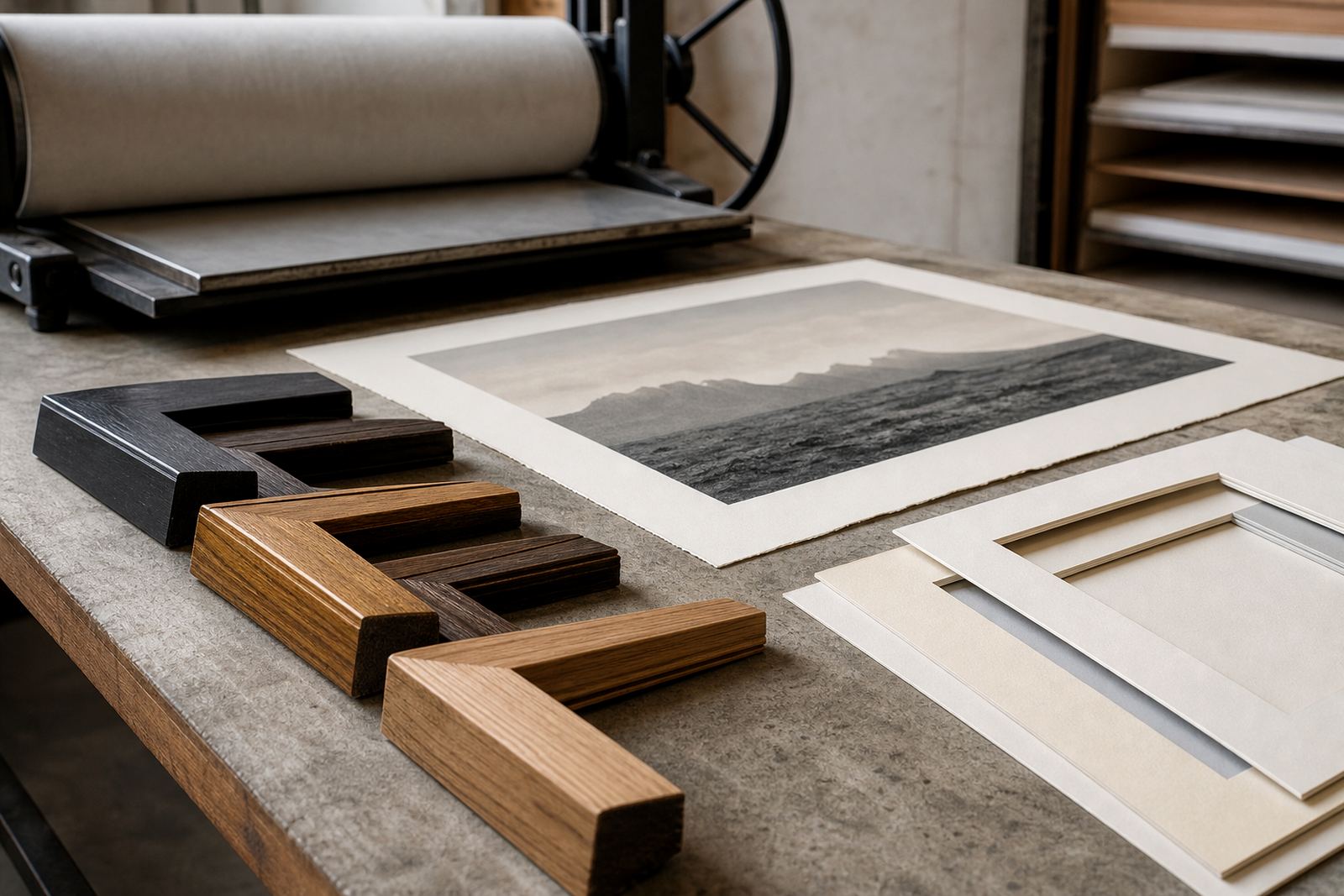
The size of the lithograph should suit the wall, and the wall should suit the work. A small print can look lost on a large blank wall unless it is part of a grouping. A large print needs enough open space around it to breathe. The goal is balance, not filling every available spot.
If you are hanging one work, imagine a simple frame of air around it. If you are hanging several prints, keep the spacing consistent so the arrangement reads as a whole. For collectors who rotate works, it helps to leave a few wall positions open and ready. That makes seasonal changes easy without new holes every time.
- Use larger walls for one strong statement work
- Group smaller prints when a single work would feel too small
- Keep spacing even between frames in a series
- Leave room for future rotation if you collect over time
Plan for Humidity, Dust and Everyday Living
Framed lithographs need ordinary care, but room conditions matter. Coastal humidity in places like Durban, Sea Point and parts of Cape Town can affect paper and framing if the work is placed in a damp corner or against a wall with moisture issues. Bedrooms and living spaces usually perform better than kitchens, laundries or unventilated stairwells. A print should not feel like it is fighting the room.
Dust is another factor. In homes with open windows, road dust or renovation work nearby, keep the frame sealed properly and wipe the outside glass gently with a dry microfibre cloth. Never spray cleaner directly onto the frame. Small details make a big difference over time.
- Choose dry, stable rooms over damp or steamy spaces
- Avoid walls that show signs of rising damp or salt damage
- Keep candles and heat sources well away from the print
- Dust the frame and glass lightly, not aggressively
Simple Checklist Before You Hang
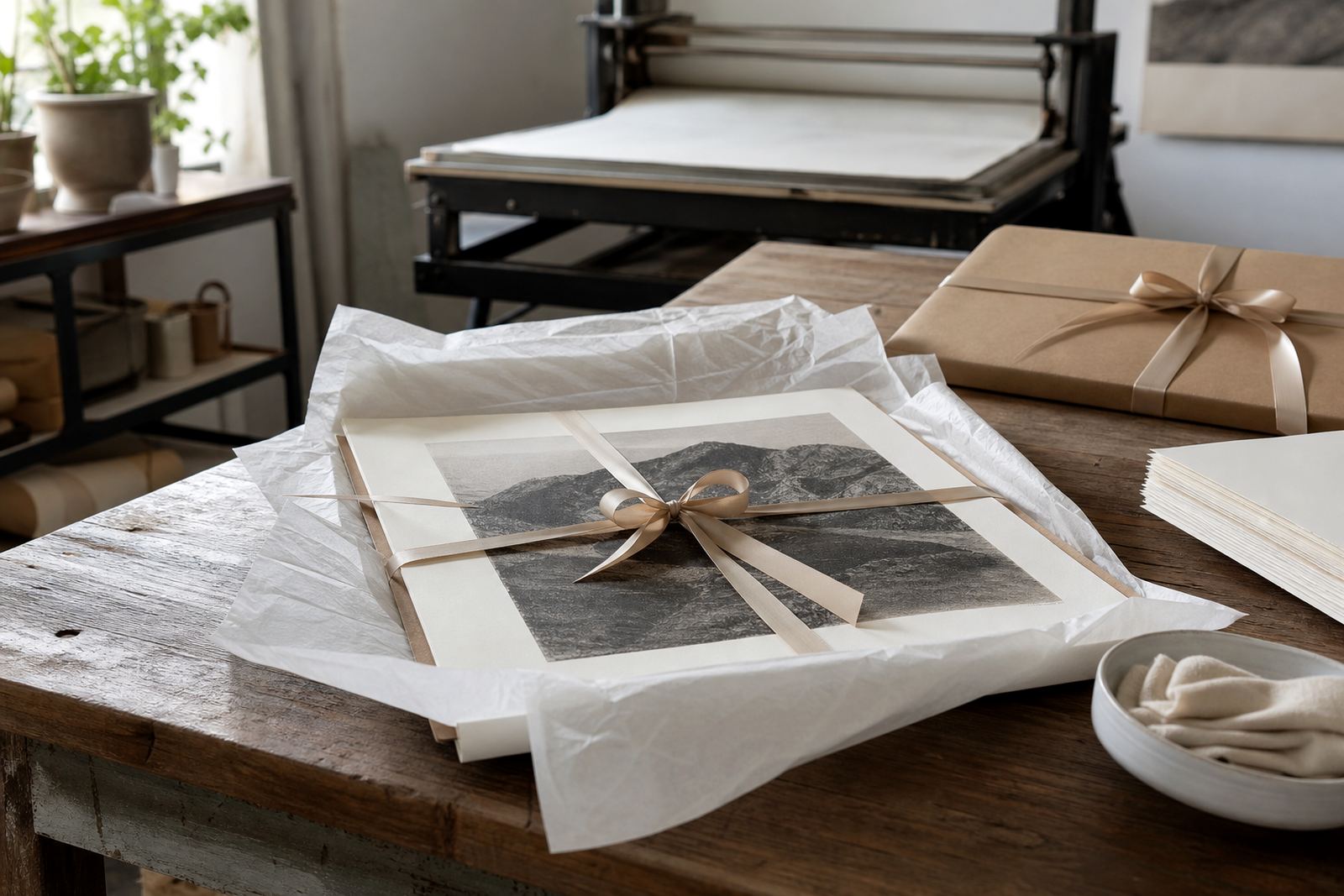
Before the frame goes on the wall, do one last check. Look at the image in natural light, step back from the wall, and ask whether the position suits the room at normal viewing distance. A lithograph should feel settled, not squeezed into a leftover space. If you need help with framing coordination or collector advice, it is better to sort it before the holes go in.
This final check saves time and keeps the print safe. It also helps if you are placing several works across different rooms in a home or apartment. A considered plan gives each lithograph its own place, and the room gains a stronger sense of order.
- Confirm the wall is dry and structurally sound
- Check that the height works from a standing and seated view
- Make sure the frame does not catch direct sun or glare
- Use proper fixings for the wall type, especially on plaster or brick
- Leave enough space for cleaning and future adjustments