Start with the print, not the frame
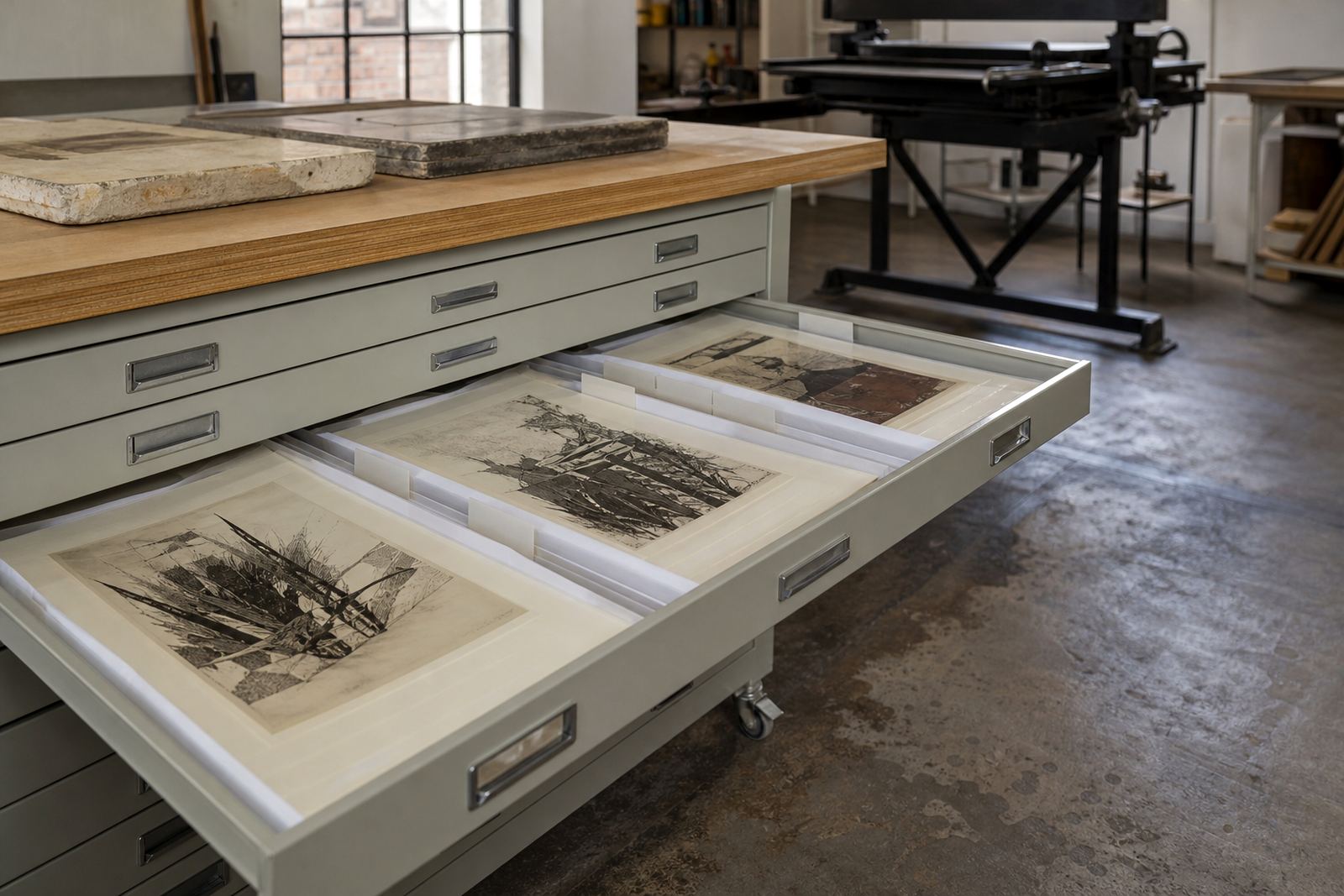
Stone lithographs are made on paper that can be sensitive to light, moisture, pressure and acidic materials. Before you choose a frame, look at the paper size, the paper edge, the image area and whether the artist has left a visible border for signing and numbering. A well planned frame keeps all of those details in view.
For collectors in Cape Town, Durban and other coastal areas, the framing choice matters even more because humidity can affect paper over time. In Johannesburg or Pretoria, dry indoor air and strong sunlight through windows can also be a problem. The main aim is simple: stable support, gentle materials, and enough protection for daily living conditions in the room where the work will hang.
Choose archival materials from the start
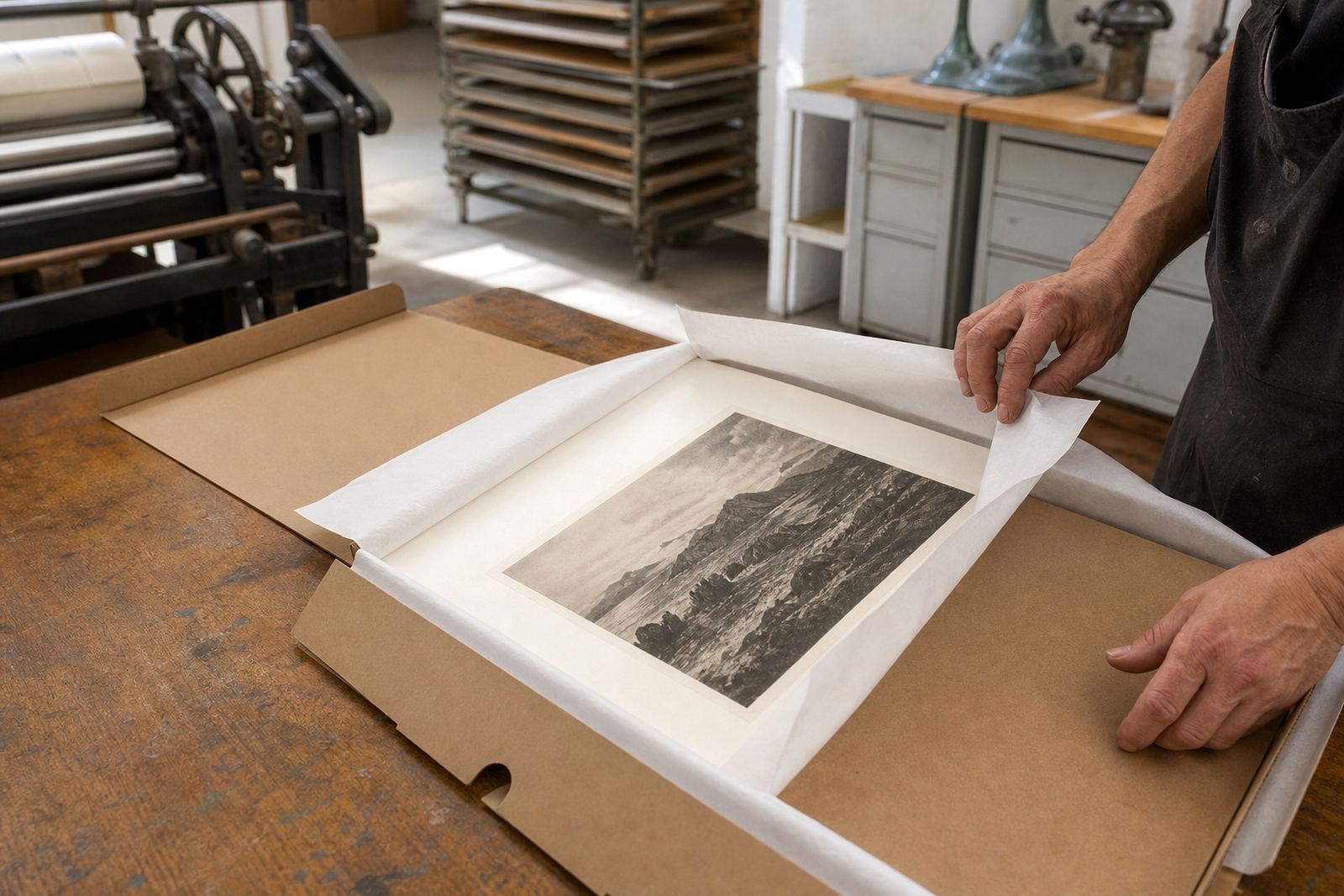
Use materials that will not damage the paper over time. A frame is only as good as the parts hidden inside it, so ask about the backing board, mount board, tape and glazing. For editioned lithographs, the paper should never be held with ordinary adhesive tape or pressed directly against glass.
- Use acid-free or archival mount board.
- Choose a backing that stays flat and does not warp easily.
- Use hinging methods that support the print without over fixing it.
- Keep the print off the glass with a spacer or mount window.
- Avoid low-quality cardboard, brown tape and household glues.
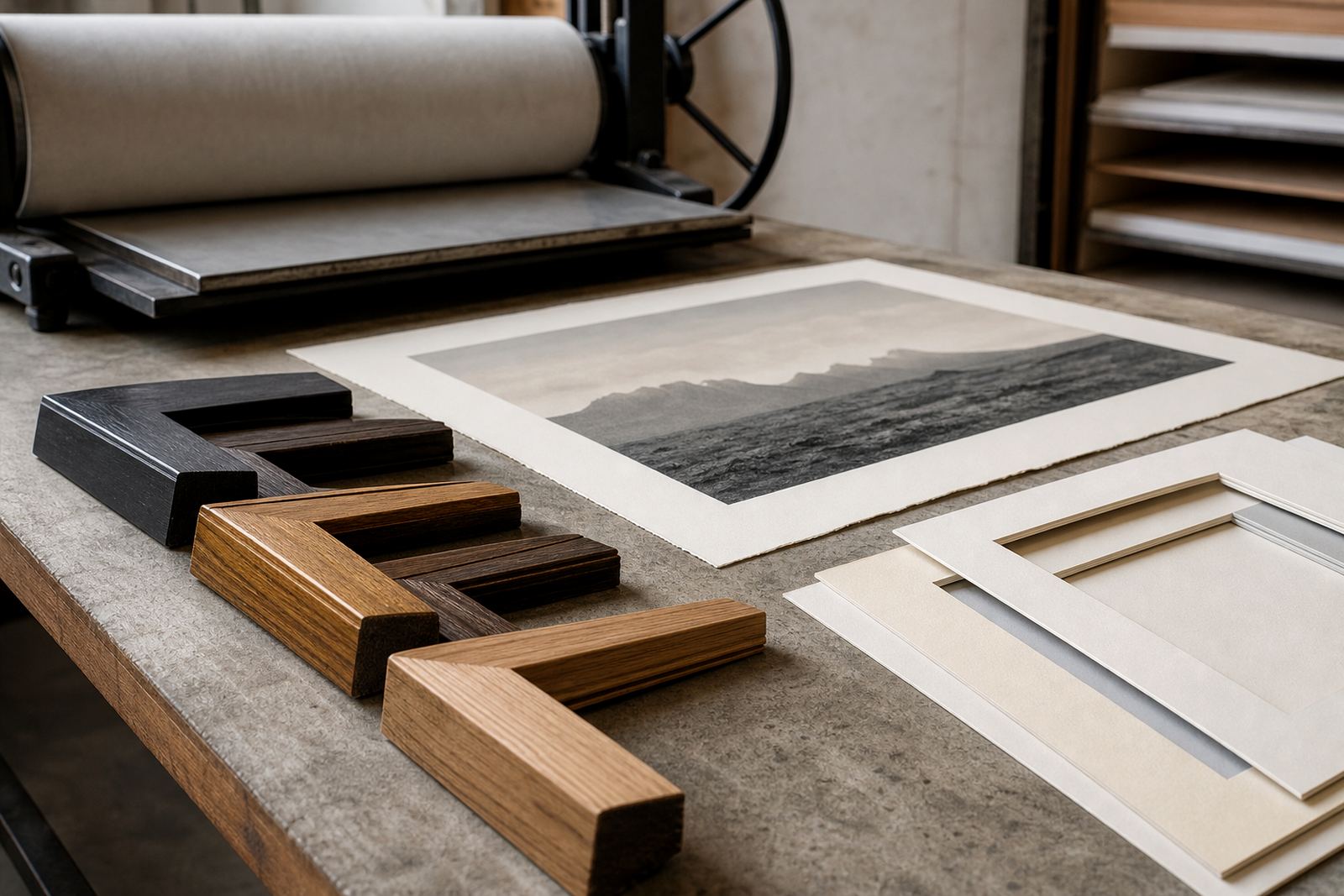
If a print has deckled edges, many collectors prefer a float mount so the full sheet can be seen. That approach gives the work space and shows the hand made character of the paper.
Decide how much of the sheet you want visible
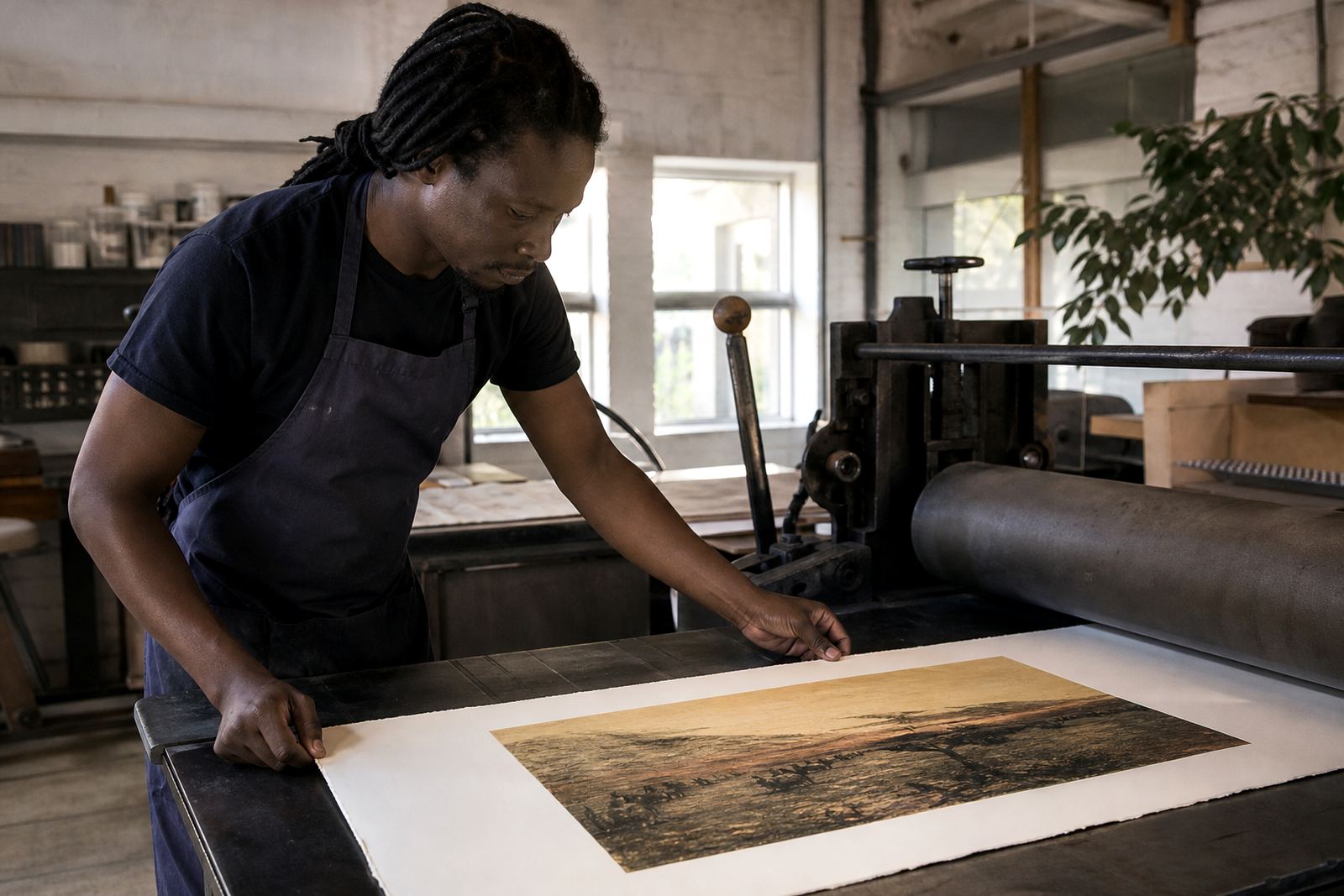
Stone lithographs are often issued in limited editions, and the margins can be part of the artwork’s presentation. Some collectors prefer a full sheet frame, while others prefer a window mount that shows only the image area. There is no single right answer, but the decision should respect the edition and the artist’s intention.
If the paper has a signature, edition number or blind embossing, it is usually better to keep these visible. That way the print remains properly documented and the framing does not hide important information. A neat border can also help with visual balance, especially when the image has rich colour or a strong composition.
- Full sheet framing works well for signed margins and deckled edges.
- Window mounts suit prints where the image should read more tightly.
- Float mounting can suit handmade paper and visible plate marks.
- Keep edition marks readable if the artist has placed them in the margin.
Select glazing for light, dust and glare control
Glazing protects the print from dust, handling and sudden marks, but it should also suit the room. Standard glass is common, though in bright spaces or near windows many collectors prefer a glazing option that reduces UV exposure and glare. This is especially useful in living rooms, passage walls and offices with hard light.
For larger framed works, ask about the weight of the glazing as well. Heavy frames are more difficult to hang securely, particularly on older walls or in apartments. In some cases, especially for oversized prints, a lighter glazing option can make a practical difference. If the frame sits in a sunny room, use window treatment too, because no glazing can fully solve direct sun on its own.
Match the frame style to the artwork and the room
A frame should suit the print without overpowering it. Many lithographs look best in a simple frame with clean lines, because the artwork already carries the colour, texture and detail. Dark timber can give warmth, while lighter finishes can work well with soft tonal images. Metal frames can suit contemporary prints, but they should still feel calm and understated.
Think about where the work will hang. A frame that looks right in a Stellenbosch dining room may feel too heavy in a small Sea Point apartment, while a very slim profile may be lost on a large wall in a Pretoria home. The setting matters, and so does the furniture, flooring and wall colour around the piece.
- Use a restrained frame for complex or colourful prints.
- Choose a finish that supports the work, not competes with it.
- Check that hanging fittings are strong enough for the full weight.
- Keep the overall size in proportion to the wall space.
Build a care routine after the frame is finished
Good framing is only one part of long-term care. Once a lithograph is framed, place it away from direct sun, damp walls, bathrooms and kitchens with heavy steam. Keep it clear of aircon drips, open windows in rainy weather and any area where salt air can settle on the surface. In coastal homes, a quick visual check every few months is worthwhile.
When cleaning, use a soft dry cloth on the outer frame only, never on the print itself. Do not spray anything onto the glass or let liquid seep into the edges. If the artwork is ever re-hung or moved, carry it upright and avoid resting it face down. For collectors who store unframed prints, keep them flat, interleaved with clean paper and away from heat sources. If the paper starts to ripple or discolour, seek advice early rather than waiting for the problem to worsen.
A simple framing checklist before you commit
Before framing a stone lithograph, run through a short checklist. It helps avoid common mistakes and makes the final result more reliable. If you are unsure about any part of the plan, bring the print in for a studio discussion before the frame is ordered.
- Have you confirmed the size of the sheet and the image area?
- Will the signature, edition number and margins stay visible?
- Are all mount and backing materials archival?
- Does the glazing suit the light in the room?
- Will the frame weight suit the wall and hanging point?
- Is the artwork being placed away from moisture, heat and direct sun?
For collectors in Woodstock, Newlands, Sea Point, Durban, Johannesburg or Pretoria, the best framing plan is often the one that is quietly practical. It should protect the print, present it well, and make future care straightforward. A sound frame does that work without drawing attention to itself.