What an artist proof means in stone lithography
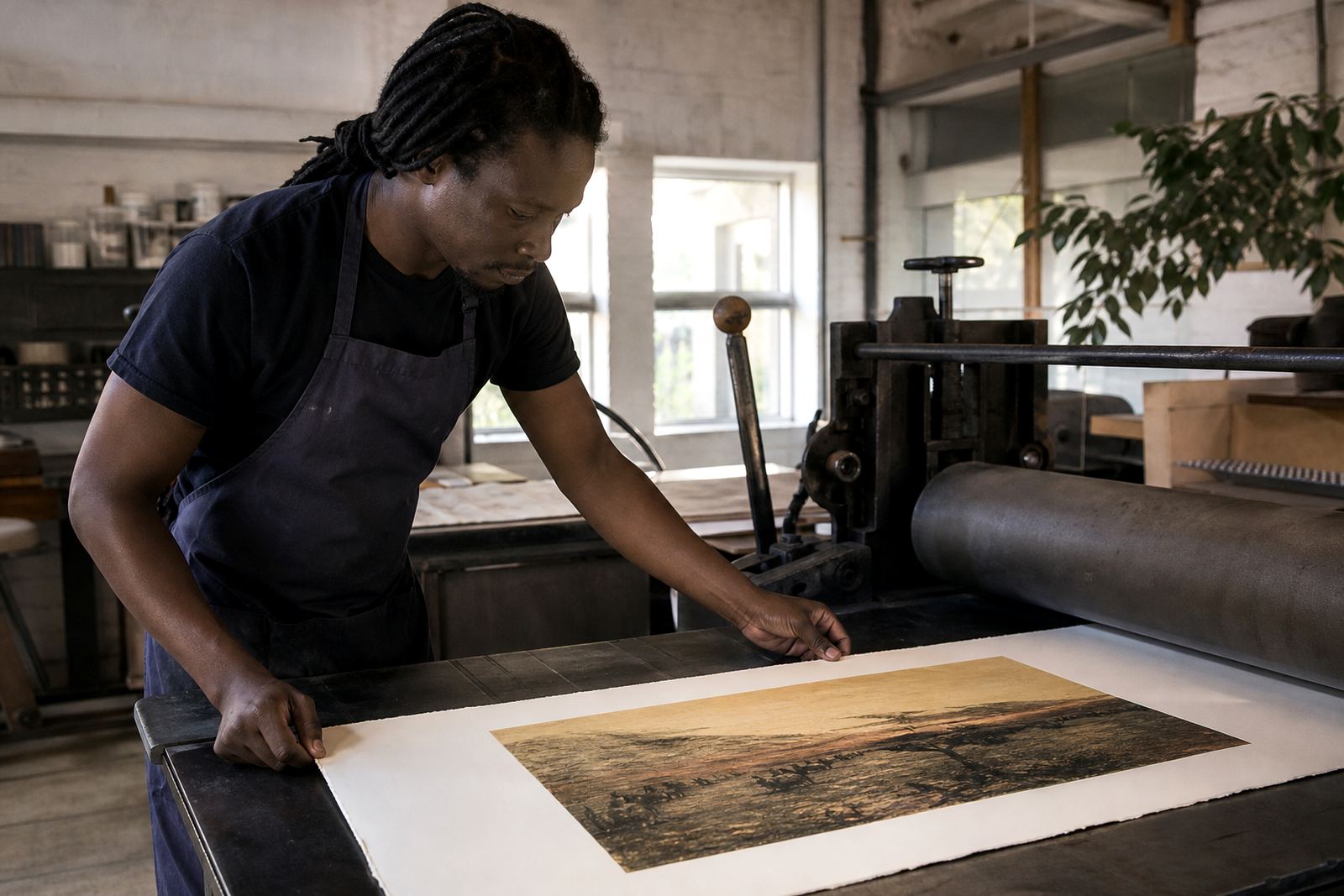
An artist proof, often marked AP, is a print pulled outside the numbered edition for the artist’s review and record. In stone lithography, this is especially useful because the process depends on careful stone preparation, hand drawing, colour work, and pressure on the press, so small changes can happen from proof to final edition.
Artist proofs are not automatically better than edition prints, but they are usually closely linked to the making of the work. Some artists keep proofs for comparison, some approve them as the closest match to the final edition, and some release a small number to collectors. The key point is that an AP should have a clear purpose and a clear note of what it represents.
How APs differ from standard edition prints
A standard edition print is part of the planned numbered run, such as 1/20, 2/20, and so on. An artist proof sits outside that numbered sequence. It may be identical to the edition, or it may show earlier colour decisions, minor adjustments, or testing from the proofing stage. That makes APs useful for understanding the printmaking process, but they should never be confused with the full edition.
When you compare the two, look at the notation on the margin, the paper size, any visible proof marks, and whether the artist signed and dated the sheet. In a proper lithography studio, each mark should be legible and consistent, with no guesswork needed.
- Edition print: numbered within the final approved run
- Artist proof: kept outside the numbered run for review or special release
- Trial proof: used to test colour, pressure or registration before approval
- Bon à tirer or final approval proof: the version used as the standard for the edition
What to check before you collect an artist proof
Before buying or commissioning an AP, ask for the full edition details. A careful print record should show the title, image size, paper size, technique, year, edition size, proof count, and signatures. If the sheet is signed and numbered, make sure the marks match the stated status of the work. An AP should not be numbered as if it were part of the main edition unless that is clearly explained.
Also check the paper condition. Stone lithographs are often printed on strong, archival paper, but paper can still pick up handling marks, cockling from moisture, or dust from storage. In Cape Town, coastal humidity can affect paper over time, and in inland cities like Pretoria or Johannesburg, dry air can make paper respond differently during framing and storage. Good care starts with clean handling and proper packing.
- Ask whether the AP was approved by the artist
- Check if the image differs from the edition in colour or composition
- Confirm whether the sheet has been framed before
- Look for clean margins, crisp signatures and stable paper condition
Steps for artists planning proofs with a studio
If you are working with a studio, proof planning should happen early. A clear plan saves time and avoids confusion later in the edition. In stone lithography, colour separations, stone preparation, and paper choice all affect the final result, so proofing is not just a formality. It is part of the editioning process.
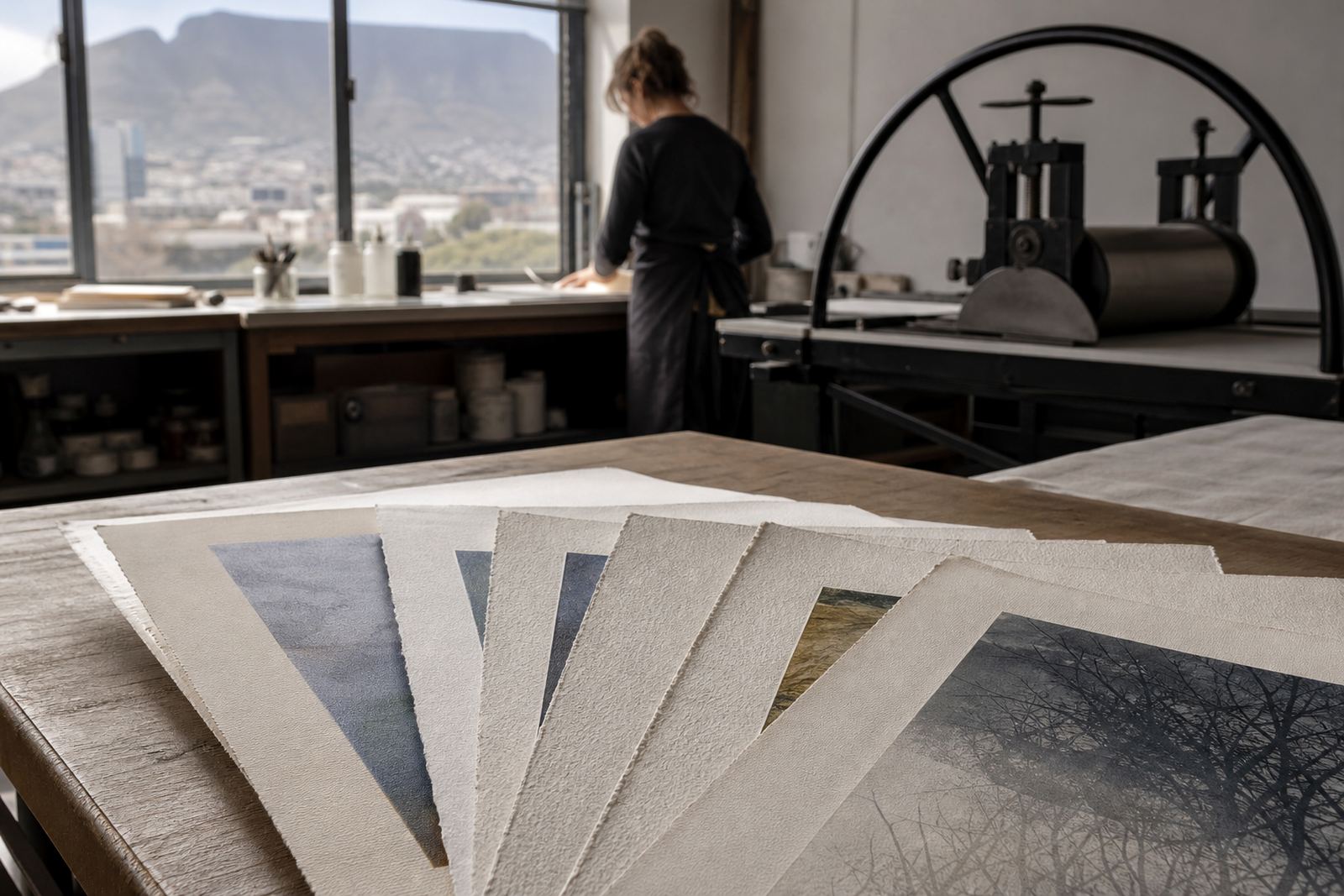
At our Woodstock studio, a typical proofing sequence begins with a test image or first state, followed by review, adjustment and approval. From there the studio records the final edition details and prints the run with care. If an artist wants APs retained, that should be agreed before printing starts, not after the edition is complete.
- Agree the edition size before printing begins
- Decide how many APs will be kept or released
- Record paper type, ink colours and any hand-finished details
- Keep a clean sheet register for signing and numbering
How collectors should read signatures, numbering and notes
Collecting print work is easier when the notation is understood. Standard practice is to mark the edition number in pencil, for example 4/25, and to identify proofs separately, such as AP. Some artists add notes like HC, BAT, or P/P, but meanings can vary, so the studio record matters. Do not rely on the margin alone if the print will be kept long term or insured.
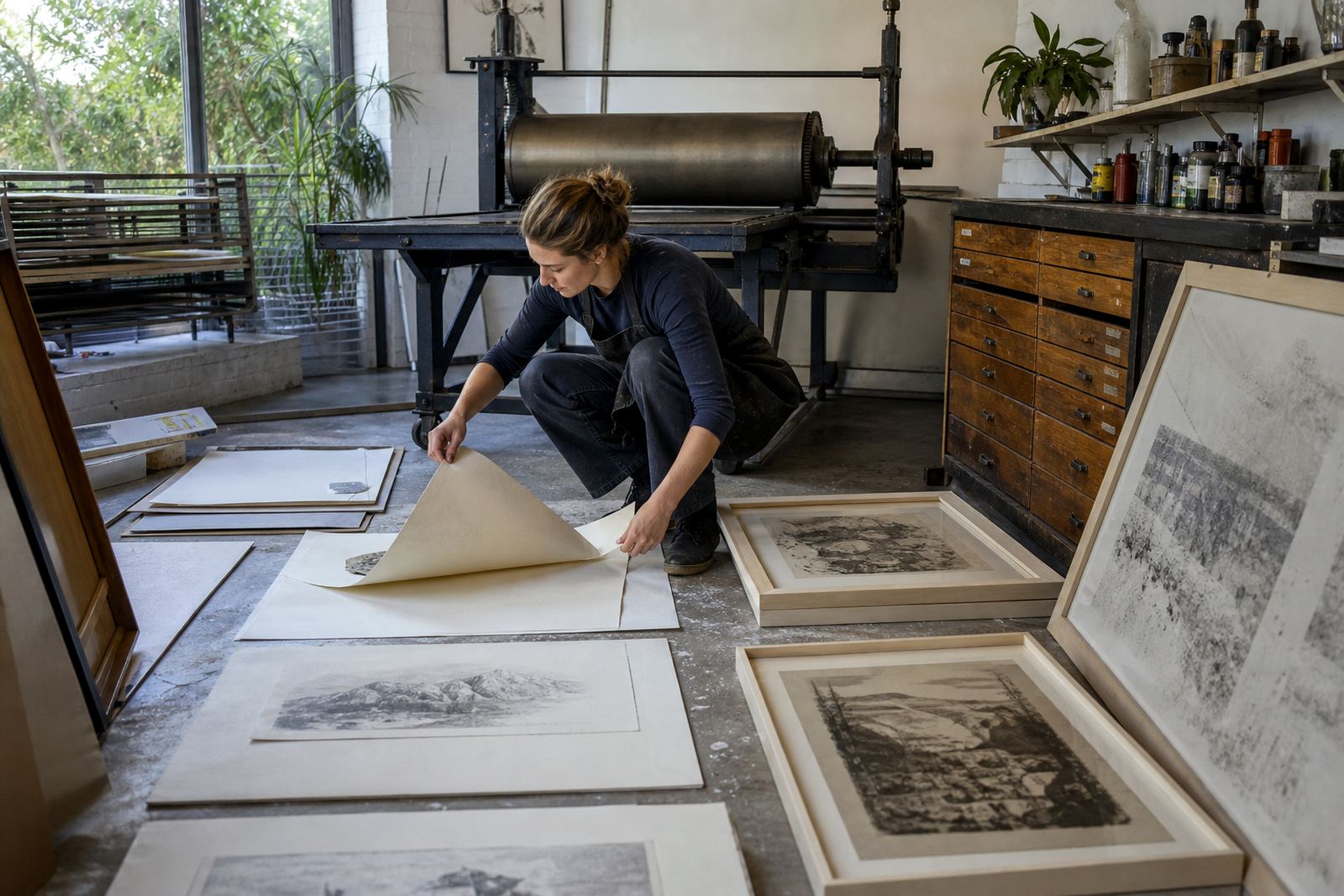
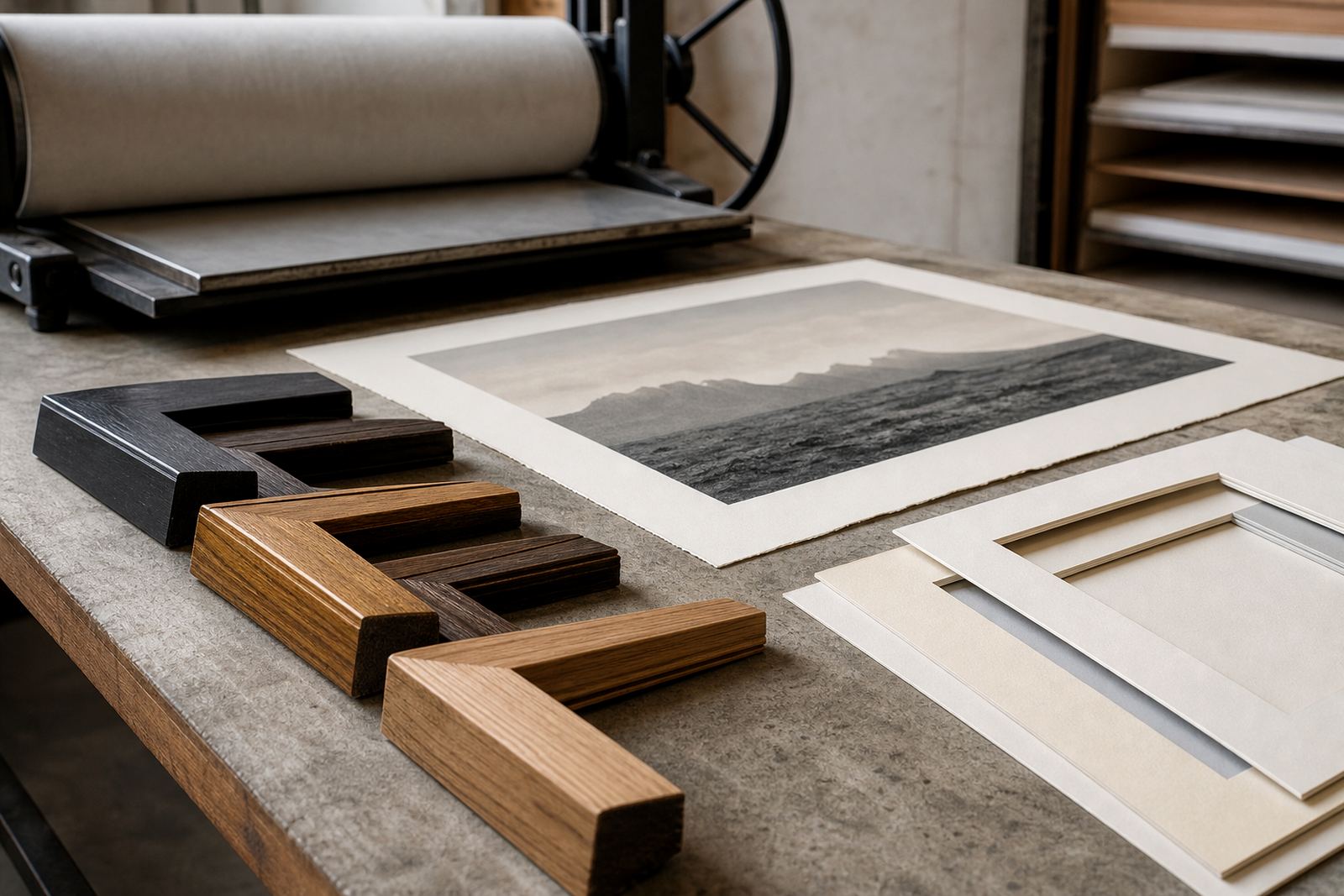
A collector should also note whether the print is loose, mounted, framed, or stored flat. Framing coordination is worth considering early, especially for larger sheets or works going to Durban and other coastal areas where humidity can rise quickly. If you are unsure, ask for collector advice before the work is framed. A little guidance now can prevent handling damage later.
Print care checklist for APs and edition prints
Artist proofs should be treated with the same care as any fine-art print, and in some cases more care, because they may be closely tied to the working process. Keep them out of direct sun, away from damp walls, and away from high-traffic areas where dust and handling are common. Never tape the print itself, and avoid glass or board materials that can trap moisture against the sheet.
For storage, archival packing is the safest option. Use clean interleaving, flat storage, and stable room conditions. If the work is going into framing, choose materials suited to long-term preservation and make sure the framer understands the paper type and the print surface. A good lithograph should sit quietly on the wall or in storage, not fight the environment.
- Handle with clean dry hands or cotton gloves if needed
- Store flat in archival folders or boxes
- Keep away from kitchens, bathrooms and damp external walls
- Use UV-safe framing where possible
- Avoid rolling the print unless advised by a print professional
When to ask the studio for help
If you are unsure whether a sheet is a true AP, a trial proof, or part of the edition, ask the studio before making assumptions. The same applies if you need help with edition planning, signing and numbering, or packing for transport between Cape Town, Stellenbosch, Johannesburg, Pretoria or Durban. Clear records protect both the artist and the collector.
For artists, the best time to ask is before the first proof is pulled. For collectors, the best time is before purchase or framing. A well-kept proof trail tells the story of the print without confusion, and that matters in a medium built on process, pressure and exacting handwork.