What signing and numbering includes
Our signing and numbering service covers the practical final stage of an edition after printing, drying and inspection. We prepare the margin area, confirm that the sheets are in the correct sequence, and make sure each print is ready for the artist’s signature, edition number and any agreed inscriptions. This work matters because even a strong print can be let down by rushed handling, smudged pencil, uneven spacing or confusing edition marks.
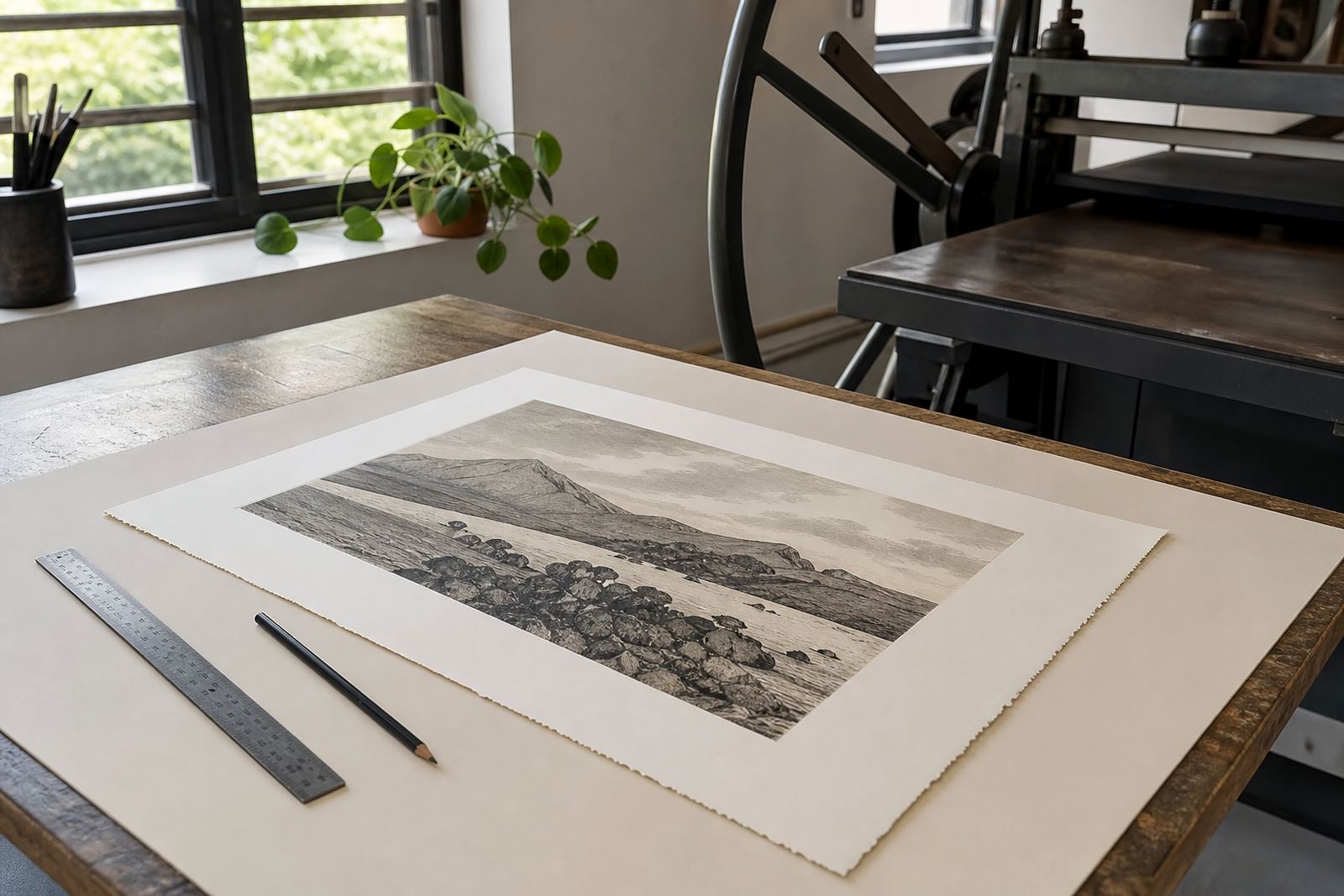
In a stone lithography edition, the paper often has a natural deckle edge or a planned margin wide enough for signing. We check that the lower margin has enough room for the edition number on the left, the image title if required in the centre, and the artist’s signature on the right. Where the edition is very tight, we advise on margin planning before printing so the final sheet still feels balanced and collectible.
- Margin review and layout guidance
- Edition number placement
- Artist signature area preparation
- Artist proof and trial print identification
- Careful sheet handling with cotton gloves when needed
How the edition is prepared for signing
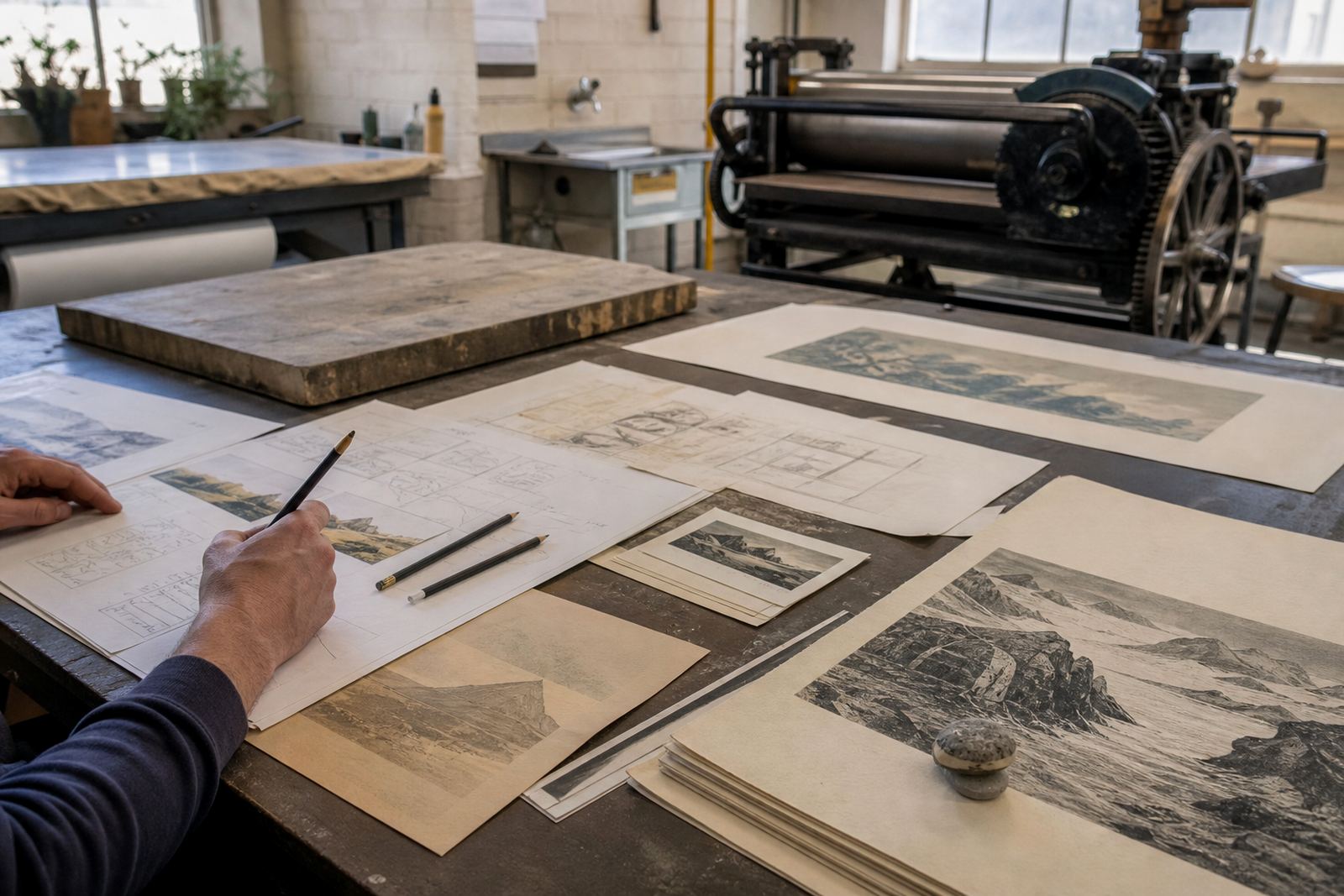
Before any pencil touches the paper, we confirm the edition plan. That means checking the total edition size, any artist proofs, printers proofs and presentation copies, plus the sequence in which the sheets will be signed. We also check that the paper is fully settled after printing and that it has no surface moisture or curl that could affect the signature line. In Cape Town, humidity can shift from dry winter air to damp coastal conditions quickly, so we monitor the studio environment and the paper stack closely.
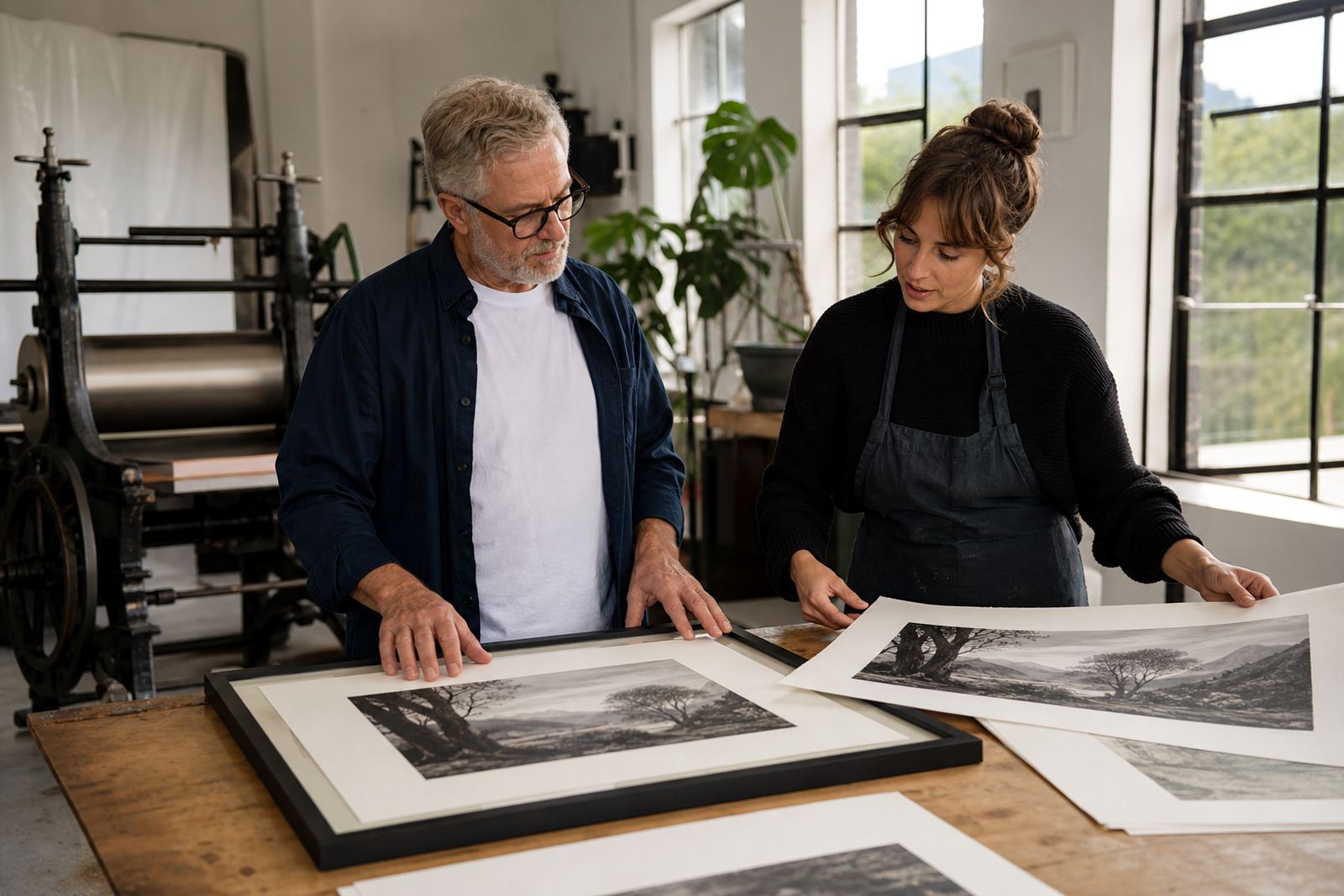
For most editions, the sheets are grouped by image state or colour version, then laid out for approval in a clean, dust controlled area. If a print needs minor trimming or extra margin support for framing, we handle that before the signing stage. This avoids last minute handling, which is where fingerprints, corner bends and uneven numbers usually happen.
- Edition list confirmed before handling begins
- Sheets checked for dryness, flatness and clean margins
- AP, PP and exhibition copies separated clearly
- Order of signing agreed with the artist
The signing order and numbering method
We use a simple, consistent format so each print carries the same information in the same place. The edition number is written as a fraction, such as 12/30, which shows the print number and the total edition size. Artist proofs are marked separately, usually as AP 1/3 or in the form agreed with the artist. When a title or date is included, we place it neatly in the centre or on the reverse if requested for a particular edition style.
The key is order. We bring the sheets out one at a time, check the front and back for marks, then present them for signing in the agreed sequence. If a number is skipped, duplicated or written too close to the edge, the whole run can look untidy. That is why we keep a written edition register and confirm each signed sheet against the approved count before it leaves the signing area.
- Fractional numbering used for standard editions
- Proof types marked according to the edition plan
- Handwritten signatures placed in pencil unless otherwise agreed
- Each sheet checked against the register before release
Handling standards for clean collector-ready prints
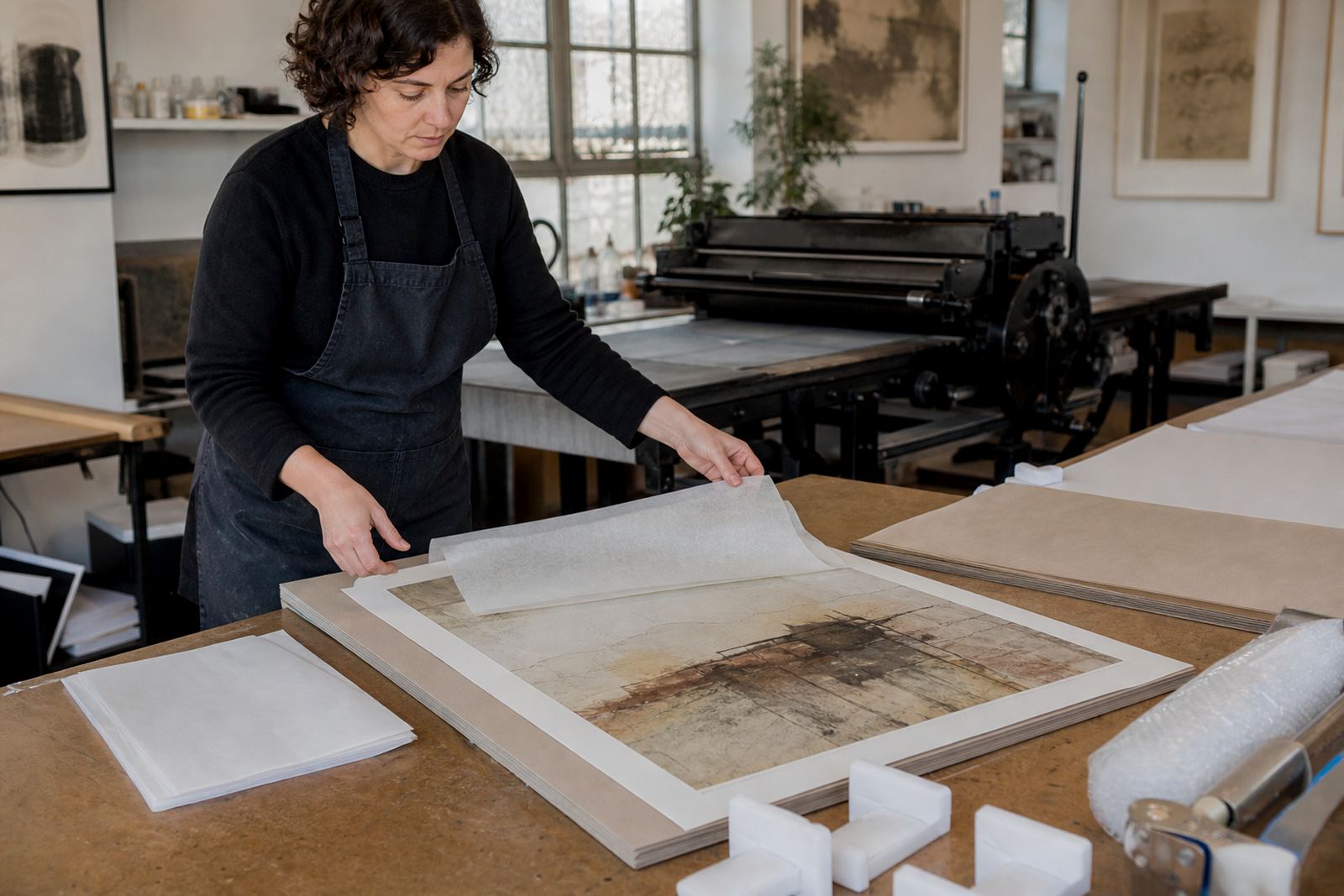
Fine-art paper marks easily, especially after printing when the surface can still be sensitive. We handle every sheet by the edges and use clean supports to move prints between drying, signing and packing. The studio keeps a stable workflow so prints are not stacked in a way that can pick up dust, cockling or pressure marks. That matters for collectors in Johannesburg, Pretoria, Durban and the Cape, where prints may travel long distances before framing.
Once signed, the edition is left to rest before it is packed. If a collector wants framing coordination, we can recommend a framing approach that keeps the signature visible while protecting the print from direct sunlight, moisture and acidic materials. Coastal homes in Sea Point or Durban may need extra attention to glass choice and backing board because humidity can affect paper over time.
- Edge handling to reduce smudges and finger marks
- Drying and resting time before packing
- Archival sleeves or interleaving where appropriate
- Framing advice for light and humidity control
Turnaround times and studio scheduling
Turnaround depends on the size of the edition, whether the artist is signing in studio, and how much checking is needed before release. A small edition may be signed and numbered in a single session, while larger runs are scheduled over several days to keep the work orderly. If an edition includes multiple colour states or paper types, we allow extra time so nothing is rushed.
We also build in time for the ink to cure before sheets are signed. If a signing session runs across several days, the paper may need to be rechecked for flatness, and the work surface cleaned before the next batch is laid out.
- Small editions can often be completed in one studio session
- Larger editions are split into controlled batches
- Extra time allowed for proofs, rechecks and artist approval
Pricing approach and what affects the cost for print collectors
Pricing is based on the amount of manual handling, the edition size, and any extra coordination needed for proofs, inscriptions or special margin requirements. A straightforward signing run with a small edition and standard pencil numbering takes less time than a mixed set with artist proofs, corrections and separate collector presentation sheets. Where we are also managing paper advice, edition registers or packing, those tasks are built into the scope.
We keep pricing practical and transparent. For artists working from Woodstock, Stellenbosch or other parts of South Africa, we quote according to the actual studio time required rather than a one-size-fits-all rate. That helps keep the edition cost aligned with the print run and avoids paying for services you do not need. If a project needs long-term edition support, we can schedule it in stages so the work fits the production budget.
- Edition size and number of proofs affect the fee
- Extra inscriptions or special handling add studio time
- Multi-day schedules are priced according to labour required
- Quotes are issued after the edition plan is confirmed
How to book signing and numbering in Woodstock
Artists and collectors can contact us through the enquiry form on our contact page to discuss edition size, paper format and preferred signing method. If you are planning a new lithograph, it helps to share the sheet dimensions, planned margins and whether the print will be framed locally or shipped to another city. We work with clients across Cape Town, Sea Point, Newlands, Stellenbosch, Johannesburg, Pretoria and Durban, so we are used to coordinating editions for both local handover and longer distance delivery.
For best results, bring the signing stage into the planning early. When margin space, edition numbers and proof labels are considered before printing starts, the finished edition looks cleaner and is easier to catalogue. That small bit of planning saves trouble later when the prints need to be stored, signed, packed or sold.
- Use the enquiry form to begin a project discussion
- Send sheet size, edition count and proof requirements
- Share any framing or collector delivery needs
- Early planning improves margin balance and edition clarity
Edition details
| Studio base | Woodstock, Cape Town |
|---|---|
| Service type | Artist signature and edition numbering for stone lithographs |
| Typical marks | Edition fraction, artist proof notation, title or date if agreed |
| Paper handling | Edge handling, clean support boards, controlled drying time |
| Suitable for | Limited editions, artist proofs, presentation copies and collector sheets |
| Coordination | Available for local handover and South African collector deliveries |